REVIEW · ARUSHA
4-Day Group Tour to Tarangire, Serengeti, Ngorongoro – Lodge
Book on Viator →Operated by Budget Safaris Tanzania · Bookable on Viator
One trip, three headline parks. This 4-day Tanzania safari stacks Tarangire, Serengeti, and the Ngorongoro Crater for classic big-game days, plus comfortable lodge overnights. I like how the days are structured around real wildlife windows, with early breakfasts and game drives timed for best sightings, and I also like the practical bundle: park fees, meals, and airport transfers are covered. The only drawback to flag is that you’re moving often, so this is best if you’re okay with long driving days and early mornings.
The group setup is also a big part of the comfort. With a maximum of 6 travelers and a professional driver-guide handling everything from pickup to park entry, you spend more energy looking for animals and less energy managing logistics. And based on reported communication style and safe, friendly driving, you should feel looked after from the first airport transfer to the final drop-off in Arusha or the airport.
For value, it helps to know what’s inside the package. You get all meals during the safari, water and soft drinks all day, and the park fees and activities, plus lodge accommodations during the trip. You will still want to budget for personal expenses and tips for the driver-guide and safari cook, and you’ll also need travel insurance on your own.
In This Review
- Key Highlights at a Glance
- The Big Picture: What This 4-Day Route Really Delivers
- Day 1 Tarangire National Park: Elephants, Dry-Season Water, and Eileen’s Trees Inn Lodge
- Serengeti Day 2: Open Plains, Strong Skies, and Shuhudia Tented Lodge
- Serengeti Day 3: Early Light, En-Route Transfer, and the Move Toward Ngorongoro
- Ngorongoro Crater Day 4: Ngoitoktok Spring Picnic and Big-Five Chances
- Price and Value: What You’re Really Paying For at $1,760 per Person
- Group Size, Pickup, and the First 24-Hour Confidence Check
- Timing and Packing: How to Make These Days Feel Easier
- Lodges and Meals: Comfortable Bases for Big Wildlife Days
- What Might Not Fit: Who Should Skip This Safari (or Modify Expectations)
- Should You Book This 4-Day Lodge Safari?
- FAQ
- What parks are included in this 4-day safari?
- Where does the tour start, and what time does it begin?
- How long is the safari?
- Is pickup included?
- Are park fees and admissions included?
- What meals are included?
- Is water available during the safari?
- How many travelers are in the group?
- What’s included in the accommodation?
- Can I cancel for free?
Key Highlights at a Glance
- Three top Tanzanian parks in 4 days: Tarangire, Serengeti, and Ngorongoro Crater
- Serengeti game drives at both late-day and early-day light for different animal behavior
- Ngorongoro crater-floor wildlife plus a picnic at Ngoitoktok Spring
- Small group size (max 6) that keeps the safari feel more personal
- Airport transfers and all park fees included, so fewer surprise charges
- Lodge nights at Eileen’s Trees Inn, Shuhudia, and Ang’ata on the crater rim
The Big Picture: What This 4-Day Route Really Delivers
This safari is built like a greatest-hits playlist, but not a random scatter of parks. You start with Tarangire’s dry-season elephant drama, move into the open-sky viewing of Serengeti, and then finish with the crater experience where animals concentrate in a smaller space. If you want a balanced chance at seeing predators, grazers, and the iconic crater mammals, this route is a smart way to do it in only 4 days.
You’ll also get a clear rhythm: early breakfasts, long game-drive blocks, then a lodge dinner and sleep. That rhythm matters because wildlife sighting chances swing with light and heat. This itinerary leans into those timing basics rather than treating every day as a generic drive.
One more thing: the name of the crater experience is basically shorthand for how it feels on the ground. Ngorongoro is often described as the Garden of Eden, and the real takeaway for you is how dense the game can be when the ecosystem is compressed into crater walls.
A few more Arusha tours and experiences worth a look
Day 1 Tarangire National Park: Elephants, Dry-Season Water, and Eileen’s Trees Inn Lodge

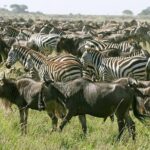
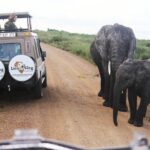
Tarangire is the opening act for a reason. On your full-day game drive, you’ll focus on how animals adapt when water gets scarce. The park’s dry-season draw is dramatic: elephants gather at waterless riverbeds for alternative streams, and herds can be enormous—up to around 300 elephants in the dry season.
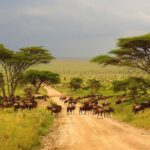
This matters because it changes what you’re looking for. Instead of scanning for movement over miles of savanna only, you’re also watching for animal traffic at the few reliable spots. You’re likely to see zebra, buffalo, impala, gazelle, hartebeest, and eland alongside the elephants, with wildebeest and other grazers showing up depending on the day’s conditions.
Lunch is handled picnic-style during the drive, which keeps you out longer with the herd activity rather than breaking your day too early. If you’re the kind of traveler who doesn’t want to waste a big chunk of your safari staring at a clock, this approach usually feels efficient.
Overnight is at Eileen’s Trees Inn Lodge, and the reported tone around comfort and food is positive. That’s not a small detail on day 1—after a long drive and sun exposure, having a comfortable base with solid meals helps you start the rest of the trip with energy.
Potential consideration: Tarangire in the dry season can be hot and bright. Bring sun protection and plan on dust, because you’ll be spending hours in an open viewing environment.
Serengeti Day 2: Open Plains, Strong Skies, and Shuhudia Tented Lodge

Serengeti day is where the safari shifts from concentrated water points to wide-open searching. After an early breakfast, you’ll drive from the lodge to Serengeti National Park, then enjoy a four-hour game drive, followed by a late-evening game drive.
That two-part structure is useful. Animals often behave differently as temperatures change and the light softens. Late day can bring activity patterns you don’t see at midday, and it also gives your eyes a break from the harshest sun angle.
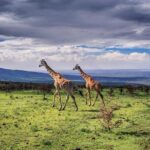
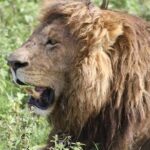
The game list is broad—wildebeest, lion, elephant, leopard, impala, gazelle, cheetah, and the possible wildebeest migration depending on timing. Since migration sightings are always seasonal and not guaranteed, what you should hope for here is diversity: you want a day where you’re seeing more than one type of action, like predators tracking and grazers moving.
Dinner and overnight are at Shuhudia Tented Lodge. The tented-lodge style is a big part of Serengeti’s appeal, and comfort matters because your second day includes another early start later. Based on what you’d want from a lodge on a safari, the emphasis here is on staying comfortable between drives and eating well enough to feel ready for the next morning.
Serengeti Day 3: Early Light, En-Route Transfer, and the Move Toward Ngorongoro

Day 3 starts even earlier: you wake up for an early morning game drive in Serengeti. This is the kind of timing that can change what you notice. Predators and prey both react to cooler hours, and many sightings people remember tend to happen before the day heats up.
After that drive, you’ll enjoy brunch and then move toward Ngorongoro. The itinerary includes an en-route game drive from Serengeti to Ngorongoro, arriving late in the evening. That matters because it keeps your time from feeling wasted during the transfer. You’re not just road-tripping; you’re still looking out the window for animals.
Your overnight is at Ang’ata Tented Lodge on the crater rim, which is a practical advantage. Being on the rim reduces travel time on crater day and gives you a smoother setup for a direct start into the crater floor.
One consideration: you’ll be packing and changing lodges on day 3. It’s easy to mismanage small items when moving, so keep essentials in a day bag—binoculars, sunscreen, a light layer, and anything you want for the crater day.
Ngorongoro Crater Day 4: Ngoitoktok Spring Picnic and Big-Five Chances

Ngorongoro is the finish line, and the day is structured for maximum viewing time. After an early breakfast, you go directly to the crater floor for a six-hour game-watching drive.
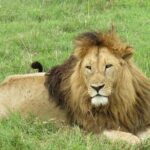
This is where your expectations should be set correctly. The itinerary points to Big Five potential—lion, leopard, elephant, buffalo, and maybe black rhino. The phrase maybe is important. Black rhino sightings aren’t guaranteed, and even when the chances are real, wildlife schedules don’t follow your checklist. Still, Ngorongoro’s density gives you a better shot than many people get on open-country drives.
Picnic lunch is served inside the crater at Ngoitoktok Spring. The spring area is also where you can see other big mammals and smaller wildlife activity, with hippos, giraffes, warthogs, baboons, and birds listed for the broader experience. For you, this is a key moment because you’re not just driving past scenery—you’re stopping in a wildlife zone where animals gather and move throughout the day.
After about six hours on the crater floor, you ascend and head back toward Arusha. There’s an en-route game drive via Mto wa Mbu village, then you’re dropped at your hotel in Arusha or taken to the airport in the evening.
Practical note: crater day tends to be the most mentally demanding. Expect a lot of scanning—first for predators, then for grazers, then for the tells that animals are about to move. Go slow with your eyes. The best sightings often come after you stop trying to catch everything at once.
Price and Value: What You’re Really Paying For at $1,760 per Person
At $1,760 per person, you’re not just paying for a driver and a seat. This package is designed so major costs are handled up front: accommodation during the safari, all round-trip airport transfers, all meals (three meals a day), all park fees, and the activities. You also get water all day plus soft drinks, which matters because hydration and comfort are part of safaris, not extras.
You’ll also be paying for access and time. Park fees and guided activity aren’t cheap, and the driving between Tarangire, Serengeti, and Ngorongoro is a big part of your “buy.” When those pieces are bundled, your budget stays steadier.
What’s not included is also clear. You should set aside money for personal expenses, and plan on tipping the driver-guide and safari cook. Travel insurance is not included, so you’ll want to arrange that separately. If you’re traveling with a tighter budget, those line items can be the difference between feeling comfortable and feeling stressed.
For value, the small group size (max 6) is meaningful too. Larger groups often mean more waiting and less freedom. Here, the goal seems to keep your attention on the safari instead of on logistics.
Group Size, Pickup, and the First 24-Hour Confidence Check

This is a group tour, but it’s kept small, with a maximum of 6 travelers. That’s a sweet spot for safari comfort: you’re with people, but you’re not stuck in a crowd. It can make the drive feel more flexible and lets your driver-guide manage the day without hauling too many schedules at once.
Pickup is offered from the start, and the itinerary includes round-trip airport transfers. There’s also mention of mobile tickets and confirmation at booking, so the operational side is meant to feel organized before you arrive.
Based on what the operator’s communication is described as doing—responsive contact within 24 hours—you can also expect fewer last-minute surprises. That’s not glamorous, but it’s exactly what reduces stress when you’re landing in a new country and heading straight into wildlife mode.
Timing and Packing: How to Make These Days Feel Easier
The schedule starts with an early start time of 7:00 am. That’s not just a random number; it’s the practical rhythm of safari timing. Early mornings usually help you avoid the harshest heat and often line up with animal activity patterns.
Because the days are long, think packing like you’re doing one continuous outdoor day rather than a hotel hopping routine. Keep essentials easy to grab: sunscreen, a hat, sunglasses, light layers, and insect repellent. You’ll also want comfortable shoes for lodge areas and quick-dry clothing for the drives.
Since water and soft drinks are included, you can plan around them rather than spending time figuring out where to buy something mid-drive. Still, bring your own reusable bottle if that’s your style—it keeps you calm and consistent.
Lodges and Meals: Comfortable Bases for Big Wildlife Days
The lodging names matter because each one fits its role in the itinerary:
- Eileen’s Trees Inn Lodge for your first night after Tarangire
- Shuhudia Tented Lodge after two Serengeti drives
- Ang’ata Tented Lodge on the crater rim for the Ngorongoro start
Comfort and food are repeatedly described in positive terms. That’s a big deal because safari days are not restful by default—you’re outside, you’re watching, you’re sitting in a vehicle, and you’re working your eyes all day. A lodge that’s easy to relax in, with good meals, helps you actually enjoy your next day instead of just surviving it.
Also, meals are included as part of the package, with breakfast, lunch (picnic on drive days), and dinner. The more you avoid extra meal decisions, the more mentally free you’ll feel.
What Might Not Fit: Who Should Skip This Safari (or Modify Expectations)
This safari is a strong fit if you want a classic big-game circuit in a tight timeline. But it may not be ideal if you hate early mornings or you want a slow, laid-back trip with lots of downtime. You’ll be on the move for days—Tarangire to Serengeti to Ngorongoro, then back toward Arusha.
Because it’s a group tour, you also give up some flexibility. Wildlife drives often go where the animals are, but your day structure is still planned. If you want a completely tailor-made experience, you might prefer a private safari.
Finally, remember that sightings are never guaranteed. The itinerary highlights Big Five chances and even mentions maybe black rhino, plus possible migration in Serengeti. That’s exciting, but it’s also reality—wildlife doesn’t promise a checklist.
Should You Book This 4-Day Lodge Safari?
I’d book this if you want maximum wildlife coverage in a short window, and you value a package that handles the heavy lifting—park fees, meals, transfers, and professional guidance. The route is logical: Tarangire for elephants, Serengeti for predator-prey action and migration chances, and Ngorongoro for concentrated crater viewing plus the picnic at Ngoitoktok Spring.
You should think twice if you want a slower pace, or if you’re the type who needs long stretches of downtime between activities. Also, be ready to budget for tips and personal expenses, and plan for a day-start that begins early.
If you’re looking for a safari that feels organized but still wild in the ways that matter, this one has the right balance of planning and nature.
FAQ
What parks are included in this 4-day safari?
The safari visits Tarangire National Park, Serengeti National Park, and Ngorongoro Crater.
Where does the tour start, and what time does it begin?
The start time is 7:00 am in Arusha.
How long is the safari?
It runs for 4 days (approx.).
Is pickup included?
Yes. Round-trip airport transfers and pickup are included in the experience.
Are park fees and admissions included?
Yes. All park fees are included, and the itinerary notes admission is free on the relevant days.
What meals are included?
All meals are included, with 3 meals per day during the safari plus a picnic lunch on game drive days.
Is water available during the safari?
Yes. Water is provided all day, along with soft drinks.
How many travelers are in the group?
The tour has a maximum of 6 travelers.
What’s included in the accommodation?
Lodge accommodations are included for the safari nights, with stays at Eileen’s Trees Inn Lodge, Shuhudia Tented Lodge, and Ang’ata Tented Lodge.
Can I cancel for free?
Yes. You can cancel for a full refund up to 24 hours before the experience starts.