REVIEW · ARUSHA
2 Days Tarangire and Ngorongoro Group Camping Safari
Book on Viator →Operated by Suricata Safaris · Bookable on Viator
Two days can still change your wildlife odds. This safari pairs Tarangire National Park with the Ngorongoro Conservation Area so you switch habitats fast, and the chance of seeing elephants or cats stays high even with a short schedule. I like how the plan is built around daily game drives and keeps the focus on wildlife, not long, slow transfers.
I especially like that meals and campsite lodging are taken care of, which makes the whole trip feel organized instead of improvised. The trip is run by Suricata Safaris, and the standout theme in the feedback is that the team is quick to respond and genuinely helpful.
One consideration: a crater day means a very early rhythm and a big vertical drop into the Ngorongoro crater area, so if you dislike early starts or physical stairs/steps, plan for that.
In This Review
- Key things that make this 2-day safari work
- Tarangire and Ngorongoro in two days is a smart squeeze
- Day 1: Tarangire National Park for elephants, baobabs, and an on-park picnic
- Day 2: Ngorongoro crater descent for predators and Lake Magadi
- Camping close to Ngorongoro: where comfort meets time savings
- Pickup, timing, and how to plan your expectations in Arusha
- Price and value: $550 for a short, high-impact itinerary
- Who this safari is best for
- Should you book this 2-day Tarangire and Ngorongoro camping safari?
- FAQ
- Where does the safari start and end?
- Does the tour include pickup?
- What parks are included?
- What’s the main activity at each park?
- Is it camping, and are meals included?
- Is there free cancellation?
Key things that make this 2-day safari work
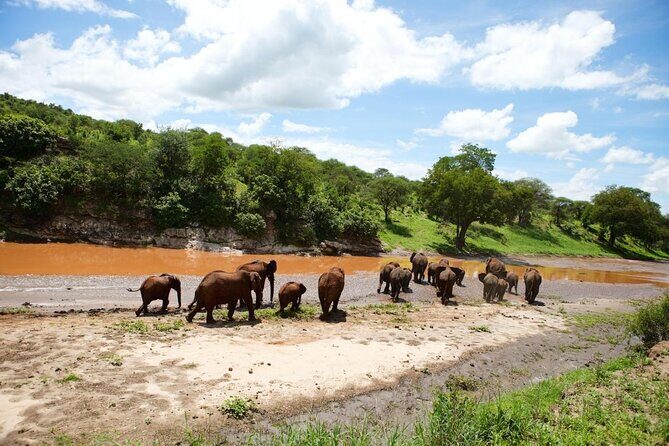
- Tarangire elephants and baobabs first, with a picnic lunch inside the park so you keep your momentum
- A major crater descent on Day 2, dropping over 600 meters to reach Ngorongoro’s concentrated wildlife
- Camping close to Ngorongoro to cut transit time, giving you more actual game-drive hours
- Small group, personalized service, which matches what people praise most about the staff
- A realistic shot at standout sightings in a short window, with feedback mentioning Big Five results
Tarangire and Ngorongoro in two days is a smart squeeze
If you only have a couple of days in Tanzania, this is the kind of route that makes sense. You start with Tarangire’s elephant country and baobab scenery, then you shift to Ngorongoro’s crater bowl, where animals gather around water and food year-round.
The big value here is not just that you visit two famous places. It’s that the timing is designed for sightings. You’re doing daily game drives, plus you’re staying at a cost-effective campsite close to Ngorongoro, which helps reduce time spent in transit. Less driving can mean more time watching behavior.
You also get a clear, built-in structure. There’s breakfast, then you’re off; there’s a picnic lunch at Tarangire; and on Day 2 the day is organized around the crater experience. That matters when your trip is short, because you don’t want your itinerary to feel like guesswork.
And yes, the staff reputation is a real part of the value. People specifically call out amazing, responsive service with Suricata Safaris, and for a two-day safari that kind of smoothness is worth money.
A few more Arusha tours and experiences worth a look

Day 1: Tarangire National Park for elephants, baobabs, and an on-park picnic
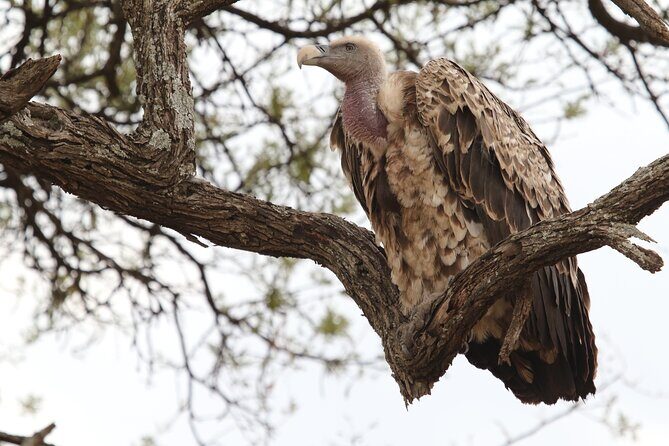
Day 1 starts after breakfast with your drive into Tarangire National Park, where you’ll do a game drive and enjoy a picnic lunch inside the park. Tarangire is known for its huge elephant population and for baobab trees, and those two things create a very specific kind of safari feel: big animals in wide-open spaces under iconic tree forms.
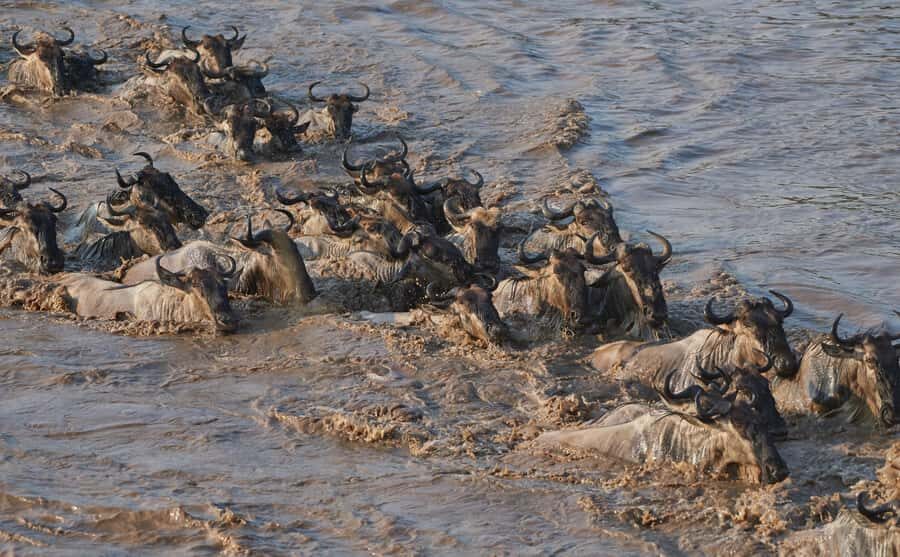
The park is also tied to seasonal movement. You’ll hear that Tarangire sits in the center of an annual migratory cycle, with figures like up to 3,000 elephants, 25,000 wildebeest, and 30,000 zebras noted as part of that wider seasonal pattern. Even if you’re not there at the peak moment, that context helps you understand why Tarangire is so consistently productive for wildlife.
In practical terms, your picnic timing is a plus. Instead of eating on the move, you pause inside the park area so you can keep your schedule intact. That usually leads to a smoother day: you’re not constantly breaking up the drive to manage meals.
What you might like most about Tarangire is the variety in what you see in one stretch of time. The elephant population makes them more than a maybe; baobabs give you a classic landscape background; and Tarangire’s wildlife mix helps keep the drives from turning repetitive.
A possible drawback for this kind of day is simply the same thing that makes it good: a game drive rhythm. If you’re hoping for a slower, restful start with lots of downtime, this itinerary is built for action, not lingering.
Day 2: Ngorongoro crater descent for predators and Lake Magadi
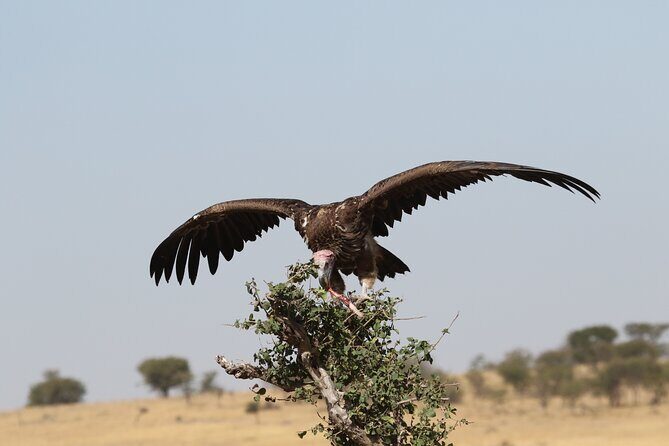
Day 2 begins early with breakfast, followed by a drive to the Ngorongoro Conservation Area. The highlight is the crater descent: you’ll go down more than 600 meters into the crater to view wildlife. That’s not just a dramatic setup. It’s also why Ngorongoro can feel different from many other safari formats—the crater environment concentrates animals around water and food sources.
The itinerary also points to why wildlife can be active here through the year: the conservation area has year-round water supply and fodder. That matters because you’re not gambling on seasonal conditions as much as you would in places that depend heavily on rain.
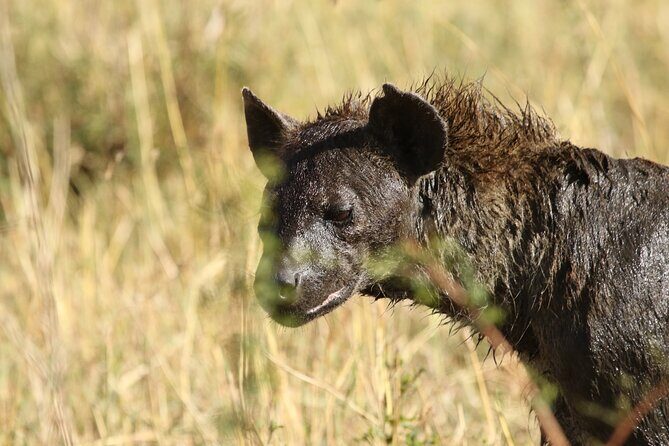
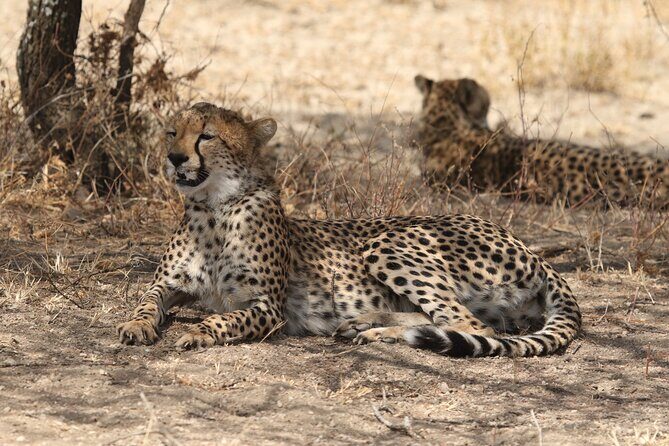
Once you’re in the crater, you’re looking at a wide mix, including wildebeest, zebra, buffalo, eland, warthog, hippo, and giant African elephants. Add predators on top—lions, hyenas, jackals, cheetahs, and the sometimes elusive leopard—and you can see why Ngorongoro is so famous for predator spotting.
There’s also a specific stop: Lake Magadi, described as a large but shallow alkaline lake in the southwestern corner of the crater. That’s a good detail because it gives your Day 2 structure beyond the general crater drive. A named point like this helps you understand where animals may be gathering and why the area looks the way it does.
One thing to keep expectations grounded: the leopard is called out as hard to spot. That doesn’t mean you won’t see it—it means you should treat it as a bonus, not a guarantee. In a short itinerary like this, that mindset helps you enjoy the day even if a particular cat doesn’t cooperate.
Camping close to Ngorongoro: where comfort meets time savings
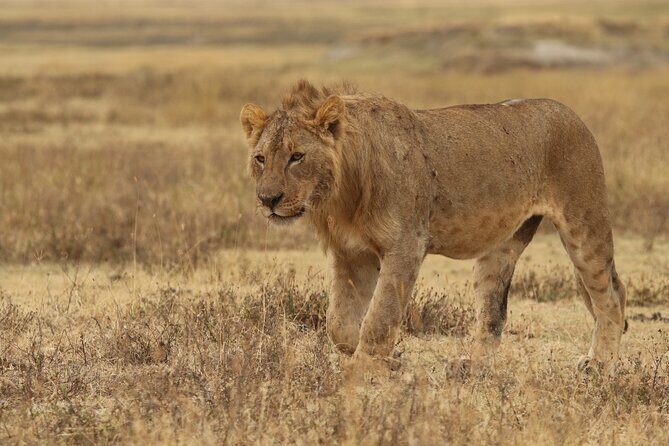
This is a group camping safari with cost-effective campsite accommodations near Ngorongoro, which is a practical choice. When you compress a multi-park safari into two days, the biggest enemy is time lost in transit. Staying close to the area you’ll explore on Day 2 reduces that risk.
Meals and accommodations are included, which is another real value point. You’re not hunting for restaurants, booking last-minute lodging, or trying to piece together logistics between parks. Instead, you can focus on the driving and the wildlife schedule.
Also, the experience is described as private in the sense that only your group participates, and feedback highlights limited group size for more personalized service. That matters because safari quality can hinge on communication: knowing where you are headed, having your questions answered, and getting the smooth guidance that helps you feel comfortable.
If you’re the type who wants a high level of hotel comfort every night, you should compare your expectations carefully. This is camping. The upside is location and time efficiency; the tradeoff is that you’re choosing function and access over resort-style comfort.
Pickup, timing, and how to plan your expectations in Arusha
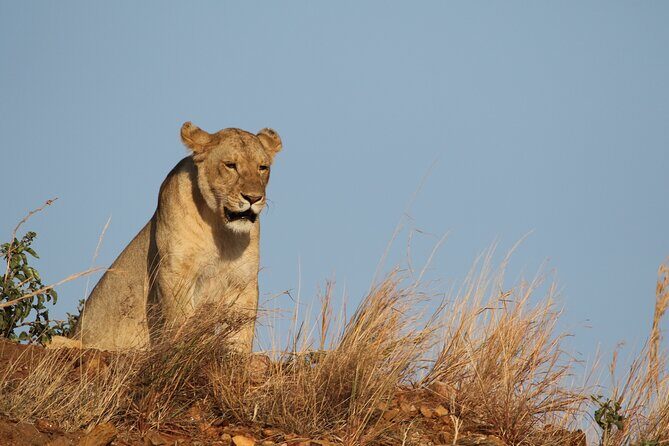
The tour starts at Jevas Hotel EncoreTZ in Arusha, and it ends back at the same meeting point. Pickup is offered, and there’s a choice mentioned for hotel or airport departure, depending on what you prefer.
Because Day 1 starts after breakfast and Day 2 includes an early breakfast, your best move is to plan a clean arrival window the day before your safari. Even though exact pickup times aren’t listed here, the itinerary structure makes it clear that the day doesn’t wait around.
The safari is also listed as roughly 2 days, with each park portion shown as about 6 hours. That tells you this is a fast-moving plan. You’re getting two major destinations packed into a short time, so the best attitude is to embrace the pace rather than trying to turn it into a slow, flexible tour.
There’s also a mobile ticket noted. For you, that usually means less paper and fewer last-minute hassles. Just make sure you have your phone accessible and charged for the start of the day.
A few more Arusha tours and experiences worth a look



Price and value: $550 for a short, high-impact itinerary
At $550 per person, this isn’t the cheapest way to do a safari, but it can be good value for what you’re getting. The price is essentially buying you three key things: transportation planning around two major destinations, included meals and campsite accommodations, and the staff support that keeps the schedule running cleanly.
You’re also paying for the format. A two-day safari that hits Tarangire and Ngorongoro is a lot of ground to cover in a short time. The fact that the campsite is positioned close to Ngorongoro is a big deal in a tight itinerary. Cutting transit time is one of the easiest ways to buy more wildlife viewing.
The reviews reinforce that the money goes toward execution. People describe the team as responsive and the wildlife experience as real and hard to put into words, with one highlight mentioning the ability to see 4 out of the Big Five during a two-day window. That’s exactly the kind of outcome short safaris aim for: strong odds on limited time.
One more value signal: it’s booked, on average, 88 days in advance. That suggests steady demand for the limited-time format. If your dates are flexible, it can be easier; if they’re not, you’ll want to lock in early.
Who this safari is best for
This trip fits best if you want a strong safari highlight without burning a full week. It’s ideal for couples, small groups, or solo travelers who want a structured plan and included logistics.
You’ll likely enjoy it if:
- you like the idea of alternating Tarangire’s elephants and baobabs with Ngorongoro’s crater wildlife
- you prefer fewer decisions and more guidance from a responsive team
- you’re comfortable with a fast two-day schedule and an early start on Day 2
You might not love it if you’re looking for a slow travel pace, long breaks, or you want a fully hotel-based experience rather than camping.
Should you book this 2-day Tarangire and Ngorongoro camping safari?
I’d lean toward booking if you’re short on time and you want the kind of itinerary that gives you a realistic shot at top-tier wildlife viewing. The combination of two major destinations, included meals and lodging, and the praise for Suricata Safaris’ responsive service makes it easier to say yes.
If your main goal is a relaxed, leisurely trip with lots of downtime, then you may find the pacing a bit intense. But if your goal is wildlife, and you want smart logistics that keep you moving toward sightings, this is a strong option.
FAQ
Where does the safari start and end?
It starts at Jevas Hotel EncoreTZ, Makao Mapya, Arusha 0255, Tanzania, and ends back at the same meeting point.
Does the tour include pickup?
Yes, pickup is offered.
What parks are included?
You’ll visit Tarangire National Park on Day 1 and the Ngorongoro Conservation Area on Day 2.
What’s the main activity at each park?
Day 1 includes a game drive in Tarangire National Park with a picnic lunch at the park. Day 2 centers on descending into the Ngorongoro crater area for wildlife viewing.
Is it camping, and are meals included?
Yes, it’s described as a group camping safari, and included meals and accommodations take care of planning.
Is there free cancellation?
Yes. You can cancel up to 24 hours in advance for a full refund.