REVIEW · ARUSHA
2 Days Joined Group Tarangire and Ngorongoro Crater National Park
Book on Viator →Operated by Serengeti Safari Booking · Bookable on Viator
A crater full of wildlife in one day, plus elephants on day one. That’s the appeal of this 2-day small-group safari from Arusha: you get a tight route with park access, food, and stays handled for you. I like that it’s capped at maximum six travelers, so the experience doesn’t feel like you’re just sitting in a moving crowd.
I also like the practical value here: admissions for Tarangire and Ngorongoro Crater are included, and your meals and accommodation are bundled into the price. One drawback to consider is the schedule is busy—each main park day is roughly six hours—so this is best if you’re comfortable with an intense but efficient safari pace.
In This Review
- Key Things That Make This Safari Worth Your Time
- Why Tarangire and Ngorongoro in 48 Hours Works
- Small-Group Safari Logistics from Arusha (Max 6)
- Day 1 in Tarangire: Baobabs, Acacia, and Elephant Density
- Tarangire-Style Game Drives: How to Make Wildlife Sightings More Likely
- Overnight Setup: Arusha Hotels Before Safari and Safari Lodges During
- Day 2 Ngorongoro Crater: The Bowl That Concentrates Wildlife
- The Crater Experience: How to Think About Big Game Odds
- What You Get for the $490.93 Price (and What You Still Need to Budget)
- Culture Stops Without Taking Over Your Whole Trip
- Guide and Group Dynamics: How the Safari Feels Day to Day
- Who This Safari Suits Best (and Who Might Want a Different Plan)
- Should You Book This Tarangire and Ngorongoro 2-Day Tour?
- FAQ
- How long is the Tarangire and Ngorongoro tour?
- Where does the tour start and end?
- What group size should I expect?
- What is included in the price?
- Are park admissions included?
- What is the cancellation policy?
Key Things That Make This Safari Worth Your Time
- Max six people keeps the game-drive experience more personal
- All park admissions included (Tarangire and Ngorongoro), so you can budget without surprises
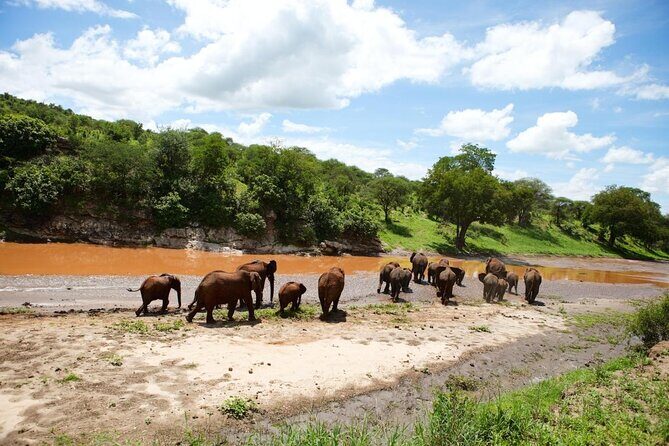
- Tarangire’s elephant density is a big deal, with baobab and acacia scenery around you
- Ngorongoro’s crater geography (a bowl about 265 sq km, with sides ~600m deep) concentrates wildlife
- Cultural time included through village experiences in the wider route
- English/Spain/French support and drinking water included make long days more manageable
Why Tarangire and Ngorongoro in 48 Hours Works
If you’ve only got a couple days in northern Tanzania, this route makes sense. Tarangire and Ngorongoro are very different ecosystems, so you’re not doing a lot of repeating landscapes. On top of that, Ngorongoro Crater is described as a place with year-round wildlife viewing, which helps when you’re working with limited time.
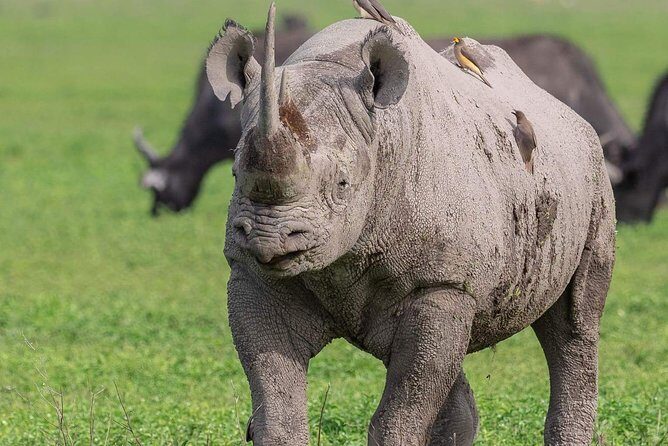
The other reason it works is sheer probability. In a single-day crater drive, you have a realistic chance at major sightings. The tour description specifically points to Big Five potential and calls out black maned lion, endangered rhino, and elephants as part of what you might see. That doesn’t mean you’ll get every animal, but it does mean the plan is built around where wildlife concentrates.
This is the kind of safari that suits first-timers, too. You’re not spending weeks learning logistics. Instead, you’re trusting the route, the timing, and the guide’s ability to get you to productive areas while still keeping the pace reasonable for two days.
A few more Arusha tours and experiences worth a look
Small-Group Safari Logistics from Arusha (Max 6)
The tour starts in Arusha, with pickup offered, and the day begins at 7:00 am. The plan ends back in Arusha City, which matters if you’re trying to line up airport time or a separate sightseeing day.
The group size is maximum six travelers, which is a sweet spot. Large safaris can feel like you’re constantly waiting your turn—small-group safaris feel more like a shared outing. You can ask questions without shouting across vehicles, and you’re less likely to lose the rhythm of the guide’s explanations.
You’ll travel with a professional driver/guide who speaks English, Spain or French. That language detail is more important than it sounds. During game drives and crater drives, quick communication about where you are and what you’re seeing can make the difference between a good sighting and a miss.
Also: drinking water is included, and the tour provides a sleeping bag. Lodges and park conditions vary, but having a sleeping bag included reduces one more thing you’d otherwise need to pack.
Finally, you get a mobile ticket, and confirmation happens at booking. That doesn’t guarantee a smoother trip by itself, but it does cut down on the “what do I show at the gate?” stress.
Day 1 in Tarangire: Baobabs, Acacia, and Elephant Density
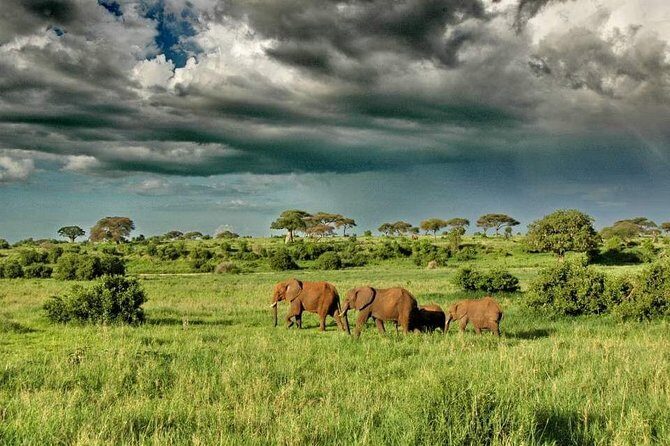
Tarangire National Park is roughly 118 km southwest of Arusha, and it feels visually distinct right away. The tour description highlights sparse vegetation with baobab and acacia trees—so you’re likely to spot animals sooner because there’s less thick cover.
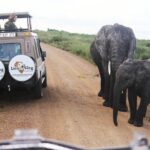
Here’s why Tarangire is the smart first day: it’s described as the Tanzania park with the highest population density of elephants outside the Serengeti ecosystem. If seeing elephants is on your checklist, this is the route that boosts your odds.
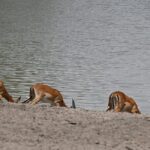
Tarangire is also pointed out for a strong mix beyond elephants. The wildlife list includes buffalo, impala, gazelle, giraffes, and birdlife like the Kori Bustard. That variety helps because even if the elephants decide to keep moving, the drive still has plenty to catch your eye.
Timing-wise, you’re looking at a game drive and walking safari component, around six hours with admission included. Walking safaris sound bold, but they’re usually best when you keep a few expectations straight. A walking component tends to be slower and more about noticing tracks, behavior, and birds. It’s not just about adrenaline; it’s about reading the landscape.
The tour also mentions day trips to Maasai and Barabaig villages. If you’re hoping to see culture beyond the roadside, this is where that happens in the wider plan. One practical tip: village visits can change based on the day’s scheduling, so ask your guide what’s planned when you first meet.
One more perk of starting with Tarangire: you’ll likely get your safari bearings early. After a first day of wildlife spotting, you’re more tuned for what to look for on crater day.
Tarangire-Style Game Drives: How to Make Wildlife Sightings More Likely
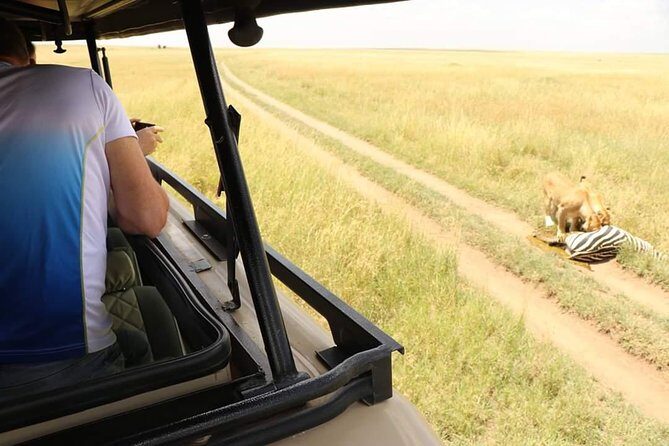
Even with a good route, wildlife spotting has an element of timing. Tarangire’s sparse vegetation is helpful, but your success also depends on how you use the drive time.
Here’s what I recommend mentally:
- Look for patterns, not just individuals. Herd movement, watering areas, and shaded routes often tell you where animals will show up.
- Keep your eyes working even during “quiet” stretches. Birds and smaller grazers often appear before bigger mammals.
- Ask your guide for short, clear cues. With a guide who speaks your language, you can quickly understand what they’re targeting next.
This is where small-group format matters. With fewer people, it’s easier for the driver/guide to manage sight lines and reposition without feeling rushed.
And if you’re taking photos, remember crater and bush light can change fast. Save battery, keep your lens clean, and be ready when a herd suddenly appears.
Overnight Setup: Arusha Hotels Before Safari and Safari Lodges During
This tour includes accommodation in two phases: before safari in Arusha and while on safari.
Before you head out, you stay at one of these Arusha options: Gateway/Charity/Karibu Heritage/Diplomat Hotel. During the safari portion, the lodging is listed as Fig big tree / Ngedere / Kizumba / Sunbright-Logde.
That means the “style” of your stay may vary depending on what’s available when you book. For many people, that’s totally fine—what matters most is that the itinerary accounts for the stay and meals rather than forcing you to find last-minute hotels.
Meals are included: you get dinner on Day 1, plus breakfast and lunch within the plan, and then another dinner later. The tour lists 2 breakfasts and 2 dinners, with 1 lunch inside the main schedule.
The sleeping bag inclusion is another practical touch. Even if you’re in a lodge, you might still appreciate having it on hand for comfort and temperature variation.
If you’re the type who wants a predictable comfort level, I suggest you confirm your exact hotel/lodge name after booking so there’s no guessing.
Day 2 Ngorongoro Crater: The Bowl That Concentrates Wildlife
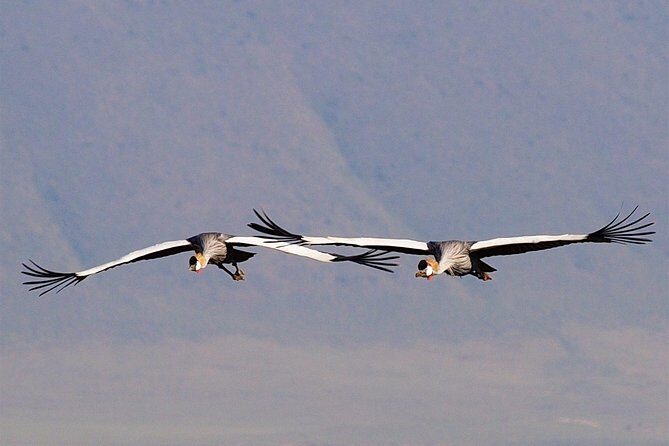
Ngorongoro Crater is a volcanic caldera described as a bowl roughly 265 sq km with sides about 600m deep. The tour also notes the broader area size (listed as 8228 sq km) and places the crater about 180 km west of Arusha, north of Karatu and to the east of Serengeti National Park.
The main reason this matters: a crater is a natural “container.” The tour highlights multiple habitats inside—grassland, swamps, and lake areas—so animals can graze, drink, hide, and move within a confined space.
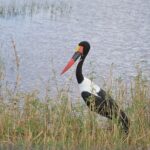
The tour also calls out Lake Makat, explaining that it’s a Maasai word meaning salt. It’s filled by the Munge River and is described as a hotspot for birds, including flamingos. Even if you’re mainly focused on the big mammals, the lake area can add variety and photo opportunities.
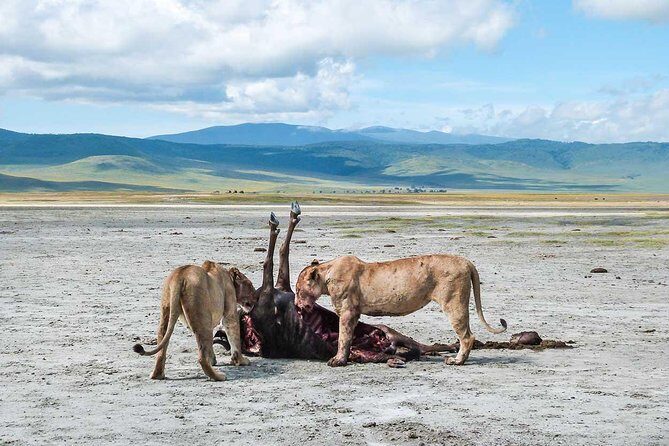
Wildlife inside the crater is also described as consistent enough for year-round viewing, which is part of why this is a go-to safari destination. In a single day, the tour description says you may expect Big Five viewing, including black maned lion, endangered rhino, and elephants.
So what does the drive feel like? Expect a change in rhythm from Tarangire. Tarangire can feel spread out; Ngorongoro often feels concentrated. When wildlife shows up in a crater, it can feel like the whole ecosystem is working at once—grazers where the habitat suits them, predators where prey funnels, and birds where the water pulls them in.
The Crater Experience: How to Think About Big Game Odds
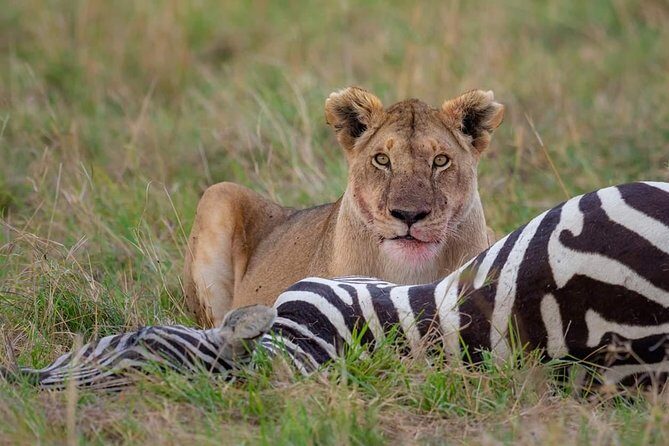
Let’s keep it real. Even with a strong plan, sightings aren’t guaranteed. But Ngorongoro is set up to maximize your chance within time limits.
Here’s how to interpret the tour’s promise:
- Big Five potential is about probability, not a checklist you can tick off.
- The crater’s habitats create more “chances” because animals can use different zones rather than relying on one kind of ground cover.
- The lake and swamp areas can bring birds and other wildlife into clearer view, depending on timing.
If you’re trying to get the best from your day, treat the crater like a moving observation deck. Spend your attention where the guide points, and don’t ignore smaller moments. Sometimes the first sign of bigger things is the behavior of grazers and the attention birds draw to a specific location.
And this tour’s small-group size helps here, too. You’re less likely to lose the guide’s instructions when the vehicle is rearranging for a better view.
What You Get for the $490.93 Price (and What You Still Need to Budget)

The listed price is $490.93 per person for a 2-day safari out of Arusha. Whether it’s a good deal depends on what you’d otherwise pay if you booked everything separately.
In your favor:
- Meals and accommodation are included (not just one park meal).
- Park admissions are included for Tarangire National Park and Ngorongoro Crater.
- All fees and taxes are included, which reduces the “surprise invoice” problem.
- You also get drinking water and a sleeping bag.
- The tour includes airport pickup (and pickup offered).
In plain terms: the price isn’t just for the vehicle. It’s for the whole package that often costs extra when booked piece by piece.
Not included items you should plan for:
- Tips for the driver/guide and safari cook
- Travel insurance
- Visas
- International flights
- Anything labeled as personal nature
Also note: the tour description mentions “Other dietary requirements on request.” That’s helpful, but it’s still something you’ll want to confirm early so you’re not trying to solve it mid-trip.
If you’re someone who hates scrambling, paying once and getting the admissions and food settled is where the value shows.
Culture Stops Without Taking Over Your Whole Trip
This safari isn’t only about driving and wildlife. The inclusions list points to Entry/Admission – Arusha Village Experience, and the Tarangire day includes day trips to Maasai & Barabaig village as part of the program.
When time is short, cultural stops can be either great or awkward. Here’s the key: in a two-day itinerary, you want visits that are short, structured, and meaningful—not extra-long detours.
Because the tour bundles admission and places it alongside safari time, it tends to feel more balanced. You’re not spending your entire day away from game drives. You also get a chance to interact with local life and not treat culture as just a quick photo stop.
Guide and Group Dynamics: How the Safari Feels Day to Day
The best safari guide does two jobs: finding animals and managing the day. In the feedback you provided, the guide Mpunda stands out by name, and the comments highlight good care plus strong wildlife fact support.
Even if you don’t meet the same guide, the tour’s promise is consistent: you get a professional guide with English, Spain, or French abilities, and the plan is built around smooth driving and structured time.
With a max of six travelers, it’s easier to ask for context while you’re in motion. You’ll likely spend less time waiting at the vehicle edge and more time actually watching. That matters on crater day when things move fast and you don’t want to miss your best chance.
Group safaris can still be social, and that’s a plus if you like sharing the experience. But the real win here is less about meeting people and more about keeping the safari rhythm intact.
Who This Safari Suits Best (and Who Might Want a Different Plan)
This two-day safari is a strong fit if:
- You’re short on time and want Tarangire + Ngorongoro without jumping through travel planning hoops.
- You want a smaller group (max six) instead of a bigger bus-style safari.
- It’s your first safari and you like the idea of guided game drives and at least one walking safari component.
- You care about elephant country and want to start there.
It might be less ideal if you:
- Want a very relaxed pace with lots of downtime. This is scheduled and active.
- Prefer multiple full-day parks without the intensity of a tight itinerary.
- Need a guarantee of a specific lodge/hotel brand category (since the listed options can vary).
Should You Book This Tarangire and Ngorongoro 2-Day Tour?
I’d book it if your goal is high value and high odds for major wildlife in a short window. The combo of elephant-focused Tarangire, crater concentration on Ngorongoro, and an all-in bundle of meals, admissions, and lodging makes this feel like a “clean” way to do northern Tanzania.
Before you book, I’d do three practical checks:
- Confirm which Arusha hotel and which safari lodge you’ll get (the list shows multiple options).
- Tell the operator about any dietary needs early.
- Plan for tips and visas separately, since those aren’t included.
If that works for your style, this is a smart way to see a lot without turning your trip into logistics homework.
FAQ
How long is the Tarangire and Ngorongoro tour?
The tour is listed as 2 days (approximately).
Where does the tour start and end?
It starts in Arusha, Tanzania, with pickup offered, and it ends in Arusha City.
What group size should I expect?
This experience has a maximum of 6 travelers.
What is included in the price?
Meals (dinner, breakfast, and lunch), accommodation before safari and while on safari, entry/admission to Tarangire National Park and Ngorongoro Crater, admission to Arusha Village Experience, drinking water, a sleeping bag, and all fees and taxes are included.
Are park admissions included?
Yes. Entry/Admission is included for Tarangire National Park and Ngorongoro Crater.
What is the cancellation policy?
Free cancellation is available up to 24 hours in advance for a full refund. If you cancel less than 24 hours before the start time, the amount paid is not refunded.