REVIEW · ARUSHA
4 Days safari Tour Tanzania
Book on Viator →Operated by Serengeti Wakanda Tours & Safaris · Bookable on Viator
A safari is short. But the memories feel huge. This 4-day Northern Tanzania route strings together Tarangire, Serengeti, and Ngorongoro Crater for serious wildlife time, not just a drive-by. You’ll also get the practical perks that make a safari easier: a modern 4×4 pop-roof vehicle, pickup, and meals handled from start to finish.
What I like most is the combination of game drives from an open vantage point and the way this trip takes care of the day-to-day stuff (including camping equipment). You’ll also get wine and beer included with the meals, which is a nice touch after long days in the bush. One thing to consider: the days start early and you’ll be in the vehicle for long stretches, including a bumpy road segment, so it helps to pack for comfort and embrace the pace.
In This Review
- Key highlights worth getting excited about
- What you really get in a 4-day Northern Safari
- Price and value: why $1,650 can make sense here
- Tarangire National Park: baobabs, elephants, and a river picnic
- Serengeti on the move: bumpy crater roads and golden-hour drives
- Sunrise Serengeti and the long day to Ngorongoro
- Ngorongoro Crater: descending for rhino, flamingos, and big herds
- Camps, lodges, and the included food (yes, beer and wine)
- How to spot more wildlife from a pop-roof jeep
- Safety, comfort, and pace: what a 7:30 start really means
- Who this safari fits best
- Should you book this 4-day safari?
- FAQ
- What parks are included in this 4-day Tanzania safari?
- Where does the safari start from?
- What time does the safari start?
- What vehicle will you use for game drives?
- Are meals included?
- Is camping equipment included?
- Is admission to the parks included?
- Are drinks included?
- What’s not included in the price?
- Is there free cancellation?
Key highlights worth getting excited about
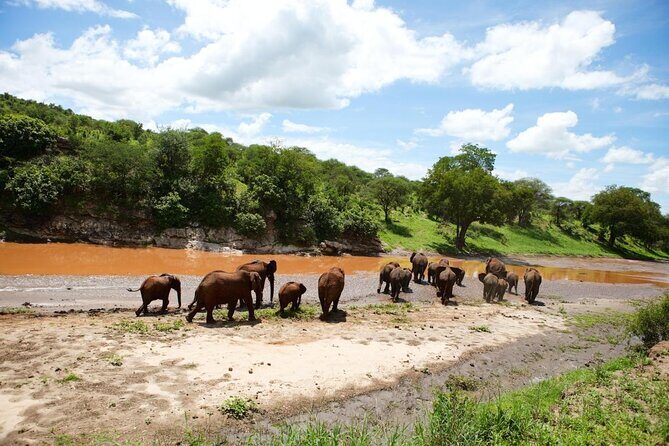
- Big cat and herd chances in Tarangire: elephants, giraffes, and baobab scenery, plus a river-area picnic stop
- Serengeti drives at sunset and sunrise: animals tend to be most active when the light is right
- Ngorongoro descent for rare species: strong odds for seeing wildlife concentrated in the crater
- Pop-roof 4×4 viewing: better sightlines when you spot motion across the grass
- Meals plus camp setup handled: all meals are included, and camping equipment is supplied
- Private group experience: only your group participates, so the schedule feels more flexible
What you really get in a 4-day Northern Safari
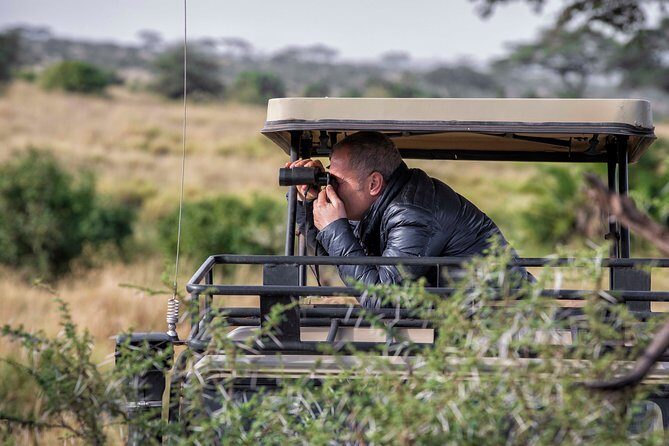
This isn’t the kind of safari where you spend hours on the road with just a few minutes of wildlife spotting. The route is built around three powerhouses of Northern Tanzania, and the timing is designed to catch animals when they’re moving and feeding. Tarangire brings elephants and baobabs; Serengeti brings scale and the classic plains feel; Ngorongoro Crater gives you that crater-with-everything-in-one-place feeling.
Also, the “logistics load” is low. You don’t need to arrange camping gear, and you’re not left figuring out meal timing while you’re trying to stay alert for animal sightings. If you want a safari that feels adventurous but not chaotic, this format is a solid match.
And you’re doing it in a pop-roof 4×4. That matters more than people think. When you’re sitting high and open, your eyes catch movement fast, and you don’t have to fight awkward angles through a window. Safari spotting becomes less of a guessing game.
A few more Arusha tours and experiences worth a look
Price and value: why $1,650 can make sense here
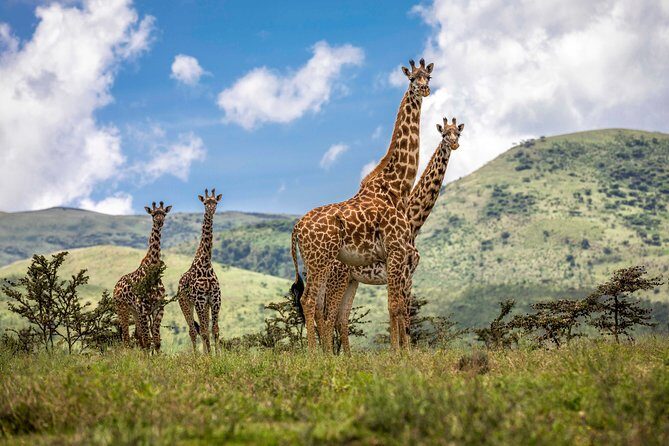
At $1,650 per person, this is not a “budget safari.” But you’re also not paying for empty time. The price bundles in several items that usually show up as add-ons on many trips: a professional driver guide, a pop-roof safari vehicle, binoculars, camping equipment, and all meals for the days you’re out. The itinerary also runs through major national parks where entry fees are handled (the park admission is marked free/included across the days).
Then there are the small-but-real comforts: you’re provided dinner on the nights you’re camping/lodging, and wine and beer are included. That doesn’t sound like “wildlife,” but it changes the vibe at camp. After a long drive, you want a hot meal, not another chore.
A fair way to think about value: you’re paying for fewer personal responsibilities and more structured wildlife time. If you’ve ever planned your own camping safari and spent energy on gear, logistics, and meal planning, you’ll recognize why a packaged setup costs what it costs.
Tarangire National Park: baobabs, elephants, and a river picnic
Your first full wildlife day centers on Tarangire National Park, which is famous for elephant herds and baobab trees—those ancient, chunky giants that look like they’re drawn by a fantasy illustrator. Even when you’re not seeing animals instantly, Tarangire still delivers because the scenery and the ecosystems change as you move through swamps, savanna, and the Tarangire River area.
The drive begins with pickup from your hotel, then you head out for around two hours to the park area. Once you’re there, the best part is the variety: birds, giraffes, impalas, zebras, warthogs, and the big carnivores you’re hoping to spot. The itinerary is set up for a day of steady game viewing, not a single quick loop.
Lunch is a standout. You’ll stop for a picnic lunch at a site with a great view. That’s not just food; it’s a chance to slow down, get oriented, and watch the area around you for activity while you eat. In safari country, animals don’t always show up on schedule, so having a scenic, stationary moment helps your odds.
One practical drawback: Tarangire days can be hot and dusty, and you’ll be outside around game drives. Bring sun protection and plan on wearing layers that can handle dust.
At the end of the day, you’ll head to Fig Tree Lodge for dinner and overnight. That hotel stop matters because it gives you a firmer base before the next day’s Serengeti stretch.
Serengeti on the move: bumpy crater roads and golden-hour drives
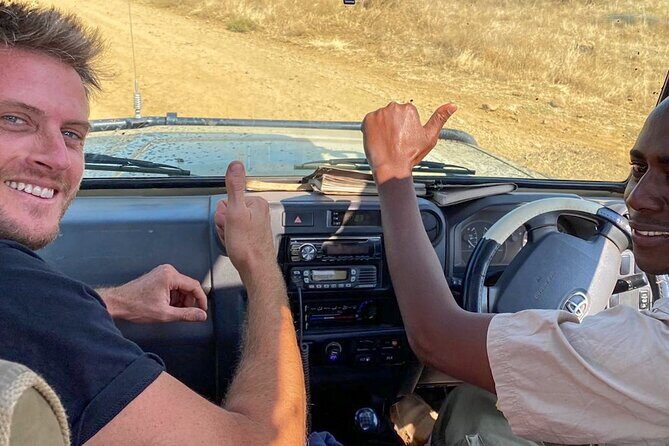
After breakfast, you move toward Serengeti National Park. The road transfer is about 4–5 hours, described as long and bumpy. That’s a heads-up, not a dealbreaker. It just means you should be ready for a moving day and not expect the ride to feel like a city commute.
What makes this section worthwhile is the gradual shift in scenery as you drive up toward crater highlands and then down onto the wide Serengeti plains. Even before the game drives start, the drive is part of the experience. You’re essentially transitioning ecosystems, and that helps when you’re mentally switching from Tarangire’s river-and-baobab vibe to Serengeti’s open grassland feel.
Lunch is handled with a picnic stop en route. Then you check into the park for an afternoon drive, and the day includes a sunset drive. This is one of those “small timing details” that makes a big difference. As the light changes, animals often become easier to spot, and their behavior shifts.
At the end of the day, you proceed to Seronera campsite for dinner and overnight. Seronera is a common base for Serengeti access because it puts you close to a large chunk of where wildlife activity concentrates.
The main trade-off here is fatigue. You’re packing transfer time plus an afternoon drive. If you get car-sick easily, consider bringing motion-sickness support and keep water in easy reach.
Sunrise Serengeti and the long day to Ngorongoro
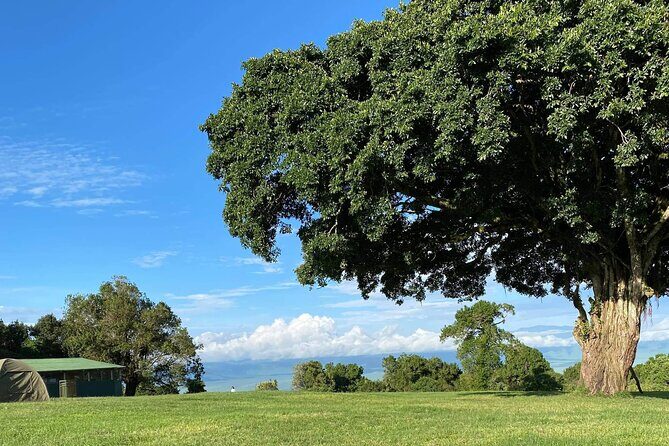
Day three starts early, around 6 a.m., for a sunrise game drive. This is the part of safari planning that you’ll be glad you followed once you’re out there. Early light tends to bring animals into more visible movement, and you’ll often feel the grasslands wake up slowly around you.
After the morning drive, you’ll stop at a picnic site for breakfast in the bush. That’s a nice rhythm: you’re not just hunting animals while hungry and restless. Breakfast while you’re in the habitat keeps the day from feeling like one long chase.
Then you continue with game viewing and return to camp around noon for a hot lunch. After lunch, the vehicle loads up and the trip continues onward to Ngorongoro for dinner and overnight at Simba campsite.
This is a long day by design. You’re getting both the best early wildlife window and then the move to the crater environment, which sets you up perfectly for the next morning’s big moment. The drawback is that you won’t have “free time.” If you enjoy downtime, you’ll want to build that into the days before or after your safari.
A few more Arusha tours and experiences worth a look
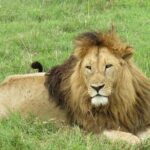
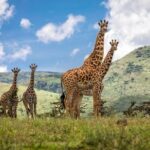
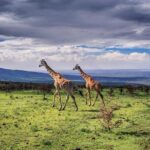

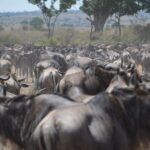
Ngorongoro Crater: descending for rhino, flamingos, and big herds
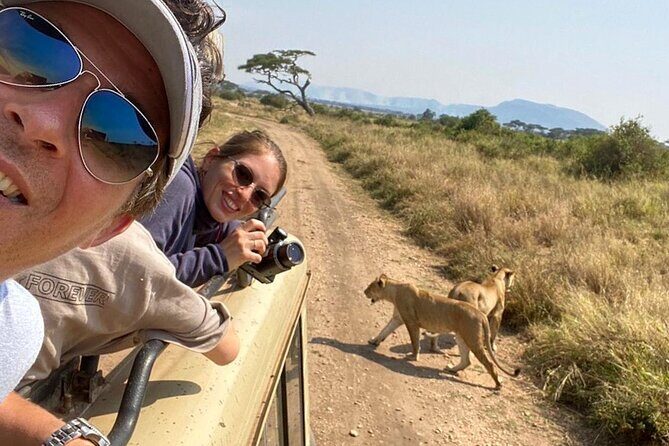
Ngorongoro Crater is where people often feel the safari clicks into another gear. You wake up for an early morning drive, then you descend into the crater where—according to the tour description—almost all species of wildlife indigenous to East Africa can be found. The crater is also highlighted as a place with a high concentration of wildlife, and it’s specifically connected here with the chance to see black rhino.
The crater environment is also described in detail because it’s not just “one habitat.” You’ll see a river, swamps, a soda lake, forest areas, and open plains. There’s even mention of a soda lake that looks like steam from the top, plus flamingos around the water. That’s why Ngorongoro is special: you get different “micro-settings” inside one single dramatic bowl.
After about five hours of game drive, you’ll head back toward Arusha and your safari ends. If you’re planning your next steps after the safari, I’d keep them flexible. You’re finishing after an early day, so you’ll likely want a relaxed evening once you’re back on solid ground.
A practical note: crater descents and wildlife viewing happen at different temperatures than the rim, so pack for cool mornings and warmer daytime conditions.
Camps, lodges, and the included food (yes, beer and wine)
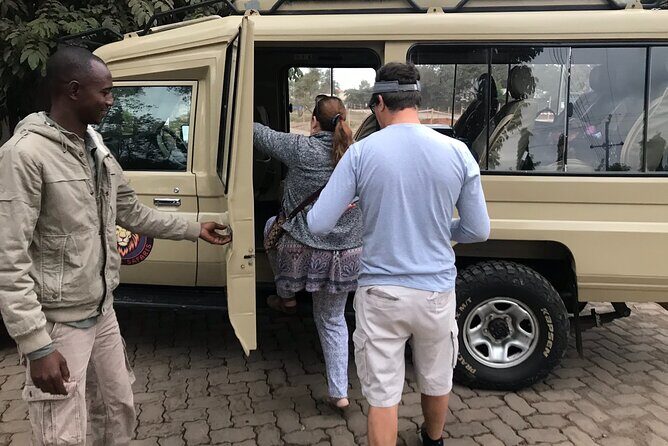
Food is more than fuel on this kind of trip. You’re out in the open for hours, so meals become part of how you stay energized and sane.
This safari includes breakfast each morning and lunch during the day, plus dinners on the nights you’re sleeping in the bush setups (three dinners are included). There’s also a clear promise: meals can be catered to your dietary requirements if you communicate in advance. That’s worth taking seriously—tell them early, not at the last minute.
Wine and beer being included is also a real comfort lever. After a long drive day, it makes camp feel like a celebration instead of a checkpoint. Just keep your safety in mind if you’re drinking—safari days still require good judgment, especially when you’re getting up early.
Camping equipment is supplied, which is another big value point. Even if you love camping, organizing gear in advance for a short safari can be a hassle. Here, you’re set up so you can focus on being outside.
About camp comfort: some of the feedback I’ve seen points to campsites that are clean and that may offer WiFi. Since it’s not guaranteed in the trip facts, treat it as a possible bonus, not a requirement. Don’t plan your whole trip around uploading photos.
How to spot more wildlife from a pop-roof jeep
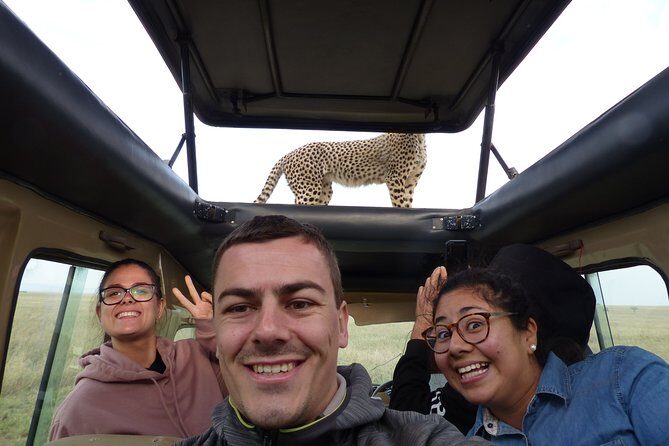
The vehicle setup isn’t a gimmick. A pop-roof 4×4 jeep gives you a better scanning height and easier spotting for animals on the move. It also helps for group spotting: you can point without shouting, and your guide can stop quickly when someone sees motion.
Binoculars are included, which matters because safari viewing often includes animals that are farther than you expect. With binoculars, you can switch from “I think I saw something” to “I’m sure that’s a….” That turns moments into memories.
Your guide’s role also matters a lot. From the names that show up in feedback—people have praised guides such as Max, Zepha, Filex, Elikana, Andersson, and Edward for spotting animals and managing the timing of drives. While your exact guide can vary, the consistent theme is route skill and practical driving.
One more thing: safari success isn’t only about seeing the rare species. You’ll also enjoy the steady parade of everyday animals. Impalas, zebras, giraffes, and elephants may be common, but their behavior is the drama. Watch how they move, how predators position, and how the whole scene changes with the light.
Safety, comfort, and pace: what a 7:30 start really means
This tour’s start time is listed as 7:30 am, with sunrise drives on specific mornings. That means you should treat mornings as serious safari time, and your evenings as recovery time.
The route uses long drives—especially the transfer toward Serengeti—and the description calls it bumpy in places. You’ll be in a vehicle for extended stretches, so comfort prep helps: bring sun protection, stay hydrated, and consider what you wear in dust. If you’re the type who hates being uncomfortable, this safari may feel intense. If you’re the type who can handle a few rough edges for wildlife time, you’ll likely love it.
On the good side, the professional driver guide and modern vehicle setup are there for a reason. They manage routes, keep you safe, and help you get the most viewing out of each stop.
Tips aren’t included, so you’ll want to plan a budget for that. If you forget to do it ahead of time, it can become a last-minute stressor.
Who this safari fits best
This is a strong fit if you want a Northern Tanzania “greatest hits” trip in a manageable amount of time. Four days gives you enough variety without turning the whole trip into transit.
It also fits people who:
- Want a private experience with pickup included
- Prefer a guided schedule rather than building their own route
- Like the idea of camping setups with equipment provided
- Care about food being handled, including dietary needs
It’s also a good honeymoon-style route, based on the vibe of the camps and included meals. And it works for mixed travel styles: you can be focused on wildlife, but you also get enough structure to enjoy meals and rest.
If you dislike early mornings or you want lots of downtime each day, you might feel the pace more than others.
Should you book this 4-day safari?
I’d book this if your top priorities are wildlife time, variety across Tarangire, Serengeti, and Ngorongoro, and a trip that reduces planning headaches. The included meals, camping equipment, pop-roof 4×4, and park access are the kind of packing list and “day plan” items that often become expensive or annoying when you DIY.
I would pause and think twice if you’re very sensitive to bumpy roads, or if you want a trip with minimal driving and lots of free time. This safari is built around momentum.
One final “decision helper” question: do you want the crater moment of Ngorongoro with its described mix of habitats and high wildlife concentration? If yes, this 4-day structure is one of the more efficient ways to get there without stretching the trip into a longer commitment.
FAQ
What parks are included in this 4-day Tanzania safari?
You’ll visit Tarangire National Park, Serengeti National Park, and Ngorongoro Crater.
Where does the safari start from?
The tour is based in Arusha, Tanzania, and pickup is offered from your hotel.
What time does the safari start?
The start time is listed as 7:30 am.
What vehicle will you use for game drives?
You’ll drive in a modern 4×4 pop-roof safari jeep.
Are meals included?
Yes. Lunch, breakfast, and dinner are included as listed for the days during the safari, and dietary requirements can be catered to if communicated in advance.
Is camping equipment included?
Yes. The safari supplies camping equipment to reduce the hassle of organizing your own.
Is admission to the parks included?
Park admission is marked as free for days 1 to 3, and included for day 4 as shown in the tour information.
Are drinks included?
Wine and beer are included.
What’s not included in the price?
Tips and gratuities are not included.
Is there free cancellation?
Yes. Free cancellation is available up to 24 hours before the experience’s start time for a full refund.