REVIEW · ARUSHA
4 Days Group Camping Safari
Book on Viator →Operated by Suricata Safaris · Bookable on Viator
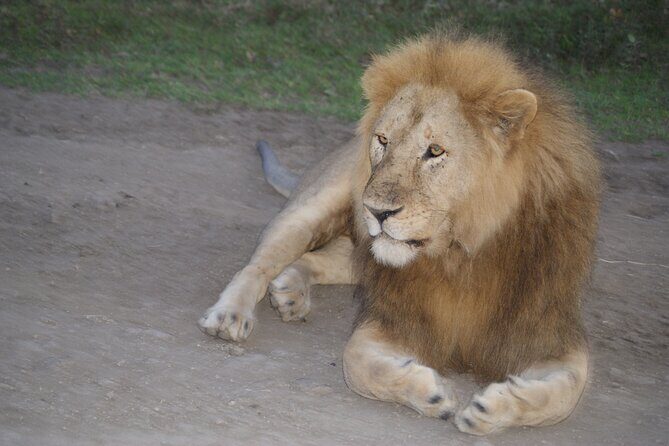
One good safari beats ten good photos. This 4-day camping safari packs Tarangire, Serengeti, and Ngorongoro Crater into a tight plan with multiple game drives and time to learn from your guide. You’ll be looking for lions, elephants, zebras, giraffes, buffalo, and hippos, plus the kind of predator moments that happen fast and then disappear.
What I like most is the focus on small-group attention and the practical rhythm of the days: you wake up early when it matters, drive when wildlife activity is higher, and still get camp meals and downtime at the end of each day. I also like that camping gear and meals are included, so you’re not piecing together logistics while you’re in the parks.
One thing to consider: this is camping safari comfort, not hotel comfort. The camp setup is basic, tents may feel tight, and sleeping conditions can be rough-and-ready, so pack accordingly if you’re sensitive to comfort.
In This Review
- Key things to know before you go
- Why this 4-park sprint works in only 4 days
- Day 1: Tarangire National Park for elephants and baobabs
- Day 2: Serengeti with the Seronera River in focus
- Day 3: Early drive timing, then off to Ngorongoro
- Day 4: Ngorongoro Crater descent and Lake Magadi
- Camping setup: basic comfort, included gear, and what to pack
- Guides, game drives, and how sightings actually happen
- Price and value: is $900 for 4 days fair?
- Who this safari fits best
- Should you book this 4-day group camping safari?
- FAQ
- How long is the safari?
- Where does the safari take place?
- What parks will I visit?
- Is pickup included?
- What’s the group size?
- Are meals included?
- Is camping gear included?
- Are there UNESCO World Heritage sites on the route?
- What kinds of animals might I see?
- When is the best time to spot lots of wildlife at Tarangire?
- What’s the cancellation policy?
Key things to know before you go
- Max 6 travelers means more eyes scanning the plains and fewer “wait-your-turn” game drives
- Three major parks in four days keeps the variety high: elephants in Tarangire, big plains in Serengeti, crater wildlife at Ngorongoro
- Included meals and camping setup reduce your day-to-day planning stress
- Your guide explains the ecosystem so you’re not just chasing sightings—you learn what you’re seeing
- Ngorongoro’s 600-meter descent is a whole vibe change, with dense wildlife and predator chances
Why this 4-park sprint works in only 4 days
Tanzania’s wildlife is big. Distances are big too. So the smartest way to do “big scenery + real animals” without losing days to transit is a tight circuit—and this one is built for that.
You’ll start in Arusha and then roll into Tarangire, move into the Serengeti plains, and finally tackle Ngorongoro Crater. The value here isn’t just the price; it’s that you’re buying concentrated park time. With multiple game drives each day (and early starts when it’s offered), you get more chances to actually see animals rather than just driving through.
That small group size matters more than people expect. When you’re in a vehicle with fewer passengers, it’s easier for your guide to manage positioning, adjust for sightings, and keep the group together. You also tend to get more personal guidance about where to look and what behaviors signal action.
A few more Arusha tours and experiences worth a look
Day 1: Tarangire National Park for elephants and baobabs
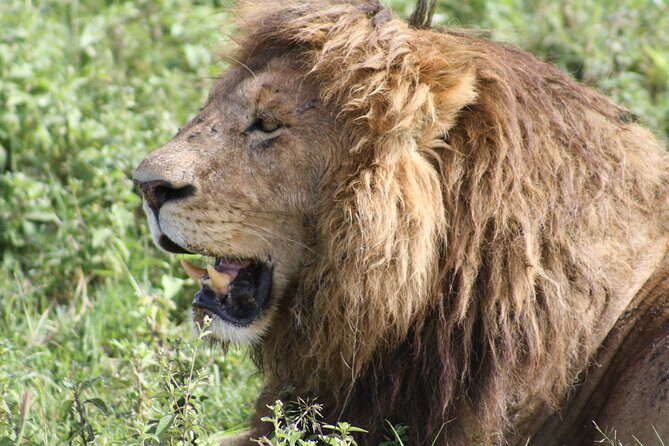
You depart from Arusha between 08:30 and 09:00 after breakfast. Then your private guide picks you up and you start in a private 4×4 safari vehicle—a nice setup because you’re not stuck “sharing” your day with strangers who arrived late or don’t care where they sit.
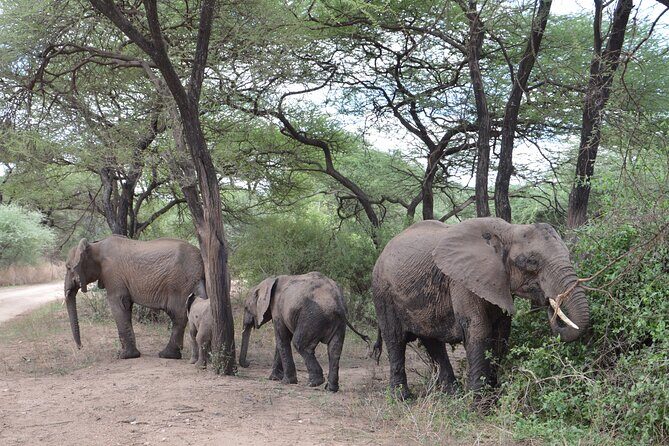
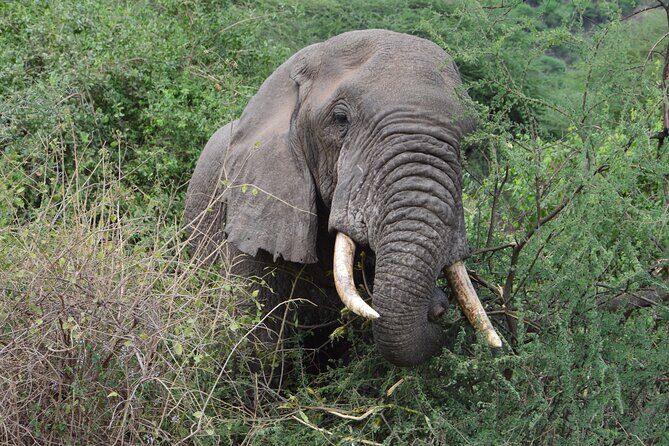
Tarangire is your first stop, and it’s a smart first day choice. The park is known for its high-density elephants and baobab trees, which means you’re often looking at animals framed by classic, almost movie-like vegetation.
After arriving at the lodge for lunch, you get an afternoon game drive. In the dry season (June to November), the park can be especially strong for wildlife clustering—large herds of zebra, wildebeest, and cape buffalo are expected then. Even outside peak timing, Tarangire’s mix of resident animals gives you steady viewing: giraffe, dik dik, impala, eland, vervet monkeys, and olive baboons are all commonly seen.
Predators are part of the conversation too. Lions, leopards, cheetahs, and African wild dogs are on the radar, along with smaller carnivores like caracal and honey badger. Real talk: predator spotting is never guaranteed, but Tarangire gives you a reasonable shot because the ecosystem supports both prey and hunters.
Practical note: an afternoon drive after a travel day is a good balance. You’re not rushed at dawn, but you still get that golden-hour feel where animals move more and you can enjoy the park atmosphere.
Day 2: Serengeti with the Seronera River in focus
After breakfast, you head to Serengeti via Karatu farmland and through the Ngorongoro Conservation Area. The road approach matters because it changes what you’re looking at. You go from higher farmlands down toward the broad Serengeti plains, where visibility opens up and animal tracking becomes a different game.
In Serengeti you’ll arrive in time for lunch, then take an afternoon game drive. The plan focuses on the Seronera area, which is known for one key resource: the Seronera River. When water is reliable, wildlife concentrates. That’s why this area is described as rich for many of Serengeti’s species—it’s less random “searching” and more “work the habitat.”
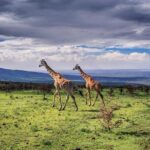
You’ll be scanning for the classic Serengeti cast: grazers across the plains, mixed herds moving through grassland, and the patterns predators use to hunt. Even if you don’t catch a dramatic kill, you’re likely to see behavior—watching how animals react to wind, vehicle distance, and each other.
One small reality check: afternoon drives can be slightly calmer than early morning. You often see more “walking and watching,” while the early hours can feel more electric. Still, this day gives you a solid first Serengeti introduction without exhausting you.
Day 3: Early drive timing, then off to Ngorongoro
Day 3 starts with a simple refreshment setup—coffee, tea, and biscuits—then you head out for an early morning drive. You’ll also have lunch boxes for game viewing from 08:00 to 14:30.
That timing is the reason day 3 can feel like the “best of both worlds” day. You’re in Serengeti during a window when animals are more likely to be active, and you get long enough on the ground to actually follow movement instead of just ticking off a checklist.
After the midday run, you depart to the Ngorongoro Conservation Area while enjoying a game drive en route. The day ends with dinner and overnight in Ngorongoro’s area.
This structure is smart. It prevents the crater from feeling like a rushed last stop. You build toward it: Serengeti first, then you transition into the crater environment where the density and terrain change the viewing experience.
If you want the “I want to see as much as possible” vibe in four days, day 3 is where the plan starts delivering hard.
Day 4: Ngorongoro Crater descent and Lake Magadi
On day 4 you’ll have an early breakfast of coffee first, and then you descend into the crater—over 600 meters down. That descent is more than geography. It changes air, temperature feel, and wildlife behavior, and your eyes adjust fast because visibility and terrain are different once you’re down in the crater bowl.
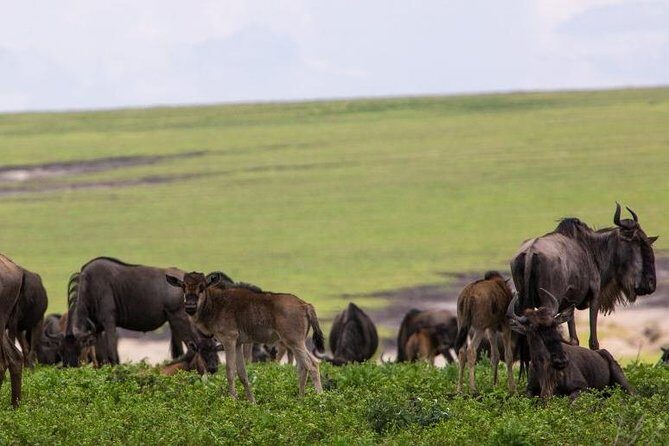
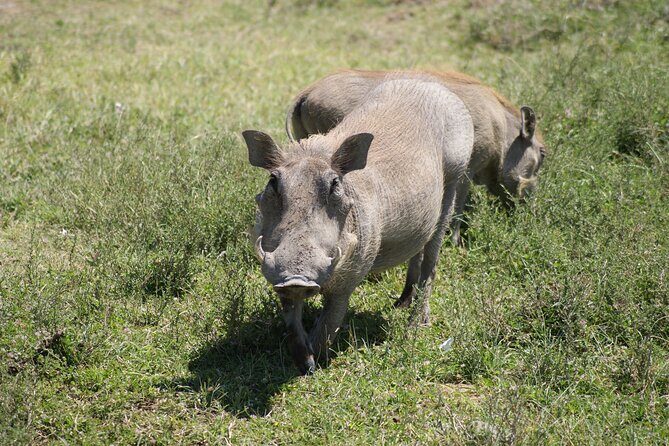
Ngorongoro Conservation Area is known for lots of wildlife in a concentrated space. The plan highlights animals including wildebeest, zebra, buffalo, eland, warthog, hippo, and even giant African elephants. That’s a heavy list, and the crater’s year-round water and fodder help explain why.
Predators are part of the game too. You’re in a region with chances for lions, hyenas, jackals, cheetahs, and a mention of the leopard, which can take more effort to spot. In other words: you’re not only looking at animals; you’re watching for patterns—when a hunting stare appears, when smaller animals freeze, when the whole scene tightens.
The plan also includes a stop at Lake Magadi, described as a large but shallow alkaline lake in the southwestern corner of the crater. It’s not just a scenic pause; crater lakes can create unique viewing situations where animals gather and move differently around the water.
Day 4 is the “big payoff” day for many people because the crater can feel like wildlife packed into one place. Just remember: it’s still nature. You might spend time looking at nothing dramatic, then have an unforgettable sighting at a distance that makes you snap your attention into place.
A few more Arusha tours and experiences worth a look

Camping setup: basic comfort, included gear, and what to pack
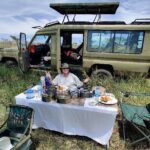
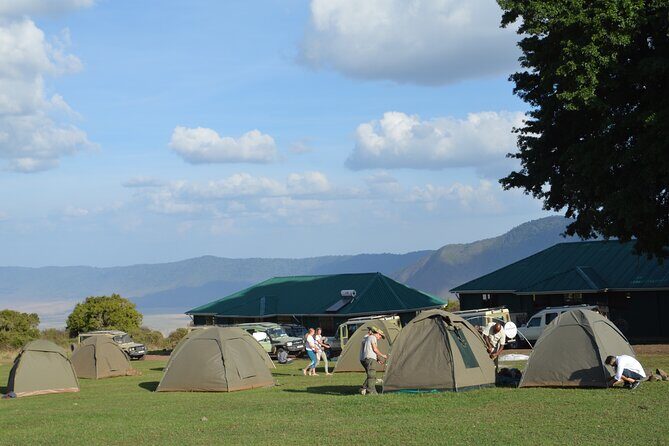
This safari is camping. That means you’re sleeping under the stars and waking up with a very different rhythm than a lodge stay. The upside is a more immersive experience. You hear the night, you feel the change of landscape through your day, and everything feels tied to the safari rather than separated from it.
Meals are included—breakfast, lunch, and dinner are part of the plan across the four days. That’s a real value point because you don’t have to negotiate food while you’re focused on wildlife drives.
Camping equipment is also included, which removes a big chunk of hassle. You’re not trying to buy camp bedding or rent supplies last minute in a country that’s already busy with safari travelers.
The tradeoff shows up in the feedback you’ll likely feel in the real experience: campsites are described as basic but sufficient, tents can feel small, and sleeping can be rough-and-ready. A practical approach is to pack for comfort even if comfort isn’t the style of the camp. Bring what supports sleep quality—especially if you’re sensitive to thin mattresses or cool nights.
Guides, game drives, and how sightings actually happen
Wildlife spotting is a mix of luck and skill. The skill comes from your guide’s ability to read the landscape, understand animal movement, and position your vehicle without wasting time.
A key theme here is that your guide teaches you about the local ecosystem. That matters because it turns sightings into understanding. When you know where water runs, what food clusters look like, and how predators track prey, you’re less frustrated when animals aren’t standing exactly where you hoped.
You may also notice the difference between a driver who simply drives and a driver who actively searches. Guides are credited with maneuvering to find animals, and specific names show up in feedback—Amir is mentioned as skilled at spotting and maneuvering for the Big Five. Mandela is also named as a driver who helped make the safari memorable. Those names aren’t a guarantee, but they show the type of competence that’s valued and rewarded on this kind of tour.
The team includes more than the driver. Tito, mentioned as the chef, is part of why many people feel the meals landed well during the trip. On safari, good food matters more than usual because you’re burning energy and sitting for long drives. If the cooking is reliable, the whole experience feels easier.
Price and value: is $900 for 4 days fair?
At $900 per person for a 4-day camping safari, you’re paying for concentrated park time and a guided setup that handles most of the heavy lifting. The plan includes meals and camping equipment, plus private 4×4 vehicle use with a small group cap.
That inclusion list affects the math. Safari costs can balloon when you start adding food, camp gear, and “optional” arrangements. Here, your money mostly goes toward park-focused time and guiding rather than constant extras.
You’re also not just visiting one park. You get Tarangire + Serengeti + Ngorongoro, which is a big deal for value in a short stay. If you’re only in Tanzania for a few days, the schedule is designed to squeeze maximum variety out of limited time.
One thing to keep in mind: camping is part of the price value. If you need a more comfortable bed and shower setup, you may find a different style of safari better matches your expectations. But if you want the classic safari rhythm, this pricing is reasonable for what’s included.
Also, the tour is commonly booked around 76 days in advance on average. That’s a clue that you should plan early—especially if you’re traveling during a popular wildlife season.
Who this safari fits best
I think this tour is especially good for:
- First-time safari visitors who want a fast hit of multiple parks
- People who enjoy camping enough to treat comfort as secondary
- Anyone who wants more guide attention thanks to the max 6 group size
- Families or small groups who want an organized plan with included meals
It might be less ideal for:
- Travelers who need spacious tents and a very quiet sleep setup
- Anyone who hates long drives, or who struggles with basic campsite living
- People expecting a hotel-level comfort package rather than camping safari simplicity
If you’re the type who remembers details like baobab tree scenery, crater wildlife density, and early-morning drive timing, you’ll likely enjoy the flow.
Should you book this 4-day group camping safari?
If your goal is to see as much wildlife variety as possible—elephants in Tarangire, the Serengeti plains in a focused area, and then crater wildlife at Ngorongoro—this tour fits the job. The included meals and camping gear, the small group, and the multiple game drives make it feel like a well-run safari plan for the time you have.
Book it if you’re ready for camping comfort that’s practical, not plush. Pack for sleep and cold tolerance, bring sun protection, and come with a patient mindset—because the best sightings often arrive when you’re paying attention, not when you’re expecting them.
If you want, tell me your travel month and whether you’re more focused on Big Five sightings or on landscapes and birdlife. I can help you sanity-check the timing and what to prioritize on this exact circuit.
FAQ
How long is the safari?
It’s listed as a 4-day tour (approx.).
Where does the safari take place?
The location is Arusha, Tanzania, with stops at Tarangire, Serengeti, and Ngorongoro Crater.
What parks will I visit?
You visit Tarangire National Park, Serengeti National Park, and Ngorongoro Crater within the Ngorongoro Conservation Area.
Is pickup included?
Yes, pickup is offered.
What’s the group size?
The maximum group size is 6 travelers.
Are meals included?
Yes. Breakfast, lunch, and dinner are included across the 4 days.
Is camping gear included?
The features list says all camping equipment is included.
Are there UNESCO World Heritage sites on the route?
Yes. The tour includes visits to two UNESCO World Heritage sites.
What kinds of animals might I see?
The plan and descriptions mention lions, elephants, zebras, giraffes, buffalo, hippos, wildebeest, warthog, and more.
When is the best time to spot lots of wildlife at Tarangire?
The information highlights that June to November dry season can bring large herds in Tarangire.
What’s the cancellation policy?
Free cancellation is available up to 24 hours in advance for a full refund.