REVIEW · ARUSHA
2 days Mid Range Safari in Ngorongoro and Tarangire Big 5 Parks
Book on Viator →Operated by Moorland Safari and Trekking · Bookable on Viator
Two parks, one early start, lots of wildlife. In a small up-to-7 person group with window seating, this safari is built for maximum animal-spotting time without the chaos. You’ll see Tarangire’s elephants and baobab country, then head into Ngorongoro Crater for a wildlife concentration that’s hard to match in just 48 hours.
I love the practical setup: an English-speaking guide takes care of the driving details, park days, and meal timing so you can focus on scanning for lions, elephants, and birds. In past trip experiences connected to this operator, guides such as David, Simon, and Nuru are called out for tracking animals and answering questions with patience, and Nasri is mentioned as the coordinating point for smooth communication.
The main trade-off is the pace. You start around 5:00am, spend long hours in a 4×4, and sleep in a provided tent with a mattress, so if you want a slow morning or hotel-style comfort, this may feel intense.
In This Review
- Key Points You’ll Care About
- Why Tarangire and Ngorongoro Work So Well Together
- Morning Logistics: 5:00am Starts, Pickup Options, and Window Seating
- Tarangire National Park: Elephants, Baobabs, and the Dry-Season “Why Here?”
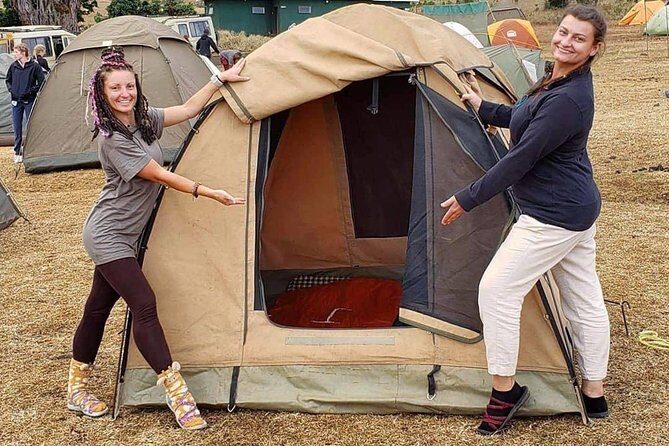
- Camping Night Included: Tent, Mattress, and How to Pack for Comfort
- Ngorongoro Crater Morning Drive: Lions, Rhinos, and 500 Bird Species
- How the Guide and Small Group Change the Game
- What You Actually Get Included (and What Costs Extra)
- Price and Value: Is $680 Fair for Two Days?
- Who This Safari Fits Best (And Who Might Want a Different Style)
- Should You Book This 2-Day Mid-Range Safari?
- FAQ
- How long is the safari?
- Where does the tour start and end?
- What time does the safari start?
- Which parks are included?
- How many people are in the group?
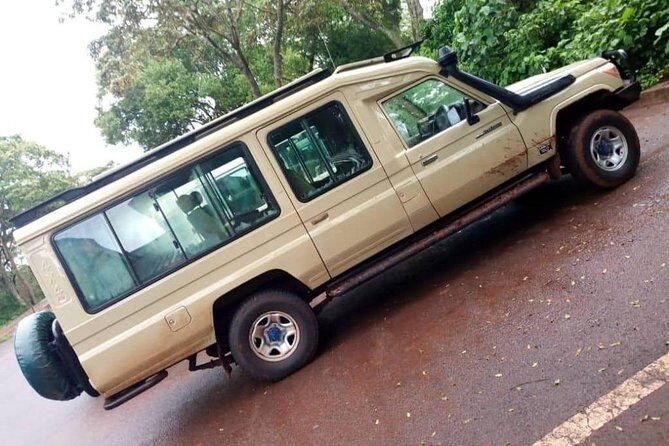
- What type of vehicle is used?
- What meals are included?
- Is camping included?
- Are park fees included in the price?
- Is there free cancellation?
Key Points You’ll Care About
- Small group size (max 7) plus window seat viewing on safari drives
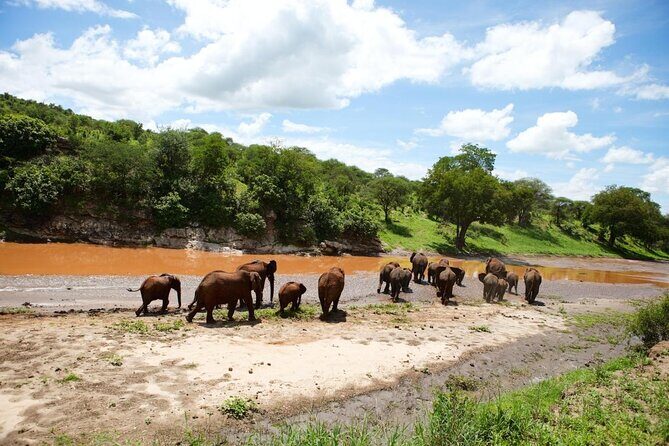
- Tarangire dry-season elephant country, with baobabs and acacia feeding zones
- Ngorongoro Crater wildlife density, including strong odds for lions and rhinos
- Birding-friendly crater day: up to 500 bird species in the conservation area
- Camping included: tent and mattress, with dinner and full meals in the package
- All park fees and 4×4 transport included, so budgeting is simpler
Why Tarangire and Ngorongoro Work So Well Together
If you only have a short time in northern Tanzania, this combo makes sense. Tarangire gives you classic elephant scenery—dry-season herds, baobabs, and lots of animals watering and moving around. Then Ngorongoro puts you in a huge natural amphitheater where wildlife gathers and the game drive feels like a living checklist.
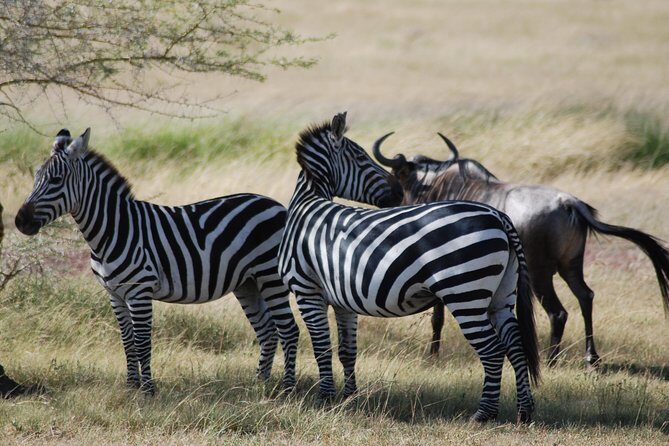
I also like how the two parks complement each other. Tarangire is more about variety in behavior—herds moving, grazing patterns, and predators working their territory. Ngorongoro is more about density: the crater is home to an estimated 25,000 wild animals, with thousands of wildebeest and zebra, plus significant numbers of lions and rhinos. In two days, that difference matters.
The other reason this tour format clicks is timing. You’re not just “seeing places,” you’re repeatedly out in the field during the part of the day when animals are most active. That’s why an early start (5:00am) isn’t just a schedule quirk—it’s how you buy more sightings per hour.
A few more Arusha tours and experiences worth a look
Morning Logistics: 5:00am Starts, Pickup Options, and Window Seating
This safari is built around very early departures. The start time is listed as 5:00am from Shoppers Supermarket in Arusha, and the tour returns you back to the same meeting point. If you’re staying in Arusha, pickup and drop-off can be arranged, which is helpful when you don’t want to fuss with taxis before dawn.
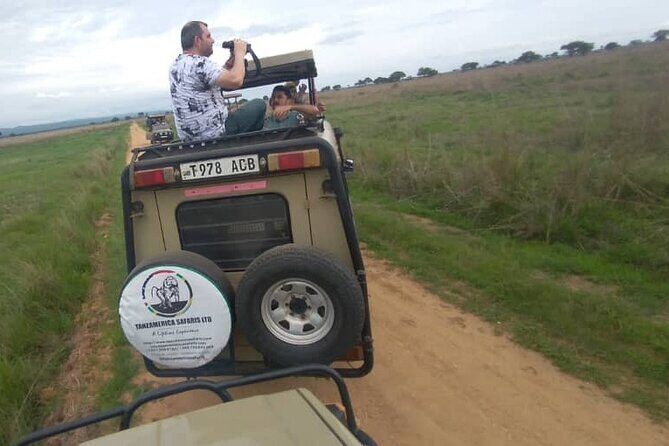
The best practical perk here is the 4×4 vehicle plus window seats. In safari country, where you sit affects what you can see and how long you can comfortably scan. With a small group, you’re less likely to deal with cramped seating or constant shuffling, and you spend more time actually watching rather than adjusting.
One more note I’d take seriously: it’s a camping night. The package includes a tent and mattress, so you don’t need to bring safari bedding gear. That said, camping can make the pace feel even more “real”—you’ll want to pack light, dress in layers, and accept that day two starts fresh but your body will still remember day one.
Tarangire National Park: Elephants, Baobabs, and the Dry-Season “Why Here?”
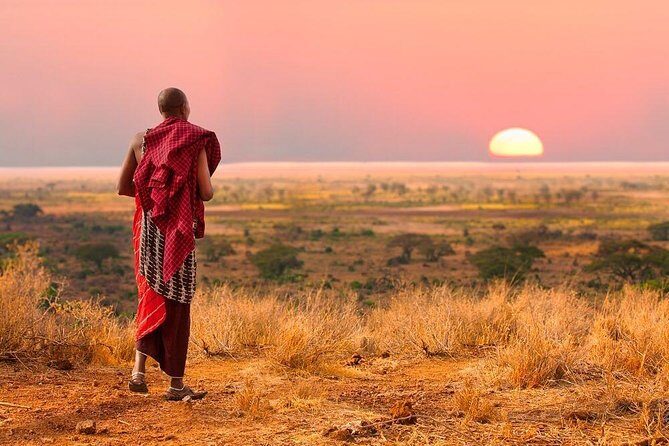
Tarangire National Park is famous for elephants, especially during the dry season. The park description points to elephants in strong numbers, and that’s the heart of what you’re booking for here. When water is limited, animals concentrate around reliable resources, which naturally boosts your chances of seeing multiple species in the same drive.
What you’ll likely notice fast is how the park looks and feels. Think baobab trees and the stripped, battered look of acacia as elephants and other animals work through the landscape. The tour also highlights the Masai steppe views and mountain scenery to the south, which gives you a sense of place beyond the vehicle window.
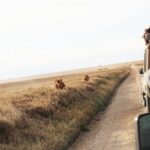
Wildlife here isn’t just elephants, though. Expect a mix: zebra, buffalo, oryxes, and sometimes lions prowling through open areas. The day is long—about 8 hours—so you’re not doing a quick in-and-out stop. You have time to drive through areas, pause, and let the day unfold instead of feeling rushed.
One consideration: because the best animal action in dry season depends on where herds are moving, sightings can never be guaranteed. Still, Tarangire’s pattern is consistent enough that a full day drive pays off more than a half-day.
Camping Night Included: Tent, Mattress, and How to Pack for Comfort
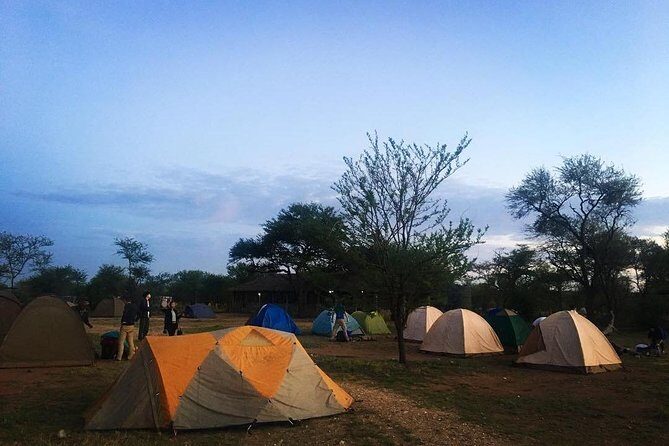
Between the two park days, you sleep on-site. Dinner is included, and you get a tent and mattress as part of the package. That’s a big value point, because it removes the usual “extra cost and hassle” that comes with adding camping to a safari.
I’d treat this night as part of the safari experience, not an interruption. Your day two will still start early, and a comfortable sleep helps you stay sharp for the crater drive. Bring a warm layer even if the daytime feels good, because nights in savannah regions can cool down. Also pack a small headlamp or flashlight for moving around at night, since you’ll be handling tent setups and walking before lights-out.
The other practical angle: camping changes the rhythm of what you’ll want to do after the game drive. You’ll probably be tired in a good way—so plan on keeping the evening simple. With meals already included, you’re not managing logistics while everyone is hungry.
Ngorongoro Crater Morning Drive: Lions, Rhinos, and 500 Bird Species
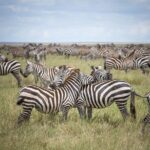
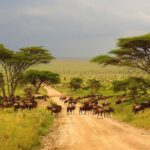
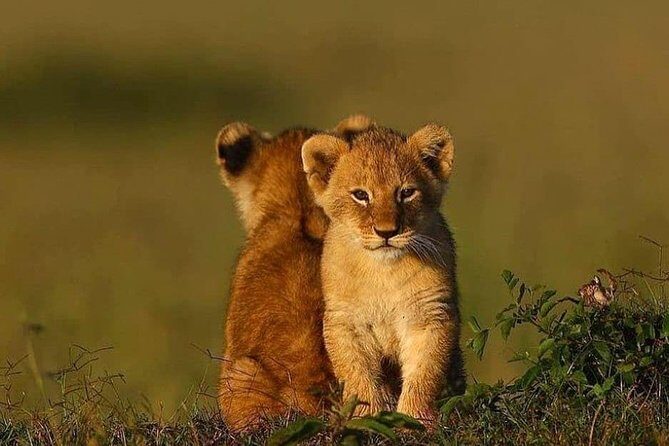
Ngorongoro is the headline, and the numbers given for the crater are part of why. The tour description estimates roughly 7,000 wildebeest, 4,000 zebra, and several thousand eland and gazelles, plus hyenas, elephants, and significant predators. Lions are listed as over 60, rhinos as 30, with lots of other species rounding out the day.
That density is exactly why the crater drive feels different. You’re not chasing one distant animal across empty ground. You’re scanning a crowded stage where different groups move through the same general area at different times. It’s also why people can check Big Five targets here more easily than in many other two-park combinations.
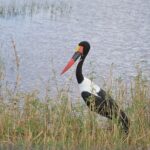
Birding is another reason this day earns its keep. The crater is highlighted as supporting about 500 bird species, including ostriches, kori bustards, and secretary birds. If you’re traveling from November to April, you also get migratory birds visiting the area, which adds a second layer to your morning beyond mammals.
There’s also a human dimension that makes Ngorongoro more than a wildlife viewing bowl. Indigenous communities are allowed to live within the conservation area, so you may see signs of shared land use while still being in a protected wildlife system. It can be a strange feeling at first—wild animals close to human life—but it’s part of how conservation works here.
Expect around 6 hours in the crater day, and the tour mentions an early coffee moment before the drive. That’s the kind of small timing detail that helps you feel ready instead of stiff and late.
A few more Arusha tours and experiences worth a look

How the Guide and Small Group Change the Game
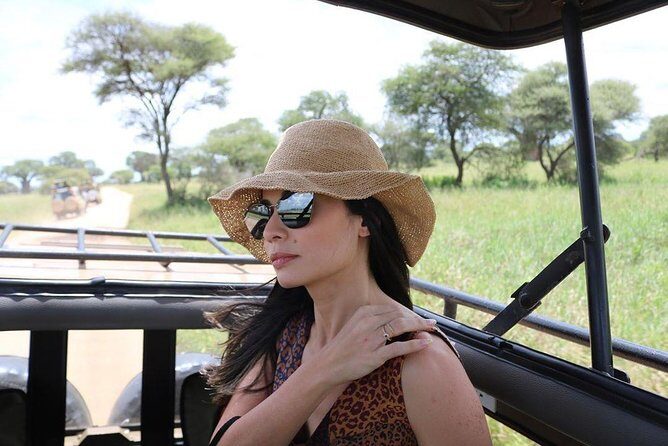
In safari country, the guide isn’t just a driver with a spotting scope. This tour is set up so your guide can make the day run—finding animals, managing timing, and explaining what you’re seeing.
The English-speaking guide is included, and the vibe in earlier trip notes connected to the operator emphasizes that guides like David, Simon, and Nuru focus on both spotting and explanation. That matters because not every animal encounter is obvious from the distance. When you understand what you’re seeing—why a herd is gathered, what a predator is doing, how birds behave—you get more out of every sighting, even when conditions aren’t perfect.
The small group size helps too. With up to 7 people, it’s easier for the guide to manage attention spans and keep everyone positioned for spotting. You’re not fighting for space near the best windows, and you spend less time waiting for someone to catch up.
This is also where the operator coordination shows up. Nasri is mentioned in communication as a point person, and that usually means fewer surprises and clearer planning before you arrive.
What You Actually Get Included (and What Costs Extra)
This package is built around “most things handled.” Included are:
- 4×4 safari vehicle transport
- Professional, English-speaking guide
- Park fees (national park fees are included)
- All meals listed in the itinerary: breakfast, lunch, and dinner
- Mineral water
- Camping: tent and mattress
- Pickup/drop-off in Arusha can be arranged
- Mobile ticket
Not included: tips. That’s normal in many safari setups, but I still like to flag it so you aren’t caught off guard when you’re budgeting at the end of the trip.
One more practical tip: pack for dawn light and long drives. The tour starts early, ends back at the meeting point, and includes two full day blocks in parks. Even if you’re in the vehicle the whole time, you’ll want sun protection, comfortable layers, and something to keep wind off your face during morning drives.
Price and Value: Is $680 Fair for Two Days?
$680 per person for a 2-day, mid-range safari can be a strong value when you look at what’s bundled. You’re paying for: park fees, 4×4 transport, an English-speaking guide, meals (breakfast, lunch, dinner), mineral water, and camping gear (tent and mattress).
Many lower-priced safaris cut corners by leaving out one or more of these items—often park fees, meals, or decent transport. Here, the inclusive structure is what you should compare against. If you priced these separately, you’d likely add up transport + guide days + park entry + food quickly.
The best way to think about it: you’re buying two full safari days with minimal admin time. If you hate coordinating details, this format helps. If you’re the type who wants a slower pace, a private vehicle, or lodge comfort instead of tent camping, you might find the cost less “worth it” emotionally, even if it’s still financially reasonable.
Who This Safari Fits Best (And Who Might Want a Different Style)
This tour fits best if you want a focused safari hit in a short window. You’ll like it if you:
- Want Big Five chances centered on Ngorongoro
- Enjoy long game drives and early starts
- Don’t mind camping as long as the tent setup is provided
- Prefer a small group with window seating
It may not fit as well if you need everything to be hotel-level comfort, or if early mornings feel like torture. Also, if you’re looking for lots of downtime, this schedule is mostly field time. That’s not bad—it’s just the design.
If your priority is maximum comfort over wildlife density, you’d probably choose a lodge-based multi-day safari instead. But if your priority is seeing a lot of animals efficiently in two days, this is one of the more sensible ways to do it.
Should You Book This 2-Day Mid-Range Safari?
Yes, if you want a compact safari that’s built around real wildlife time. The biggest reasons to book are the small group setup with window seats, included 4×4 transport and guide, and the fact that Ngorongoro is timed for a dense crater experience with strong lion and rhino odds. Tarangire also adds variety with elephants and baobab scenery in a dry-season setting.
I’d say book with eyes open about pace and camping. This isn’t a slow, lounge-by-the-pool kind of trip. It’s a get-out-and-look kind of two days, with a tent night that’s part of the bargain.
FAQ
How long is the safari?
It’s listed as 2 days (approximately).
Where does the tour start and end?
It starts at Shoppers Supermarket in Arusha and ends back at the same meeting point.
What time does the safari start?
The start time is listed as 5:00am.
Which parks are included?
Tarangire National Park and Ngorongoro Conservation Area (Ngorongoro Crater).
How many people are in the group?
It’s a small group with a maximum of 7 travelers.
What type of vehicle is used?
All transportation is included in a 4×4 safari vehicle.
What meals are included?
Breakfast (2), lunch (2), and dinner are included, along with mineral water.
Is camping included?
Yes. Camping is included with a provided tent and mattress.
Are park fees included in the price?
Yes. All national park fees are included.
Is there free cancellation?
Yes, free cancellation is available up to 24 hours in advance for a full refund.