REVIEW · ARUSHA
8 Days Green Season Offer – Luxury Serena Safari
Book on Viator →Operated by Gilmag Safaris · Bookable on Viator
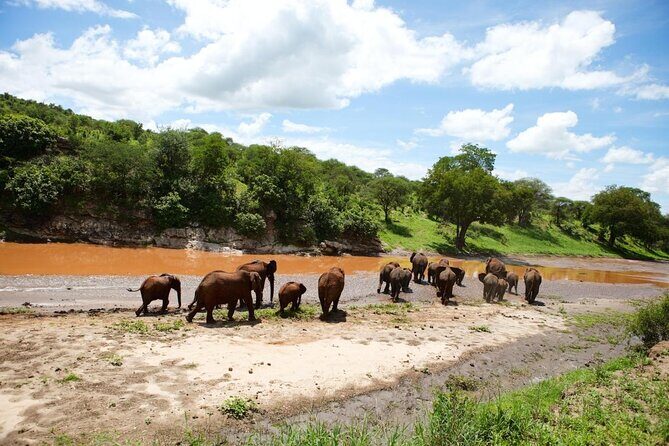
Eight days, five safari legends, all in Serena comfort. This is a luxury-focused Tanzania safari built around Serena properties and priced for the Green/low season, so you get big-park highlights without the usual premium. I like that the trip is structured for real wildlife time: elephants at Tarangire, tree-climbing lions at Lake Manyara, Serengeti game drives, and the Ngorongoro Crater search for the black rhino.
One watch-out: you’re trading home comforts for early starts and long road days. The route moves fast between parks, so you’ll want to pack for vehicle time and expect crater day to be a full, energetic one.
In This Review
- Key things that make this safari click
- Green Season luxury: how this price actually makes sense
- Serena stays in four parks: the comfort strategy
- Day 1 in Arusha: land, reset, and get your bearings
- Day 2 Lake Manyara: birds, tree-climbing lions, and tusked elephants
- Days 3–5 Serengeti: endless plains, migration chances, and full-on game drives
- Day 3: arrive into Serengeti
- Day 4: migration-focused day with central Serengeti odds
- Day 5: full day of Serengeti game drives
- Day 6 Ngorongoro Conservation Area: Olduvai Gorge stops and the rim lodge
- Day 7 Ngorongoro Crater floor: black rhino, flamingos, and a shade story
- Day 8 Tarangire: baobabs, elephant concentration, and off-route calm
- Food, park tickets, and what you’ll want to budget extra
- Transport, timing, and the guide touch that makes it feel smooth
- Who this safari is best for (and who should think twice)
- Should you book Luxury Serena Safari with Gilmag Safaris?
- FAQ
- FAQ
- Is this safari private or shared?
- What parks and areas does the 8-day safari cover?
- Does the tour offer airport pickup?
- What meals are included in the price?
- Are park admission tickets included?
- When can I book this safari (2025 and 2026)?
- What is the cancellation window for a full refund?
Key things that make this safari click
- Serena-only lodging approach keeps comfort consistent across four major parks
- Green/low season pricing makes Big 5-style areas feel more attainable
- Serengeti flexibility: you can catch migration timing plus year-round resident wildlife
- Ngorongoro rim lodge puts you close to the crater without losing sleep to logistics
- Tarangire off the main route tends to feel calmer, with elephants and baobabs as the stars
Green Season luxury: how this price actually makes sense
At $3,978 per person for an 8-day safari, the big question is simple: what are you paying for? In this case, you’re not just paying for driving through parks. You’re paying for where you sleep—using Serena hotels and lodges throughout—and for a tight circuit that hits Tarangire, Lake Manyara, Serengeti, and Ngorongoro in one run.
Green Season matters because it usually lines up with better value than peak-season departures. That’s exactly what this offer is built around: a special low/green season rate while keeping the experience in the luxury Serena lane. If you want the safari without squeezing your budget until it squeals, this pricing style is the point.
The other value piece is time. Instead of chopping up the trip with extra transfers, you focus on core game-viewing days and don’t waste most of your energy on logistics.
A few more Arusha tours and experiences worth a look
Serena stays in four parks: the comfort strategy
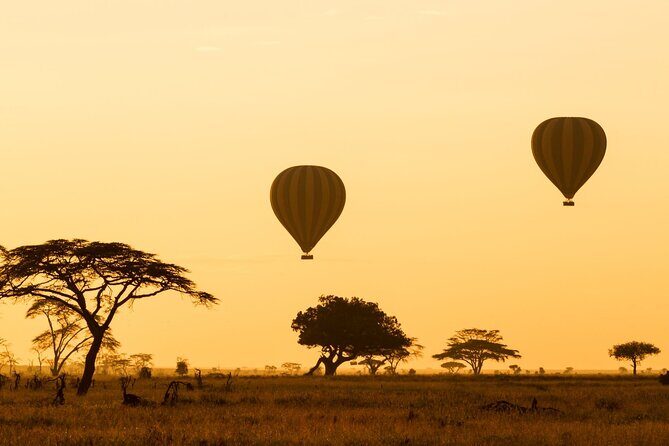
What I really like about this tour is the hotel consistency. You start at Arusha Serena Hotel, Resort & Spa on full board, then move through Serena lodges in the parks: Lake Manyara Serena Lodge, Serengeti Serena Lodge, and Ngorongoro Serena Lodge. When your accommodations match your safari pace, you get fewer surprises and more predictability.
Expect different settings, but the same style of service and comfort. Day-to-day, that matters. Safari travel is long—drives, game drives, and crater floor time. Having your “home base” feel stable is a quality-of-life upgrade, not a luxury detail.
Day 1 in Arusha: land, reset, and get your bearings
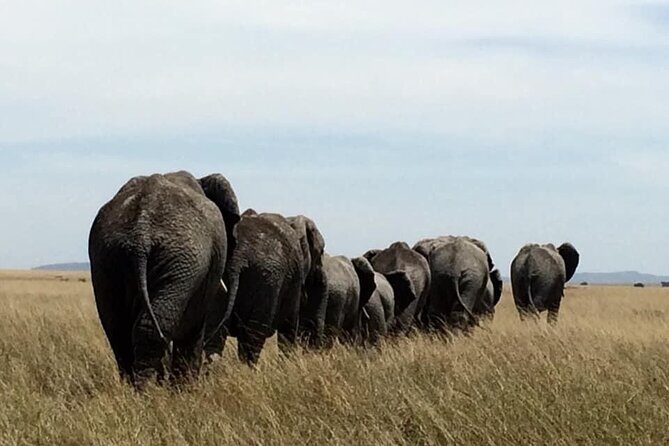
Your safari starts in Arusha, with pickup assistance from Kilimanjaro International Airport. After customs and immigration, a Gilmag Safaris representative meets you, then you drive about 50 kilometers into Arusha.
You stay at Arusha Serena Hotel, Resort & Spa, and the day is set up as full board, plus a safari briefing. This is the right way to begin. You don’t want to arrive in Tanzania and immediately sprint into the wild without context. Day 1 gives you time to recover from flying and understand how the coming days work.
Practical note: you’re likely to want an early night. You’ll be up again for game-viewing days.
Day 2 Lake Manyara: birds, tree-climbing lions, and tusked elephants
Lake Manyara National Park is a great “first real safari day,” and not just because it’s scenic. It’s known for birdlife—more than 400 species recorded—so even if large mammals don’t all show up immediately, the park still delivers.
You drive to the park after breakfast and aim for hot lunch. That timing is useful because it keeps the day from dragging. Lake Manyara also has the kind of habitat that wildlife loves: acacia woodland near the floodplain, plus areas where elephants move through.
The star attraction here is the legendary tree-climbing lions, plus heavily tusked elephants. You’ll spend the day with the classic game-drive rhythm, then overnight at Lake Manyara Serena Lodge with panoramic views over Lake Manyara.
Possible consideration: Manyara can be a fast day for sightings (when it’s good), or a slower one (when it’s not). Your luck depends on the day’s animal movement patterns.
Days 3–5 Serengeti: endless plains, migration chances, and full-on game drives
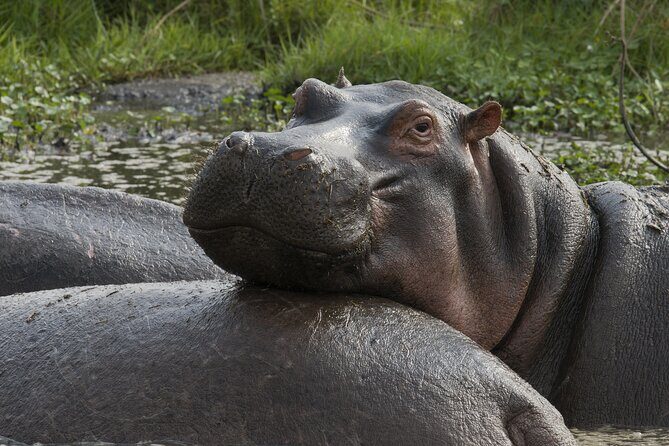
Serengeti is the big name for a reason. The trip transitions into Serengeti via the Ngorongoro Conservation Area, with a rim view on the way. That first look matters because it gives you scale: the crater country sits in the same region, and the geography sets expectations for the wildlife density you’ll see later.
A few more Arusha tours and experiences worth a look
Day 3: arrive into Serengeti
You continue across the endless plains—Serengeti is often described as that way for a reason. The plan calls out the sheer numbers you’re aiming for: wildebeest and zebra populations, plus regular sightings of elephants, giraffes, hippos, and more.
Serengeti isn’t only about one event. Even when migration isn’t at the perfect moment, the park holds plenty of resident wildlife.
Day 4: migration-focused day with central Serengeti odds
Day 4 is built around migration timing. The plan references zebras and Thomson’s gazelles joining the wildebeest trek, and it notes that your experienced driver tour guide will share facts about what’s happening.
You also stay at Serengeti Serena Lodge, centrally located near the Western Corridor and Grumeti River. That location choice is smart because it keeps you in reach of different migration routes depending on where the animals are that week.
Day 5: full day of Serengeti game drives
Day 5 is a full day game drive, with a simple message: even when migration timing shifts, the resident game in this area is still strong. The plan highlights habitats like swamps, woodland, soda lakes, and the short-grass plains, and you’ll be out long enough to cover different zones.
This is the day where you benefit from settling in. After a morning start, you’re not “checking off” the park; you’re working it like a safari should be worked—slow enough to watch behavior, long enough to chase the day’s action.
One consideration: Serengeti can be vast, and that means you may drive to find what you want to see. That’s normal here, but it means you should keep your energy steady.
Day 6 Ngorongoro Conservation Area: Olduvai Gorge stops and the rim lodge
From Serengeti Serena Lodge, you drive toward Ngorongoro Conservation Area with a stop at Olduvai Gorge. The plan mentions the Leakey family site and fossil finds about almost two million years old. Even if you’re not a geology person, this stop helps you understand why this area is famous beyond wildlife.
Then you continue to Ngorongoro Serena Lodge, which clings to the rim of the crater. The design point here is practical: the lodge is described as camouflaged with local vines and designed to blend in, and it’s invisible from the crater floor below. You don’t need the architectural details for the experience, but you do benefit from the location—getting to the crater quickly matters.
Also, the rim lodge setting means you’re not repeating long transfers every time you want to hunt for animals. The next day takes you down to the crater floor, and having the lodge right there saves time and fatigue.
Day 7 Ngorongoro Crater floor: black rhino, flamingos, and a shade story
Day 7 is the big crater day. After breakfast, you head out with a picnic lunch and drive down into Ngorongoro Crater, described as the eighth wonder of the world.
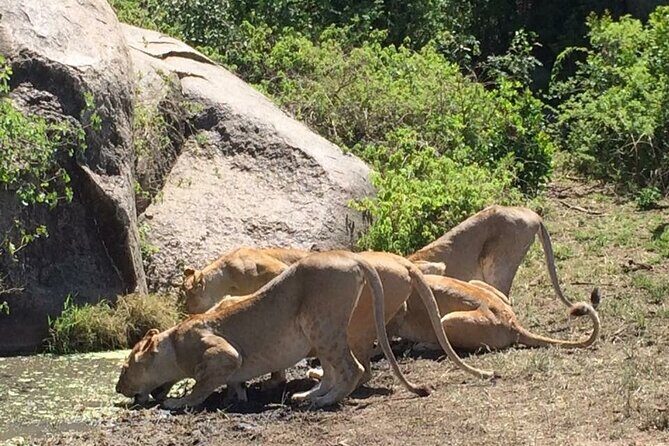
The crater floor is where you look for the endangered black rhino and flamingos in Lake Magadi. The plan also lists many other animals you might encounter: Thomson’s and Grant’s gazelles, warthogs, hippos, zebras, waterbucks, hyenas, jackals, and lions that may rest near your vehicle for shade.
That last detail is important. Lions on the ground are often about temperature and energy conservation. When they’re resting near you, your job is to stay calm, watch quietly, and let the guide do the positioning.
Practical reality: this is a long day. You’re out on the crater floor exploring and then driving back up in the evening for dinner and overnight at Ngorongoro Serena Lodge.
Day 8 Tarangire: baobabs, elephant concentration, and off-route calm
On the final day, you leave early and drive to Tarangire National Park, arriving mid-morning. Tarangire’s signature is the baobab landscape—thousands of them dot the scenery—and that’s not decoration. Baobabs shape how animals move and where they stop.
You’ll have a game drive morning, then a picnic lunch overlooking the Tarangire River, followed by an afternoon game drive.
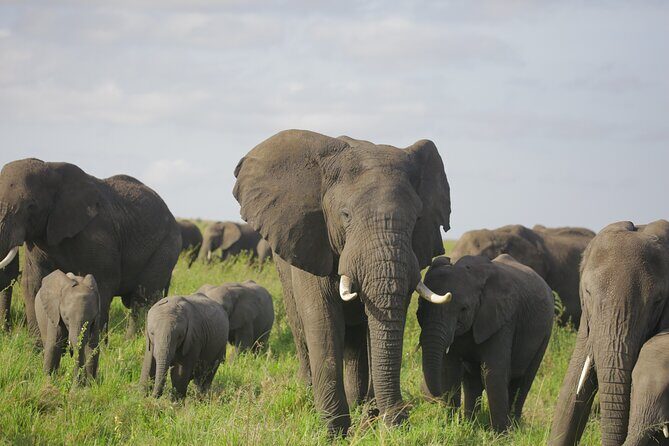
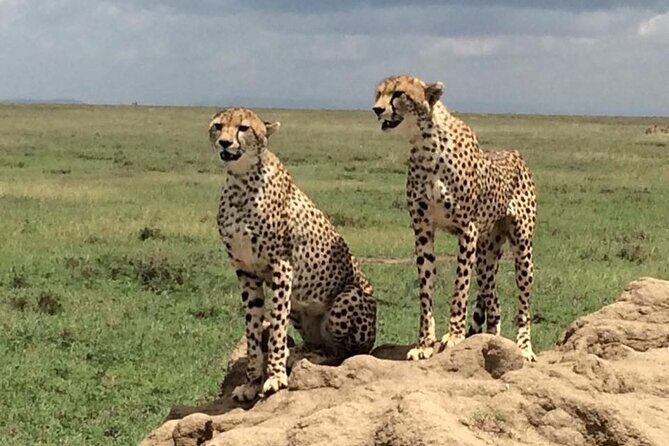
The plan calls out Tanzania’s largest concentration of elephants here. It also lists leopards, ostrich, lions, warthog, zebras, and cheetahs as common sightings, with the rare wild dog as a possible bonus.
One practical plus: the plan notes Tarangire is slightly off the main safari route, and that can mean fewer people compared with the nearest mainstream parks. That often makes the day feel less hurried.
Food, park tickets, and what you’ll want to budget extra
Meals are well covered. The tour includes 7 breakfasts, 7 lunches, and 7 dinners. Day 1 is full board at Arusha Serena Hotel. On safari days, you’ll see hot lunch or picnic lunch patterns built into the schedule.
The plan also lists admission ticket status as free or included for different days. Because the notes vary by day, I’d treat this as: the tour operator has built ticket access into the program, but you should still confirm the exact coverage dates when you book.
Not included items are clear in the deal notes:
- tipping for guides and hotel staff
- laundry
- soft and alcoholic drinks
- travel insurance
For tipping, I recommend you budget for it before you arrive. It’s one less stress decision mid-trip when you’re tired from safari mornings.
Transport, timing, and the guide touch that makes it feel smooth
This is a safari where the vehicle is part of the experience. You’ll spend lots of time driving between parks, then you’ll spend lots more time scanning from the open game-drive perspective.
Pickups are offered, and the tour uses a mobile ticket. That helps with arrival flow. You also have a dedicated representative meeting you in Arusha after landing, plus briefing time on Day 1. In safari terms, that’s how you avoid the most common early-trip mistakes: not understanding timing, not knowing what to expect, or not having basic logistics clear.
On guides: the tour is led by Gilmag Safaris, and your schedule references an experienced driver tour guide. In past experiences shared publicly, guides named Moses and Abu have been mentioned by guests. You can’t count on a specific guide name, but you can take those mentions as a sign the company tends to use seasoned staff.
Who this safari is best for (and who should think twice)
This tour fits you if:
- you want luxury accommodations consistently at Serena properties
- you care about multiple classic Tanzanian parks in one trip: Manyara, Serengeti, Ngorongoro, Tarangire
- you want a Green/low season rate that makes the safari feel more budget-realistic
- you like the idea of a structured circuit with set meals and included game-drive days
Think twice if:
- you dislike long road days. This route stacks big parks, which means more time in transit than on shorter safaris.
- you want total flexibility. The plan is designed around park windows and lodging locations, so it won’t feel like an independent-drive trip.
Should you book Luxury Serena Safari with Gilmag Safaris?
I’d book it if you’re aiming for the classic Northern Tanzania wildlife loop and you value comfort consistency as much as animal sightings. The Serena-only stay pattern reduces friction. The park order makes sense: you build up from Manyara into Serengeti, then you move into crater country, then finish with Tarangire elephants and baobabs.
I wouldn’t book it if your main goal is a slow, low-driving itinerary with maximum downtime. This safari is built for people who want to spend their days in the field, not only outside the vehicle.
If you’re the type who hates surprises, here’s your comfort sign: guests have praised quick, reliable communication and smooth handling of changes, including rescheduling when plans were disrupted. That’s the kind of backbone you want when you’re spending serious money on a once-in-a-while trip.
FAQ
FAQ
Is this safari private or shared?
The experience is listed as private, meaning only your group will participate.
What parks and areas does the 8-day safari cover?
It covers Arusha (hotel stay), Lake Manyara National Park, Serengeti National Park (including migration-focused days and full game drives), Ngorongoro Conservation Area (with a stop at Olduvai Gorge), Ngorongoro Crater game viewing, and Tarangire National Park.
Does the tour offer airport pickup?
Yes. Pickup is offered, and a representative meets you after arrival in Arusha.
What meals are included in the price?
The included items list 7 breakfasts, 7 lunches, and 7 dinners.
Are park admission tickets included?
The itinerary notes admission ticket status as free or included for different days. You should confirm the exact ticket coverage for your travel dates when booking.
When can I book this safari (2025 and 2026)?
The listed period runs from 04/01/2025–05/31/2025 and 04/01/2026–05/31/2026, Monday through Sunday, with the listed hours being 12:00 AM–11:30 PM.
What is the cancellation window for a full refund?
You can cancel up to 6 days in advance for a full refund. Any changes made less than 6 full days before the experience start time are not accepted. If canceled due to poor weather, you’ll be offered a different date or a full refund.