REVIEW · ARUSHA
Private Multi Day Serengeti Safari
Book on Viator →Operated by Sana Wild Experience · Bookable on Viator
That first day of wildlife viewing can feel like a switch flips. A short 5-day plan like this still covers three of Tanzania’s big names, with 4WD game drives and a smooth run from Arusha into the parks.
What I like most is the focus on strong sightings across different habitats: Tarangire’s elephants and baobabs, then the tight, dramatic viewing of Ngorongoro Crater, and finally predator time in Serengeti. I also like that the safari is truly private for your group, and you’re not left piecing together park entry, drives, and meals yourself.
One thing to consider: each day is built for long days (often around 9 hours on the road), and the itinerary moves quickly between regions. If you want a slow, chill safari with lots of downtime, this schedule may feel a bit time-packed.
In This Review
- Key things to know before you go
- Private Safari in 5 Days: What the Timeline Really Gives You
- From Arusha to Tarangire: Elephants, Baobabs, and Matete Picnic Views
- Ngorongoro Crater Day: Big-Five Country in a Single Big Bowl
- Serengeti Morning Drives: Predator-Focused Wildlife Time
- Karatu Stops and an African Massage Interlude
- What’s Included—and Why It Changes the Math on Price
- Guide and Vehicle: The Seif Factor and Why It Matters
- Practical Tips So You Get the Most From Every Drive
- Who This Safari Suits Best
- Should You Book This Private Multi Day Serengeti Safari?
- FAQ
- FAQ
- What parks are included in this 5-day safari?
- Where does the safari start and where does it end?
- Is this tour private?
- What type of vehicle do you use for game drives?
- Are park entry fees included in the price?
- Are meals included?
- Are drinks included during the safari?
- What’s not included in the cost?
- Can I cancel for a full refund?
Key things to know before you go

- Private for your group (2–12 pax), so you’re not sharing the best seats with strangers.
- Photographic-roof 4WD transport with a professional driver-guide, built for game drive visibility.
- Park entry fees and taxes included, plus meals (breakfast, lunch, dinner) included for multiple days.
- Unlimited drinks during the safari (water, soda, tea/coffee, beers, and wines), which adds real value on long drives.
- A planned rhythm of early drives and picnic-style lunches, so you spend daylight time where animals are active.
- Seif as a standout guide name in the experience’s feedback, with clear wildlife explanations that help sightings “make sense.”
Private Safari in 5 Days: What the Timeline Really Gives You

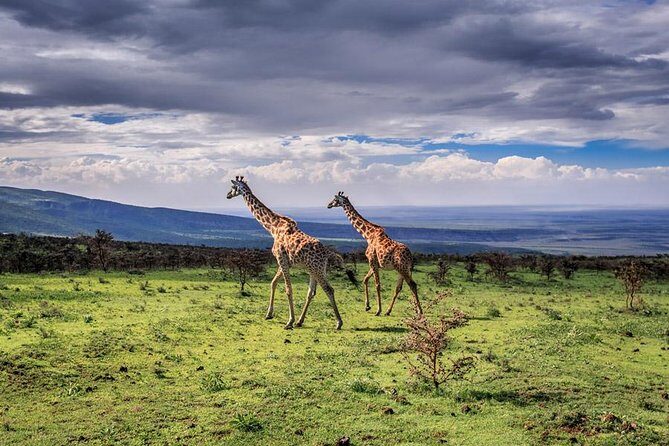
This is a multi-day private Serengeti safari that aims to do the “greatest hits” quickly, without turning it into a nonstop blur. Yes, it’s only about 5 days, but the route is designed like a checklist of ecosystems: savannah (Tarangire), caldera bowl (Ngorongoro Crater), then the wide-open Serengeti system.
Expect a safari rhythm: early viewing windows, lunch breaks that are more about location and timing than sitting around, and late-day movement between bases (Karatu, lodges/camps). The big practical win is that you’ll be in the right areas at the right hours, instead of losing time to logistics.
The schedule also explains the style of game viewing. Tarangire sets the scene with elephants and predators in a very distinct setting. Ngorongoro compresses the wildlife into one iconic crater floor. Then Serengeti gets you multiple days of early drives and predator-focused time, when animal activity tends to be higher.
If you’re budgeting and comparing options, this tour’s inclusions help you get your money’s worth: transport with park access covered, meals handled, and drinks included during the safari portion. For many people, that reduces decision fatigue and makes the trip feel smoother.
You can also read our reviews of more private tours in Arusha
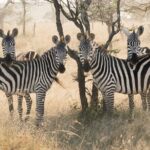
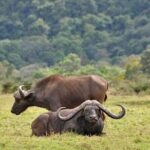
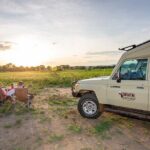
From Arusha to Tarangire: Elephants, Baobabs, and Matete Picnic Views
Your journey starts in Arusha, with pickup arranged so you’re met and then driven toward Tarangire National Park. Tarangire is often described as a different kind of safari vibe than the Serengeti, and that’s exactly what makes it worth including.
On the drive in, you’ll focus on savannah scenery where wildlife and the vegetation are closely linked. The highlights here are clear: elephants in noticeable numbers and baobab trees scattered across the landscape. Baobabs aren’t just pretty background. They create feeding and gathering spots, and they help you “read” the habitat as you scan the plains.
Lunch is planned at Matete picnic site, and the timing matters. The setup includes a terrace view where you can watch elephants at the river. You’ll likely spot them moving, drinking, or wallowing—typical behavior that makes for great viewing because it’s not just a quick glance. It’s animals doing normal life things, right where you can watch from a comfortable position.
Possible drawback? If your heart is set on Serengeti specifically, Tarangire can feel like a warm-up. Still, it’s a strong warm-up—elephants and baobabs are a very different signature than the crater and the grasslands later on. This day earns its place.
Ngorongoro Crater Day: Big-Five Country in a Single Big Bowl

Day two is built around Ngorongoro Crater, and the crater concept is what makes this day so memorable. The drive down and the change in elevation put you into a contained “world,” and game viewing there tends to be concentrated.
The crater is described as home to more than 30,000 protected animals, which tells you the viewing logic: you’re not searching endlessly across miles of savannah. You’re positioned in a place where wildlife density is the point.
The tour also frames Ngorongoro as classic Big Five territory. Even if you don’t spot every large species, the crater still delivers variety in a small radius—herbivores down on the floor drawing predators and scavengers. That’s why this day works even for first-time safari visitors: your eyes can rest. The animals come to you more often than you’d expect from an open-plain safari.
After your crater viewing, you’ll break for lunch and then continue the route by ascending back out and heading onward toward Serengeti for dinner and overnight. That means you’re not just “doing Ngorongoro.” You’re also transitioning into Serengeti while the momentum of the trip is high.
One consideration: crater days can be visually intense. You’ll want to stay patient with your scanning and trust the timing your driver uses. The crater rewards steady looking rather than frantic searching.
Serengeti Morning Drives: Predator-Focused Wildlife Time
Then you get into the heart of the trip: Serengeti National Park with multiple days of early viewing. The itinerary includes an early morning game drive where you’ll use lunch boxes for the day out. That’s a smart approach because it keeps you in the field during active hours instead of rushing back for meals.
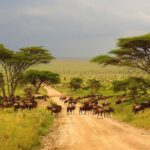
The plan emphasizes predators and “wild experience” style viewing—especially the chance to see large populations of predators. Serengeti can be unpredictable in any safari plan, but the route structure here supports your odds by giving you more than one day of viewing time rather than a single drive and out.
Late in the day, you’ll drive back to your lodge/camp area for accommodation. That late-day movement is practical. It helps you avoid being stuck in the park too long in low light, while still keeping your viewing day intact.
On the next Serengeti day, you’ll do another morning-to-afternoon cycle: depart with packed lunch, do more exploration with predator focus, and then break for a picnic lunch in the bush before checking out. After that, you head back toward Karatu via the Ngorongoro conservation area.
This “two Serengeti blocks” approach is a big reason why a 5-day safari can still feel complete. You get morning drives twice, plus time to experience different movement rhythms across the parks.
Karatu Stops and an African Massage Interlude

You’ll spend at least one overnight in Karatu, which functions as a useful base for both Ngorongoro and the transition toward Serengeti.
One detail I appreciated in the plan is the built-in pause at the end of a long day. After driving back via the Ngorongoro conservation area, the itinerary includes free African massage. Even if you’ve never done one, this kind of stop can be a genuine reset. It turns the trip from pure driving into something that feels cared for—like someone planned for your body, not just your schedule.
Does it replace recovery time? Not really. You’ll still want to hydrate, stretch, and be sensible about sun exposure. But it’s a helpful break after a day of scanning for wildlife and spending lots of time in the vehicle.
Accommodation is listed as “as arranged” throughout. That means the exact lodge or camp can vary, but your overall expectation should be: you’re sleeping in the right region so the next morning’s drive makes sense.
A few more Arusha tours and experiences worth a look
What’s Included—and Why It Changes the Math on Price

The price is $2,800 per person for roughly 5 days, and the value comes from what’s included, not just the route.
Here’s what you’re getting that directly reduces your on-the-ground costs and decision-making:
- Transport in a 4WD vehicle with a photographic roof, driven by a professional guide
- All national park entry fees and government taxes
- Meals included for multiple days (listed as 4 breakfasts, 4 lunches, 4 dinners)
- Unlimited drinks during the safari, including water, soda, tea, coffee, beers, and wines
- Airport transfers are covered by the government taxes, and pickup is offered from Arusha/airport
When those items are included, you stop thinking like a bookkeeper. You can budget one number and focus on the experience.
The price consideration is still real: this is not a budget group tour. It’s private, and it includes vehicle time in multiple protected areas with the time needed to make the itinerary work.
What’s not included is also important for planning: visas, travel insurance, and international flights, plus tips to your driver-guide (and porters, if any). You’ll want to account for those upfront so the final bill doesn’t surprise you.
Guide and Vehicle: The Seif Factor and Why It Matters

In the feedback tied to this safari, one name shows up clearly: Seif. The common thread is that he doesn’t just drive—he explains. That kind of wildlife interpretation matters because it changes how you experience sightings.
Instead of only seeing animals as random moments, you start understanding what you’re looking at and why certain animals appear where they do. That makes your photos more than memories. They become evidence of your understanding.
On the practical side, the safari vehicle is built for viewing. A photographic roof helps you get the angle you want without contorting your body for every shot. With a long multi-day safari, comfort and visibility are not luxuries—they’re part of how often you actually see things.
The other thing you’ll notice fast with a good guide is pacing. You’re not just driving to a destination. You’re using time wisely in habitats where animals respond to light, water, and movement patterns.
Practical Tips So You Get the Most From Every Drive
You’ll enjoy this safari more if you prepare for real field conditions. Here are practical steps that fit this type of route and schedule:
- Bring sun protection (hat, sunscreen, sunglasses). Long days in open areas add up quickly.
- Use layers. Early morning can feel cooler than you expect, and afternoons can bake.
- Pack binoculars if you have them. The parks are wide, and details can be far even from good viewpoints.
- Charge your devices but also keep a low-tech mindset. Wildlife isn’t a show with guaranteed timing.
- Stay patient during predator hunting time. When the plan focuses on predators, you might sit and scan longer than you think. That’s normal for seeing the good stuff.
If you’re traveling as a couple or with family, private can be a win because you can set your own pace. You’re still on a shared itinerary, but your guide can usually adjust how you spend stops and viewing time.
Who This Safari Suits Best
This private safari is ideal if you:
- Want a 5-day Tanzania highlights run with Tarangire, Ngorongoro Crater, and Serengeti
- Prefer a private-group setup (2–12 people) rather than mixing into larger crowds
- Care about seeing predators and understanding wildlife, especially with an experienced guide like Seif
- Value included comforts like meals and unlimited drinks during safari days
It may be less ideal if you want:
- Lots of downtime
- A slower pace with fewer daily drives
- An itinerary built around only one park (instead of covering three)
Should You Book This Private Multi Day Serengeti Safari?
If you’re the type of traveler who wants a strong, well-structured safari without the hassle of stitching logistics together, I’d say this is a solid choice. The biggest reasons are simple: park entry fees are included, meals and drinks are covered during safari time, and the route uses each region’s strengths.
At $2,800 per person, it’s not a casual splurge. But it reads like a trip where the cost buys time in the parks, a proper 4WD viewing setup, and a guided experience that helps you connect what you see to what’s happening in the ecosystem.
If you’re flexible on accommodations (since they’re arranged) and you’re okay with long days, this is the kind of safari that leaves you with clear memories from multiple ecosystems—not just one park and one day.
FAQ
FAQ
What parks are included in this 5-day safari?
You’ll visit Tarangire National Park, Ngorongoro Crater, and Serengeti National Park, with time based around game drives in each area.
Where does the safari start and where does it end?
It starts in Arusha, Tanzania. The experience ends back at the meeting point in the same area.
Is this tour private?
Yes. It’s a private tour/activity, and only your group participates.
What type of vehicle do you use for game drives?
You travel in a 4WD vehicle with a photographic roof, driven by a professional driver guide.
Are park entry fees included in the price?
Yes. All national parks entry fees and government taxes for airport transfers are included.
Are meals included?
Yes. The tour includes breakfast (4), lunch (4), and dinner (4) during the safari days.
Are drinks included during the safari?
Yes. The package includes unlimited drinks such as water, soda, tea, coffee, beers, and wines during the safari.
What’s not included in the cost?
Not included are tourist visas, travel insurance, and international flights (including flights to Kilimanjaro and any other flights). Also not included are personal shopping, memorable items, and tips for your driver guide (and porters).
Can I cancel for a full refund?
Yes. You can cancel up to 24 hours in advance for a full refund, and changes within 24 hours aren’t accepted.
If you tell me your travel month and whether you’re traveling as a couple or family, I can also suggest how to time your packing and camera gear for the best odds on this exact route.