REVIEW · ARUSHA
7 Days Best Luxury Safari To Tanzania
Book on Viator →Operated by Ndoto Safari · Bookable on Viator
There’s a reason Northern Tanzania feels like a wildlife movie. This 7-day private luxury safari pairs top safari country (Tarangire, Lake Manyara, Ngorongoro Crater, and Serengeti) with a classic finale on Zanzibar’s Spice Island, including a domestic flight. You start in Arusha, then chase animals across huge game-viewing days before ending on the coast.
Two things I especially like: the day-by-day focus on the most rewarding parks, and the fact that your game drives are guided by your own driver/guide throughout. I also appreciate the small safety/comfort details like AMREF Flying Doctors and the fact that many park days include breakfast, dinner, and at least some lunches, so you’re not constantly figuring out meals.
One drawback to plan for: this style of safari is active and long. Several days run close to a full 12 hours of sightseeing, early starts are part of the deal, and sightings like the famously odd tree-climbing lions at Lake Manyara are never guaranteed.
In This Review
- Key highlights worth knowing before you go
- Arusha arrival: getting set up for safari fast
- Tarangire National Park: elephants, baobabs, and a change of scenery
- Lake Manyara: forest edge wildlife and that tree-climbing legend
- Ngorongoro Crater day: the descent to a wildlife hotspot
- Serengeti National Park: migration country energy on two game-drive days
- Flying to Zanzibar: the easy switch from safari dust to spice island
- Price and value: what $5,900 buys you (and what to watch)
- Who this safari suits best—and who should think twice
- A few practical tips so you enjoy every long day
- Should you book this 7-day luxury Northern Tanzania safari with Zanzibar?
- FAQ
- What does the safari include each day?
- Which parks and areas are part of the experience?
- Is this tour private?
- Do I need to buy international flights?
- Is pickup provided?
- Can I cancel for a full refund?
Key highlights worth knowing before you go
- Private transport and your own driver/guide for all game drives, which helps you stay flexible day to day
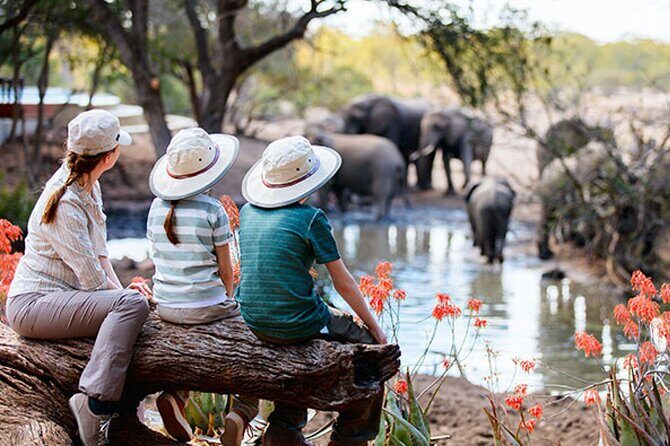
- Tarangire’s elephant herds and baobab trees, a look that’s different from the Serengeti
- Lake Manyara’s mix of forest, grassland, and lake-edge wildlife and birdlife
- Ngorongoro Crater descent to see a high-density “Mother Nature’s zoo” scene from the crater floor
- Serengeti game drives across multiple habitats, built around the migration country reputation
- Fly to Zanzibar from Fort Ikoma airstrip to turn your safari finale into an easy transition
Arusha arrival: getting set up for safari fast
Your trip starts in Arusha, with pickup arranged after you land at Kilimanjaro International Airport. The handoff is straightforward: you clear immigration, then an Ndoto Safari representative meets you and transfers you to your accommodation in Arusha, the main tourism base for Northern Tanzania.
This matters more than it sounds. If you’re doing a tight 7-day plan, the less time you spend untangling logistics, the more time you spend scanning for animals. Also, Arusha is a practical starting point because it’s close enough to the wildlife parks that you don’t lose half your vacation to travel.
The tour start time is listed as 8:30 am, and it’s a private safari/activity—meaning your group is the only group participating. That usually leads to a smoother schedule than shared departures, especially when you’re dealing with early mornings and long drive days.
A few more Arusha tours and experiences worth a look
Tarangire National Park: elephants, baobabs, and a change of scenery
Day 2 takes you from Arusha out to Tarangire National Park, where the wildlife viewing feels both classic and distinct from the other parks in this itinerary. You’ll start with an early breakfast, then head out toward Maasai land. It’s one of those moments where you’re leaving the city behind and getting your first impressions of how people and animals share this wider region.
Once you’re inside Tarangire, the park’s big selling point is very specific: elephant herds—including groups said to be over 100—and baobab trees scattered across the area. Even if you’ve seen elephants before, seeing them in a landscape of massive baobabs gives you a very different “shape” to your safari photos.
The park is described as covering 2,850 km², so you’ll want to mentally prepare for long, moving game drives rather than quick stops. The upside is that Tarangire is a strong option if you’re hoping for that steady rhythm of animal sightings without changing regions constantly.
Practical consideration: because you’re spending the day on game drive time, comfort matters. Bring sun protection and wear shoes you’re happy to walk in during any short breaks that happen along the way. This trip isn’t about speed—it’s about staying patient and letting your guide work the viewing.
Lake Manyara: forest edge wildlife and that tree-climbing legend
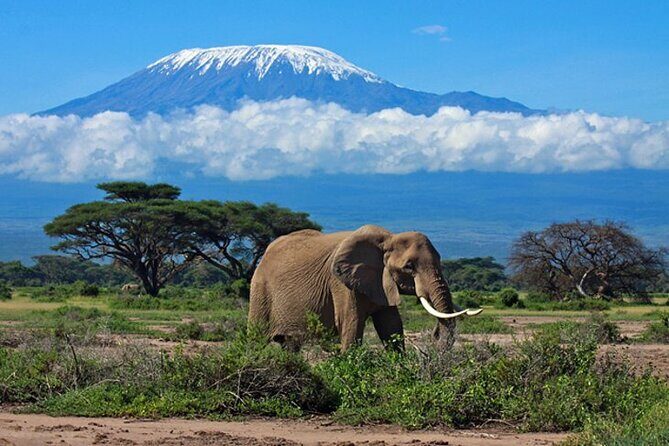
Day 3 heads to Lake Manyara National Park, with an early morning game drive. The best part here is the park’s variety of habitats in a relatively compact area. You start near the park gate through lush forest, then transition into open grassland before reaching the lake edge.
Why I think this makes the experience feel special: you get more than one “type” of viewing in a single morning. That means more chances for different animals and more variety for your eyes between photos.
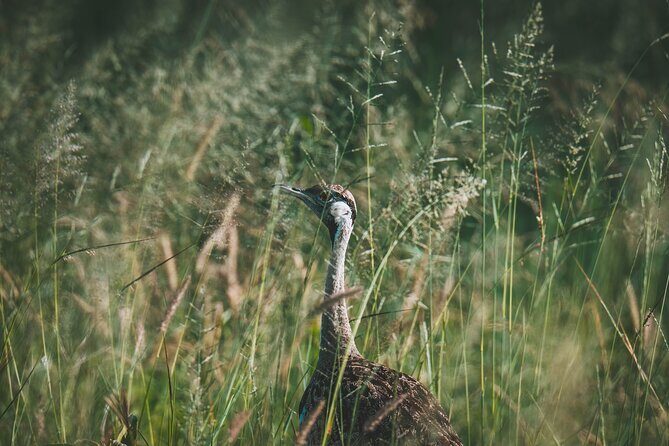
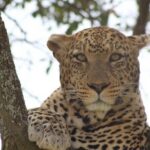
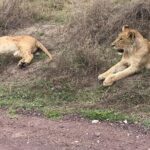
The wildlife expectations you’re given are also broad and fun: elephants, hippos, impala, dik-dik, bushbuck, and—if you’re lucky—the park’s famous tree-climbing lions. Even when you don’t see them in the trees, Manyara is still strong for animals and especially for birdlife, and you’ll likely notice how much time your guide spends reading the environment.
You’ll return to camp for a hot lunch and then shift gears with local activities around Mto Wa Mbu. The plan includes options like a bike ride to the lake or a walking safari to a village, depending on how your day is structured. This is one of the elements that turns a pure wildlife trip into something more human-scale, because you’re not only looking at animals—you’re also interacting with the surrounding community area.
A possible drawback: you may feel the schedule “stacking” by this point—game drive, lunch, then local activities. If you’re bringing kids or anyone who gets worn out by long days, you’ll want to keep energy snacks and hydration handy.
Ngorongoro Crater day: the descent to a wildlife hotspot
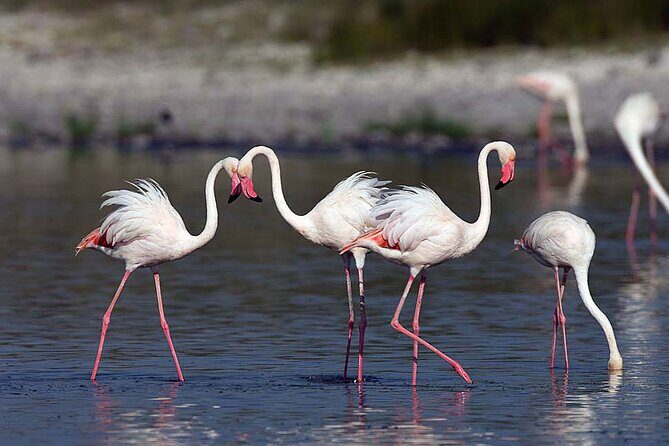
Day 4 is built around Ngorongoro Conservation Area and a full day crater tour. The centerpiece is the descent into the crater, which is described as being about 610 m deep. Even if you’ve read about crater safaris before, the feeling of going down into a bowl-shaped viewing area tends to be a big moment for people—because you’re changing altitude and perspective, not just driving to another park.
Once you’re down, the crater is framed as a high-density viewing area, often called Mother Nature’s zoo in this kind of context. The numbers given here are huge: approximately 25,000 animals, and the rare black rhino is included in the potential sightings.
Lunch is planned at a picnic site with a view of hippos lazing in shallow water, followed by another game drive on the way to camp. I like this structure because it prevents the day from becoming only a long sequence of driving. You get an actual stop with scenery—plus a change of pace during the middle of the day.
One consideration: crater days can be tiring even when the driving is well-managed. You’re typically dealing with early light, then a long day, then more moving after lunch. If you prefer gentler schedules, this is the day to prep for.
Serengeti National Park: migration country energy on two game-drive days
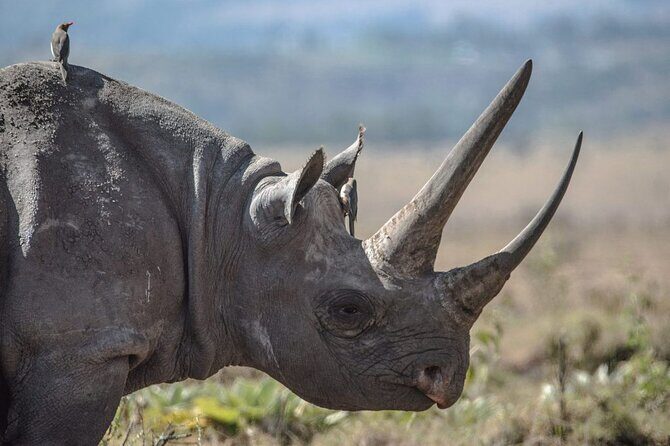
Days 5 and 6 are your Serengeti portion, with two full days of game drives. This is where the safari earns its reputation. Serengeti is described as a mix of grassland savanna, riverine forest, and woodland, and that variety matters. You get different animal behavior in different habitat types, and your guide can shift your route based on what’s active.
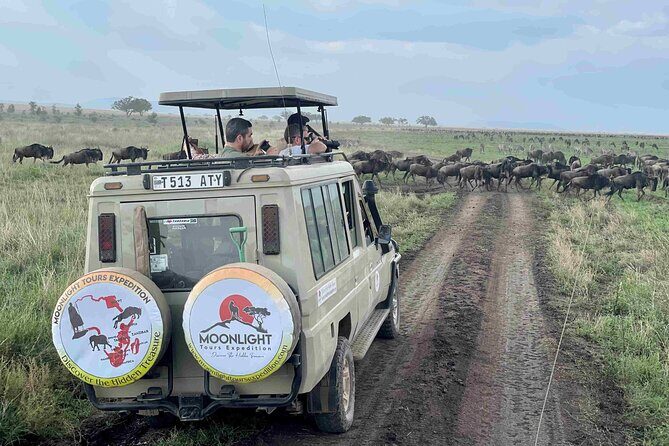
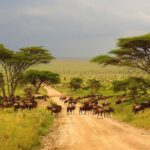
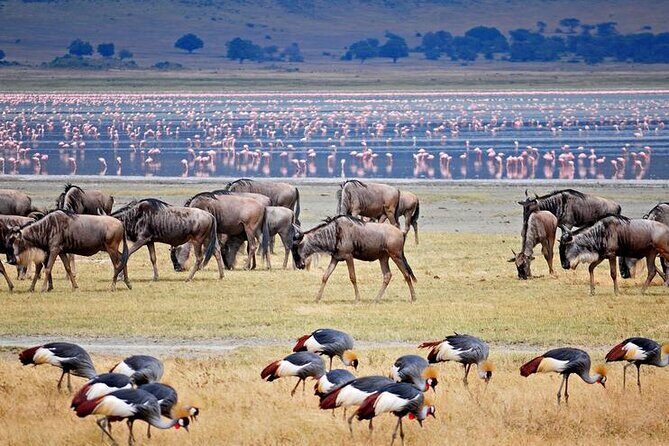
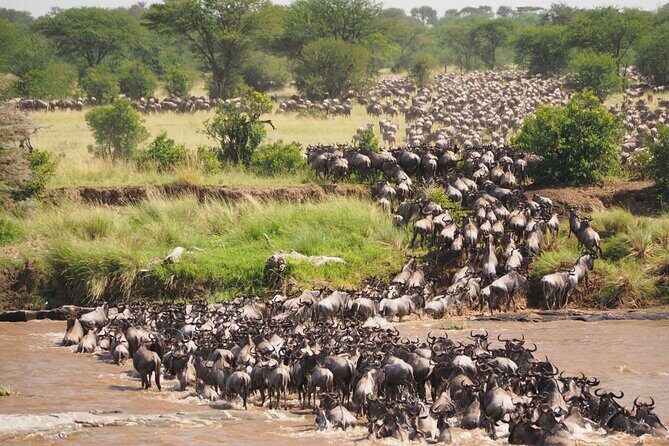
The migration angle is specifically highlighted: the annual crossing involving wildebeest, zebra, and other herds as they move toward the Mara River area. The description also notes the reality of predators and crocodiles watching the crossing point. Even if your exact sightings depend on the season, the idea behind planning these days is clear: you’re in migration country, and your guide is working from that geographic reality.
Day 5 includes a stop at a crater viewpoint on a clear day, then continues to game drive time en route to your accommodation. That viewpoint moment is one of those “slow down and look” breaks that can make the day feel more balanced. Then it’s back to spotting and driving.
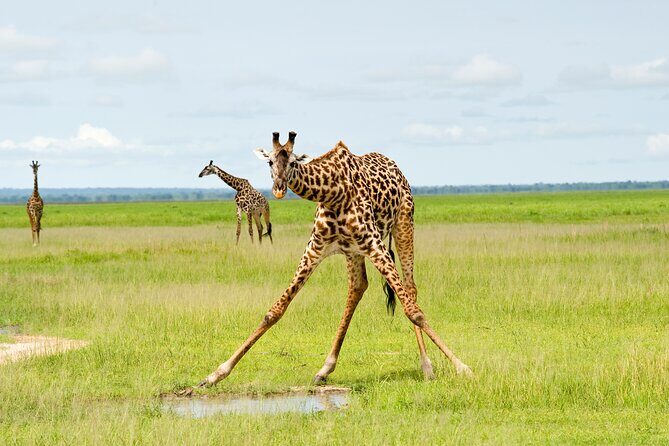
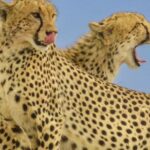
Day 6 is a dedicated full day of exploring Serengeti’s wide range of animals: lions, leopards, cheetahs, hyenas, elephants, hippos, impala, zebras, wildebeest, Grant’s gazelle, Thomson’s gazelle, plus birdlife throughout the park. You’ll likely spend your day doing the classic safari math: where is the action, what’s the herd doing, and where do predators seem to be working.
This two-day approach is a key value point. If you did only one Serengeti day, you’d be forced to “hope” for everything in that single time window. Here you get a second chance, which is how you turn a great day into a better one.
A few more Arusha tours and experiences worth a look
Flying to Zanzibar: the easy switch from safari dust to spice island
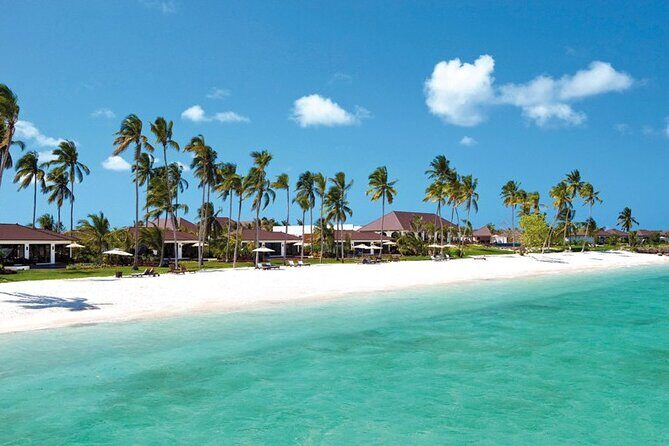
The finale is Zanzibar, and it’s handled in a smart, time-saving way. On Day 7, you enjoy an early breakfast on the Serengeti plains, then transfer to Fort Ikoma airstrip for your flight to Zanzibar.
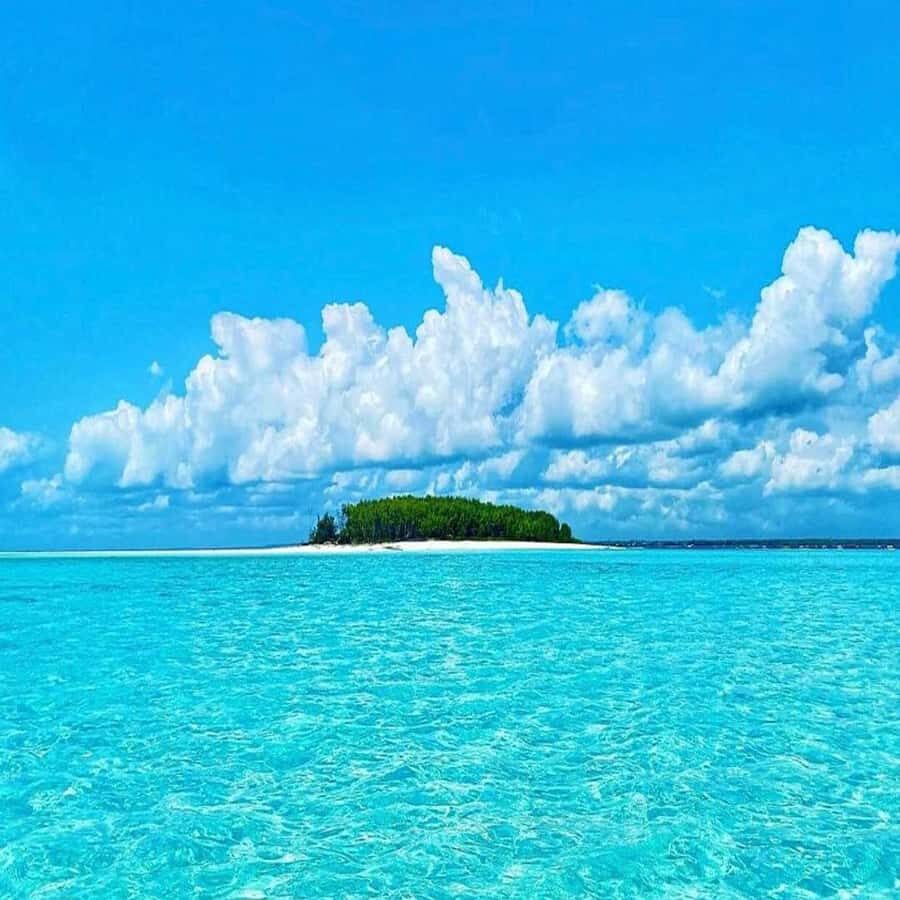
Then it’s into island time: Zanzibar is described as a spice island with a colorful historical culture, plus sandy beaches. The tour itself doesn’t spell out exact Zanzibar activities in the details you provided, so I can’t pretend what your on-island schedule will look like. But I can say the benefit is clear: your trip ends with a different pace and a different scenery after the intensity of park days.
A practical consideration: you’ve been waking early and riding in vehicles for multiple days. A flight day is still a full day, so plan to move through it calmly and give yourself time to settle in when you arrive.
Price and value: what $5,900 buys you (and what to watch)
At $5,900 per person, this is positioned as luxury safari pricing. The value is not just the word “luxury”—it’s in the structure of what’s covered.
Included items listed:
- Private transportation
- All fees and taxes
- Game drive with driver/guide
- Domestic flight
- Flying Doctors – AMREF
- Meals: breakfast (6), dinner (6), lunch (5)
When a safari includes meals and transport in that way, it reduces friction. You’re not constantly stopping to pay for food or re-planning your day around restaurant timing. For families especially, that can be a big deal.
What’s not included:
- International flights
- Tips and gratuities
- Visas
- Personal items like laundry, phone use, and drinks
So the budgeting reality is: you’re paying for a premium, guided, logistically handled wildlife trip, then separately covering international travel and the items most travelers pay for directly.
I’d also pay attention to fitness and pacing. The tour notes a moderate physical fitness level is expected. That doesn’t mean you need to be an athlete, but it does mean you should be comfortable with long days and getting in and out of vehicles for game viewing.
Who this safari suits best—and who should think twice
This is a strong match if you want:
- A private safari instead of a shared group shuffle
- Northern Tanzania highlights in one trip: Tarangire, Manyara, Ngorongoro, Serengeti
- A blend of animal-focused days plus at least one community-area activity near Mto Wa Mbu
- The convenience of a domestic flight to wrap up in Zanzibar
It may be less ideal if you:
- Prefer slower, more flexible days with fewer long driving blocks
- Get cranky with early mornings and full schedules (this plan is heavy on long game-drive hours)
- Are expecting guarantees like Big 5 or tree-climbing lions on a fixed date (wildlife sightings are always variable, even when the chances are good)
A few practical tips so you enjoy every long day
1) Pack for sun and patience. Game drives mean you’re out there while animals do their thing. Hat, sunscreen, sunglasses, and water matter.
2) Bring layers. Even in warm regions, mornings can feel cooler, and vehicles often have fluctuating airflow.
3) Plan your camera habits. If you shoot video, keep your battery strategy simple. Cold mornings and hot afternoons can drain power fast.
4) Ask your guide to prioritize your must-sees. The experience is built around guided driving, and you’ll enjoy it more if you’re clear about your top targets early in each park.
5) Expect the schedule to be full. If you like downtime, build it into evenings rather than expecting empty time between stops.
Should you book this 7-day luxury Northern Tanzania safari with Zanzibar?
If your dream trip includes multiple top Tanzanian parks plus a smooth switch to the beach, I think this one is a solid choice. The value is in the private setup, included meals, the domestic flight, and the way the itinerary stacks different wildlife “styles” across Tarangire, Manyara, Ngorongoro, and Serengeti.
I’d only hold off if you know you dislike long travel days or you want a lighter schedule. Otherwise, this is the kind of plan that turns one big trip into several distinct moments—elephants and baobabs, lake-edge surprises, a crater day with dense wildlife viewing, then Zanzibar as the reward.
FAQ
What does the safari include each day?
The trip includes private transportation, game drives with a driver/guide, and meals: breakfast (6), dinner (6), and lunch (5). It also includes all fees and taxes, domestic flight, and AMREF Flying Doctors.
Which parks and areas are part of the experience?
You visit Tarangire National Park, Lake Manyara National Park, Ngorongoro Crater/Ngorongoro Conservation Area, and Serengeti National Park. The trip also ends with Zanzibar Island, with the transfer starting at Fort Ikoma airstrip.
Is this tour private?
Yes. It’s listed as a private tour/activity, with only your group participating.
Do I need to buy international flights?
Yes. International flights are not included. You’ll be transferred after landing at Kilimanjaro International Airport, and there is also a domestic flight included during the trip.
Is pickup provided?
Pickup is offered, and the experience starts at 3245 Boma Rd, Arusha, Tanzania at 8:30 am.
Can I cancel for a full refund?
Yes. Free cancellation is available if you cancel up to 24 hours in advance for a full refund. If you cancel less than 24 hours before the start time, the amount paid is not refunded.