REVIEW · ARUSHA
5 Days Safari to Serengeti, Ngorongoro, Tarangire from Arusha
Book on Viator →Operated by Allday In Africa Limited · Bookable on Viator
This 5-day safari link-ups Tarangire (or Lake Manyara), Serengeti, and Ngorongoro in one trip, with a Maasai village visit and flexible options if you want tweaks. It’s built for people who want a clear route through some of Tanzania’s most famous wildlife areas without playing logistics whack-a-mole.
Two things I especially like: the open-roof 4×4 safari vehicle setup (great for animal spotting and photos) and the direct focus on the Serengeti’s top draw, including a real shot at the migration and major predators. You also get practical comfort touches like 1.5L bottled water per day plus soft drinks during the driving days.
One possible drawback: you’re signing up for long days on the road. Transfers and game-drive time add up (some days are listed around 8 to 12 hours of activity), so if you hate being in a vehicle for half your life, this circuit may feel intense.
In This Review
- Key highlights to know before you go
- How good value can look in a $1,220 safari
- Pickup in Arusha and what your start time really means
- Day 1: Tarangire elephants and baobabs (or Lake Manyara)
- Day 2: Serengeti morning drive and the real migration backdrop
- Day 3: Migration spotlight and the Big 5 hunt mindset
- Day 4: The 180 km push into Ngorongoro Conservation Area
- Day 5: Descending into Ngorongoro Crater’s wildlife bowl
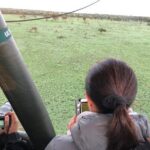
- What the open-roof safari vehicle really changes for you
- Maasai village visit: what to expect and how to make it respectful
- Who this safari fits best (and who should reconsider)
- Should you book the 5-day Serengeti, Ngorongoro, and Tarangire circuit?
- FAQ
- What parks are included in this 5-day safari from Arusha?
- Is pickup included, and where do we start?
- How long is the safari?
- What’s included in the price?
- Is a balloon tour included?
- Is this tour private?
- What is the cancellation policy?
Key highlights to know before you go

- Open-roof 4×4 safari transport for better viewing from your seat
- Tarangire elephants and baobabs (and the chance to swap in Lake Manyara)
- Serengeti focus with migration country in the mix
- Ngorongoro crater descent to a high-visibility bowl of wildlife
- Maasai village interaction to add human context to the safari
- Meals and park fees included, so you’re not nickel-and-diming basics
How good value can look in a $1,220 safari

At $1,220 per person, this isn’t a budget-only trip, but it also isn’t priced like a luxury-only fantasy. What makes it feel more reasonable is what’s already covered: park entry and crater service fees, government taxes, and most meals (breakfasts, lunches, and dinners are included in the package totals).
That matters because safaris add costs fast once you start adding up park fees, crater fees, and daily meals. Here, you’re paying upfront and then spending most of your time doing the actual safari part—wildlife, drives, and the crater.
One thing to plan for: tips and porterage to guides aren’t included. Also, optional upgrades like balloon tours are not part of the package, so decide early if that’s a must-do for you.
A few more Arusha tours and experiences worth a look
Pickup in Arusha and what your start time really means
Your pickup starts at Four Points by Sheraton Arusha (The Arusha Hotel area), Fire Road, Clocktower Roundabout, Plot 2. The listed start time is 10:00 pm, and the tour is set to end back at the meeting point.
If you’re used to “day one means morning,” this will feel different. A late start can be a real advantage if it helps you get into the parks on the schedule you want, but it also means you should treat this like a safari marathon: plan for sleep, hydrate, and keep your essentials easy to grab in the vehicle.
Also note: you’ll use a mobile ticket and confirmation comes at booking. If you like clear pre-trip details, this kind of setup usually makes the days feel smoother once you’re in Tanzania.
Day 1: Tarangire elephants and baobabs (or Lake Manyara)

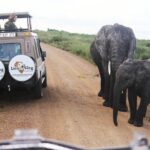
Day one points you toward Tarangire National Park—a park known for high-density elephants and big baobab trees. You’re also in a region with a mix of places to look: acacia woodlands, river-valley areas, swamps, and seasonally flooded grassland. That variety helps because animal behavior changes with water and food, and you notice more than just “one kind of habitat.”
The best season for Tarangire’s big herds is described as June to November dry season, when visitors often see larger groups of zebra, wildebeest, and cape buffalo. Even if you’re not traveling in those months, Tarangire’s elephant reputation tends to hold up because elephants use the resources they find there year after year.
You also have the option to visit Lake Manyara National Park instead. Since your package says Tarangire or Lake Manyara, your exact day-one scenery may shift depending on how the operator schedules your route.
Practical note: keep your camera ready early. In parks like these, the first hours of a drive can produce a lot of action while animals are still moving between feeding and shade.
Day 2: Serengeti morning drive and the real migration backdrop

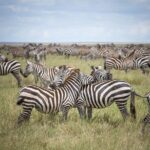
On day two, you’re transferred early into Serengeti National Park for a game drive. Serengeti is famous for the annual migration—with numbers like over 1.5 million wildebeest and around 250,000 zebra cited as part of the ecosystem spectacle. It’s also known for animals that catch people’s eye in a more “everyday wildlife” way, like Nile crocodiles and honey badger.
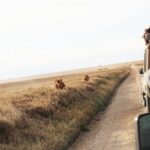
This day is about landing in migration country and doing what Serengeti does best: long sightings, quick changes, and constant scanning. In practical terms, Serengeti rewards patience more than luck. The best guides know where animals tend to be when the light shifts, and the open-roof 4×4 format makes it easier to follow the action without neck strain.
If you’re worried about whether you’ll see enough, this is the reason Serengeti is on the route at all. The park’s ecosystem is built for repeated chances: if you miss one group, you often find another within minutes.
Day 3: Migration spotlight and the Big 5 hunt mindset

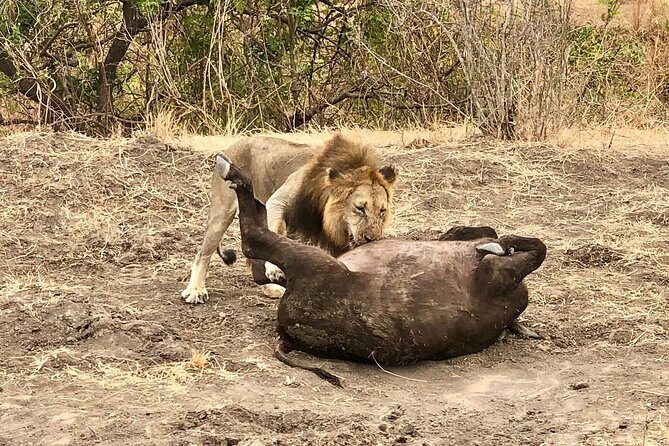
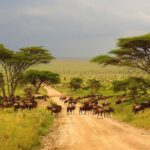
Day three is where the safari leans into the headline: a chance to see the wildebeest migration, described as one of the world’s natural wonders. The idea here is that your guide will move you to where you’re most likely to catch migration movement and big predators.
Your schedule also mentions the possibility of seeing the Big Five. That doesn’t mean every species is guaranteed, but it does mean your day planning aims toward prime sightings rather than a casual loop.
This is also the part where your guide matters a lot. In the experiences shared through this tour provider, specific guides like Rama have been noted for sharp animal-spotting ability, and another named guide, Said, has been praised for being on point and helping you not miss chances in the parks.
Don’t rely on names, of course. Do rely on behavior: choose a guide who communicates clearly, drives thoughtfully, and keeps scanning. That’s the difference between seeing “wildlife” and seeing “wildlife at work.”
A few more Arusha tours and experiences worth a look



Day 4: The 180 km push into Ngorongoro Conservation Area

On day four you head from Serengeti toward the Ngorongoro Conservation Area, described as about 180 km (110 miles) west of Arusha. You spend the night in this region and get ready for the crater descent the next morning.
Why this day matters: Ngorongoro is not just another park. It’s a high-walled volcanic crater with a concentrated ecosystem. Getting to the conservation area ahead of time is practical because it sets you up for an early start when the crater day begins.
This is also where you’ll feel the “safari rhythm” shift. Serengeti often feels like endless open country. Ngorongoro feels like a natural amphitheater where animals move in tight patterns and you can watch behavior changes as the day heats up.
Day 5: Descending into Ngorongoro Crater’s wildlife bowl

Ngorongoro Crater is described as the world’s largest inactive, intact, unfilled volcanic caldera, and the numbers are big enough to explain why it’s famous. The crater is 610 meters deep, and its floor covers about 260 square kilometers. The crater walls create that classic “drop into a different world” feeling.
Your day starts with an early wake-up and then a descent into the crater. Once you’re there, you’re effectively driving through a self-contained landscape where wildlife concentrates and sightings can stack up.
This is a big reason people love ending safaris here. After a couple days of moving across parks, Ngorongoro gives you a different style of viewing: more chance to spot animals in a wide range of crater-floor habitats, and a feeling that you’ve arrived at a carefully enclosed wildlife system.
Also, this day includes the crater service, and the tour package states admission/crater service fees are included. That’s not a small thing, since crater access costs can add friction to budget planning.
What the open-roof safari vehicle really changes for you

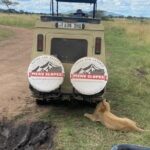
The tour includes a Long Base 4×4 Open roof Safari Vehicle. That detail sounds simple, but it affects your whole experience.
Open-roof seating can mean:
- better sightlines over grass and uneven ground
- easier “follow the action” spotting without leaning
- photos that feel more direct because you’re closer to what you see
The package also includes soft drinks and 1.5L bottled water per day, which is a thoughtful baseline on long drives. When you’re out in sun and heat, that kind of built-in hydration support saves you from hunting for purchases mid-day.
Still, open-roof travel comes with its own reality: sun exposure and dust are part of the deal. Bring sunglasses and something for your face if you’re sensitive to wind-blown dust.
Maasai village visit: what to expect and how to make it respectful
Your tour includes interaction with Maasai in their local village and time to learn about their culture. That’s a meaningful add-on because it widens the safari from wildlife-only to human context.
For this kind of visit, I like to keep expectations grounded. You’re not there to treat it like a show, and you’re not there to extract a story for free. The best approach is simple: ask questions, listen more than you talk, and follow the cues from your guide about what’s appropriate.
Also, because culture visits can involve small transactions depending on what’s offered, plan ahead with a respectful mindset. (Your package does note tips and porterage are not included, which tells you money matters in these shared moments.)
Who this safari fits best (and who should reconsider)
This 5-day route makes a lot of sense if you:
- want a structured safari that hits Tarangire/Lake Manyara + Serengeti + Ngorongoro
- like the idea of a private setup when your group size allows it
- want meals and park/crater fees included so you can focus on the safari days
- are okay with long driving days and early mornings
It might be less ideal if you:
- hate long vehicle time and prefer a slower pace
- only want one park and don’t care about comparisons between habitats
- want to build a DIY itinerary with lots of free time to wander on your own schedule (this trip is structured, by design)
One more fit detail: the tour notes that private booking is for 4 or more people. If you’re traveling as a couple or solo, make sure you understand the group setup you’ll be placed into.
Should you book the 5-day Serengeti, Ngorongoro, and Tarangire circuit?
I think you should book this safari if your goal is to see multiple Tanzania icons in one clean package and you value getting the logistics handled—especially park entry, crater fees, and daily meals that keep the trip from turning into constant add-ons.
I’d hesitate if you’re extremely sensitive to time in transit or if you’re aiming for a super flexible schedule. This is a “do the safari route” trip, not a “roam wherever your mood takes you” trip.
If you go, do two things and you’ll feel the trip was worth it: wear practical safari gear for sun and dust, and keep a realistic expectation that wildlife sightings are about patterns and timing. With Serengeti’s migration focus and Ngorongoro’s crater bowl payoff, the odds are good you’ll remember this one for a long time.
FAQ
What parks are included in this 5-day safari from Arusha?
You’ll visit Tarangire National Park or Lake Manyara National Park, plus Serengeti National Park and Ngorongoro Crater (in the Ngorongoro Conservation Area). There’s also a Maasai village interaction included.
Is pickup included, and where do we start?
Yes, pickup is offered. The start point is Four Points by Sheraton Arusha, The Arusha Hotel area on Fire Road near the Clocktower Roundabout, Plot 2, Arusha.
How long is the safari?
The duration is listed as 5 days (approx.).
What’s included in the price?
The package includes park entry and crater service fees, government taxes, meals (listed as 5 lunches, 4 dinners, 4 breakfasts), 1.5L bottled water per day plus soft drinks, and use of a 4×4 open-roof safari vehicle.
Is a balloon tour included?
No. Optional tours such as balloon tours are not included.
Is this tour private?
It’s described as private for bookings with 4 or more people. Only your group participates.
What is the cancellation policy?
You can cancel for a full refund up to 24 hours before the experience’s start time. If you cancel less than 24 hours before, the amount is not refunded.
If you want, tell me your travel month and group size (solo/couple/family), and I’ll help you sanity-check whether Tarangire timing and migration chances line up well for your dates.