REVIEW · ARUSHA
5-Day Private midrange Tour in Arusha with Airport Pickup
Book on Viator →Operated by Suricata Safaris · Bookable on Viator
Big cats, on your own timetable. This 5-day private safari from Arusha mixes airport pickup with your own guide and private 4×4 safari vehicle, so your game drives can match what’s actually happening in the bush.
I love the way this route stacks wildlife-heavy parks in a tight loop, including focused time in Serengeti and the crater-depth views at Ngorongoro. One thing to consider: a few guests said the pre-trip information and coordination before arrival could have been clearer.
In This Review
- Key highlights that make this safari feel worth it
- Why this 5-day Arusha route stays practical (not just scenic)
- Tarangire: elephants, baobabs, and the dry-season “wow” factor
- Lake Manyara: where flamingos depend on season, and hippos steal the scene
- Serengeti’s Seronera area: how a river makes wildlife show up
- Serengeti early drive then Ngorongoro by dinner: two different “animal games”
- Ngorongoro crater: 600+ meters down, and the predators play their patience game
- What you’re really paying for with a $3,600 private midrange safari
- The private guide effect: spotting, safety, and learning without lectures
- Practical expectations: timing, park variety, and what to pack
- Who this safari suits best
- Should you book this Arusha private safari?
- FAQ
- How long is the safari?
- Is airport pickup included?
- Is this a private tour?
- Which national parks are visited?
- Are meals included?
- Is there any digital ticket?
- Can I cancel for a full refund?
Key highlights that make this safari feel worth it
- Private guide + private vehicle: You’re not sharing sightings with strangers who want to rush.
- Tarangire’s elephant density and baobab scenery: Expect herds and classic landscapes made by time and drought.
- Lake Manyara’s season switch: Flamingos show well in wet season, while dry-season wildlife can feel more steady.
- Serengeti game drives timed for real viewing: Morning starts and longer drives help you catch animals at their most active.
- Ngorongoro crater descent (600+ meters): The depth creates a “bowl” effect for predators and grazing herds.
Why this 5-day Arusha route stays practical (not just scenic)
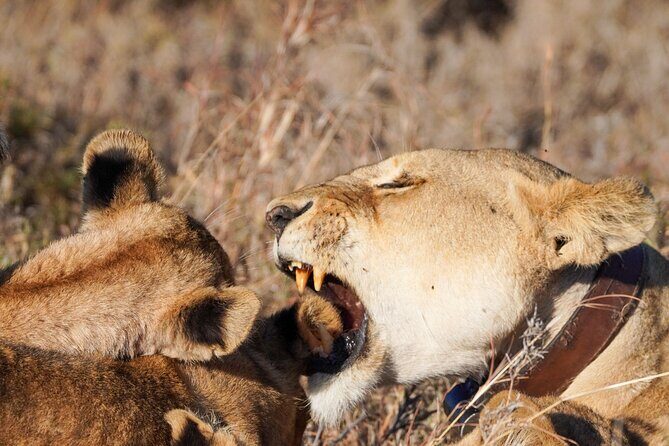
This safari is built for people who want a lot of big-wildlife moments without living out of a suitcase for weeks. You’re based around Arusha, then you run a logical park circuit: Tarangire → Lake Manyara → Serengeti → Ngorongoro.
The private setup matters more than it sounds. In places like Serengeti and Ngorongoro, the difference between a good day and a great day often comes down to timing and quick choices. When you’re not locked into a group pace, your guide can shift when animals move—or when the road and crowds get annoying.
Price-wise, $3,600 per person is not “budget,” but it also isn’t just buying the word luxury. You’re paying for a private vehicle, full board meals, and round-trip airport transfers across multiple parks—plus the flexibility of being with a guide who can explain the ecosystem in plain language.
You can also read our reviews of more private tours in Arusha

Tarangire: elephants, baobabs, and the dry-season “wow” factor
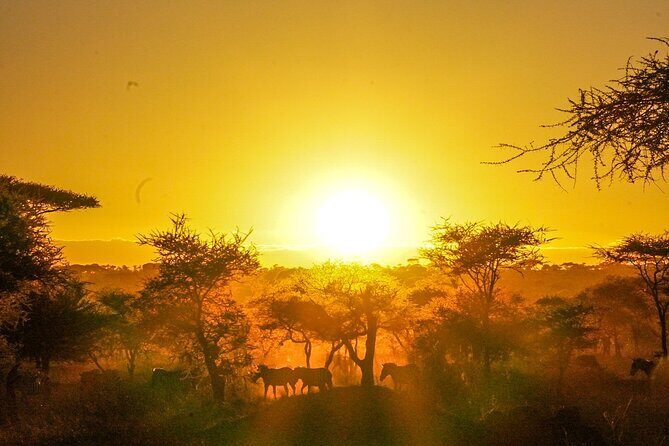
Day 1 begins after breakfast with a departure window around 08:30 to 09:00. You arrive for lunch at your lodge area, then go out for an afternoon game drive.
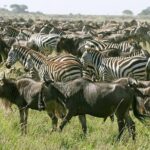
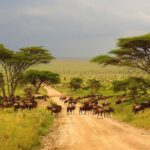
Tarangire is one of those parks where the signature scene is obvious fast: big herds and those tall baobab trees that look like they’ve been sculpted by time. The park is especially known for high concentrations of elephants. If you’re traveling in June to November, you can expect larger gatherings—often described as zebra, wildebeest, and cape buffalo in big numbers—because the dry season funnels animals toward the places that still hold water.
What I like about how this day is structured: you don’t waste your first afternoon. You’re in the park quickly, then you’re off again for real viewing, not just photo stops.
Things to watch for on the road and in the open: Tarangire has plenty of smaller antelope too—dik-dik, impala, eland, Grant’s gazelle—along with monkeys like vervet. Predators are on the menu as well, including African lion, leopard, cheetah, and African wild dog (with other cats and small hunters listed too). Even if you don’t see a predator, Tarangire still delivers because the “main cast” is so common.
Lake Manyara: where flamingos depend on season, and hippos steal the scene
Day 2 is a longer push into Lake Manyara after a breakfast start around 08:30 to 09:00, with a picnic lunch during the drive.
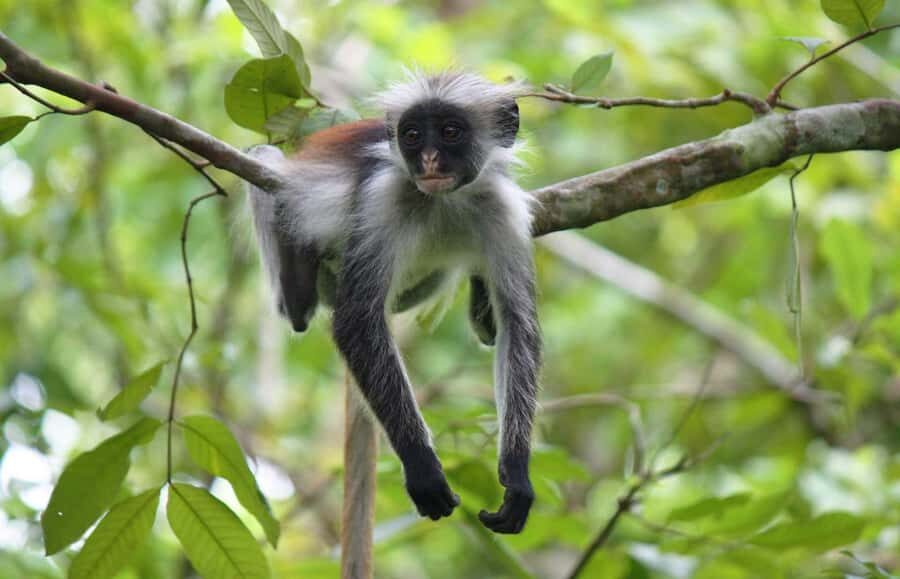
Lake Manyara is famous for flamingos, but the timing is everything. In wet season, flamingos can show up in large flocks around the lake edges. In dry season, that flamingo spectacle drops off. The good news: the park still has a strong year-round mix of animals—leopards, East African lions, cheetahs, elephants, and plenty of primates like blue monkeys.
One very useful detail here is the hippo pond concept. When a park has a concentrated “hangout” area, it makes your game drive more efficient. You’re not just driving in circles and hoping. You’re looking for the places where animals keep coming back.
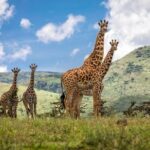
You also get variation in body styles and heights. Manyara includes animals like Masai giraffe, plus a lot of zebra and gazelles. That makes it a good day for both casual viewing and close spotting. It also helps if you get tired of only seeing the same kind of animal repeatedly—Manyara’s mix breaks that up.
Possible drawback: Manyara can feel calmer than Serengeti because it’s more focused around specific habitat pockets. If your main goal is constant movement and huge open-plains drama, you’ll appreciate Manyara even more if you treat it as a complementary contrast day.
Serengeti’s Seronera area: how a river makes wildlife show up
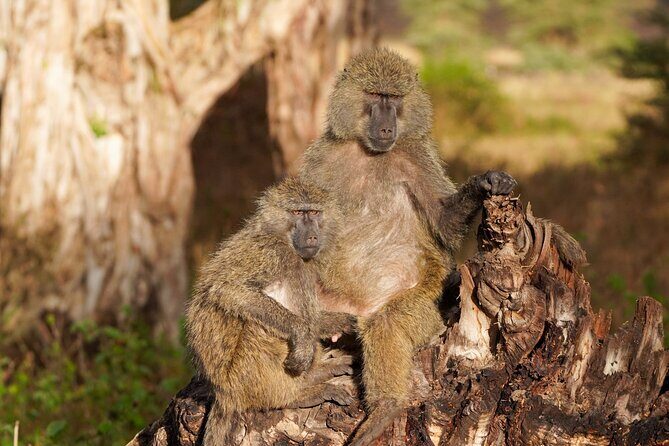
Day 3 is the bridge day into Serengeti. You leave after breakfast and travel through Karatu farmland and the Ngorongoro Conservation Area on the way. Then you arrive for lunch and an afternoon game drive in the Serengeti, aiming toward the central area known as Seronera.
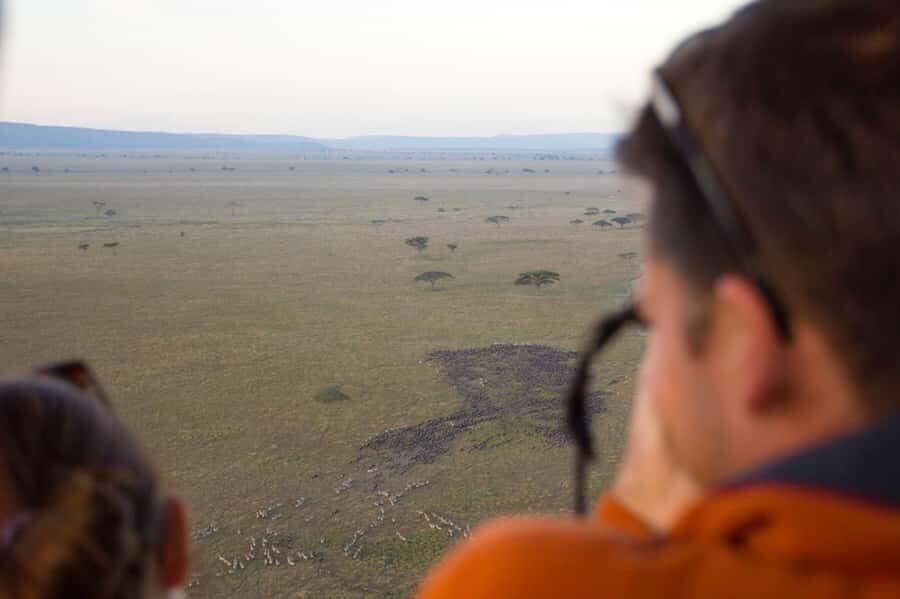
Here’s the practical reason Seronera is such a big deal: it’s tied to the Seronera River, which provides water year-round. In a place that big, water is one of the strongest “why animals are here” clues. When water stays reliable, wildlife tends to stay reliable.
Serengeti is also where you’re more likely to tick boxes like the big five and major predators (plus giraffes, zebras, cheetahs, hippos, and more). The listing style here matters less than the reality: when Serengeti is working, you’ll have a lot of chances to see behavior, not just animals.
The afternoon timing on Day 3 can be a benefit. When you arrive after lunch, you’re not burning the whole day on road travel. You get enough drive hours to keep hope high, and you still settle into the Serengeti without feeling rushed.
If you’re the kind of person who loves learning while you watch, this is also a great park to ask your guide questions. The best guides—names that came up in real guest feedback include Frank, Mandela, and Ezekiel—are praised for spotting animals early and explaining what you’re seeing in an ecosystem way, not just listing species.
Serengeti early drive then Ngorongoro by dinner: two different “animal games”
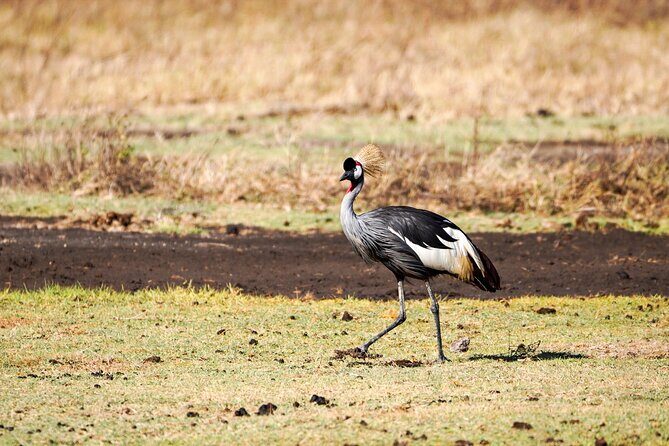
Day 4 starts with coffee, tea, and biscuits, then you head out on an early game drive with lunch boxes. The drive window is roughly 08:00 to 14:30, which is long enough to let the morning light do its work and still give you meaningful time later.
Then you depart toward the Ngorongoro Conservation Area, with a game drive en route. You’ll have dinner and overnight there.
This is the day where the safari changes its personality. Serengeti is wide open and “spread out.” Ngorongoro crater is enclosed. You’ll feel it in the way animals appear—often closer together, often in more predictable viewing zones, because the crater creates a tight stage.
The early-to-midday schedule can also help you avoid a common safari annoyance: the feeling that everyone is watching the same spot for the same short window. Longer drives give you more tries before conditions change.
In feedback from guests, guides like Amiri/Amire and Lewis were highlighted for calm driving and for finding animals quickly, sometimes even without binoculars. That’s exactly the kind of skill you want on a transition day, because it’s when your time is most limited.
A few more Arusha tours and experiences worth a look
Ngorongoro crater: 600+ meters down, and the predators play their patience game
Day 5 is the dramatic finish: after early breakfast, you descend over 600 meters into the crater to view wildlife.
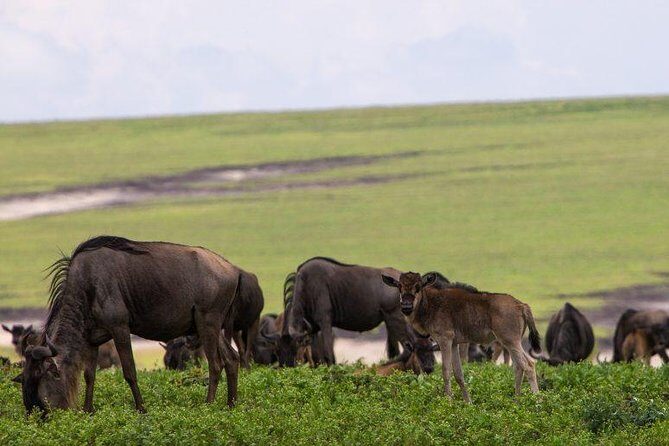
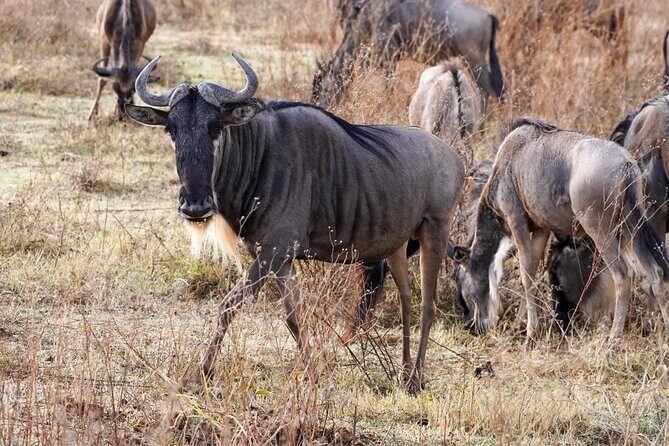
This matters because the crater is a bowl. With a year-round water supply and fodder, it supports herds of wildebeest, zebra, buffalo, eland, warthog, hippo, and giant African elephants. In a place like this, animals don’t have to travel far for basic needs, so the density can be impressive.
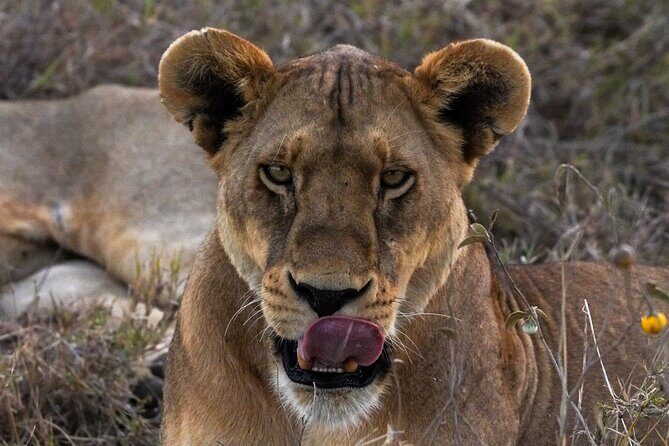
Predators are a key draw too. The crater is known for lions, hyenas, jackals, cheetahs, and the leopard, which is described as elusive—meaning sometimes you need both luck and a skilled eye. A good guide helps you understand where to look and when to stop scanning every direction like you’re trying to find Wi-Fi.
Another strong detail included here: you’ll visit Lake Magadi, a large but shallow alkaline lake in the southwestern corner of the crater. Lakes inside craters often act like magnets for animals and birds, so this is one of those stops that can turn into a long viewing session without feeling like a detour.
If you’re chasing the classic big-five finale, Ngorongoro is one of the best bets on this circuit. Even if you don’t see every star species, the crater experience itself feels complete: the elevation change, the herd behavior, and predator waiting strategies all come together.
What you’re really paying for with a $3,600 private midrange safari
At $3,600 per person, this is a serious spend. But the “value” isn’t just in the final total—it’s in what you don’t have to manage yourself.
You’re getting:
- Private transfers with airport pickup and round-trip movement
- Private guiding across multiple parks
- Full board meals (the plan lists five breakfasts, five lunches, and four dinners)
- Comfortable midrange accommodation rather than barebones camping-only nights
That package is the difference between planning a safari and actually enjoying one. When you only have five days, small delays or awkward scheduling can steal your best wildlife hours. Here, the structure is built to protect the viewing time.
Also, private means your guide can adjust around real-life conditions. If an animal sighting is still active, you don’t have to pack up because a group needs to hit the next stop. Guests praising drivers like Elias and Mandela specifically mention being able to stay longer with animals, and that’s exactly what you should hope for on a private itinerary.
One caution on value: pay attention to what your expectations are for “big five certainty.” This route includes the chance for them, but wildlife is wildlife. The money buys access, attention, and time—not guaranteed sightings.
The private guide effect: spotting, safety, and learning without lectures
The most consistently praised element in real guest feedback is the guide quality. Names that came up repeatedly include Elias, Ezekiel, Mandela, Frank, Freddie, Lewis, and Amiri/Amire. What guests liked wasn’t only friendliness. They liked practical skills.
From the feedback, the standout strengths were:
- Sharp spotting ability, sometimes picking animals from far away
- Safe, calm driving, especially important in parks with uneven roads and crowds
- Clear explanations about animal behavior and the local ecosystem
That last point matters if you want more than checklists. When you understand why animals are where they are—water timing, food availability, predator patterns—you start seeing more in the same hours. You stop feeling like you’re just guessing.
Also, private doesn’t just mean comfort. It often means less stress. You’re not stuck negotiating with strangers who want different things, or timing your day around a group’s pace.
Practical expectations: timing, park variety, and what to pack
This safari runs on mornings and game drives. Typical start times are in the late-morning range for the first days (around 08:30 to 09:00), then you get an earlier push on Day 4 (08:00 drive window).
That means your days will feel structured. Plan to be ready early with sun protection and water. Even if your lodge is comfortable, mornings in Tanzania can ramp up fast.
What I’d pack for this style of safari (simple, practical stuff):
- A light layer for early mornings and cooler crater air
- A hat and strong sunscreen
- Binoculars if you rely on spotting at distance (not required, but helpful)
- A camera strap you can trust in bumpy roads
One more expectation to set: park variety. This is a route that mixes different ecosystems—elephant-rich landscapes at Tarangire, lake-and-pond wildlife at Manyara, river-linked animal activity at Serengeti’s Seronera, then predator-packed crater viewing at Ngorongoro. That variety keeps the trip from feeling like “the same day in four locations.”
Who this safari suits best
I’d point this one toward travelers who:
- Want private guiding and their own schedule
- Like a midrange comfort level with full meals handled
- Want a big-parts itinerary in just 5 days
- Appreciate learning as you watch (not just chasing photos)
It also fits families who want a smoother, more coordinated experience. One review specifically highlighted a private tour with family, and that’s the sweet spot for private setups: fewer moving parts for everyone.
If you’re the kind of traveler who lives for long, slow days or wants a lighter itinerary with fewer park changes, you might find this route “active.” It’s not a lazy safari. But it’s also not chaotic—it’s efficiently paced for wildlife time.
Should you book this Arusha private safari?
Book it if you want the best version of a 5-day circuit: private vehicle, airport pickup, and a route that gives you meaningful time in Tarangire, Manyara, Serengeti, and the crater at Ngorongoro. You’ll especially like it if you value a guide who can spot animals early and explain what you’re seeing—feedback on guides like Elias, Ezekiel, Mandela, Frank, and Amiri/Amire was strongly positive.
Think twice if you’re extremely sensitive to pre-trip communication details. A small number of guests felt the information and coordination before arrival could be clearer. That doesn’t mean the safari itself won’t run well, but it’s worth asking your operator questions early and confirming your pickup expectations once you’re booked.
FAQ
How long is the safari?
The tour is listed as 5 days (approx.).
Is airport pickup included?
Yes, round-trip airport transfers are included, with pickup offered.
Is this a private tour?
Yes. It’s a private tour/activity, and only your group participates.
Which national parks are visited?
The itinerary includes Tarangire National Park, Lake Manyara National Park, Serengeti National Park, and the Ngorongoro Conservation Area.
Are meals included?
Yes. The plan lists breakfast (5), lunch (5), and dinner (4).
Is there any digital ticket?
Yes, a mobile ticket is listed.
Can I cancel for a full refund?
Free cancellation is offered. You can cancel up to 24 hours in advance for a full refund.