REVIEW · ARUSHA
Town Tour in Arusha
Book on Viator →Operated by Arusha Excurssions · Bookable on Viator
A tour of Arusha can feel more real than a safari day. This half-day outing mixes local arts with a smart museum stop, then ends at the Tanzanite Experience for a close look at how stones go from mine to finished pieces. You get to see Maasai and Tanzanite-focused culture in a single, practical route.
What I like most is the pace: you stay on track for about 6 hours with an accredited guide and comfort in an air-conditioned vehicle. I also like that it’s private for your group, so you can move through busy spaces without feeling rushed or lost.
One consideration: lunch isn’t included, so plan to eat before you start or grab something after the tour. The route also includes shopping stops, so if you dislike markets, you’ll want to treat the market portion as a look-only break.
In This Review
- Key Things You’ll Notice on This Arusha Town Tour
- Arusha in Half a Day: What This Town Tour Actually Covers
- Cultural Heritage Centre: Maasai Arts, Masks, Spices, Dress, and More
- Maasai Market Curios and Crafts: Shopping With a Guide (and Less Stress)
- Arusha Declaration Museum: Tanzania’s Story From Power to Independence
- Tanzanite Experience: Discovery, Mining Methods, and Rough vs Finished Stones
- Price and Logistics for a $100 Group Tour (Up to Five)
- Who This Tour in Arusha Suits Best
- Should You Book This Arusha Town Tour?
- FAQ
- What time does the Arusha Town Tour start?
- How long is the tour?
- How much does it cost?
- What’s included in the price?
- Is lunch included?
- Where does the tour start and end?
- Is there free cancellation?
Key Things You’ll Notice on This Arusha Town Tour
- Accredited guide at every major stop, so you get context instead of random browsing
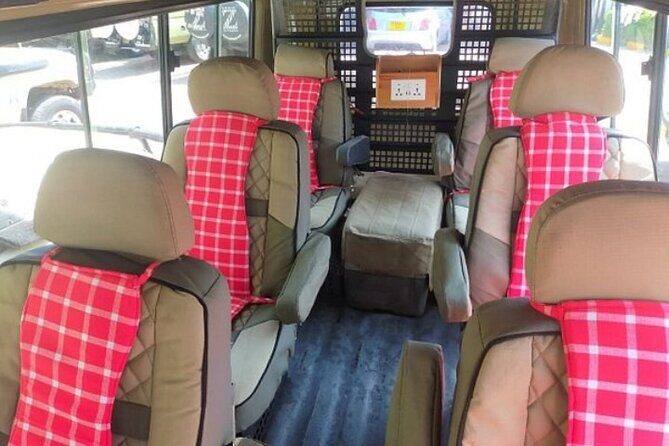
- Air-conditioned vehicle for the ride between Cultural Heritage, market, museums, and Tanzanite
- Maasai arts plus wider Tanzanian crafts at the Curios and Crafts market area
- A museum stop with political context, not just objects for display
- Tanzanite Experience with a short documentary and viewing rough vs finished stones
Arusha in Half a Day: What This Town Tour Actually Covers
Arusha is often treated like a staging town. This tour flips that idea. Instead of speeding past on your way to safari, you spend your morning seeing how people live, shop, and explain their heritage.
You’ll start at 8:00 am from Boma Road, then move through four stops designed to hit different types of culture: arts you can see up close, crafts you can compare in a market, history in a museum, and geology/heritage in a Tanzanite-focused learning center. The whole plan is about 6 hours, and the tour returns to the same meeting point.
The format is simple and visitor-friendly. It’s listed as a private tour for your group (up to five people), with pickup offered and a mobile ticket. That matters because Arusha can move fast—traffic, street stalls, and crowds. Having a guide and a car keeps your day calm, even when you’re walking through busy shops.
You can also read our reviews of more tours and experiences in Arusha.


Cultural Heritage Centre: Maasai Arts, Masks, Spices, Dress, and More
The first stop is the Cultural Heritage Centre, and it’s built for guided learning. You’ll spend about 1 hour inside, going section by section with an accredited guide. This is where the tour gives you the “why” behind what you’re seeing.
Expect to hear about African arts with a strong focus on Maasai traditions, plus related items and categories like Tanzanite gemstones, spices, paints, and African dress. One detail worth your attention: the center includes historical masks that were used by African tribes long before modern times. These aren’t just décor; they’re part of cultural practice, and having a guide helps you connect the object to the people and time period.
This stop also doubles as an introduction to buying without pressure. The time is designed so you can browse and then shop if you want. Admission here is listed as free with a ticket included in the tour flow, so you can spend your money where you truly choose.
A small practical tip: go with a light mindset. You don’t need to decide everything in the first hour. Treat it like a starter lesson—then you’ll know what you actually care about when you hit the market.
Maasai Market Curios and Crafts: Shopping With a Guide (and Less Stress)
After the Heritage Centre, you’ll head to the Maasai Market Curios and Crafts area for about 1 hour. Even though it’s called Maasai Market, you’ll find arts from other Tanzanian tribes too—so it’s not a single-style souvenir lane.
The guide’s role here is the underrated part. In markets with lots of small shops, it’s easy to lose your bearings and compare apples to oranges. With your guide at your side, you can see how items repeat across stalls, learn what each type is meant for, and ask questions that help you avoid random purchases.
This market stop is a classic “look, compare, then choose” setup. Many stalls carry similar curios and crafts, so your best use of the hour is to do three things:
- pick a category you want (small art pieces, textiles, carved items)
- compare quality and materials across a few shops
- ask what makes one item different from another
Admission is listed as free, so your cost here depends on what you buy, not what you enter. If you’re not shopping, you can still enjoy it as a real slice of street-level culture—just set a rule for yourself: no decision fatigue.
Arusha Declaration Museum: Tanzania’s Story From Power to Independence
The third stop is the Arusha Declaration Museum, and it’s the “thoughtful” pause in the day. You’ll spend about 30 minutes here, which sounds short until you realize the museum is meant as a focused overview.
This is where you’ll learn about the history of Tanzania from pre-independence through today. You’ll also see historical tools connected to production and defense—objects that help you understand what life and priorities looked like before and after major political change.
Two themes are specifically mentioned: the transition of power and the declaration of self reliance. That’s the kind of framing you often miss when you only visit scenic spots. A short museum stop like this is a strong way to turn “Arusha is a base town” into “Arusha is also a place with a story.”
One consideration: museum time is brief. If you’re the type who likes reading every label, you might want to skim here and save the deeper reading for later on your own.
Tanzanite Experience: Discovery, Mining Methods, and Rough vs Finished Stones
Next comes the Tanzanite Experience. This stop is built around both learning and shopping, and it runs about 45 minutes.
You’ll meet your guide or the presenter at the ticket area, and then a lecturer will explain Tanzanite—how it was found and what makes it special. You’ll also watch a 20-minute documentary. That’s a nice break from walking and gives you a clearer picture of where the stones come from.
After the film, you’ll see the process in stages: methods used in mining, a lab used to shape stones into finished forms, and examples of both rough and shaped stones. That rough-to-finished comparison is exactly what helps you understand what you’re paying for when you buy.
Admission is listed as free in the tour flow, and you’ll have time to shop for a stone you like at the end. If you’re tempted to buy, go slow. Use the learning time to notice differences in the look of rough vs cut stones, and ask questions about the process you just saw.
Practical note: Tanzanite shopping is not like picking a postcard. If you care about value, view this as an education stop first and a purchase decision second.



Price and Logistics for a $100 Group Tour (Up to Five)
The price is $100 per group, up to five people. For many travelers, this is the real selling point: you’re paying for a guided route with a car, multiple stops, and included fees/taxes, instead of piecing together separate entry tickets and transport.
Here’s what that cost includes, based on the tour details:
- an air-conditioned vehicle
- all fees and taxes
- bottled water
- admission handling for the Heritage Centre, Arusha Declaration Museum, and Tanzanite Experience (and the market stop is listed with free admission)
Not included: lunch. That’s normal for town tours, but it’s worth planning. Eat before you go if you want a stress-free ride, or plan to refuel soon after.
Also, this tour is offered with pickup, starts at 8:00 am, and ends back at the meeting point on Boma Road. The day is timed well for people who want culture without sacrificing an entire day to logistics.
One more value note: this is private. You’re not negotiating with a crowd schedule. You’re not stuck with a one-size-fits-all checklist. Your guide can adapt within the time limits, which makes the tour feel smoother.
Who This Tour in Arusha Suits Best
This is a strong fit if you want Arusha to feel like a place, not just a waypoint. It’s especially good for you if:
- you like arts and want context for what you see (not just souvenirs)
- you want a guided market experience without wandering aimlessly
- you want one meaningful museum stop that touches political history
- you’re curious about Tanzanite and how stones are processed
It also suits couples, friends, and small groups who want flexibility. The tour size (up to five) keeps it intimate, and the air-conditioned car helps if you’re arriving with jet lag or you just prefer comfort.
If you only want wildlife or you’re laser-focused on museums with long reading time, this might feel a bit “compact.” But if you want a balanced snapshot of local culture plus one special theme (Tanzanite), it’s a smart use of half a day.
Should You Book This Arusha Town Tour?
Yes, I’d book it if your goal is to get a guided, practical overview of Arusha’s culture without spending hours planning transport. The mix of the Cultural Heritage Centre, a real market stop, the Arusha Declaration Museum, and the Tanzanite Experience is well matched to what many people miss when they only treat Arusha as a base.
Skip it only if you strongly dislike shopping areas or you need an all-day schedule with lunch and downtime. And if Tanzanite isn’t interesting to you, the tour’s value still works thanks to the arts-focused first stop and the museum history—just know your day will still include that stone-learning center.
FAQ
What time does the Arusha Town Tour start?
The tour starts at 8:00 am and finishes back at the meeting point on Boma Road.
How long is the tour?
It runs for about 6 hours (approx.).
How much does it cost?
It costs $100.00 per group, up to five people.
What’s included in the price?
Included are an air-conditioned vehicle, bottled water, and all fees and taxes.
Is lunch included?
No. Lunch is not included.
Where does the tour start and end?
It starts at Boma Road, Arusha, Tanzania, and ends back at the same meeting point.
Is there free cancellation?
Yes. You can cancel for a full refund up to 24 hours in advance of the experience’s start time.