REVIEW · ARUSHA
6-day Private Camping Safari Tour from Kilimanjaro Airport
Book on Viator →Operated by Suricata Safaris · Bookable on Viator
One long stretch of wildlife drives works its magic fast. This private 6-day camping safari from Kilimanjaro Airport puts you in motion across Tarangire, Serengeti, Ngorongoro, and Lake Manyara, with a dedicated guide-and-driver team and fresh camp-style meals along the way. I love the pace of full-day game viewing plus built-in picnic breaks, and I love that the crew plans food in a way that past guests describe as freshly prepared and low in plastic waste. One drawback to plan for: you’re signing up for early starts and long days in the vehicle, so if you dislike that routine, this may feel like too much.
If you care about seeing more than one type of habitat, this route makes sense. Tarangire’s dry-season elephant action, Serengeti’s big-plains predator chances, and Ngorongoro’s dense wildlife concentration all pull in different directions—and the itinerary tries to hit each one. In past trips, guides and drivers like Fredy, Lewis AZD, Damien, Max, Jumbe (Frank), and Amiry have been highlighted, with support crew such as briefer Daniel and chefs/cooks like Musa, James, and Jeremias.
You’ll also want to know that the day-by-day plan is heavy on game drives and photography time. That’s usually great, but it means comfort won’t come from lounging around. You’ll get campsites such as Lilac Campsite and Seronera Campsite, and you’ll transfer between parks rather than staying put.
In This Review
- Key Points You’ll Feel Immediately
- The Northern Circuit You’ll Actually Drive: Tarangire, Serengeti, Ngorongoro, Manyara
- Price and What You Get for $2,400 a Person
- Day-by-Day: Tarangire Elephant Water Points and Lilac Campsite Nights
- Serengeti Arrival Day: En-Route Ngorongoro Conservation Area Game Driving
- Full-Value Serengeti Game Drives: Central Serengeti and the Seronera River Advantage
- Ngorongoro Crater Day: Big Wildlife Density With a Conservation-Area Finish
- Lake Manyara Finale: Birdlife, Zebras and the Tree-Climbing Lion Story
- Camping Setup, Chef-Style Meals, and the Photo-Friendly Pace
- Who This Safari Fits Best (And Who Might Want a Lodge Instead)
- Should You Book This 6-Day Private Camping Safari?
- FAQ
- How long is the safari?
- Where does the safari start?
- Is this tour private?
- Which national parks are included?
- What meals are included?
- Are park admission tickets included?
- Do you get a guide?
- Is pickup included?
- Is a mobile ticket provided?
- Is free cancellation available?
Key Points You’ll Feel Immediately
- Private safari vehicle for your group so you’re not stuck with strangers or split plans
- Tarangire and Serengeti in full-day chunks for real time on safari, not quick photo stops
- Seronera-focused Serengeti days around the Seronera area and Seronera River water source
- Ngorongoro Crater included as a dedicated experience day rather than an add-on
- Lake Manyara’s birdlife and tree-climbing lion potential on the final stretch
- Camping plus camp cooking with freshly prepared meals described as tasting better than expected
The Northern Circuit You’ll Actually Drive: Tarangire, Serengeti, Ngorongoro, Manyara
This is a classic northern Tanzania safari route, built around variety. You’re not just repeating the same landscape for six days—you’re moving through different ecosystems, which changes the animals you’re likely to spot and even the way the day “feels” from start to finish.
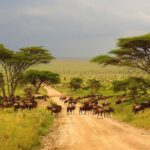
Tarangire National Park is famous for elephants, especially during dry months when they concentrate around water sources. Serengeti is about scale—endless plains—and about predators showing up when conditions line up. Ngorongoro Conservation Area (with Ngorongoro Crater on the menu) is the “tight package” stop: wildlife density tends to feel higher when you’re working the crater and nearby areas. Lake Manyara rounds it out with more specialized attractions, including birds and the famous story of tree-climbing lions.
Your “win” here is simple: you’re getting multiple chances at predators and multiple chances at different big-animal behaviors, because you’re changing parks, not just game-driving in one place.
You can also read our reviews of more private tours in Arusha
Price and What You Get for $2,400 a Person
At $2,400 per person for a private 6-day camping safari, you’re paying for more than seats and sightseeing. The value is in the combination:
- Certified guide (private, so your questions aren’t competing with 20 other voices)
- Private group format (only your group participates)
- Daily game drives across four major park areas
- Meals: breakfast (6), lunch (6), dinner (5)
- Campsite-based nights plus camp cooking support
Park admission is listed inconsistently across the itinerary (some stops show Admission Ticket Free, others show Admission Ticket Included). That’s worth treating as a “confirm this clearly in your booking” item, because you don’t want surprises once you’re already in Tanzania and everyone’s hungry.
Also: because this is a camping safari, you typically don’t get the same “lodging comfort” you’d find on a lodge-only itinerary. That can be a value boost for you if you like being close to the outdoors. If you expect resort-style downtime, you’ll likely feel disappointed.
The good news is that past guests highlighted meals as a real strength—real dishes, freshly prepared, and even an eco-minded approach described as low plastic use. When food is good on safari, you feel it for days.
Day-by-Day: Tarangire Elephant Water Points and Lilac Campsite Nights
Day 1 starts with a full-day drive in Tarangire National Park after an early breakfast. You’ll have a picnic lunch in the park, which matters because it keeps you out on safari longer instead of breaking the day for frequent stops.
Tarangire’s dry-season elephant behavior is the headline. The tour description calls out herds as large as 300 elephants scraping waterless riverbeds for alternative streams. That’s the kind of detail that helps you set expectations: you’re not just scanning for animals—you’re learning what to look for. If you see concentration near dry channels or the edges of remaining water, you’ll know why the animals are there.
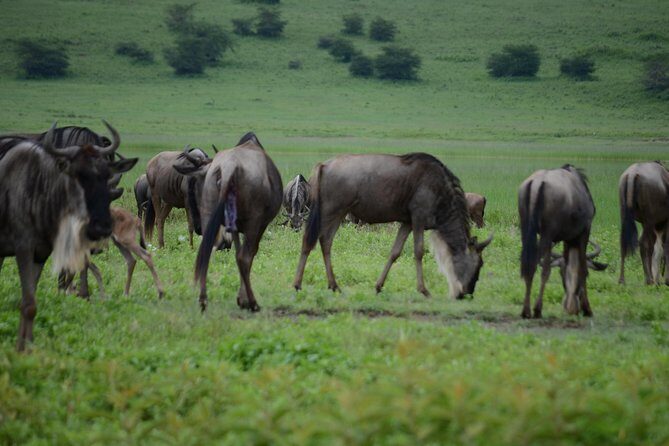
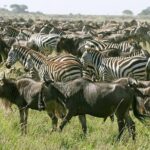
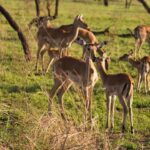
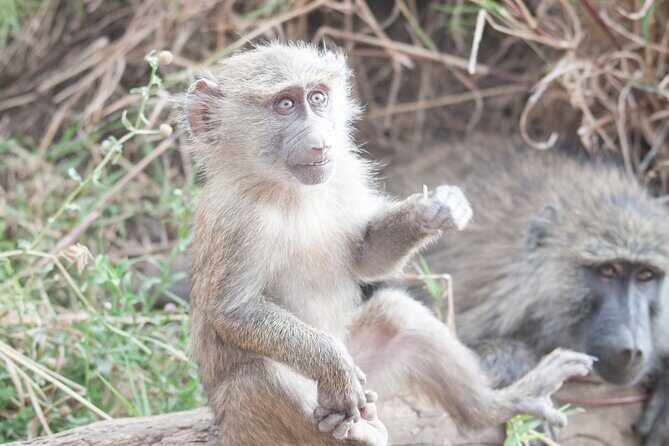
You can also look for a mix of familiar grassland and woodland species mentioned in the plan: wildebeest, zebra, buffalo, impala, gazelle, hartebeest, and eland. If your goal is photos, this day is built for it, because herds cluster and move in understandable patterns.
The night is at Lilac Campsite (as listed for Day 1). Camping can be simple, but it’s also one of the most memorable ways to experience safari. One practical thought: if you’re sensitive to cold at night, pack for it. Even when daytime is warm, nighttime in semi-arid regions can feel cooler than you expect.
Serengeti Arrival Day: En-Route Ngorongoro Conservation Area Game Driving
Day 2 shifts you toward Serengeti National Park, but the plan includes something smart on the way: passing through the Ngorongoro Conservation Area with game drive time en route.
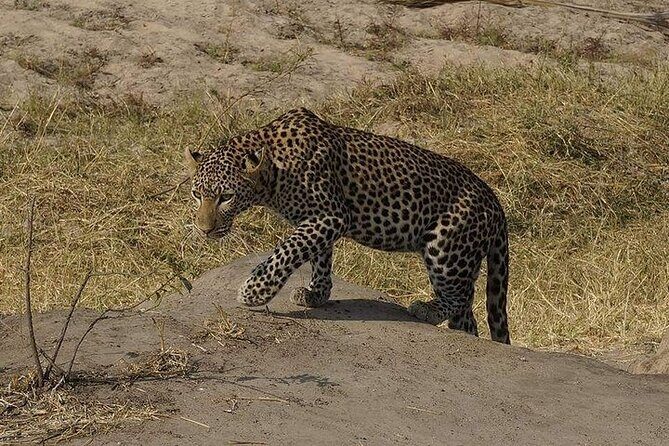
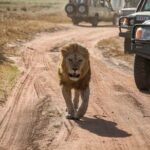
That matters because you’re not “wasting” the transfer day. You’re turning the travel time into wildlife time. The species listed for this en-route driving are strong for spotting variety: African lion, leopard, cheetah, hyenas, elephants, caracal, honey badger, and African wild dog. Realistically, you may not see all of them in one day—but listing them tells you what the guide is actively scanning for.
You’ll pack a picnic lunch and then continue on to Seronera Campsite for dinner and overnight. Seronera is a key name in this itinerary. It’s the anchor for several of the Serengeti days, and that repetition usually helps your odds because you get multiple shots at the same wildlife-rich water and movement patterns.
Full-Value Serengeti Game Drives: Central Serengeti and the Seronera River Advantage
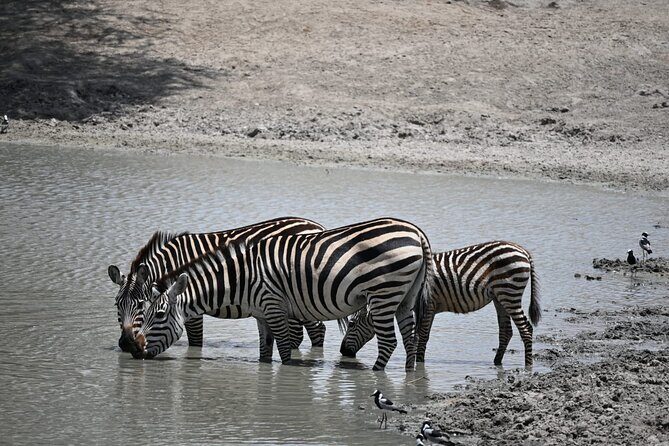
Serengeti here is not “drive for an hour, take a picture, move on.” The plan gives you serious time on the ground.
Day 3 is a full day game drive starting after breakfast, with a picnic lunch and then continued driving “till late evening,” followed by returning to Serengeti Seronera Campsite for dinner and overnight. The structure is classic for good wildlife viewing: morning light and fresh movement first, then a long mid-day search, then into late day when animals often become more active again.
Day 4 focuses on Central Serengeti, described around the Seronera area. The tour notes that the Seronera River provides a valuable water source that attracts wildlife—so your guide isn’t just “hoping for sightings.” They’re working a logic: water pulls animals, animals pull predators.
You’re set up for broad species chances across the Serengeti ecosystem, with day pacing built around staying out long enough to react when animals appear.
Potential drawback on this stretch: you’re spending a lot of time in a vehicle. If you get motion-sick, bring what works for you. Also pack for temperature swings—warm days can turn cooler as the day extends.
A few more Arusha tours and experiences worth a look
Ngorongoro Crater Day: Big Wildlife Density With a Conservation-Area Finish
Day 5 is where the itinerary turns to Ngorongoro Conservation Area and includes Ngorongoro Crater as a stop. The plan also still keeps you tied to Serengeti game drive time earlier in the day, and then you move after lunch.
That mix can be a good compromise if you don’t want one park day to feel like a “single-ticket” event. Crater days often become memorable because the terrain and concentration can make wildlife viewing feel tighter and more intense than in open plains.
After the crater portion, the itinerary lists transfer after lunch to your lodge in Ngorongoro Conservation Area. Even without lodge brand details, you should treat this as your “reset” part of the trip: after long drives and crater viewing, you’ll likely appreciate a more stable place to land for the next night.
What to watch for practically: crater viewing can mean more changing temperatures as you move between higher and lower ground. Dress in layers so you can stay comfortable when the day shifts.
Lake Manyara Finale: Birdlife, Zebras and the Tree-Climbing Lion Story
Day 6 ends with Lake Manyara National Park and an extended game drive. Your pickup from the lodge is listed between 8:30 and 9:00 am, and you’ll have a picnic lunch with you.
Lake Manyara’s appeal in this itinerary is specific:
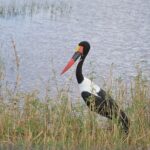
- birds (a big focus here)
- tree-climbing lions (named as a chance)
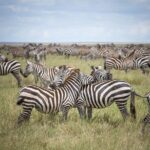
- herds of zebras and buffalo
Even if tree-climbing lions don’t show up, the birdlife and shoreline activity can keep your camera busy. This is also a good “wrap-up day” because you’re not trying to cover three parks in one go—you’re concentrating on one finishing experience.
One last practical note: by Day 6, you’ll likely be tired in a normal human way. Try to keep your packing tight (keep a dry bag for your small essentials), and keep your camera strap short so you can move fast if an animal appears near the vehicle.
Camping Setup, Chef-Style Meals, and the Photo-Friendly Pace
The big reason this safari stands out is not just the wildlife route. It’s how the days are run.
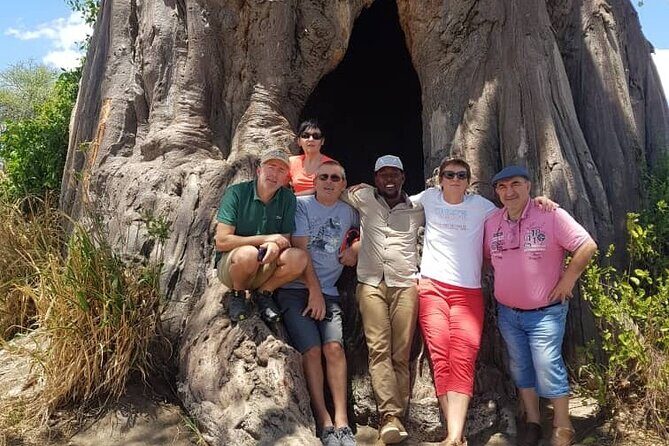
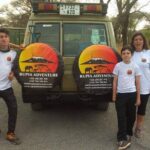
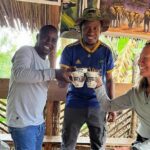
From the names highlighted in past trips, you’ll likely have a team with clear roles: a guide/driver, a cook, and sometimes a briefer who handles the pre-day explanation and wrap-up. Names that have shown up include guide Lewis AZD, Damien, Frederick, Max, and Jumbe (Frank), plus support folks like briefer Daniel and chefs/cooks like Musa, James, and Jeremias.
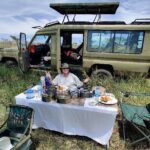
You’ll also hear a consistent theme: meals described as freshly prepared and satisfying, not just survival food. One account specifically praised lunch as real dishes and noted an ecological approach with no plastic waste. Another highlighted a camping setup that surpassed expectations, which is a good sign if you’re worried about the “camping” part.
Here’s how that matters for you: if you eat well, you can handle the long days of scanning and driving. Safari days demand patience. Good food reduces the irritability factor.
The pace also helps with photography. Since you’re not rushing from park to park constantly, your guide can slow down when something moves. That’s when you get the shots people remember, not just the quick sightings.
Who This Safari Fits Best (And Who Might Want a Lodge Instead)
This is a private safari, and the format is “only your group participates.” That tends to work well if you want flexibility, want your guide to explain what you’re seeing, and don’t want to share a vehicle with strangers.
It also fits you if:
- you like being outdoors and can handle camping nights
- you want a full “Northern Circuit” sampler rather than one single park
- you want serious game-drive time in Tarangire and Serengeti
A possible mismatch:
- if you expect lodge-level downtime every night
- if you dislike long drives or early starts
- if you need a very hands-off itinerary (this is active, not passive)
Also notice the dinner count: dinner is listed for five of the six days. Breakfast and lunch are listed for six days. That pattern is normal for safari schedules, but it’s worth checking what’s included on the final day once your exact pickup and end time are confirmed.
Should You Book This 6-Day Private Camping Safari?
I’d book it if you want a private, high-time-on-wildlife safari across Tarangire, Serengeti, Ngorongoro, and Lake Manyara, and you’re comfortable trading some “hotel comfort” for camp life and better value per day.
You should pause and read the fine print carefully if you’re worried about:
- whether park admission is fully covered end to end (the itinerary shows free vs included across stops)
- how camping nights fit your comfort level
- managing a long vehicle routine for six days
If you’re the type who wants to spend your vacation looking out at plains, riverbeds, and crater terrain while your guide works the animals’ logic, this route is built for you.
FAQ
How long is the safari?
The tour duration is approximately 6 days.
Where does the safari start?
It’s a private safari from Kilimanjaro Airport, with the tour location based in Arusha, Tanzania.
Is this tour private?
Yes. It’s private, and only your group participates.
Which national parks are included?
Tarangire National Park, Serengeti National Park, Ngorongoro Conservation Area (with Ngorongoro Crater), and Lake Manyara National Park.
What meals are included?
Breakfast is included for 6 days, lunch is included for 6 days, and dinner is included for 5 days.
Are park admission tickets included?
The itinerary lists admission tickets as free for many stops, and included for at least one stop. Check the details in your booking confirmation so you know what’s covered.
Do you get a guide?
Yes. A certified guide is included.
Is pickup included?
Pickup is offered. For Day 6 specifically, drivers pick you up from your lodge between 8:30 and 9:00 am.
Is a mobile ticket provided?
Yes. Mobile ticket is listed as a feature.
Is free cancellation available?
Yes. You can cancel up to 24 hours in advance for a full refund.