REVIEW · MOSHI
Kilimanjaro Climb & Safari – Lemosho Route – 13 Day
Book on Viator →Operated by Tusker Trail Kilimanjaro Adventures · Bookable on Viator
Kilimanjaro starts with a forest walk, not a wall of ice. This 13-day Lemosho Route combines big-altitude pacing with a safari finish in Tanzania, run by Tusker Trail, the company built in 1977 and still obsessed with safety. Two things I especially like are the focus on high-altitude first responder guides and the very practical camp-and-food system (custom walk-in tents and trained mountain chefs). One thing to consider: this is serious time on your feet, and you still need to budget for what’s not included, especially climbing gear and clothing rentals.
What makes this experience feel different is the way it treats the whole trip as one plan: get you ready in Moshi, move you gradually up through forests, plateaus, and alpine zones, then send you to the crater on summit morning with support that’s built for altitude emergencies. That balance is the real value, even at this price point.
In This Review
- Key highlights worth your attention
- Lemosho over Lemosho: why this 13-day plan helps your odds
- Moshi base camp at Bristol Cottages: where nerves turn into routine
- Rainforest day 3: Lemosho Glades, Turaco, and the slow build
- Shira Plateau days 4 and 5: first Kibo views and volcanic drama
- Lava Tower and Barranco Canyon: altitude lessons with giant plants
- Barranco Wall to Karanga: your first real test of the route
- Barafu High Camp: cold air, thin breathing, and focus mode
- Summit morning at Uhuru Peak and the crater choices
- Descent to Millennium Camp: legs learn a new kind of strength
- Millennium to National Park Gate, then a hot shower in Moshi
- Lake Manyara safari: the Rift Valley break after altitude
- Price and value: what $8,188 buys you (and what it doesn’t)
- Who should choose this climb, and who should pause
- Should you book the Tusker Trail 13-Day Kilimanjaro + Safari package?
- FAQ
- What does the trip cost?
- How long is the Kilimanjaro climb and safari?
- What route is used for the Kilimanjaro climb?
- Are meals included, and is there anything not included?
- Is this a private experience?
- What if the experience is canceled due to weather?
Key highlights worth your attention
- Lemosho-to-summit pacing: multiple altitude steps that keep the climb moving without rushing you
- Forest-to-crater variety: rainforest wildlife, plateau views of Kibo, then lava and scree zones near the top
- Safety-first support: described as high-altitude first responder guides plus a large crew model
- Food that matters: CIA-trained mountain chefs and farm-to-table style meals along the way
- A real safari finish: Lake Manyara days with Rift Valley views, plus optional extra parks routes
Lemosho over Lemosho: why this 13-day plan helps your odds
Kilimanjaro is not just about willpower. It’s about getting your body used to thin air without breaking it. The Lemosho route works because it starts you lower and more slowly than the shortest options, then keeps you learning the rhythm of hiking at altitude—up, down, and up again.
Here, you begin on the western slopes and transition through several distinct zones: montane forest, the Shira Plateau, alpine terrain near Lava Tower, then the Barranco area and finally the Barafu push. That progression matters because it gives you time to adapt, even if you still feel the altitude tightening your breathing later on.
Tusker Trail positions itself around safety and operational quality. They describe high altitude first responder guides, plus a long-running company history (since 1977) and a stated 99% summit success rate. I treat those as helpful signals, not guarantees. Still, they align with the way the schedule is built—especially summit morning starting early and the careful descent planning after.
One more thing: this tour is private for your group. That’s not a small detail on a mountain. Fewer moving parts can mean smoother timing for gear checks, meal service, and staying together when conditions change.
A few more Moshi tours and experiences worth a look
Moshi base camp at Bristol Cottages: where nerves turn into routine
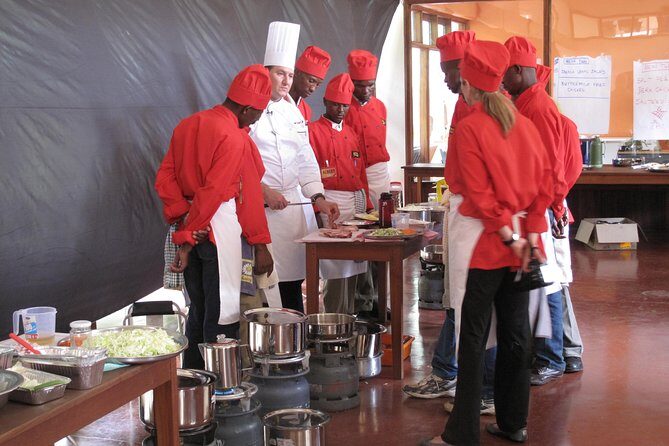
Most Kili trips start as soon as you land. This one gives you a short runway. You arrive in Moshi, then stay at Bristol Cottages Hotel for two nights. That matters because Day 1 is basically a reset: you sleep, eat, shower, and get your body on local time.
On Day 2, you meet your Tusker Mountain Guides for orientation and a final equipment check. This is one of the most important moments of the whole trip. It’s where you confirm that your layering plan makes sense, your pack is set up for trekking, and you understand how the climb days will feel.
After the gear check, you go for lunch in Moshi and can take in the local market at the base of Kilimanjaro. I like adding one “normal life” moment like that before the mountain takes over your calendar. It helps you remember why you came.
Practical note: Moshi is where you should use your hotel time well. If you can, keep an eye on sleep quality, hydrate steadily, and avoid any last-minute chaos with rentals or clothing fit.
Rainforest day 3: Lemosho Glades, Turaco, and the slow build
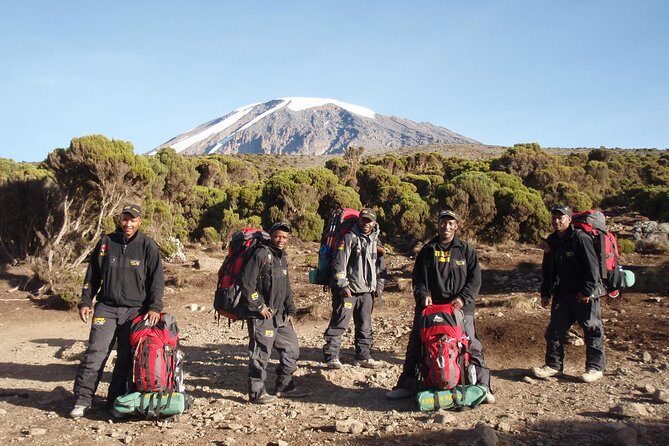
Day 3 is where Lemosho earns its keep. You enter the Lemosho Glades through montane forest, with dense vegetation, monkeys calling overhead, and guides who can point out local species as you walk.
You can expect sightings like Hartlaub’s Turaco (that purple-plumage bird) and Colobus monkeys in the canopy. The guides also use Eddie and Amy Frank’s Field Guide to the Flora of Kilimanjaro to identify plants you’d otherwise miss. This is not just “nature spotting.” It gives the walk structure, which helps on days when you’re still warming up and your altitude concerns feel distant.
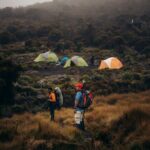
The day ends at Tusker camp in the forest, among towering trees. The advantage of starting this way is mental. You’re not immediately fighting rocks, cold, or thin air. You’re moving through a living ecosystem and learning the basics of the trekking pace the group will follow.
Potential drawback: rainforest days still require patience. Trails can be slippery, and you’ll likely sweat more than you expect. If you’re someone who hates humidity, pack for it mentally, even if you’ll later need warm layers.
Shira Plateau days 4 and 5: first Kibo views and volcanic drama
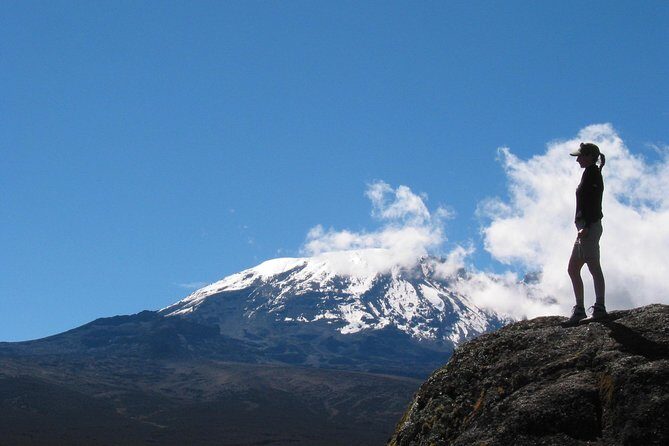
Day 4 climbs from rainforest into the Shira Plateau, a caldera formed by the collapse of one of Kilimanjaro’s original peaks. You hike along a ridge to the caldera’s edge at about 11,560 ft / 3,534 m, then move through heath and moorland with big views opening up—especially your first sight of Kibo Peak.
This is a long day (described as about 8 hours). I like that the schedule gives you lunch and structured breaks, but you should still treat it as work. Expect your body to start feeling that altitude fatigue, even if you’re not at summit height yet.
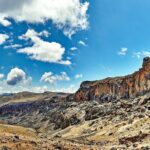
Day 5 continues across rugged Shira terrain toward Moir Camp. Moir is described as being at the end of a massive gorge, with a giant lava flow you walk beneath. That’s a memorable change of scenery: you go from “living forest” to “geology that you can touch.”
You stop for a hot lunch at Fisher Camp halfway to Moir Camp. That kind of break is more than comfort. It helps you keep steady hydration and energy, which directly affects how you sleep later.
The real takeaway from Shira days is variety. Your legs get trained for different ground types, and your mind gets a constant reminder that Kili is moving through phases, not just rising in one straight line.
Lava Tower and Barranco Canyon: altitude lessons with giant plants
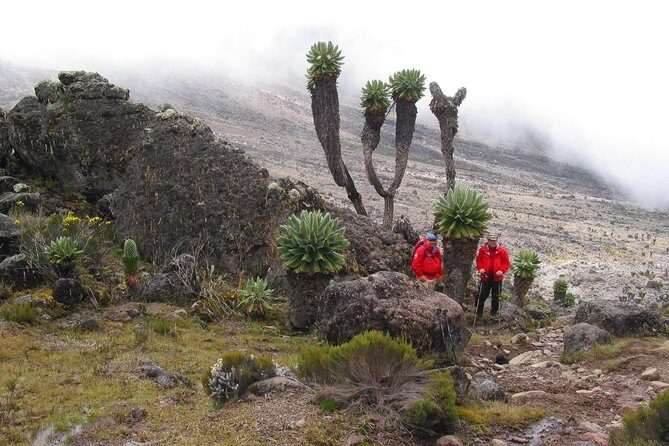
Day 6 is a classic Kili turning point. You trek into the Alpine zone toward Lava Tower at about 15,200 ft / 4,633 m. The description emphasizes the lunch break near the tower’s base, which is smart. You get a moment to breathe, stabilize, and let your heart rate come down.
Then comes the descent into Barranco Canyon, dropping roughly 2,000 ft / 610 m. Downhill sounds easier until you remember that at altitude, scree and uneven footing tax your knees and your stamina. You hike through a special habitat where giant senecios tower overhead and lobelias appear along the trail.
You camp at the foot of Barranco Wall, where anticipation builds. This is where you start feeling the climb shift from “long trek days” into “route challenges.”
Practical consideration: Barranco terrain can be awkward in any weather. If conditions are wet or icy (depends on season), watch your footing and use trekking poles if you have them.
Barranco Wall to Karanga: your first real test of the route
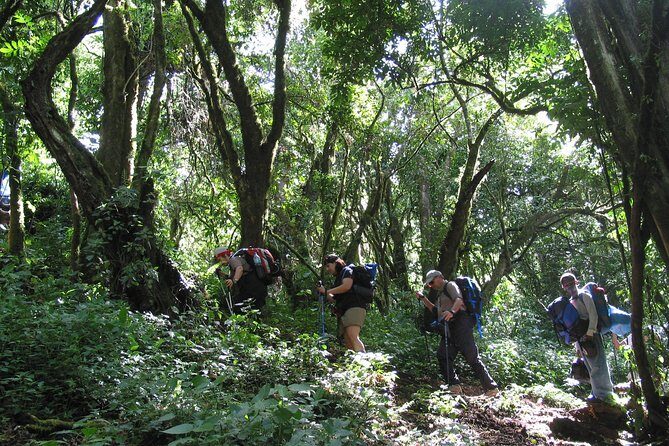
Day 7 starts with the Barranco Wall, your first major “problem spot.” It’s described as a test of endurance and agility, with Kibo Peak visible during the day. That matters: you’re not climbing in a fog bank of effort. You’ve got a visual goal, which makes steep sections more bearable.
After the wall, you descend sharply into the Karanga Valley and then climb again to Karanga Camp, described as nestled at the foot of Kibo. That up-and-down pattern is part of what helps acclimatization. You’re not just ascending blindly—you’re practicing how the mountain will ask you to move.
I also like that this day is shorter (about 5 hours). On Kili, shorter doesn’t mean easy. But it can help you absorb what happened on Day 6 and arrive at camp feeling ready for the next shift.
Barafu High Camp: cold air, thin breathing, and focus mode
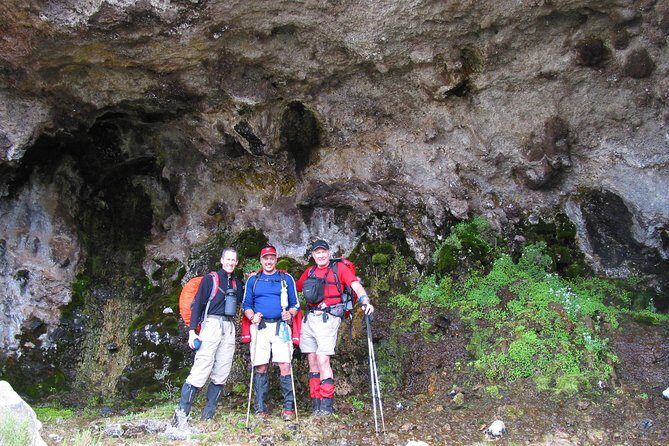
Day 8 is the push toward Barafu High Camp. The route moves over rocky terrain, and the plan emphasizes moving slowly as the air gets thinner.
Barafu is described as “ice” in Swahili—so you should assume cold temperatures. This is not the day for bravado. If you’re feeling breathless, that’s normal. The right response is steady pace, short breaks, and not letting your mind spin into panic.
You also get a sense of where you are in the mountain’s geography. Mawenzi looms behind you, and it helps you track that you’re climbing into the final phase.
Potential drawback: Barafu can feel mentally heavy because it’s close to summit day. It’s easy to start worrying about success, weather, and how your body will respond. The best strategy is to keep your routine simple: hydration, layers, early sleep when you can.
Summit morning at Uhuru Peak and the crater choices
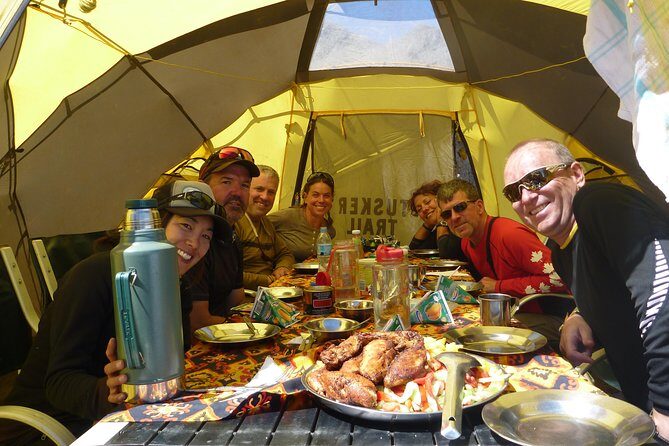
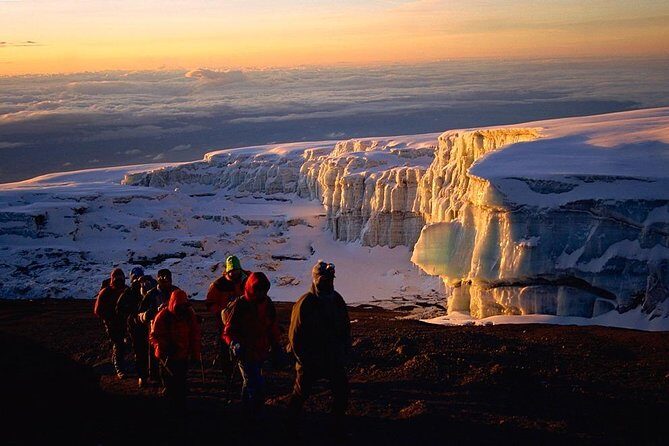
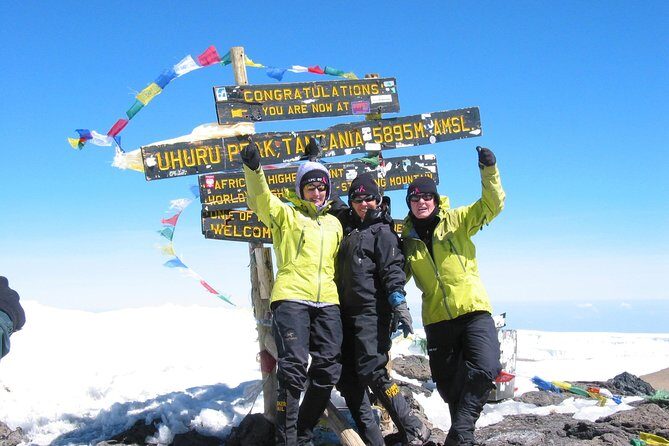
Day 9 is the summit day. You start climbing before sunrise and aim for the crater rim by mid-day, then Uhuru Peak—described as about an hour away from the crater rim. That hour is short on paper and brutal on legs in real altitude.
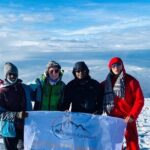
You’ll see Mawenzi and the crater’s ice walls as you rise. At the top, the experience is what Kili is famous for: big, stark views and that moment where your body and mind finally catch up.
The plan also notes options after reaching the summit: you can descend into the crater and camp for the night below the summit, or continue down to Barafu Camp. That choice (or the choice made for you based on conditions and group needs) is part of why the overall schedule matters. A good summit plan includes a sane descent, not just a trophy peak.
A key reality: summit day is not just physical. It’s emotional decision-making under cold and low oxygen. Strong guiding helps because it’s not just “go up.” It’s pacing, timing, and keeping you safe if the mountain pushes back.
Descent to Millennium Camp: legs learn a new kind of strength
Day 10 is downhill, and you still feel it. The schedule describes a descent through scree and a fast-feeling adrenaline period, then a return to Barafu for a lunch break after about two hours downhill.
From there, you continue to Millennium Camp, your last night on the mountain. I like that the tour gives you a final camp night that’s set up for the last stretch. When you’re tired, you need predictability. You need meals on time. You need your kit handled by people who do this every climb season.
Even if you’re excited, don’t rush this day. Descent fatigue can be just as risky as ascent fatigue.
Millennium to National Park Gate, then a hot shower in Moshi
Day 11 is the final leg. You hike downhill from Millennium Camp to the National Park Gate, which ends the climb portion. After signing out, you ride back to Bristol Cottages Hotel in Moshi for a well-earned shower and a cold drink.
That recovery matters. The celebratory part is the group dinner in the evening. It’s also a good chance to process what happened: the route phases you went through, the moments that felt smooth, and the moments that didn’t.
I’d treat this as your “body maintenance” night. No alcohol binges if you want to fly comfortably. Hydrate, eat something normal, and let your legs be legs again.
Lake Manyara safari: the Rift Valley break after altitude
The safari portion begins on Day 12 with Lake Manyara National Park. You stay at a traditional wildlife lodge perched on the Rift Valley escarpment with views of the plains. That location is practical because it gives you scenery even when you’re not in the vehicle.
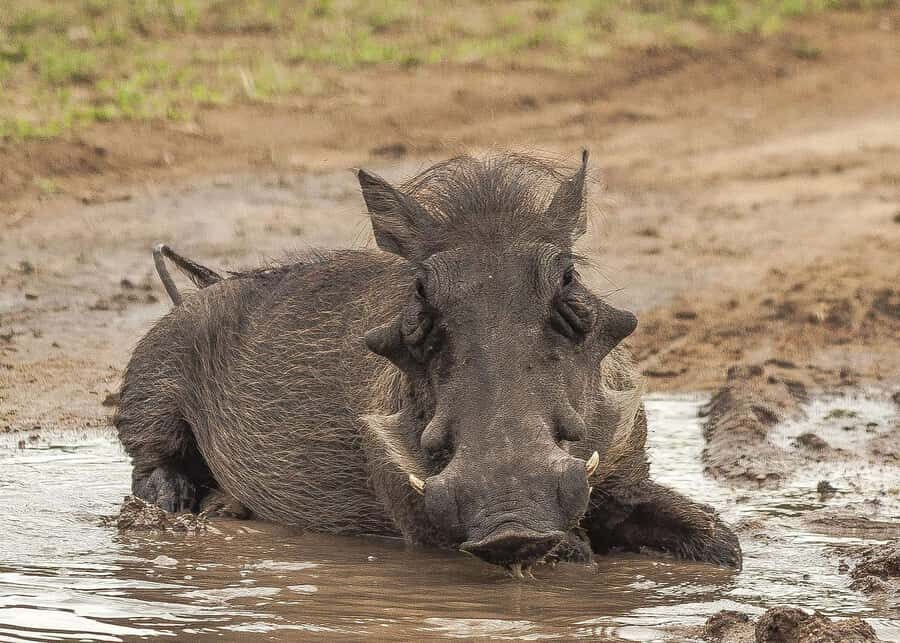
Day 13 continues with more safari time, described as an ongoing opportunity to encounter Africa’s wildlife.
The plan also mentions an option: if you opted for safari add-ons, pickup may route you to a different gate where you’ll take a short flight to other reserves such as Serengeti Plains, Ngorongoro Crater, and Tarangire (with Lake Manyara already in the mix). It even notes the idea of a short flight to Zanzibar as an alternative add-on.
How to think about this: the best way to plan is to decide whether you want a simple “one park, one focus” safari or a higher-volume itinerary with multiple regions. After Kilimanjaro, I often prefer fewer changes—sleep and recovery feel like part of the value.
Price and value: what $8,188 buys you (and what it doesn’t)
At $8,188 per person for this 13-day package, it sits in the high end. So you should judge it like this: not just summit odds, but how the trip reduces risk, stress, and wasted time.
Here’s what the program description suggests you’re paying for:
- Professional crew and safety systems, including high altitude first responder guides
- Custom walk-in tents and a mountain camp setup designed for comfort and operations
- Trained mountain chefs and farm-to-table style meals (food matters more than people think at altitude)
- A long-running company with a history since 1977 and a stated 99% summit success rate
- Social responsibility: they describe higher pay, pensions, and medical benefits for crew and partnerships supporting community work, including a school for deaf children via the Lions club
What you should plan for on your end:
- Climbing gear and clothing rental is not included. The data says to call for details. Don’t wait until the last minute. Fit and warmth matter more than brand names.
- The “Included” list explicitly mentions meals (breakfast, lunch, dinner). So if you’re comparing value with other operators, compare what’s covered beyond meals, and confirm what you’ll pay for locally.
Also: private tour means you’re not sharing the climb with random strangers. That can lower friction and make communication easier.
If you’re paying at this level, I’d expect tight organization—and the route schedule plus crew emphasis is at least consistent with that expectation.
Who should choose this climb, and who should pause
This tour says most travelers can participate, but Kilimanjaro is still demanding. This is for you if:
- you want the Lemosho route and the slower, phased acclimatization style it implies
- you value strong guiding structure and a big support crew model
- you’d rather have quality meals, camp systems, and safety emphasis than “cheapest possible summit”
Consider rethinking if:
- you hate cold and rough footing and don’t want to prepare for Barafu and summit-day conditions
- you’re not ready to handle long hiking days (several days are described around 7–8 hours)
- you don’t want to handle equipment planning, since rentals aren’t included here
One more tip: if you’re the type who gets anxious when plans change, ask during orientation how they handle weather or route adjustments. The mountain is real. Flexibility is part of the deal.
Should you book the Tusker Trail 13-Day Kilimanjaro + Safari package?
I’d book this if you want a full trip that treats safety, food, and pacing as core—not just add-ons. The Lemosho route profile plus the described first responder guide focus is a strong match for people who want to manage altitude risk carefully. The Lake Manyara safari also gives you a satisfying reward phase after the climb, with lodge comfort and a change of pace.
I wouldn’t book it if you’re chasing the lowest price or if you’re unclear on clothing and gear needs. Since climbing gear rentals aren’t included, make sure you understand exactly what you’ll need and how you’ll get it.
If you’re ready to plan seriously and hike steadily, this looks like a good value at its price tier—especially because the operational “small details” (food quality, guide competence emphasis, camp setup) tend to be the difference between a trip that’s hard and a trip that’s hard in the worst way.
FAQ
What does the trip cost?
The package price is listed as $8,188.00 per person.
How long is the Kilimanjaro climb and safari?
The total duration is listed as 13 days (approx.), including the Kilimanjaro climb and the Lake Manyara safari portion.
What route is used for the Kilimanjaro climb?
The climb uses the Lemosho Route.
Are meals included, and is there anything not included?
The included items list breakfast, lunch, and dinner. Climbing gear and clothing rental are not included, and you’re instructed to call for details.
Is this a private experience?
Yes. The tour/activity is listed as private, meaning only your group participates.
What if the experience is canceled due to weather?
The experience requires good weather. If it’s canceled due to poor weather, you’ll be offered a different date or a full refund. It also lists free cancellation up to 24 hours in advance for a full refund.