REVIEW · ARUSHA
tarangire & ngorongoro 2 days tour
Book on Viator →Operated by safari soles tours · Bookable on Viator
Tarangire and Ngorongoro in two days is a real wildlife sprint. I like this plan because it gives you full game-drive time in Tarangire National Park, then spends the second day on the Ngorongoro Crater floor where animals are easier to spot while you roll through the caldera. I also like that it keeps things practical: small group size (max 6), pickup from Arusha, and included binoculars. The main thing to consider is comfort: there’s no restroom on board, so you’ll need to use stops wisely.
You’ll spend long hours in the vehicle—about 9 hours on day one and 8 hours on day two—so you should go in with the right mindset: this is about game viewing first, not rushing through photo stops. If you want the best odds of seeing cats and the big grazers they chase, this is the kind of route that prioritizes time in the parks rather than extra add-ons.
Guides are a big part of why this works. Names like Godfrey, Fredy, Isaac, Freddie, and Jonathan show up in recent guest feedback as people who know how to read animal behavior and put you on the right stretches of road when sightings slow down. Add in a responsive team (Patrick is mentioned in one booking story), and you get a safari that feels organized without being stiff.
In This Review
- What makes this 2-day Tarangire–Ngorongoro safari worth it
- Two parks, one rhythm: how the pacing stays relaxed
- Day 1 in Tarangire National Park: elephants, cats, and prey in the same loop
- Day 1 evening: dinner plus camping equipment
- Day 2 at Ngorongoro: viewpoint first, then the crater floor work
- Wildlife priorities: what to expect and where patience pays off
- Small group size (max 6) and the guide effect
- Price and value: what $1,550 per person includes
- Comfort and logistics you should plan for
- Who this Tarangire & Ngorongoro safari fits best
- Should you book this tour or keep looking?
- FAQ
- How long is the Tarangire & Ngorongoro 2-day tour?
- Where does the safari start?
- What wildlife parks are included?
- What’s included in the price?
- Is there a restroom on board?
- What group size should I expect?
- What if weather is poor?
What makes this 2-day Tarangire–Ngorongoro safari worth it
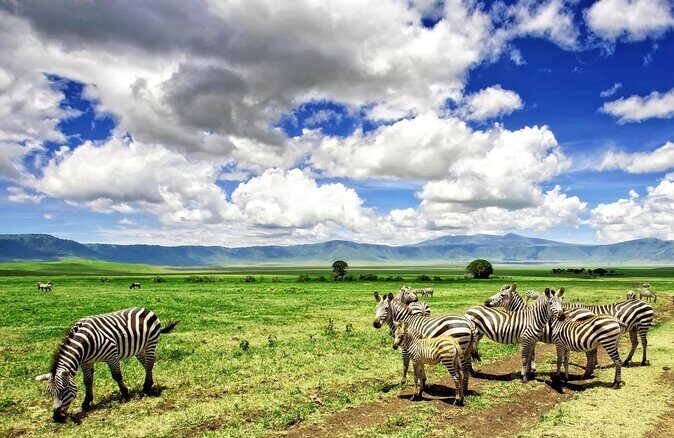
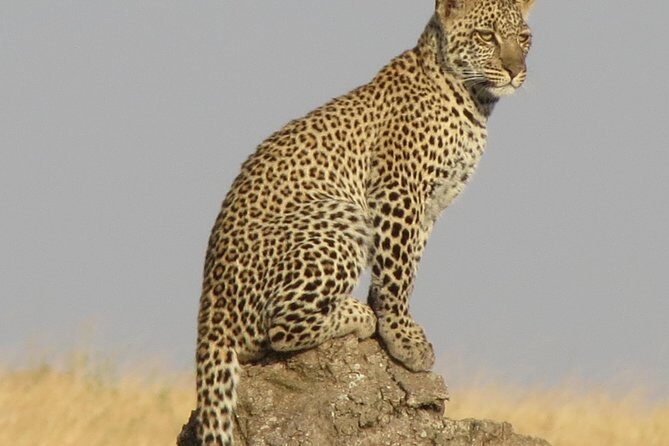
- Tarangire focus for big cats: lions, cheetahs, leopards, plus plenty of prey animals.
- Ngorongoro viewpoint first: a short stop that sets the stage before the crater game drive.
- Black rhino odds where it’s possible: the crater floor makes viewing easier than searching from the outside.
- Small group, max 6: more flexibility in how your day moves on the ground.
- Binoculars included: helps you spot animals across distance and saves you from packing gear.
- A value-heavy bundle: admission tickets, meals, and key equipment are already part of the price.
Two parks, one rhythm: how the pacing stays relaxed
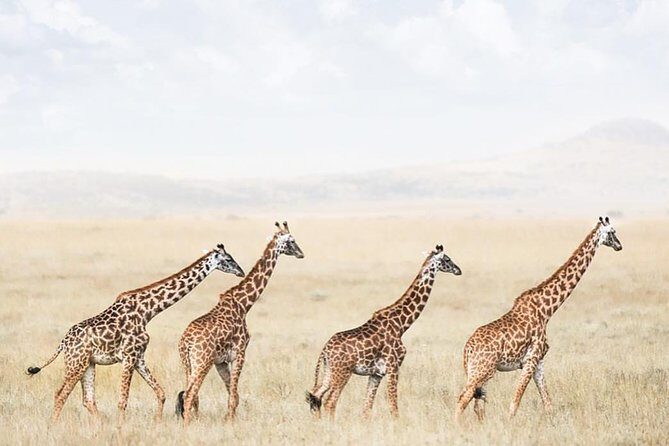
This safari’s rhythm is simple. You start in Arusha, move to Tarangire for a full day of game viewing, then shift to Ngorongoro for a viewpoint, crater descent, and another full round of driving. It’s not a “see everything in one hour” schedule. It’s more like: park time, animal time, then eat and rest, then do it again.
That matters because wildlife spotting is timing plus patience. Tarangire tends to reward long drives through good habitat—open areas and animal-frequent routes—where you can catch lions or cheetahs when they’re moving between cover and open ground. Ngorongoro is different. The crater floor acts like a natural bowl. Instead of trying to find animals scattered across a huge region, you’re working in a defined space where you can scan, reposition, and often see more from a single stretch.
Your group size also changes the feel. With up to 6 travelers, you’re less likely to feel like you’re sharing your day with a whole caravan. You get a more focused experience, and when a sighting pops up, your guide can react without having to manage a large group.
A few more Arusha tours and experiences worth a look

Day 1 in Tarangire National Park: elephants, cats, and prey in the same loop
Day one is built around a true full-day game drive in Tarangire. After your morning drive from Arusha to the park, you’re out for about 9 hours, chasing the best spots where big cats and their favorites show up.
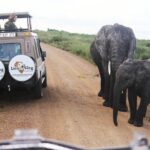
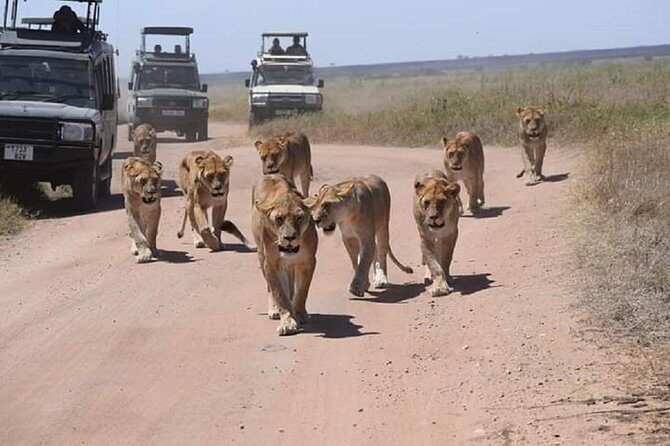
Tarangire is especially strong for two things mentioned again and again in the safari description: elephants and wild cats. Expect to spend time in areas where you can realistically track movement and behavior—where herbivores gather and predators have chances to hunt. When elephants are present, you often see activity ripple through the rest of the herd. That’s when your driver can start picking up smaller signs: monkeys moving in the trees, buffaloes clustering near water, or zebras and impalas using predictable routes.
The animal list you should plan around is broad. You’re set up for chances at:
- lions, cheetahs, and leopards
- elephants
- wildebeest and buffaloes
- zebras and impalas
- warthogs and deer/gazelle types
- plus monkeys
A quick reality check: sightings are never guaranteed, even on great days. But the way this day is structured—long driving time inside Tarangire—gives you the shot you need. If cats are nearby, they rarely cooperate on a strict schedule. You need hours, not minutes.
Also pay attention to the “why” behind the long day. A 2-day safari only works if you spend the majority of your time where animals live. This one does that. You’re not burning your best light hours on extra stops outside the parks.
Day 1 evening: dinner plus camping equipment
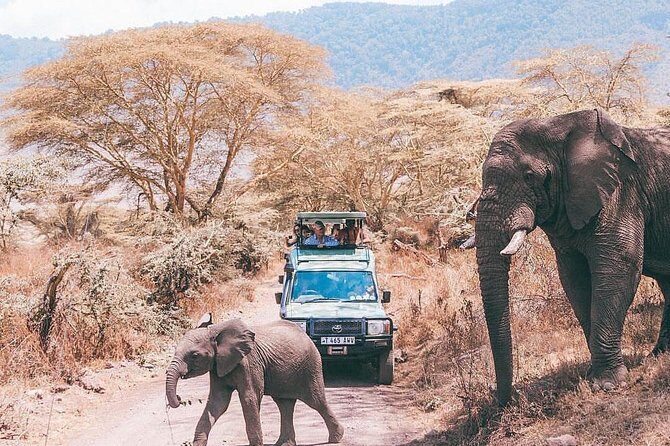
After day one of driving, this trip includes dinner and also lists camping equipment as part of what’s provided. That’s a strong sign the safari is meant to be fully packaged for your stay, not just a day trip that drops you off and calls it done.
One small practical note: the exact type of overnight setup (lodge vs. camp-style) isn’t spelled out in the details you provided. What is clear is that camping gear is included, so you should expect that the organizer is thinking about the needs that come with staying overnight in the bush.
If you’re the kind of traveler who likes feeling cared for—clean planning, meals covered, fewer logistics headaches—that “everything handled” feeling is what you’re buying here.
Day 2 at Ngorongoro: viewpoint first, then the crater floor work
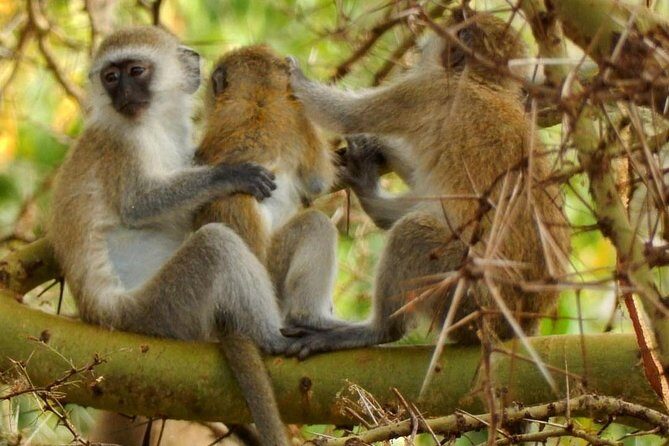
Day two starts with early breakfast, then heads to the Ngorongoro Crater viewpoint. You get about 30 minutes up top, long enough to really take in the scale. The description is accurate: the view tends to hit you fast. It’s one thing to see Ngorongoro in photos, and another thing to look down into a space that feels like it was carved out specifically for wildlife.
Then comes the key shift: you descend into the crater for your game drive. This is where the safari earns its reputation as an easier wildlife destination. The crater floor creates a natural stage. You don’t have to scan a limitless horizon. You’re searching within a defined “bowl,” which can make animals easier to spot and puts you in a better position to cover ground when sightings change.
The star target on day two is black rhino. Your schedule explicitly mentions rhinos as the hardest to spot, and it frames the crater advantage correctly: most other animals can be easier to see from the floor. That means the rhino search is partly about timing, partly about patience, and partly about your guide’s ability to choose where to look.
After lunch, you continue with game drive time and then ascend the crater for the return back to Arusha town. Day two is about 8 hours total, so plan for another full wildlife-focused day, not an easy stroll.
Wildlife priorities: what to expect and where patience pays off
If you’re booking Tarangire and Ngorongoro together, you’re usually chasing two different “moods” of safari.
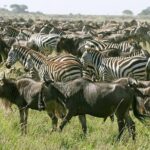
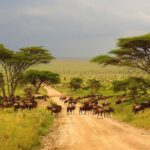
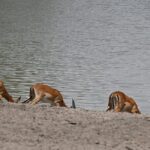
In Tarangire, your odds come from seeing big herds and the predators that hunt around them. Elephants, wildebeest, buffaloes, zebras, impalas—when these are moving through your route, there’s often action happening nearby. That’s when you get the chance at lions, cheetahs, and leopards as the day goes on.
In Ngorongoro, your odds come from being on the crater floor with a guide who knows how to work the terrain. You’ll spend time looking for:
- animals easier to spot from inside the crater
- and the hardest target of the day: black rhino
The smartest way to approach this is not to treat the rhino like a simple yes-or-no checklist. Instead, treat it like a “search with a lot of other reward.” Even if rhinos take time, you’re still driving inside a high-density wildlife environment where sightings can happen often.
Also, don’t ignore the non-predator animals. Hippos and other water-loving creatures are part of what makes the crater feel busy. When you see hippo activity or herd movement near likely water sources, predators can show up in response. You’ll understand this pattern fast once you’re inside the crater and your guide starts reading behavior instead of just pointing.
Small group size (max 6) and the guide effect
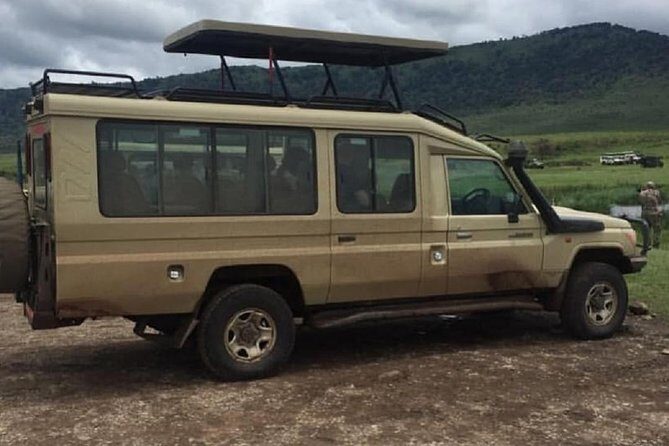
A max group size of 6 travelers sounds like a small detail until you’re actually in the parks. It tends to translate into a smoother day on the ground. Fewer people means fewer competing needs—bathroom timing, photo angles, and quick repositioning all get simpler.
Then there’s the guide factor. Recent safari feedback highlights specific guides by name, including Godfrey, Fredy, Isaac, Freddie, and Jonathan. The common thread in those notes is not just being friendly—it’s being able to find animals and explain what you’re seeing in a way that makes the whole drive feel purposeful.
If you’re newer to safari, a strong guide helps you stop “guessing” and start understanding. You learn to read the why behind movement—where herds tend to cross, what predators do when they’re hunting, and how quickly animals can appear once the vehicle is in the right position.
If you’re more experienced, you’ll still value that. Even seasoned wildlife watchers can get better results when someone has local pattern recognition and knows how to time the vehicle at the right viewing angles.
Price and value: what $1,550 per person includes
At $1,550 per person for a 2-day safari, the price lands in the “serious but not crazy” bracket for a Tanzania wildlife combo. What makes it feel like better value is what’s included, especially for a short itinerary.
You’re covered for:
- breakfast (and at least two lunch meals listed)
- dinner
- all fees and taxes
- admission tickets for both parks/sections noted
- binoculars
- camping equipment
- pickup (offered)
What you’re not covered for includes a single, very practical item: restroom on board.
Now, here’s the value logic I use: short safaris live or die on inclusion. If admission and key gear were extra, the real cost would jump. Since major items are already baked in here, you’re less likely to feel nickel-and-dimed after booking.
Group discounts are also mentioned, which can matter if you’re traveling with others or can flex dates. Still, you should compare this total package price against others that separate park fees, meals, and equipment. Many “cheap” safaris get expensive fast once the bill shows up.
Comfort and logistics you should plan for
Two practical details stand out in your provided information.
First, no restroom on board. That doesn’t ruin the safari, but it does change how you should manage your expectations. You’re in the vehicle for long stretches. Use breaks when they happen, and don’t assume you’ll be able to step out between viewpoints whenever you want.
Second, the trip includes camping equipment and meals. That’s good for reducing the number of things you have to arrange yourself. It also means you should pack like you’re joining a working safari schedule: you’ll be eating when meals are planned, and you’ll use the provided binoculars instead of prioritizing your own wildlife gear.
One more small factor: mobile ticket is included, and confirmation is received at booking time. That’s mainly peace-of-mind. You’ll know you’re set up before you arrive.
Who this Tarangire & Ngorongoro safari fits best
This is a great pick if you want a wildlife-heavy, short Tanzania trip. Two days is not the place to go looking for slow travel. It’s the right match if your top priority is time in national parks and a realistic shot at both classic Tarangire sightings and Ngorongoro’s rhino challenge.
It’s also a good fit if:
- you like traveling in a small group
- you want pickup from Arusha instead of self-navigating
- you care about having binoculars and park fees handled
- you want a guide-led experience where spotting matters
If you’re the type who needs constant comfort breaks or you dislike long drives, you might find the schedule demanding. The big upside is that you’ll be spending the day where wildlife happens, not where waiting happens.
Should you book this tour or keep looking?
I’d book this if you want a compact safari that hits two of Tanzania’s most proven wildlife destinations with a plan that prioritizes game drive time. The strongest reasons are practical: Tarangire for big cat and elephant chances, Ngorongoro for crater-floor viewing, and a package that includes admission, meals, and binoculars.
Before you commit, think honestly about two things. One: you’re buying a 2-day sprint, so you’ll be in the vehicle for long blocks. Two: you’re responsible for restroom timing because it’s not on board.
If those fit your style, this is a solid choice. The guide experience also looks like a real advantage, with named guides like Godfrey, Fredy, Isaac, Freddie, and Jonathan showing up in guest feedback for professional guiding and strong animal-finding skills.
FAQ
How long is the Tarangire & Ngorongoro 2-day tour?
The tour runs for about 2 days, with day one described as around 9 hours and day two around 8 hours.
Where does the safari start?
It’s based in Arusha, Tanzania, and pickup is offered.
What wildlife parks are included?
You visit Tarangire National Park and Ngorongoro Crater.
What’s included in the price?
Included items list breakfast, dinner, lunch (2), all fees and taxes, admission tickets, binoculars, and camping equipment.
Is there a restroom on board?
No. Restroom on board is listed as not included.
What group size should I expect?
The tour has a maximum of 6 travelers.
What if weather is poor?
This experience requires good weather. If it’s canceled due to poor weather, you’ll be offered a different date or a full refund.