REVIEW · ARUSHA
8-Day Private Guided Northern Circuit Safari Tanzania from Arusha
Book on Viator →Operated by Arusha Trips | Adventurous Tanzania Safari's · Bookable on Viator
Eight days, five big landscapes, one private safari. You’ll stitch together Tanzania’s Northern Circuit in your own converted safari vehicle, with a professional driver-guide and real time for wildlife. The schedule also adds a walking safari in Arusha and gives you the kind of Serengeti time that actually matters.
What I like most is the mix: it’s not just driving past animals. I love starting with a close-up, guided day in Arusha National Park, including a walking safari led by an armed ranger for protection. I also love that you get both early sunrise Serengeti and a full day after, so you’re not stuck on one brief viewing window.
One consideration: you’re in the car a lot. This circuit is spread out, so expect long, bumpy stretches and plan around fatigue, not just excitement. Pack for motion sickness just in case.
In This Review
- Key things that make this Northern Circuit safari worth it
- Arriving in Arusha: where your safari rhythm starts
- Day 2 in Arusha National Park: walking safari with an armed ranger
- Lake Manyara: elephants, flamingos, and the park’s dramatic moods
- Serengeti National Park: plains, sunrise, and two bites at the apple
- Ngorongoro Crater: the steep road and the chance at a single-day concentration
- Tarangire National Park: elephants, baobabs, and a classic change of pace
- Day 8 back in Arusha: a gentle landing after long days
- The value play: $4,149 per person and what you’re actually buying
- Guides and the human side: why names matter
- Who should book this Northern Circuit safari
- Should you book this 8-day Northern Circuit private safari?
- FAQ
- Is this safari private or shared?
- Do you pick me up in Arusha or at the airport?
- Are park fees and admissions included?
- What meals are included?
- How soon will I get confirmation after booking?
- Do I need a visa or travel insurance?
Key things that make this Northern Circuit safari worth it
- Private safari vehicle, private guide: your day runs at your pace, not a group’s schedule.
- Walking safari in Arusha National Park with an armed ranger: a rare, close-up way to see wildlife safely.
- Serengeti at sunrise plus another full Serengeti day: you’re set up for more than one good sighting.
- Ngorongoro Crater with steep descent and big-animal payoff: one of the best places in Tanzania to look for dense wildlife.
- Tarangire elephants and huge baobabs: a different feel from the Serengeti plains.
- All accommodations and meals included: value shows up because you’re not nickel-and-diming logistics daily.
Arriving in Arusha: where your safari rhythm starts
Your safari begins in Arusha, and the first day is built for sanity, not rushing. You’re greeted at arrival, then taken to your lodge. There’s a short briefing on what comes next, plus a local drink to loosen the edges after travel day.
This matters more than it sounds. When you start a multi-park safari, the first day sets your energy level for everything after. With the pickup and a proper orientation, you’re not trying to figure out schedules, documents, and timing at the same time you’re excited about your first wildlife day.
Arusha itself also works as a buffer. Even though the parks are the headline, starting here makes the trip feel grounded and human-scale. You’re not immediately dropped into big-day driving chaos.
If you’re the type who likes to get organized early—charging batteries, mapping out camera settings, and asking your guide how best to approach each park—this start gives you room to do it.
You can also read our reviews of more guided tours in Arusha
Day 2 in Arusha National Park: walking safari with an armed ranger
Day 2 is where this tour earns its stripes. You put on your hiking boots and head into Arusha National Park for a walking safari. This is not the usual big-game drive where you sit in a vehicle and watch from a safe distance. You’re on foot, closer to what’s going on.
The key point is safety and structure. During the walking safari, you’re accompanied by an armed ranger. That combination—guidance, protection, and time outdoors—lets you experience the park more like a living habitat than a checklist.
Wildlife viewing here tends to feel intimate because you’re moving through the area rather than scanning wide plains. It’s also a great way to get comfortable with animal behavior and how quickly things can change. You’ll learn what to look for and how guides read the land: tracks, movement, sound, and the patterns that bring animals into view.
This day is listed as about 8 hours, so it’s not a quick add-on. Treat it as a real activity day. If you’re expecting an easy stroll, temper that. You’ll be walking and paying attention the whole time.
Lake Manyara: elephants, flamingos, and the park’s dramatic moods
Next comes Lake Manyara National Park, and the appeal is variety. The park is famous for mixing landscapes and animal hangouts in a way that keeps the drive interesting.
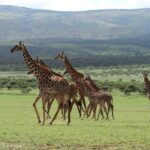
In your day here, you can expect a mix of big mammals and bird life. Think elephants, giraffes, and flamingos. The description also points to mud pools full of hippos, which tells you this isn’t just a savanna scenery stop—it’s a place where animals concentrate around water.
This is the kind of park where timing can matter. If you catch the right moments, you’ll get those classic photo scenes: animals pausing near water, birds feeding in groups, and elephants moving through the area with no hurry.
One practical note: Lake Manyara days can feel different depending on water levels and activity patterns. Your guide’s job is to help you read what’s happening in real time and shift you to where viewing is best right now, not where viewing theory says it should be.
The schedule gives you about 8 hours, which is enough to do more than one loop and adjust if the park throws you a curveball. If flamingos are the goal, you’re not stuck waiting until the last hour and hoping.
Serengeti National Park: plains, sunrise, and two bites at the apple
Serengeti is where most people start dreaming, and this itinerary gives you real time there—two separate days.
Day 4 is a long stretch heading into the park and arriving in the morning, with about 14 hours on the day. Day 5 is built specifically for a sunrise safari, then more wildlife searching later in the day. In other words: you’re not treating Serengeti as one quick outing. You’re treating it like a destination that deserves patience.
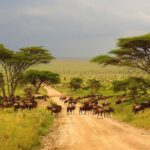
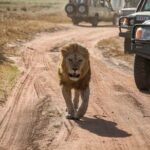
The plains are the stage. The animals—lions, cheetahs, leopards, hyenas, and more—are the drama. Your guide’s spotting ability and driving choices can make a huge difference in what you see and how long you see it.
The big advantage of sunrise: animals are often more active and light is better for both sighting and photography. You’re also more likely to catch predators moving or hunting at the edges of activity. If you’ve ever had a safari day that felt like it started too late, this fixes that.
Your second Serengeti day then acts like a follow-up. It’s your chance to chase the sightings you missed in the morning, to revisit areas that looked promising, or to simply slow down and enjoy the moment.
This is also where the private setup pays off. In a private setting, your vehicle and timing can be adjusted to keep you in position. Even without guaranteeing specific animals, the structure increases your odds of great encounters.
Ngorongoro Crater: the steep road and the chance at a single-day concentration
Day 6 is Ngorongoro Crater, and the description hints at what makes it intense: an adventurous road with steep, narrow trails and magnificent views. You’re going to feel the terrain, and then you drop into the crater itself.
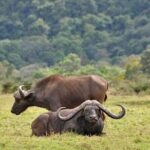
Inside the crater, the pitch is simple: wildlife density. The plan notes you may even spot the whole BIG5, though with safari you should treat that as a possibility, not a promise. Still, the crater’s reputation comes from the fact that animals often cluster in a small area compared to broader parks.
A crater day is also mentally different. You’re not moving across endless plains all day; you’re watching a compact ecosystem and making the most of your time there. Your guide’s ability to position your vehicle matters because animals can appear, feed, and shift around quickly.
This day is listed as about 12 hours, with the admission ticket included. Practically, that means you get substantial time in the crater and not just a brief viewing window.
What I find useful about a crater stop in a circuit like this is contrast. Serengeti is wide-open and mobile. Ngorongoro is more contained and concentrated. You get both styles of safari.
You can also read our reviews of more private tours in Arusha



Tarangire National Park: elephants, baobabs, and a classic change of pace
After crater intensity, Tarangire feels like a reset. You’ll drive into Tarangire National Park, known for large herds of elephants and huge, ancient baobab trees.
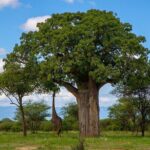
This is a different visual world from Serengeti plains. Baobabs give you scale and character, and they often serve as natural landmarks where animals pass through. Elephants, meanwhile, bring a steady rhythm to sightings: you might see individuals browsing, families moving, or groups gathering near water sources.
The day is listed at about 12 hours, with admission ticket free in the itinerary. That length matters because Tarangire can reward longer scanning time. Elephants don’t always appear right where you expect. With more time, you can adjust your route and find their movement patterns.
Also, the circuit flow is smart. You go from Serengeti’s predator-heavy reputation into a park that offers strong elephant viewing and signature trees. It helps keep the safari from feeling like you’re chasing the same thing in the same way every day.
If your group enjoys photography, Tarangire often gives you more “scene” shots—baobab trunks, animal shadows, and wide perspectives—along with close-up elephant moments when luck and timing align.
Day 8 back in Arusha: a gentle landing after long days
Your final day is a softer landing. You’ll wake up full of memories, enjoy a nice cocktail, and then be dropped at the airport for your flight home.
This sounds simple, but it’s the right ending for a circuit safari. If you end with an immediate travel scramble, the trip can feel chopped up. Here, the structure helps you decompress, review your photos, and swap stories while everything is still fresh.
It’s also a chance to do a quick check on essentials—camera batteries, chargers, and any small purchases you want to bring home. Safari days can be dusty; you’ll want to be ready to pack cleanly.
The value play: $4,149 per person and what you’re actually buying
At $4,149 per person for an 8-day private guided Northern Circuit safari, you’re paying for a lot of logistics being handled.
Here’s what stands out as value, based on what’s included:
- Private transportation throughout, meaning you’re not sharing your viewing time or driving plans.
- Personal safari guide, which matters for spotting, positioning, and making sense of animal behavior.
- All accommodations plus breakfast, lunch, and dinner across the days listed. That reduces the stress of finding meals while you’re exhausted from park time.
- All fees and taxes, with park entries listed as free for multiple days and Ngorongoro admission included on the crater day.
In plain terms: you’re paying to reduce uncertainty. Instead of piecing together lodging, meals, and park access day by day, the trip is packaged around the key experience—wildlife viewing across several major parks.
The “private” part also changes how your time feels. In a shared setting, you can’t always slow down for that one perfect moment. In your own safari vehicle with your guide, you can stay flexible when sightings appear.
One more practical touch: there’s pickup offered, group discounts mentioned, and mobile tickets. Those details don’t sound like safari, but they smooth the trip so you can focus on being present.
Guides and the human side: why names matter
One recurring theme in feedback for this operator is that the planning person and the driving guide can make a real difference. Names that show up include Lex (planning support), and on-the-ground guides like Mike, Peter, Joseph, Alex, and Leonce.
What you should take from that isn’t star names. It’s the pattern: people remember the guide’s animal knowledge and the easy communication that makes long days feel manageable. A good driver-guide helps you understand what you’re seeing, not just point at it. They also know when to reposition and when to wait.
You also see praise for accommodations being a good fit—clean and comfortable—and for the overall arrangement feeling smooth. On safari, that kind of comfort is not fluff. After early mornings and long drives, you want sleep and showers that actually help you recharge.
Who should book this Northern Circuit safari
This is a strong match if you:
- Want private safari time across multiple top parks without the hassle of building the route yourself.
- Like the idea of a more active day, including the walking safari with an armed ranger.
- Appreciate a structured wildlife schedule: sunrise Serengeti, a second Serengeti day, then crater and Tarangire.
It’s also a good option for groups who want to travel on their own rhythm. The tour is private, so only your group participates.
If you’re the type who gets impatient with long travel days, this might be harder. You’ll be in transit often, because this circuit covers a lot of ground in a limited timeframe.
Should you book this 8-day Northern Circuit private safari?
If you want a “classic Tanzania hits” safari done in a private way, I think this one is worth serious consideration. The biggest strengths are the structure—walking safari day, two Serengeti days with sunrise, and a full crater day—and the fact that meals and accommodations are handled. That turns the trip into a smoother experience rather than a daily logistics problem.
Book it if your priority is wildlife variety across the Northern Circuit, and you’re comfortable with long days of driving. Don’t book it if you’re looking for something low-effort and quick. This is a safari built for people who like being out there all day.
FAQ
Is this safari private or shared?
It’s a private tour/activity, so only your group will participate.
Do you pick me up in Arusha or at the airport?
Pickup is offered, and on Day 1 your personal driver meets you on arrival and takes you to your lodge. On the last day you’ll be dropped at the airport.
Are park fees and admissions included?
Yes. The experience includes all fees and taxes, and the itinerary lists admission tickets as free for multiple parks. Ngorongoro Crater admission is specifically marked as included.
What meals are included?
Breakfast is included for 8 days, lunch for 8 days, and dinner for 7 days, as listed in the inclusions.
How soon will I get confirmation after booking?
Confirmation will be received within 48 hours of booking, subject to availability.
Do I need a visa or travel insurance?
Visa and travel insurance are not included.