REVIEW · ARUSHA
6 Day: Magnificent Wildlife Adventure
Book on Viator →Operated by Serengeti Camping Safari · Bookable on Viator
Four parks. One wild rhythm.
From Arusha, this 6-day Tanzanian safari strings together Tarangire, Serengeti, Ngorongoro Crater, and Lake Manyara with an open-roof 4×4 jeep, guided game drives, and enough flexibility to match how you like to travel.
I love the hassle-free hotel pickup and the fact that meals are built in (breakfasts, lunches, and most dinners). You’ll also like having a guide who can talk through what you’re seeing—especially in the Serengeti—so your drives feel more like a story than a checklist.
My only caution: the days are timed around animal activity, so you’ll be doing very early starts more than once. If you hate mornings before the sun gets organized, this is not your kind of trip.
In This Review
- Key things I’d pay attention to
- Arusha pickup and the open-roof 4×4 that changes everything
- Tarangire National Park: baobabs, elephants, and birdlife in one big show
- Serengeti National Park: endless plains and the migration story
- A flexible Serengeti day: choose your rhythm, then scan harder
- Ngorongoro Crater: sunrise energy, then a second crater morning
- Lake Manyara after the crater walls: hippo lake picnic and blue monkey searching
- Guides, communication, and why names matter (Anita, Joseph, Lucus, Freddy)
- Price and value: is $5,000 per person a good deal?
- What to expect day to day: the rhythm of drives, rests, and meals
- Should you book this 6-day wildlife safari?
- FAQ
- What time does the safari start in Arusha?
- Is hotel pickup included?
- Which national parks are included in the 6 days?
- What meals are included?
- What type of vehicle is used for game drives?
- Is a balloon safari included?
- Are admission tickets and park fees included?
- What is the cancellation policy?
Key things I’d pay attention to
- Pickup and timing: You’re collected early from your hotel in Arusha, then the schedule runs hard for wildlife viewing.
- Open-roof 4×4 visibility: You get better sightlines for animals (and photos) because the jeep is built for viewing on the move.
- Meals included, tips not included: You’ll eat well during the safari, but you’ll still want to budget for driver/guide and chef tips.
- Flexibility in the Serengeti: One full day is set up so you can choose morning/afternoon drives or a full-day drive with picnic lunch.
- Two Ngorongoro mornings: You get both a crater-arrival day with an afternoon Serengeti drive, then a full early descent day.
- Expert-guided wildlife focus: The experience leans on a guide’s know-how, with names like Joseph, Lucus, and Freddy showing up in strong guest feedback.
Arusha pickup and the open-roof 4×4 that changes everything
The trip starts with a straightforward promise: you get picked up in Arusha around 8:00am, and you’re back at the meeting point when it ends. That sounds small, but in Tanzania it matters. When your transport is handled cleanly from day one, you spend less time worrying and more time looking for tails, stripes, and movement.
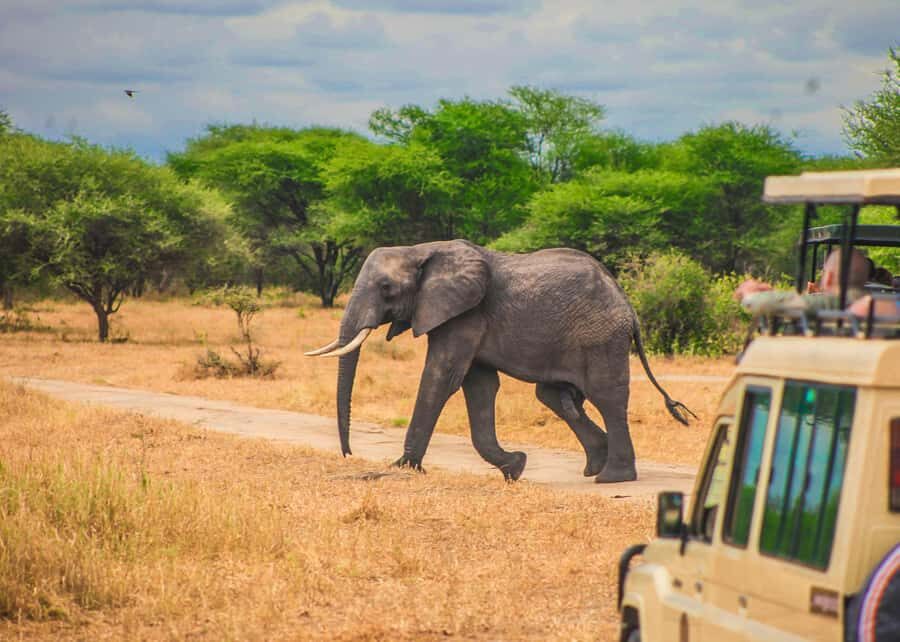
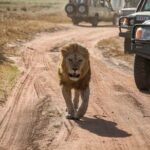
On safari, I’m picky about one thing: visibility. This tour uses a 4×4 safari jeep with a pop-up roof and an open viewing setup, plus six window seats. That means fewer “someone’s blocking my view” moments. It also keeps the vibe active—your eyes are scanning continuously because the jeep is designed for spotting, not just sitting.
One more practical note: this is presented as a private tour where only your group participates. Still, it’s very much a safari format, meaning the goal is daily drives and game-viewing sessions that can run long.
A few more Arusha tours and experiences worth a look


Tarangire National Park: baobabs, elephants, and birdlife in one big show
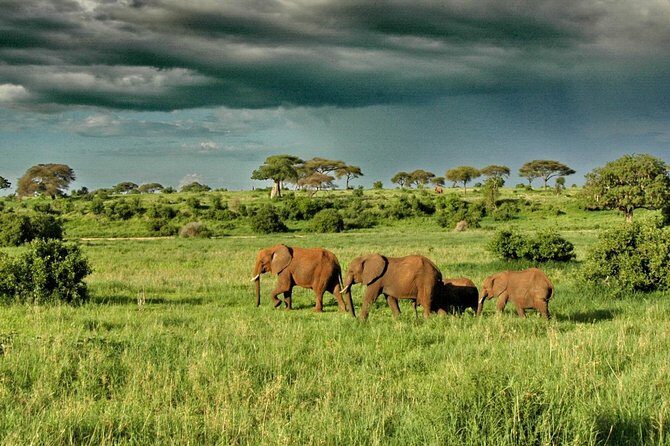
Tarangire is a great first hit because it feels different fast. The park’s vegetation changes through multiple zones, and it’s especially famous for its ancient baobab trees—those massive giants that make the whole area feel oversized. Watching wildlife around baobabs is a special kind of scale lesson: the trees look prehistoric, and then animals show up like they’ve been living there forever.
Your day begins with a drive from Arusha to Tarangire and a game-viewing focus that covers the full range: birds and big mammals, with a big emphasis on elephants. Tarangire is described as having the largest concentration of elephants in the country, and the elephant viewing is framed around family interactions. That’s the difference between seeing elephants as “a sighting” and watching them as a living social world.
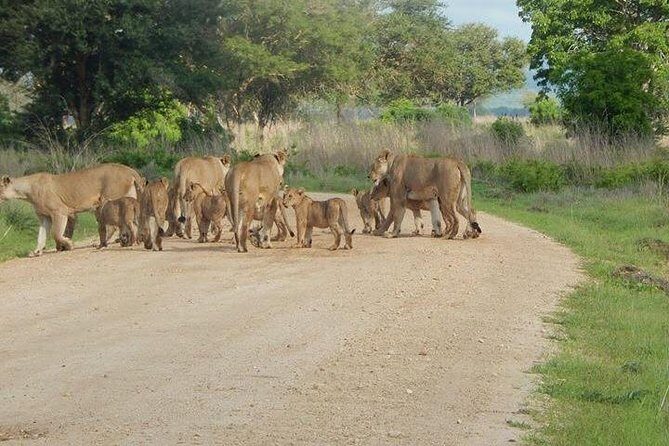
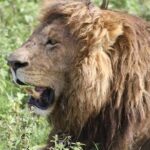
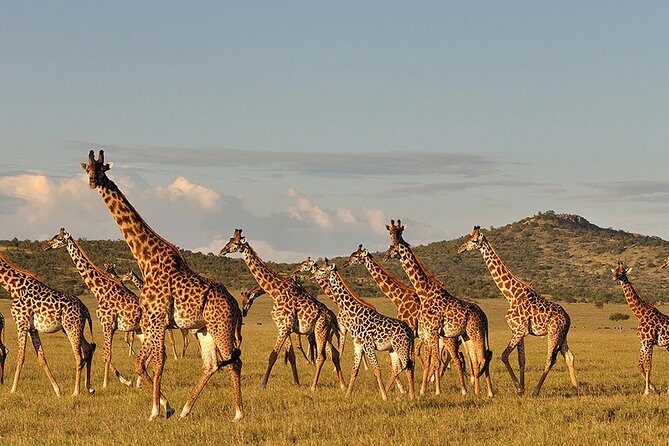
You’ll also want to be ready for a classic mix of species: giraffes, zebras, buffaloes, antelopes, and predators such as lions and leopards are part of the potential viewing. The day is paced as a long session in the park, and you’ll have lunch while you’re out there (lunch is included on the tour).
What could be tricky here: it’s not a short hop. If you arrive cranky from travel, Tarangire can cure that—once you’re scanning and the herd energy kicks in. But if you need late mornings to function, this day sets the tone for the whole trip.
Serengeti National Park: endless plains and the migration story
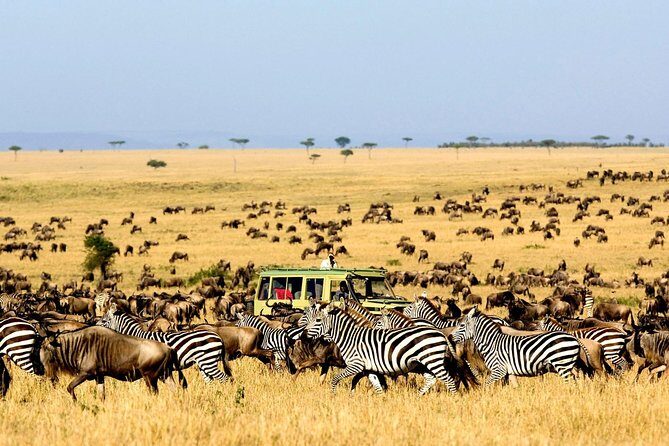
Serengeti isn’t just a park. It’s a feeling—especially when you first drive into the open plains. The tour leans into this from the start: you’ll head there after breakfast, and even the driving time is positioned as part of the experience because the scale changes your perception of distance.
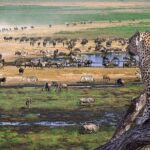
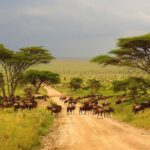
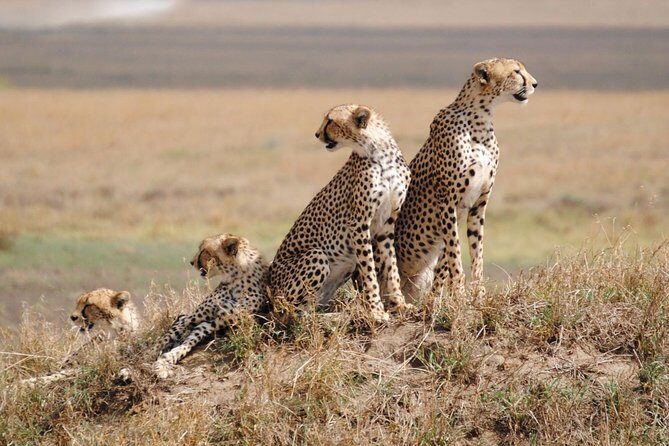
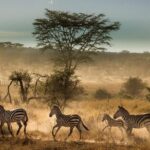
You’re in the right place for the Great Migration narrative. The tour highlights the Serengeti as home to around 2 million wildebeest, plus hundreds of thousands of zebras and many antelope species. For predators, the logic is simple: when prey numbers are huge and movement is constant, big cats have options. Your guide’s timing and scanning matter.
This is where I’d lean on one key value of the tour: you don’t just sit. You learn. The experience promises that your guide will explain what you’re looking at in the Serengeti. In practice, that means you get more out of those long stretches of watching: why animals are where they are, what to look for next, and how to read subtle changes on the plain.
One realism check: “migration” doesn’t mean one predictable scene. It means potential. The tour’s job is to put you in the right context and keep you searching intelligently rather than chasing rumors.
A flexible Serengeti day: choose your rhythm, then scan harder
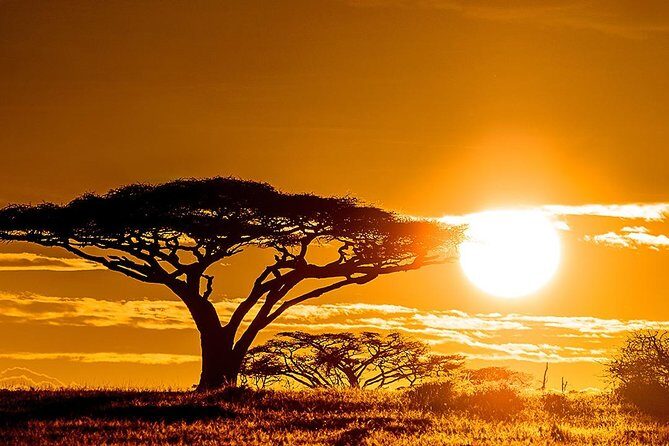
Day three is a full Serengeti day that’s intentionally built for you to control how it feels. The guide discusses the best timings for game drives and works with you on wake-up choices. You can do an early morning drive, come back for lunch, relax, then go out again in the afternoon.
Or you can take it up a notch with a full-day drive and a picnic lunch. For wildlife days, that can be the best way to “stay in the zone,” especially if you’re the type who hates leaving the park just as something is heating up.
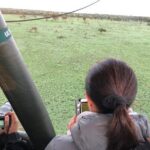
There’s also an optional balloon safari early in the morning, but it’s extra payment. If you like the idea of seeing Serengeti from above, it’s a strong add-on—just know it means earlier still.
Potential drawback: flexibility is great, but it also means you’re still on safari time. If you want a slow afternoon with a long lie-in every day, this format will test your patience.
Ngorongoro Crater: sunrise energy, then a second crater morning
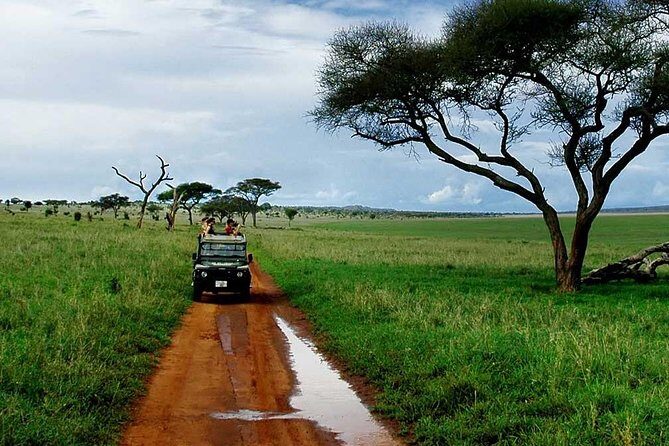
Ngorongoro is treated like the centerpiece, and the pacing makes sense. You’re suggested to wake up very early for an early morning game drive, with a strong emphasis on sunrise. That early start isn’t just about beauty. Animals tend to be more active when the light is fresh, and visibility can be better when the day hasn’t fully warmed up.
Then the tour routes you with intention. After the early drive, you return for brunch, and you continue the day with game viewing in Serengeti areas and a move toward Ngorongoro for the evening at O’ldeani Mountain Lodge for dinner and overnight. That stop at a lodge matters because it breaks up the long driving rhythm and gives you a consistent base.
The next day is your true crater experience: you start very early and descend into the crater floor for a morning of wildlife in one of the most concentrated settings in East Africa. Ngorongoro is described as spreading 102 square miles, with very high walls (2,000 feet) that act like natural barriers. The tour frames it like a Noah’s Ark—lots of species in one enclosed place—so your odds feel more “compressed” than on big open parks.
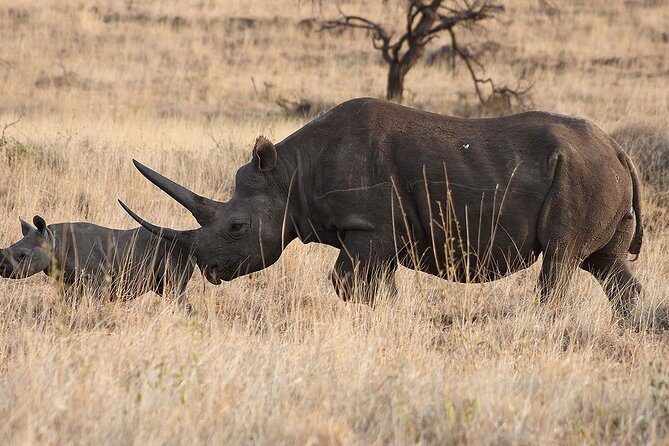
One of the standout claims is black rhino. The tour notes Ngorongoro as one of the rare locations in Africa where you can see the black rhino. The crater also includes a river, swamps, and a soda lake that can bring flamingos into view, plus forests and open plains. It’s a “many habitats in one bowl” kind of day.
What to consider: crater viewing is weather-sensitive. If conditions are rough, you may not get the same wildlife activity level you’d hope for. This tour does note it requires good weather overall.
A few more Arusha tours and experiences worth a look

Lake Manyara after the crater walls: hippo lake picnic and blue monkey searching
After Ngorongoro, the next day shifts to Lake Manyara National Park with another very early start. The tour focuses on density: it cites about 25,000 animals and says Lake Manyara offers the best game viewing of all Tanzanian parks. That’s a strong claim—so think of it as a reason you’ll want to keep your eyes moving and your patience ready.
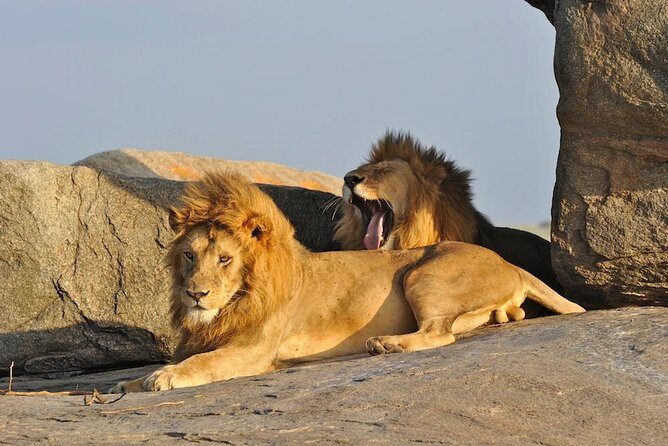
This park is described as delivering a fast hit of species: wildebeest, eland, lions, zebras, gazelles, elephants, and the blue monkey. It also highlights more than 500 bird species. If you like birdlife, you’ll likely enjoy how much there is to spot besides the big mammals.
There’s also a chance of the endangered black rhino, though, as with all rhino situations, it’s never guaranteed. The best you can do is show up early and trust the guide to position you where you have the best odds.
Lunch is a picnic near the hippo lake, which is exactly the kind of safari moment that feels more grounded than a restaurant meal. After lunch, you do a short game drive, then you ascend and exit the Ngorongoro Conservation Area.
The emotional payoff: by the end, your brain is trained to watch small cues—movement in brush, dust trails, birds suddenly lifting off—and you’ll notice how the parks each train a different set of “wildlife instincts.”
Guides, communication, and why names matter (Anita, Joseph, Lucus, Freddy)
Some safari companies are good at driving. The better ones are good at reading situations. This tour’s reviews lean hard on the human side—especially guide personality, flexibility, and communication.
From the communication side, Anita is mentioned as being always available and responsive to questions. That matters because safari planning isn’t just about buying a ticket. It’s about managing expectations: what time you’ll wake up, how the day will run, and how to handle your preferences.
On the guiding side, several names come up in standout feedback:
- Joseph is described as a careful, skilled driver and knowledgeable.
- Chedi (spelled as Chedi in one review) is praised as knowing everything and being super flexible.
- Lucus and Freddy are mentioned as making it feel like a trip of a lifetime, combining humor and respect for your space with real animal know-how.
There’s also chef Ali credited in one review, which is a reminder that those included meals don’t just happen by accident.
Why I think this matters for your trip: when you have an experienced guide, you get more than “spotting.” You get an explanation for what you’re seeing, and that turns a long drive into an education you’ll actually remember later.
Price and value: is $5,000 per person a good deal?
Let’s talk money plainly. At $5,000 per person, this isn’t a budget safari. It’s priced like a serious wildlife itinerary with multiple national parks, repeated early starts, and a private-tour approach for your group.
So what are you buying, beyond the animal sightings?
- Time saved: hotel pickup and park routing are handled for you, which matters when you’re juggling distances and early schedules.
- Included meals: breakfast and lunch are covered daily, and dinners are included on most nights. That reduces daily costs and keeps the day moving.
- Guide-led interpretation: the Serengeti education component and guide scanning help you get more from each drive.
- Vehicle quality for viewing: the open-roof safari setup is a real advantage when you’re trying to see action at savanna pace.
What could make it feel expensive is if you’re the kind of traveler who wants long downtime in between attractions. This safari runs. It’s built for wildlife, not for spa schedules.
My practical recommendation: before you book, sanity-check two things. One, that you’re comfortable with early mornings. Two, that you’re prepared to tip your driver/guide and chef, since tips aren’t included.
What to expect day to day: the rhythm of drives, rests, and meals
Across the six days, the structure is consistent: get out early, search for animals, eat during breaks, and return to accommodation in time to rest before the next day’s start.
- Breakfast is included on six mornings.
- Lunch is included each day.
- Dinner is included on five nights, with one overnight built around O’ldeani Mountain Lodge after the Ngorongoro-moving day.
That schedule is exactly what you’d want if you’re trying to maximize wildlife hours. It also means you don’t have to plan every snack stop. You just show up and stay ready.
If you’re someone who likes structure, you’ll appreciate it. If you’re someone who wants free-floating days, the “customizable” part mainly comes through how the guide can adjust game-drive timing and, specifically, how the Serengeti day is arranged.
Should you book this 6-day wildlife safari?
I’d book it if you want a focused Tanzania wildlife route that hits Tarangire, Serengeti, Ngorongoro Crater, and Lake Manyara in one trip, and you’re okay with early starts. You’ll also like it if you care about guide-led explanations and vehicle setup that helps you actually see wildlife, not just hope for the best.
I wouldn’t book it if you need very relaxed mornings every day, or if the idea of rising before sunrise twice (and often more) feels like punishment.
If you’re aiming for a once-in-a-lifetime safari with strong odds of unforgettable animal moments—and you want the logistics handled—this is a sensible pick.
FAQ
What time does the safari start in Arusha?
The tour start time is listed as 8:00am in Arusha, Tanzania.
Is hotel pickup included?
Yes. Hassle-free hotel pickup is offered, and the tour also notes free pickup and drop-off at the airport.
Which national parks are included in the 6 days?
You visit Tarangire National Park, Serengeti National Park, Ngorongoro Crater, and Lake Manyara National Park.
What meals are included?
Breakfast is included for 6 days, lunch is included for 6 days, and dinner is included for 5 days.
What type of vehicle is used for game drives?
The tour uses a 4×4 safari jeep with a pop-up roof and six window seats.
Is a balloon safari included?
A balloon safari is not included, but it’s mentioned as possible as an early morning add-on for extra payment.
Are admission tickets and park fees included?
“All fees and taxes” are listed as included, and days show admission tickets as included or ticket-free depending on the park-day.
What is the cancellation policy?
Free cancellation is available. You can cancel up to 24 hours in advance for a full refund, and cancellations are based on local time. If it’s canceled due to poor weather, you’ll be offered a different date or a full refund.