REVIEW · ARUSHA
5 Days Tarangire ,Serengeti.Ngorongoro and Lake manyara
Book on Viator →Operated by Simbaland Magic Tours · Bookable on Viator
A packed Northern Circuit, minus the lodge price tag. I like the camping gear and meals included so you’re not doing cost math all week, and I like the small group size (up to 6) that keeps the trip feeling personal. One thing to think about first: this is camping safari style, so your comfort level will depend on your gear and your attitude when the day ends.
I also appreciate the smooth logistics from Arusha, with pickup around 7:30am and a plan that strings together long-but-worth-it wildlife drives. And the human touch shows up in the guide feedback I saw, with names like Elias, Champion, and Fredy mentioned for spotting animals, staying flexible, and keeping things upbeat. If you’re the type who wants “no-early-morning” and “hotel bed only,” this may feel like a lot.
In This Review
- Key things I’d circle on the calendar
- Northern Circuit in 5 days: a practical camping safari plan
- Price and what you’re actually paying for
- Day 1: Tarangire National Park’s baobabs and big elephant energy
- Day 2: Serengeti transfer via Ngorongoro area views (plus optional Maasai culture)
- Day 3: Early Serengeti game drive, then Simba campsite near Ngorongoro
- Day 4: Ngorongoro crater descent at 6:15am and the black rhino challenge
- Day 5: Lake Manyara’s flamingos, hippo pool, hot springs, and possible tree-climbing lions
- Guides, small groups, and why names matter
- Camping reality check: who this tour fits best
- Tips to get the most out of your 5 days
- So, should you book it?
- FAQ
- Where does the safari start?
- How many people are in the group?
- Which parks are included?
- Is camping gear included?
- Are park admission tickets included?
- Do I have to visit the Maasai village?
- How early is the Ngorongoro crater descent?
- Can the itinerary change based on animals?
- What if weather causes cancellation?
- What is the cancellation window?
Key things I’d circle on the calendar
- Camping gear included, which is the big budget win on a Northern Circuit itinerary
- Max 6 travelers, so you’re not lost in a bus-sized crowd
- Park focus that moves you fast: Tarangire, Serengeti, Ngorongoro crater, Lake Manyara
- Early crater descent at 6:15am, timed for the day’s best chances at tough sightings
- Special-area stops like the Ngorongoro viewpoint and the optional Maasai village visit
- A guide-and-driver team that gets praised by name (Elias, Champion, Fredy)
Northern Circuit in 5 days: a practical camping safari plan
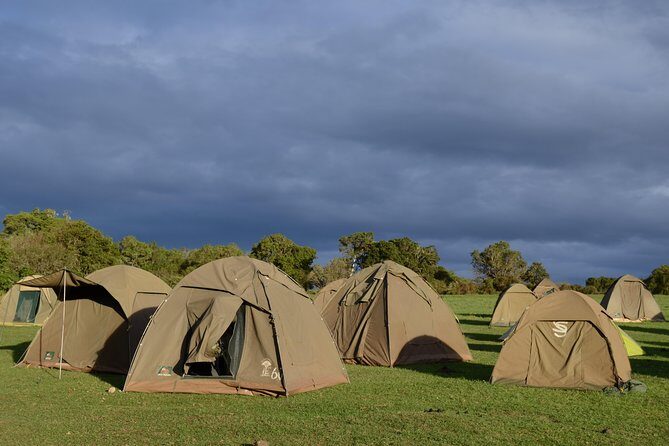
This trip is built for travelers who want the big names of Tanzania’s Northern Safari Circuit, without paying for a chain of lodge nights. You’re covering four major parks: Tarangire, Serengeti, Ngorongoro Conservation Area (crater), and Lake Manyara. The pacing is active, but that’s the point. You get wildlife drives most days and sleep in campsites or camp-lodge style accommodation rather than indoor luxury.
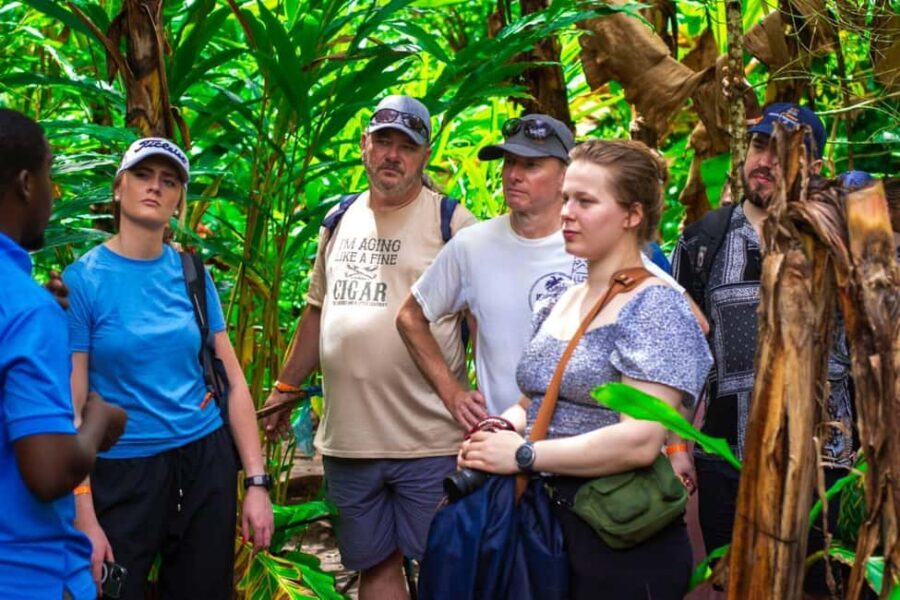
The camping approach also changes how you pack and how you experience the parks. Instead of spending your downtime inside a comfortable room, you’re living outdoors with a guide, a chef, and a small group. That can feel extra “safari” in a good way, like you’re part of the machine that makes the day work: early starts, short breaks, and then big sightings when the animals decide to cooperate.
A few more Arusha tours and experiences worth a look
Price and what you’re actually paying for
At $1,270 per person for about five days, the value here is about what’s bundled. The trip is designed to include camping accommodations/gear, meals, game drives, and transportation from Arusha. That matters because the Northern Circuit can get expensive when you add up park nights, transfers, and driver time.
One honest way to look at it: you’re buying a focused plan plus the “infrastructure” needed for camping. If you were to try to build this yourself, you’d spend time coordinating permits, transport, and a camping setup. Here, that work is done for you. The tradeoff is simple: you’re not buying a hotel-style comfort level.
If you’re comfortable with camping (or at least willing to prepare well), the price feels like it’s targeted at value, not showy extras.
Day 1: Tarangire National Park’s baobabs and big elephant energy
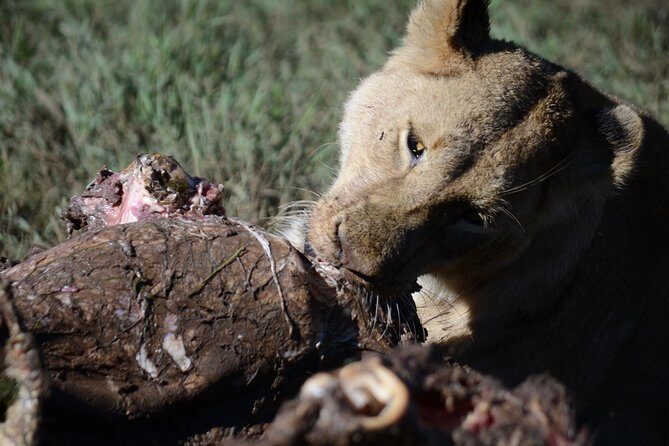
Your day starts with pickup from your Arusha hotel at 7:30am, then a drive into Tarangire National Park (about two hours). Tarangire is known for its ancient baobab trees and—importantly for this itinerary—the kind of elephant concentration that can make the day feel busy in a good way. You’re not just looking at a single “trophy” animal species. You’re watching how elephant families move and interact.
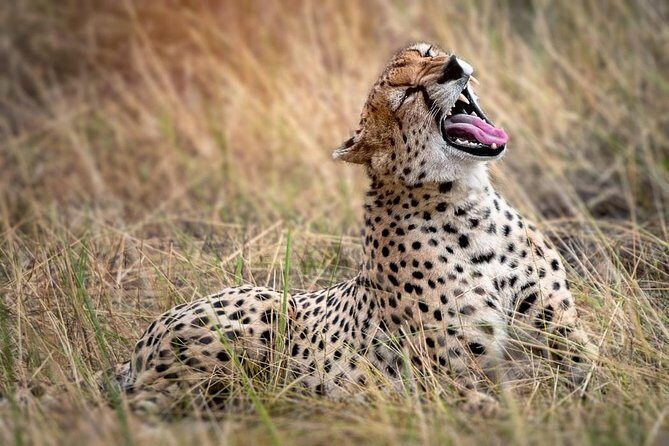
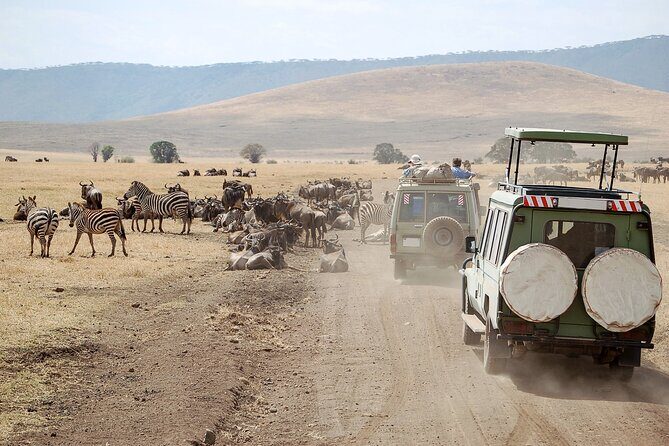
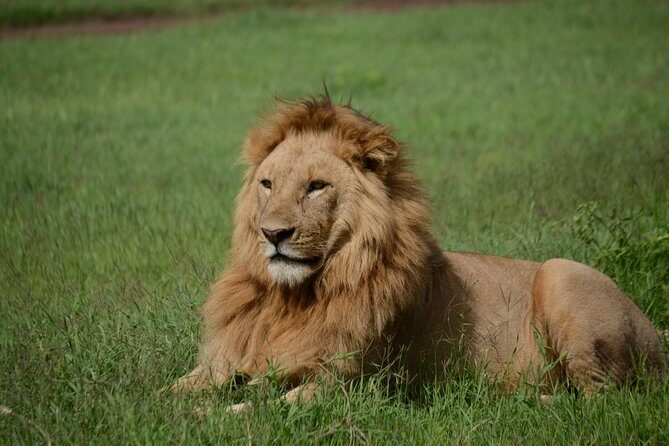
Game drives on day one are timed to where sightings are reported. The emphasis tends to lean toward predators because they’re harder to spot, with lions, cheetahs, and leopards mentioned as likely targets. Herbivores are often more plentiful, so you’ll usually have plenty to look at too: giraffes, wildebeest, zebras, and more.
What to expect
- A classic introductory drive day with strong odds for elephants
- Wildlife viewing that can range from “close to the road” to long waits, depending on where predators are active
Possible drawback
Tarangire rewards patience. If you hate slow scanning for cats and lions, you may feel like the day is “taking its time” even though the guide is working the plan.
Day 2: Serengeti transfer via Ngorongoro area views (plus optional Maasai culture)
After breakfast, you head from Mto wa Mbu to Serengeti. The transfer is listed as about six hours, including stops, and it passes through the Ngorongoro Conservation Area.
You get two short stops connected to Ngorongoro’s crater area:
- A gate and viewpoint stop for a quick look at the crater from above (about 20 minutes).
- An additional stop that includes the chance to visit a Maasai village. This village visit is described as optional, with cultural notes like warrior traditions and drinking raw animal blood mentioned—though the same info also signals that many of these traditions are considered things of the past.
Then you’re back on the move toward the Serengeti and the day’s longer wildlife focus.
Why this day is worth it
This is the day where your trip “earns” the geography. Even the short viewpoint stop can give you that mental map for what you’ll later see from the crater floor. And the Maasai village option lets you choose whether you want a cultural add-on or prefer to keep your day strictly focused on animals.
What to watch
This is a long transfer day. If you’re sensitive to sitting in a vehicle for hours, plan to bring whatever helps you tolerate the ride.
Day 3: Early Serengeti game drive, then Simba campsite near Ngorongoro
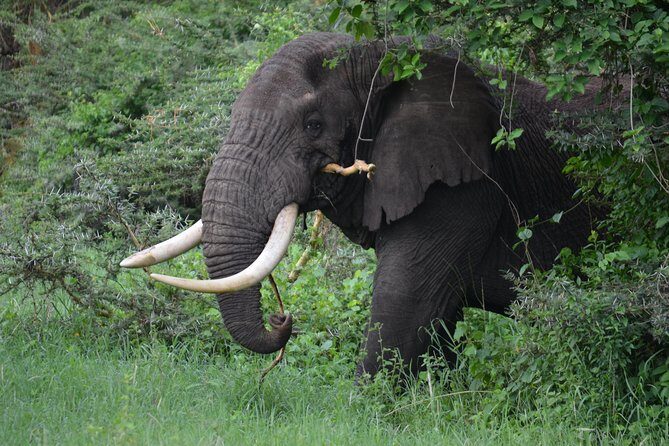
Day three starts early with an early breakfast and then a game drive in the Serengeti, running until the afternoon. The plan is to see lots of animals during the morning and then shift gears.
After that, you head toward Simba campsite, near the rim of the Ngorongoro crater. The drive to the campsite is listed as about two hours. There’s a built-in rhythm here: you’ll do game viewing as you travel out, and the campsite experience includes the fact that animals can be spotted on or around the camping area.
What to expect
- One full morning of wildlife searching in Serengeti
- An afternoon shift from “big drive” to “camp life”
- Night near Ngorongoro’s edge, which sets you up for the next morning’s crater descent
Why I like this pacing
It gives you two different kinds of wildlife time. Serengeti is all about long views and the movement of herds. The rim/camp setup the night before Ngorongoro adds anticipation and reduces stress, because you’re already positioned for an early start.
Day 4: Ngorongoro crater descent at 6:15am and the black rhino challenge
This is the money day for many safari plans, and this itinerary treats it like one. You’ll have an early breakfast, then you descend the crater at 6:15am.
Ngorongoro crater has a well-known feel: a large bowl that changes the way wildlife behaves and how you spot them. The trip specifically calls out the black rhino as a key target. It also notes that black rhinos are among the hardest to spot, even though the crater’s layout can make many other animals easier to locate from the crater floor.
After a crater game drive and lunch, you ascend the crater and pack. Then you continue to Sunbright lodge & campsite near Lake Manyara National Park. The day includes about six hours, and the Lake Manyara area is mentioned with a fun note: be prepared for swimming if you’re interested.
What to expect
- A cold, early start. You’ll likely feel it in your bones at 6:15am.
- Crater wildlife viewing from within the bowl, with the best chance early in the day.
- A transition day that moves you from crater to the Lake Manyara region.
A fair consideration
Rhino sighting odds aren’t controllable. If seeing black rhino is the only thing you care about, set your expectations with the idea that effort helps but success isn’t guaranteed.
Day 5: Lake Manyara’s flamingos, hippo pool, hot springs, and possible tree-climbing lions
Your final day focuses on Lake Manyara National Park, known for flamingos and the famous possibility of tree-climbing lions. The tour notes that tree-climbing lions are rare, but the idea is that your drive is built to watch for them without making you think they’re guaranteed.
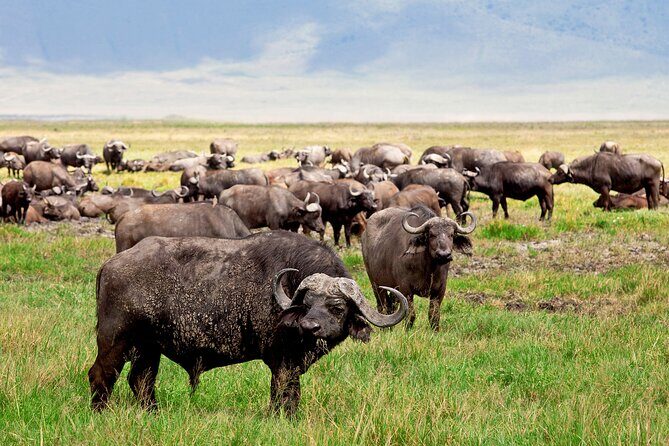
You’ll do a game drive through the day with plenty of birdlife and animals such as buffaloes, wildebeest, warthogs, vultures, eagles, and monkeys. The itinerary also includes two distinct stops:
- Hippo pool for a close look at hippos
- Hot spring viewing as part of the drive schedule
What to expect
- A more varied day: birds, mammals, and that distinctive Lake Manyara vibe
- Big “wow” moments can happen even if the predators are quiet, because the area offers a lot beyond the big cats
Possible drawback
If you’re hoping the final day is just one long “cat hunt,” you may need to adjust your mindset. Lake Manyara delivers in a different way: birds, hippos, and classic savanna animals often steal the show.
Guides, small groups, and why names matter
One of the strongest signals in the feedback for this kind of safari is that the guide and driver can make the difference between a decent day and a great one. In the info you provided, names like Elias, Champion, and Fredy show up repeatedly, with praise around being friendly, flexible, and spotting animals.
For you, that translates into a practical benefit: when wildlife isn’t cooperating, a good guide keeps scanning, adjusts where you drive, and communicates clearly. You don’t just sit and hope. You actively hunt.
It also helps that the group is capped at up to 6 travelers. Smaller groups mean fewer voices, less schedule friction, and easier communication in the vehicle.
Camping reality check: who this tour fits best
This safari is for travelers who can handle basic camping life and still enjoy the outdoors. If you’re a comfort-first person, camping might feel like extra work. If you’re a “sleep outside, wake up in the wild” person, you’ll probably love how fast the day moves and how close you feel to the rhythm of the parks.
You’ll likely enjoy this tour if you:
- Want lots of major parks in a short window
- Care about value and prefer bundled safari logistics over separate bookings
- Like a small-group vibe rather than a big-group shuffle
You might rethink it if you:
- Need hotel-level comfort every night
- Hate early starts (especially with the 6:15am crater timing)
Tips to get the most out of your 5 days
Since this is camping and early driving, a few smart choices can make the trip smoother:
- Pack for mornings. Crater starts are early, and temperatures can feel different than the midday sun.
- Bring layers for vehicle time. Game drives can mean long periods sitting, with shade and sun changing your comfort fast.
- Plan your expectations around rhino odds. The itinerary targets black rhino, but the crater is still a wild place.
- If you want the Maasai village visit, treat it as optional value rather than a must-do. The trip itself gives you the choice.
So, should you book it?
If your goal is to see Tarangire, Serengeti, Ngorongoro, and Lake Manyara on a budget-style safari, this plan is a strong match. The best reason to book is the way it bundles the hard-to-price items: camping gear, meals, transportation, and daily game drives.
I’d skip it only if camping comfort is non-negotiable for you. Otherwise, this is the kind of Northern Circuit itinerary that makes sense: lots of wildlife time, sensible positioning for the crater morning, and a small group that lets your guide do their job without chaos.
FAQ
Where does the safari start?
The tour includes round-trip transportation from Arusha, with hotel pickup at 7:30am on day one.
How many people are in the group?
The group size is capped at a maximum of 6 travelers.
Which parks are included?
This itinerary covers Tarangire National Park, Serengeti National Park, Ngorongoro Crater/Conservation Area, and Lake Manyara National Park.
Is camping gear included?
Yes. The tour is described as including camping equipment/gear along with accommodation and meals.
Are park admission tickets included?
The itinerary notes admission tickets as free on several days and included on the Ngorongoro crater day.
Do I have to visit the Maasai village?
No. The Maasai village stop is described as optional.
How early is the Ngorongoro crater descent?
You descend the crater at 6:15am.
Can the itinerary change based on animals?
The game drives are described as dependent on where animals are reported, so the exact driving route for sightings can shift during the day.
What if weather causes cancellation?
The experience requires good weather. If it’s canceled due to poor weather, you’ll be offered a different date or a full refund.
What is the cancellation window?
You can cancel up to 24 hours in advance for a full refund. Less than 24 hours before the experience start time is not refundable.