REVIEW · ARUSHA
Street Food and Community Walking Tour
Book on Viator →Operated by Jamii imarika foundation · Bookable on Viator
Sinoni smells like Tanzania, not textbooks. This small-group street-food walk through Sinoni, just south of Arusha’s center, gives you food plus the stories behind it. You’ll hear how people live, work, worship, and share space, all while sampling traditional bites along the route.
I especially liked two things: first, the guides, Jackson and Given, who were friendly and quick with answers, so the walk felt personal instead of scripted. Second, the way the tour connects food to daily routine, from places like maize milling and urban farming to the quieter details like mud houses and neighborhood churches.
One consideration: you’re walking through a working community. Plan for uneven pavement and dust, wear sturdy shoes, and if you have food sensitivities, ask questions before you start eating.
In This Review
- Key highlights worth your attention
- Sinoni street food: the real Arusha you don’t get from a menu
- Meeting at Masai Market and walking into Sinoni (then getting back)
- What you’ll taste: sweet and salty bites with local context
- Urban farming and recycling: seeing systems, not slogans
- Maize milling, carpentry, and mud houses: the neighborhood’s work and home life
- Churches and daily rhythm: the social spaces that shape conversation
- Jackson and Given’s approach: friendly answers and real engagement
- Price and impact: why $25 feels fair here
- Who should book this Sinoni street-food walk
- Should you book this tour?
- FAQ
- How long is the street food and community walking tour in Sinoni?
- What is the price, and what do I get for it?
- Will I eat during the tour?
- Where do I meet, and where does the tour end?
- What stops are part of the Sinoni walk?
- Who runs the tour, and where does the money go?
- What should I know about weather and cancellations?
Key highlights worth your attention
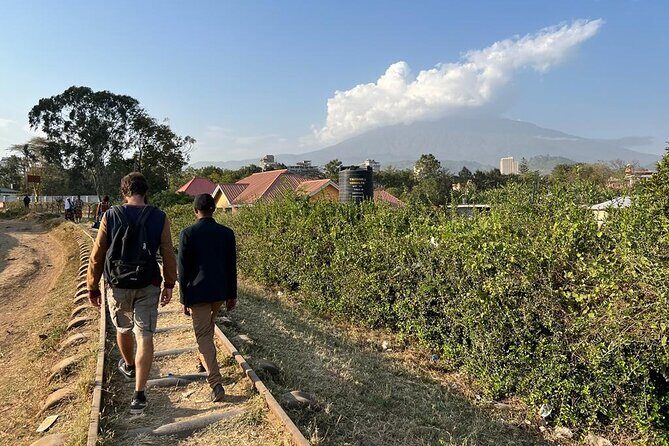
- Guides from the community: Jackson and Given bring local context, not generic facts.
- Sweet-and-salty tastings: You’ll stop at multiple vendors for different foods, not just one snack.
- A tight route in 2–3 hours: Enough time for a real feel, not so long that you lose interest.
- Work you can see: Urban farming, recycling, maize milling, and carpentry show daily effort in motion.
- Neighborhood landmarks included: Mud houses and churches help explain how community life is shaped.
- Nonprofit impact is built in: 100% of tour profits go to the Jamii imarika foundation.
Sinoni street food: the real Arusha you don’t get from a menu
Arusha can feel “touristy fast,” especially if you only bounce between markets and big sights. This tour slows you down and puts you on foot in Sinoni, a district just south of the city center. That matters, because the best part of this experience isn’t a single dish. It’s the moment you realize you’re eating what you’d see in daily life, with people treating the street like part of home.
I like that the tour is built around conversation. Your guide will explain everyday life in Arusha and answer questions as you go. That turns the walk into something more useful than a food crawl. You start noticing details you’d otherwise miss: how a neighborhood handles resources, how work spaces connect to households, and how community buildings show up in everyday routines.
The street-food side is practical too. You don’t just get one stop, stand in a line, and move on. You taste along the way, and each taste connects back to a point your guide is making. Even if you’re not a big talker, you’ll still come away with a better sense of how people actually live in Tanzania beyond travel photos.
You can also read our reviews of more walking tours in Arusha


Meeting at Masai Market and walking into Sinoni (then getting back)
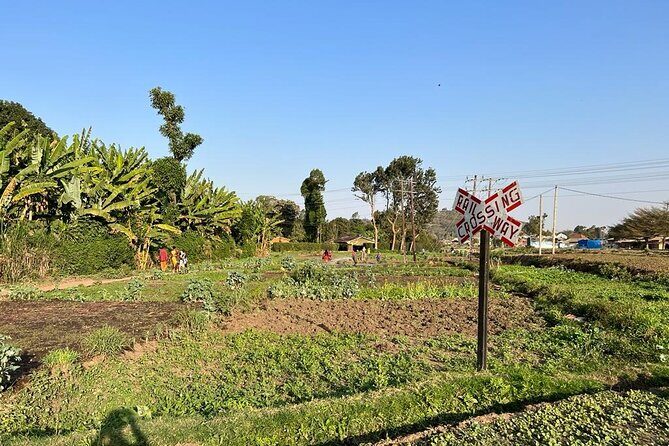
You meet at Kajo art gallery Masai market on Tanesco road, Arusha. From there, you head into Sinoni on foot, with the route paced for a relaxed 2 to 3 hours. The small group size, capped at 10 people, helps a lot here. You’re less likely to feel like you’re being rushed through a checklist, and it’s easier to ask questions without shouting over a crowd.
At the end, the tour finishes in Sinoni (at JM7M+65W, Arusha) and you’re helped to get back to your hotel. That last part is worth noticing. In many neighborhood walks, you’re left to figure out the logistics alone. Here, the tour closes with support, so you can end the experience without stress.
A simple tip: start the tour hydrated. Street-food experiences move through a lot of small tastes, and even a short walk can feel longer in warmer weather. Wear comfortable layers you can adjust, since Tanzania weather can shift during the day.
What you’ll taste: sweet and salty bites with local context
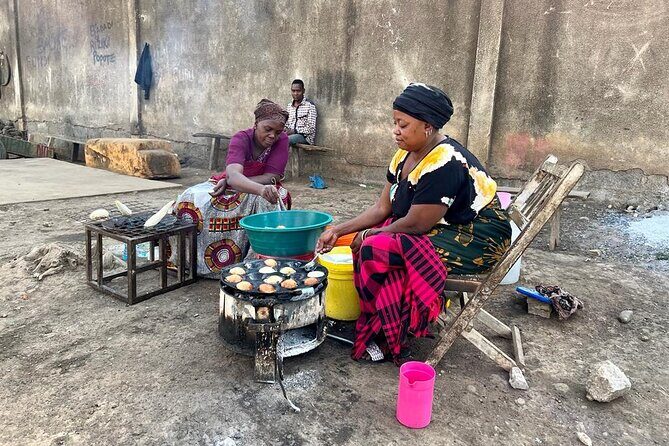
The tour includes sweet and salty foods from different vendors. That wording is important because it signals variety without promising a fixed menu. You’re not being sold a staged performance. Instead, you’re sampling what’s available as part of community life.
I like how the guides use the food stops as teaching moments. You’re learning while you’re eating, which keeps the experience from turning into a lecture. For example, when you pass through areas tied to maize milling or urban farming, the food makes more sense. You start connecting the dots between ingredient, process, and daily routine.
This tour also feels like it respects your time. Instead of a long sit-down meal, you get a walking format that keeps your energy up. Over 2–3 hours, you’ll likely feel like you’ve tried enough to satisfy curiosity without getting weighed down.
If you’re picky or have specific dietary needs, treat this as a “ask first” kind of tour. The info provided focuses on traditional Tanzanian foods and vendor tastings, so it’s smart to communicate any concerns early rather than hoping the menu matches your preferences.
Urban farming and recycling: seeing systems, not slogans
One of the most interesting parts of this walk is that it includes real community work: urban farming and recycling. These stops aren’t filler. They show how people manage resources and keep daily life going in a district setting.
Urban farming is one of those topics that can sound abstract until you see it connected to homes and neighborhood routines. On this tour, it’s presented as part of everyday life in Sinoni, not as a photo-op. Even if you’ve seen similar practices elsewhere, you’ll likely notice differences in how space is used and how work is shared across the neighborhood.
Recycling, too, matters because it’s a practical example of how communities handle materials and reduce waste. In many tourist settings, you only see waste as a problem. Here, you see it as part of local work. It’s the kind of knowledge you can take home and talk about, because it’s grounded in daily action.
This combination—food + systems—makes the tour feel more educational in a natural way. You’re not learning facts for points. You’re learning how a neighborhood functions, and the street-food tastings keep it human.
Maize milling, carpentry, and mud houses: the neighborhood’s work and home life
As you walk, you pass through areas connected to maize milling and carpentry. These are the kinds of activities that people depend on, yet they often disappear from the travel experience once you leave the neighborhood. Seeing them up close adds weight to the food tastings. You can’t help but think about the work behind what you’re eating.
Maize is a major food base in Tanzania, and milling is where ingredient becomes something usable for cooking. Even without a deep technical explanation, you’ll understand the basic connection: agriculture and processing are part of the same living system. It’s one of those experiences where the story makes the taste feel more meaningful.
Carpentry gives another layer. It’s not just “work” in general terms; it’s visible craftsmanship that supports homes and community needs. When people can show you how they build or fix, you get a different understanding of the neighborhood’s pride and capability.
Then there are the mud houses, which are included as part of the tour’s route. I found this especially helpful for understanding how buildings reflect local reality. You see homes not as background scenery, but as part of how families live, store things, and move through their day.
The overall effect is simple: you get the full picture of community life, not just the part that’s easy to photograph.
You can also read our reviews of more food & drink experiences in Arusha
Churches and daily rhythm: the social spaces that shape conversation
The tour route also includes churches, which helps explain the neighborhood’s rhythm. Religious buildings often anchor community schedules and social ties, and being able to see them while walking through daily streets gives context you’d miss if you only toured major sites.
This doesn’t turn into a formal ceremony. It’s more like a chance to understand the role of community space. When your guide shares facts about Tanzania culture and everyday life in Arusha, the church stop gives another reference point. You can connect the stories to what you’re actually seeing around you.
I also liked that you’re encouraged to ask questions and engage with local people. That’s where the tour becomes more than sightseeing. You’re learning through interaction, and it feels respectful because the guides are coming from the community themselves.
It helps you see why the tour is built on walking. Streets create the context you need. You move at a human pace, notice small interactions, and pick up small details that never make it into a brochure.
Jackson and Given’s approach: friendly answers and real engagement
Guides can make or break a neighborhood tour. In this case, I appreciated how Jackson and Given handled the group. They didn’t just recite facts. They seemed genuinely interested in making sure you understood what you were seeing, and they stayed approachable if you had questions.
That matters because the Sinoni experience has multiple layers: food vendors, community work, home design, and social spaces. If your guide treats each stop like a photo caption, it turns flat fast. These guides kept it conversational, which made the knowledge stick.
They were also friendly and helpful, which creates an easy atmosphere when you’re walking in a local district. You’re not just a spectator passing by; you’re part of the tour conversation for a short window.
One practical tip: come with at least one question. Something simple like how a certain food relates to daily work, or what a stop means to locals. When you ask, the guide’s answers connect the dots faster than any explanation could.
Price and impact: why $25 feels fair here
At $25 per person, the price is easy to justify if you care about two things: a guided neighborhood experience and supporting local work. For this tour, the value is boosted because all fees and taxes are included, and you get sweet-and-salty food tastings along the way.
The nonprofit angle is the part that changes the feeling of the tour. This experience is offered by the founders of a local NGO, the Jamii imarika foundation, and the stated aim is to help disadvantaged children through education and basic needs, empower women, and educate youth. The tour states that 100% of profits are directed towards the organization.
That doesn’t mean it’s a charity lecture. It means your money is tied to community benefit, and the tour format keeps you engaged with community life rather than treating it like a spectacle.
It’s also a tour format with a small group cap (up to 10), which you often don’t see at this price point. In practice, that usually translates into better pacing and more time for questions.
One extra note: the tour is often booked about 42 days in advance. If your dates are fixed, don’t wait until the last minute.
Who should book this Sinoni street-food walk
This is a great fit if you want:
- Local food tastings with context, not just food samples
- A short neighborhood walk that lasts 2 to 3 hours
- A guided experience where questions are encouraged
- An activity where your payment supports a community-focused NGO
You might want to skip it if you strongly dislike walking or if you expect a fast-moving, highly structured “see-and-go” tour. This is built around gradual discovery and conversation, so comfort with walking and casual interaction helps.
It also suits solo travelers who want a social experience without big groups. And it works well for people who like ethical travel choices that feel grounded in everyday community life.
Should you book this tour?
I think it’s worth booking if you’re in Arusha and you want a real neighborhood view of how people live, eat, and work in Sinoni. The combination of street-food tastings, community stops like maize milling and urban farming, and guides such as Jackson and Given makes it feel both practical and meaningful. Add the fact that profits go to Jamii imarika foundation, and the $25 price starts feeling less like a souvenir tour and more like a locally connected experience.
FAQ
How long is the street food and community walking tour in Sinoni?
It runs about 2 to 3 hours.
What is the price, and what do I get for it?
The price is $25 per person, and it includes a community guide, sweet and salty food from different vendors, and all fees and taxes.
Will I eat during the tour?
Yes. You’ll have tastings of sweet and salty foods from different vendors as you walk.
Where do I meet, and where does the tour end?
You start at Kajo art gallery Masai market on Tanesco road in Arusha. You end in Sinoni at JM7M+65W, and the tour helps you get back to your hotel.
What stops are part of the Sinoni walk?
You’ll cover Sinoni community life and can see areas connected to urban farming, recycling, maize milling, carpentry, mud houses, and churches.
Who runs the tour, and where does the money go?
The tour is offered by the founders of a local NGO called Jamii imarika foundation, and 100% of the profits are directed toward the organization.
What should I know about weather and cancellations?
The experience requires good weather. If it’s canceled due to poor weather, you’ll be offered a different date or a full refund. You can cancel for a full refund up to 24 hours in advance.