REVIEW · ARUSHA
7-Day Premium Luxury Tanzania Safari All-Inclusive
Book on Viator →Operated by Lion King Adventures · Bookable on Viator
One week, and you’re living in the wild. This private luxury Tanzania safari maps out the big-name parks with a plan that’s flexible enough to feel personal, not cookie-cutter. You’ll base in Arusha first, then move through Tarangire, Lake Manyara, and the Serengeti, finishing with the Ngorongoro Crater and a final transfer toward Karatu and the airport.
What I like most is the promise of undivided attention from your private guide, which matters when you’re trying to read animals’ behavior and adjust your route. Second, I really appreciate that meals and accommodations are handled for you, so your day is built around game drives and not logistics. The one drawback to consider is the cost: at $4,840 per person, you’re paying for a high-touch, premium setup, and you’ll want to be sure this level of comfort and exclusivity matches what you actually want from Tanzania.
In This Review
- Key Highlights Worth Wasting No Time On
- Price and What You’re Really Paying For
- Getting Started in Arusha: Easy Arrival, No Guesswork
- Tarangire National Park: Elephants, Acacia Plains, and Open-Roof Drives
- Lake Manyara: Birds, Baobabs, and the Chance of Lions in Trees
- Serengeti Arrival Day: Timing, Terrain, and Migration Context
- Full Serengeti Game Drives: The Migration Story in Real Time
- Ngorongoro Crater Day: A World Below the Rim
- Finishing in Karatu: Smooth Exit From the Safari
- The Human Factor: Private Guide Attention (Sebastian Is a Standout)
- Where This Safari Can Feel Less Perfect
- Who This Tour Fits Best
- Should You Book This 7-Day Premium Luxury Safari?
- FAQ
- FAQ
- What parks are included in this 7-day safari?
- Is this tour private or shared?
- Does the package include meals?
- Are airport and hotel transfers included?
- What is not included in the price?
- How does cancellation work?
- Will I receive a ticket for the trip?
Key Highlights Worth Wasting No Time On
- Private guide flexibility: You can tailor the itinerary instead of being locked into rigid departures.
- Luxury all-inclusive structure: Meals, activities, and accommodations are included.
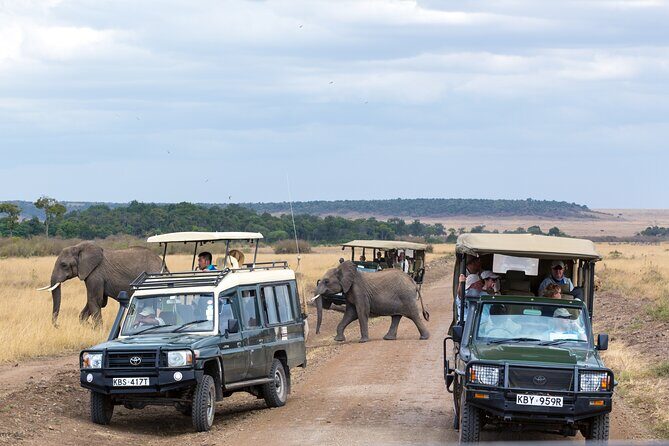
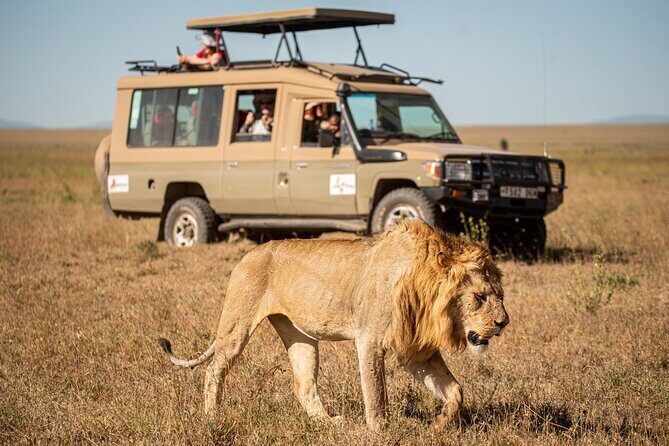
- Off-road access: The vehicle is built for getting to areas bigger tour vehicles can’t reach.
- Big cat and big herds potential: Tarangire elephants, Lake Manyara’s tree-lion chances, and Serengeti migration cycles.
- Ngorongoro Crater day: One of Tanzania’s most spectacular wildlife stages, with a dramatic crater descent.
Price and What You’re Really Paying For
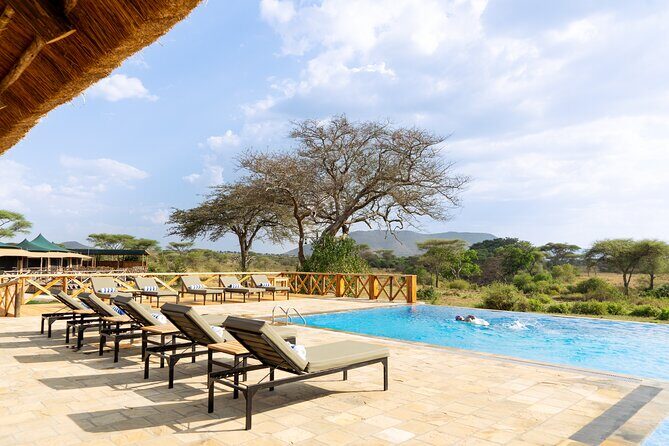
At $4,840 per person for a 7-day premium private safari, the first thing to understand is what that price covers. This isn’t just a ticket to a park with a driver. Your package includes private transportation, all fees and taxes, and a lot of the time-consuming parts of travel: meals (breakfast 7, lunch 6, dinner 5), plus luxury accommodation. There’s also airport/hotel-style pickup and drop-off baked in, which can save you from the usual hassle of meeting points and “where do we go next” stress.
That said, the value depends on your priorities. If you want a true private experience with a custom-feeling flow between parks, this pricing can make sense. If you’re mostly looking for the lowest-cost way to see the Serengeti, you’ll likely find cheaper group options elsewhere. Here, you’re paying for the comfort, the planning, and the ability to adjust.
One more practical note: the tour is booked fairly far in advance (about 107 days on average). That’s a clue this safari style is popular, especially for travelers who want specific dates and a smooth, managed trip.
A few more Arusha tours and experiences worth a look
Getting Started in Arusha: Easy Arrival, No Guesswork
Your journey begins in Arusha, and the first-day logic is simple: you’re picked up from the airport by a Lion King representative and taken straight to your hotel for the night. That matters because Arusha arrival days can quickly turn into a scavenger hunt. Here, you start with a transfer that reduces friction, and you get time to settle before the safari schedule hits.
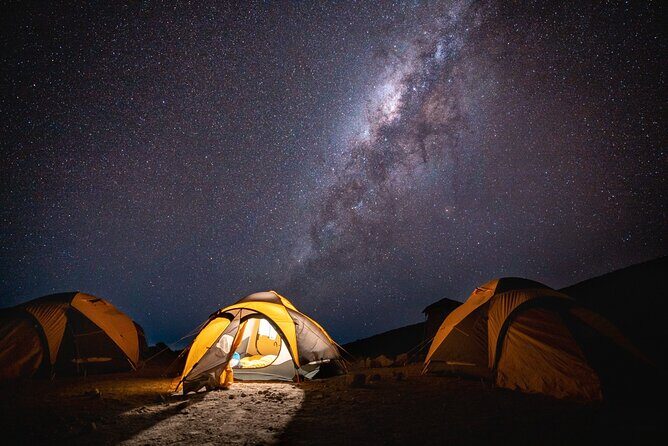
The overnight stop is at Gran Melia Arusha, which the itinerary frames as a calm, aesthetically pleasing base. You’ll relax, prepare, and get ready for early drives and long wildlife days. It’s also the moment to double-check essentials for safari life: neutral clothing, a hat, sunscreen, and binoculars if you use them.
It’s a small thing, but “someone meets you at the airport” is one of those details that makes premium travel feel premium. You start the trip with the same attention you’ll get later in the parks.
Tarangire National Park: Elephants, Acacia Plains, and Open-Roof Drives
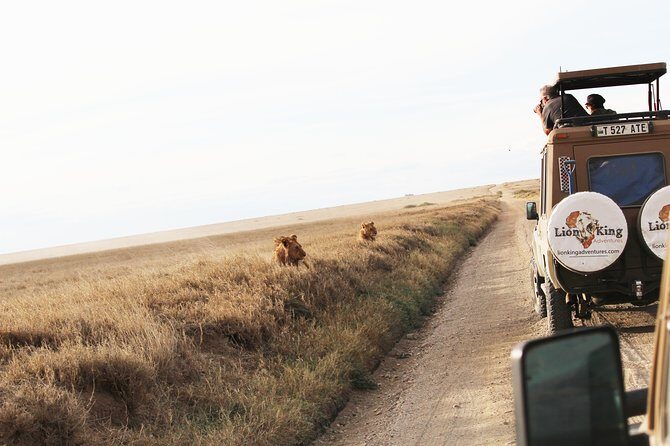
Day two is Tarangire National Park, and the setup here is clear: you’ll be collected from your Arusha lodging by your personal safari guide and drive across the Masai plains on the way in. The itinerary paints the journey as part of the experience, with roadside life and colorful Masai dress along the route.
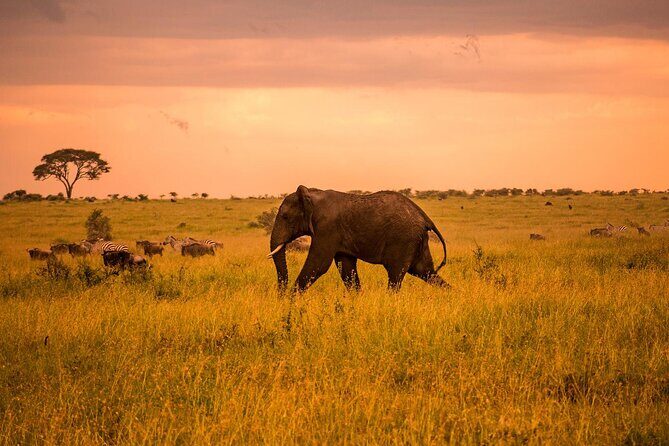
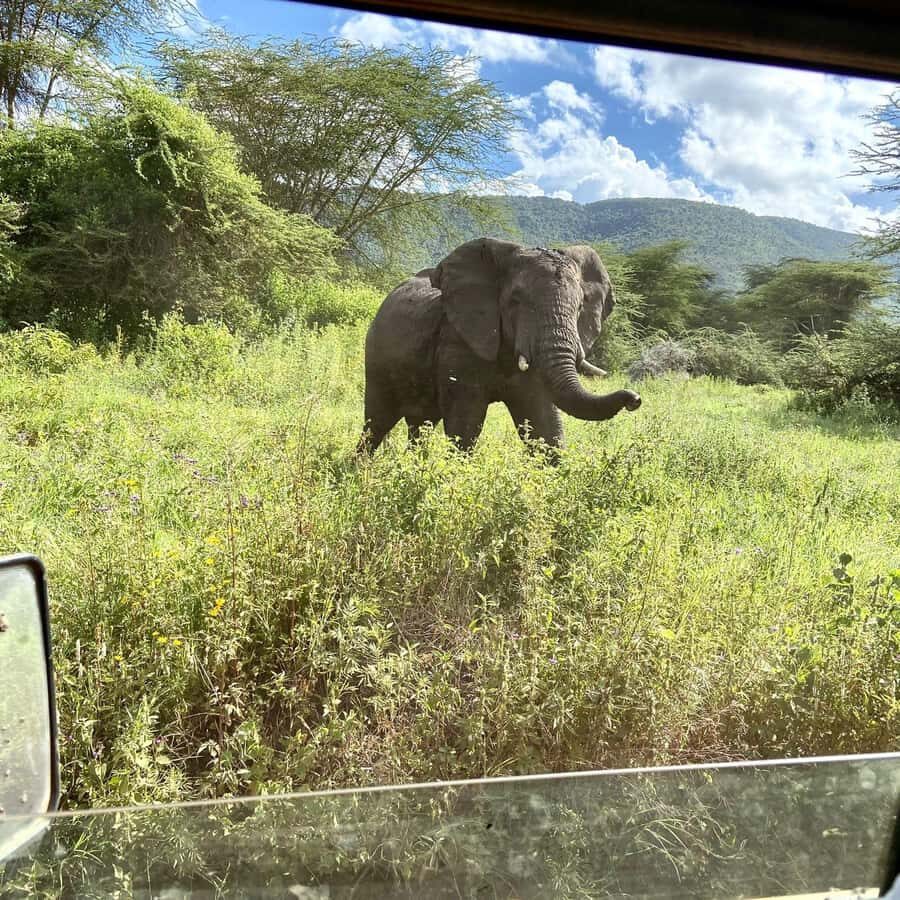
Once you reach Tarangire, the key vibe is elephants and varied habitat. Tarangire is well known for its large elephant herds, and you’ll be out in a safari vehicle with open views, designed for game viewing. The route moves through seasonal swamps, savanna areas, and the Tarangire River region, which is exactly what helps you connect the dots between “where animals gather” and “what the land is doing” that day.
Wildlife possibilities include zebra, wildebeest, buffalo, and elephants, plus other creatures you might find along the way. The drawback? Tarangire can be an intense “drive-and-scan” kind of day, so if you’re the type who wants long, slow hikes, this route will feel more vehicle-centered than foot-centered. But for wildlife spotting, a drive like this is built for results.
Lake Manyara: Birds, Baobabs, and the Chance of Lions in Trees
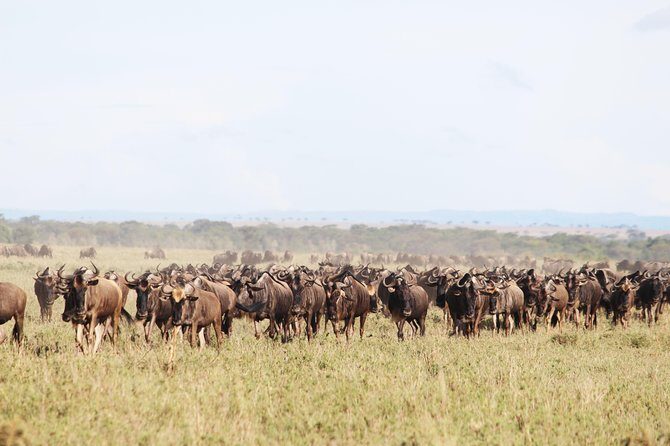
After breakfast, you continue to Lake Manyara National Park, which is smaller than some of Tanzania’s other parks but packed with variety. The park is named for its shallow salt lake, and the itinerary emphasizes the seasonal flooding and drying cycle. When the lake changes, the wildlife and bird life change with it.
The headline here is birdlife: thousands of flamingos and over 500 bird species are part of what you might see. That’s a big deal if you like wildlife that isn’t just the “top four” mammals. You also get the park’s different zones—open plains, woodlands, and baobab-dotted cliffs—so the scenery shifts while you stay in one park.
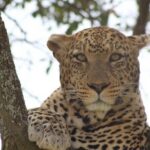
Your possible animal sightings include monkey, giraffe, zebra, wildebeest, buffalo, elephant, and the itinerary notes that lions may be found lounging in trees. That last detail is why this day is worth building into your trip even if you think you already “have lions” planned. It’s not a guarantee, but it’s a distinctive Lake Manyara possibility.
One practical consideration: Lake Manyara days can feel a bit different from the Serengeti. Instead of huge migration drama, you’re seeing a tighter mosaic of animals and habitats. If you want nonstop grand-scale spectacle every minute, plan to enjoy the variety rather than expect one constant mega-moment.
Serengeti Arrival Day: Timing, Terrain, and Migration Context
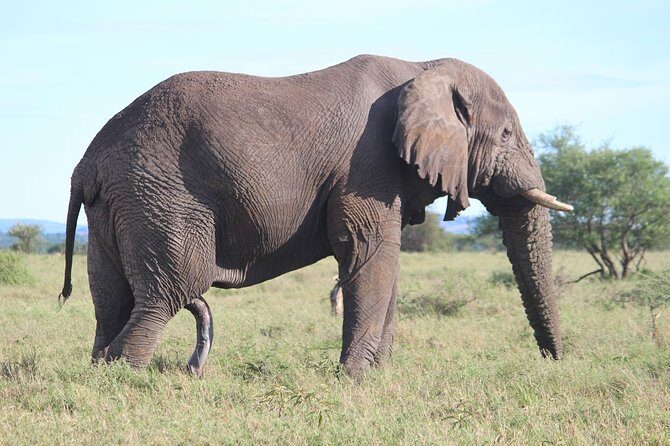
Day four is the move into Serengeti National Park, and you don’t just drive there—you build context before you arrive. You travel through the Ngorongoro Conservation Area and get views of the Ngorongoro Crater from the way up in the highlands.
Then you head onward to Serengeti and reach the park by midday, which is a smart pacing choice. Arriving not too late helps you get meaningful game drive time without turning the day into a pure transfer day.
The itinerary also sets the stage for what you’ll experience in the days that follow: Serengeti is huge and diverse, with grassy plains, swamps, lakes, and savanna habitats. That matters because the animals you see depend on where the land is offering food and water right now. By understanding this before your main game drive day, you’ll read the park better and feel like you’re “getting it,” not just passing through.
The migration is the big subject, and the itinerary frames it as a rainfall-driven cycle across the seasons. That’s one reason this safari format is valuable: your private guide can help you think about what region you’re in and what movement makes sense.
A few more Arusha tours and experiences worth a look
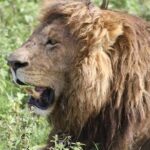
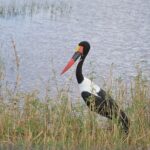
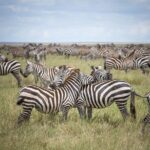
Full Serengeti Game Drives: The Migration Story in Real Time
Day five is all about the Serengeti game drives, with a full day set aside for wildlife viewing. This is where you’ll feel the payoff of choosing a private setup. When you’re not sharing vehicles and schedules with strangers, your guide can fine-tune where you stop, when you move, and how long you watch.
The itinerary notes the Serengeti is home to residents like impala, buffalo, crocodile, and hippo, but it also focuses on what most people come for: the great migrating herds of zebra, antelope, and wildebeest. The exact direction depends on season and rainfall.
It gives a useful seasonal guide:
- In November and December, animals move from the northern region toward the grassy plains of the south.
- During the longer rainy period from April to June, the herds return toward the north.
You don’t need to memorize that chart, but you should use it as a conversation starter with your guide. Ask what movement pattern they expect for your dates, and then watch how the land explains the answer.
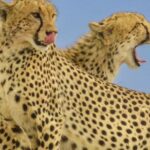
Your odds of predators also get mentioned—leopard, cheetah, and lion—depending on timing and conditions. Predator sightings aren’t guaranteed, but Serengeti is one of the best places in Tanzania to be in the right area at the right time. The private guide model helps you “stay in the picture” when opportunities show up.
Ngorongoro Crater Day: A World Below the Rim
Day six takes you from the Serengeti to the Ngorongoro Conservation Area, and then down into the crater itself. The itinerary describes the first look at Ngorongoro Crater as like stepping into a forgotten world, sealed by steep volcanic walls. That’s not just poetic framing. The crater’s shape influences weather, wildlife movement, and how animals concentrate.
The drive down is a big part of the day. When you reach the crater floor, the itinerary indicates you’ll find large numbers of wildebeest, zebra, gazelle, and more than 500 bird species. This is one of those places where wildlife density does the storytelling for you. Even without a migration moment, the crater environment creates strong viewing chances.
One practical tip for your experience: give yourself a mental shift. On this day, you might not be chasing movement across miles of open plains the way you do in Serengeti. Instead, you’re looking for animals using a fixed stage, where you can often spot multiple species close to each other. Bring patience and good viewing habits—stop, scan, watch for behavior.
Also note the itinerary’s pacing: this is after breakfast, and it follows your Serengeti days. That means you’ll want to start the day well rested, with water and sun protection ready early.
Finishing in Karatu: Smooth Exit From the Safari
The final day is shorter in time and simpler in emotion. You’re picked up from your accommodation and driven to the airport via Karatu, marking the end of the safari.
This matters because a lot of safaris end with a chaotic scramble. Here, the transfer is part of the package, so you can end the week without last-minute planning. It’s the calm landing after several active days of driving and game viewing.
The Human Factor: Private Guide Attention (Sebastian Is a Standout)
A luxury safari lives or dies on the person driving the day. The itinerary promises a personal guide, and the experience also highlights an excellent guide by name: Sebastian. That’s not just a random detail. A guide’s job isn’t only pointing out animals. It’s timing, reading the landscape, and choosing where to park so you get good sightlines and don’t waste time.
With a private safari, you’re also more likely to get helpful conversation. You can ask why certain areas are better at certain hours, how seasonal shifts affect movement, and what to look for when animals aren’t doing obvious things yet.
If Sebastian (or another similarly strong guide) is assigned to your dates, it’s the kind of small-to-big advantage that makes your week feel thoughtfully put together.
Where This Safari Can Feel Less Perfect
This is a premium, all-inclusive style safari, so it’s designed to run smoothly. Still, one detail is worth calling out: the review feedback you shared notes that accommodations were excellent overall, but Kitela was a bit not at par compared with the rest.
That doesn’t mean you’ll dislike it, and it doesn’t change the core parks-and-wildlife focus. But it’s a reminder that “included luxury” can vary between properties. If your trip absolutely hinges on hotel quality, you may want to confirm which specific hotels are scheduled for your dates, especially for stops beyond the first night at Gran Melia Arusha.
Also, with all the included meals and luxury lodging, you’re committing to a set structure. If you want total spontaneity—staying longer where you wander off-script—this premium plan gives flexibility via a private itinerary, but it’s still a guided itinerary with a set route.
Who This Tour Fits Best
This safari is built for you if:
- You want a private experience and hate sharing schedules with strangers.
- You care about comfort and want your days handled end-to-end.
- You plan to travel for wildlife viewing first, scenery second, and want a guide who can adjust the plan.
- You like the idea of seeing multiple ecosystems in one trip: elephants in Tarangire, birds and tree-lion chances in Lake Manyara, migration in Serengeti, and the crater concentration at Ngorongoro.
It may be less ideal if you’re on a tight budget or if you want a very minimal, rugged, self-directed safari experience.
Should You Book This 7-Day Premium Luxury Safari?
If your goal is big wildlife days with less mental load, I’d lean yes. The best argument is the package structure: private transport, all fees and taxes, meals across the trip, and luxury accommodations, plus hotel/airport transfers that remove common friction points. When you’re spending a week in Tanzania, that kind of smooth flow gives you more energy for the parks.
The main reason to pause is the price. At $4,840 per person, you should be confident you want premium comfort and private guiding, not just the parks. If that matches your travel style, this itinerary hits the strongest Tanzania highlights in a logical order, and it gives you enough time in the right places—especially the full Serengeti day and the crater day—to make the experience count.
FAQ
FAQ
What parks are included in this 7-day safari?
The itinerary includes Tarangire National Park, Lake Manyara National Park, Serengeti National Park, and the Ngorongoro Conservation Area (including Ngorongoro Crater).
Is this tour private or shared?
It’s a private tour/activity, and only your group participates.
Does the package include meals?
Yes. Breakfast is included for 7 days, lunch for 6 days, and dinner for 5 days.
Are airport and hotel transfers included?
Yes. The tour includes hotel pickup and drop-off, including airport pickup on the first day and an airport transfer on the last day.
What is not included in the price?
International flights are not included.
How does cancellation work?
You can cancel for free, with a full refund if you cancel at least 24 hours before the experience’s start time. If you cancel less than 24 hours before, the amount paid is not refunded.
Will I receive a ticket for the trip?
Yes. The tour includes a mobile ticket.