REVIEW · ARUSHA
Cooking and Sewing & Jewelry Workshops in Arusha
Book on Viator →Operated by Wehaf Organization · Bookable on Viator
Hands-on learning feels more personal than a typical tour. At WEHAF in Arusha, you get real skills taught by local women, with Glory as your English-speaking guide to help the day click into place. The setting also has a clear purpose: empowering widows, children, and people affected by HIV/AIDS through training that leads to income and confidence.
I especially like the warm welcome and how quickly the workshop turns into a conversation, not a performance. Another big plus is the craft itself: whether you’re making chapati or pilau or learning jewelry making, you leave with something you helped create. The one consideration is that you must choose one option (cooking or sewing and jewelry), so you won’t do both in the same 3-hour session.
In This Review
- Key Highlights to Know Before You Go
- Arriving at WEHAF: Pillars Bar & Lounge to the Mama Center
- Cooking in the Kitchen: Chapati or Pilau With Local Spices
- What you’ll actually make
- The lunch moment (and the surprise)
- A practical drawback to consider
- Sewing and Jewelry in the Mama Center: Pick Your Item, Sew It, Make Maasai-Style Jewelry
- Sewing: choosing fabric and getting guided step-by-step
- Jewelry: creating your own piece with a Maasai mama
- What you’ll leave with
- Seeing Where Your Ticket Money Goes (Without Making It Awkward)
- Price, Time, and Value: $33 for Three Hours of Real Skills
- Who Should Book This Workshop (And Who Might Prefer Something Else)
- Should You Book the WEHAF Workshops in Arusha?
- FAQ
- What workshop options are available?
- How long does the workshop last?
- What is included in the price?
- Where does the experience start?
- Do I take anything home?
- Can I cancel for free?
Key Highlights to Know Before You Go
- Start at Pillars Bar & Lounge, then see WEHAF’s mama center
- Cooking option focuses on Tanzanian staples like chapati and pilau
- Sewing workshop lets you pick an item and fabric from their collection
- You make local jewelry with guidance from a Maasai mama
- Hands-on pace with time to ask questions, learn spice basics, and create
- Local souvenirs are part of the finish, including sewn items
Arriving at WEHAF: Pillars Bar & Lounge to the Mama Center
This experience is designed to move you from the normal tourist zone into a working community space—without making it feel awkward or staged. You meet near Pillars Bar & Lounge on the LARRY V GARDEN Olkereyan Bypass Road area, and then your guide (Glory) brings you to the WEHAF mama center.
Before you touch anything, you’re shown around first. You’ll see the training side of WEHAF—where women learn sewing and cooking—and you’ll also learn how the center supports children through a daycare program. That context matters because it changes how you view the workshop. You’re not just buying a class. You’re participating in a system that’s meant to help vulnerable families build skills they can use beyond a single visit.
One smart detail: the guide helps with the human side of the day. Glory is English-speaking, which keeps the learning flowing. And because the workshop includes real instruction step-by-step, you’ll spend less time guessing and more time doing.
You can also read our reviews of more cooking classes in Arusha
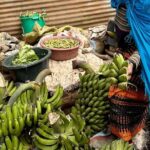
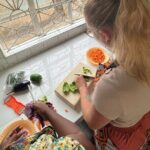
Cooking in the Kitchen: Chapati or Pilau With Local Spices
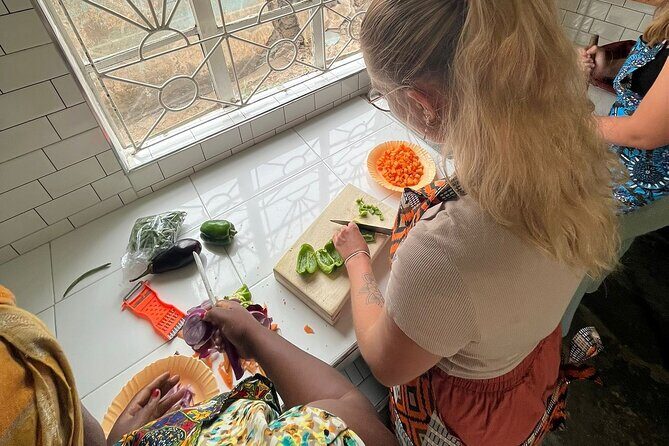
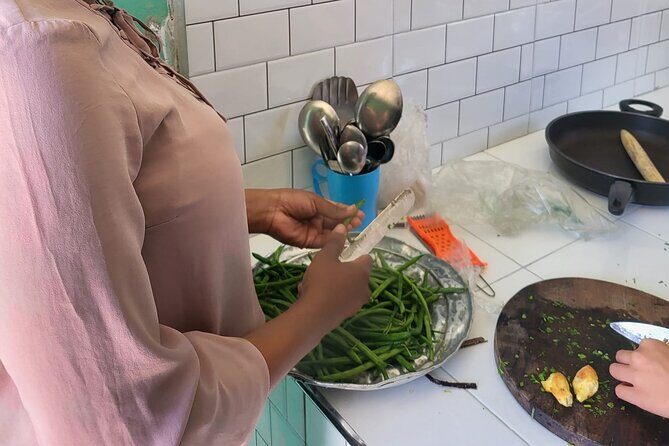
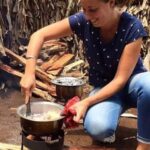
If you pick the cooking workshop, you’ll head to WEHAF’s kitchen at the daycare. You’ll still stay in the same community setting, but the focus shifts to food—its ingredients, its smells, and the small techniques that make Tanzanian staples feel doable.
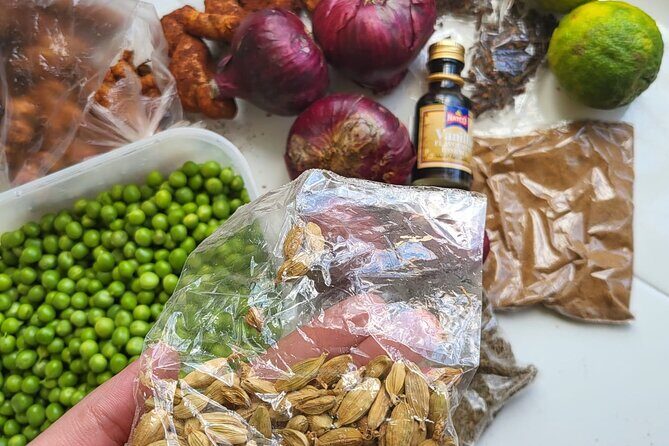
Expect a guide-led explanation of spices and how they show up in Tanzanian dishes. This part is more than trivia. When you understand what the spices are for, your cooking experience turns into transferable knowledge. You’ll likely pick up which aromas signal what flavor direction you’re aiming for.
What you’ll actually make
The mamas teach you step by step how to make either:
- Chapati
- Pilau
Chapati is the kind of food that rewards patience. You’ll learn how to handle the dough and the rhythm behind getting it right. Pilau is a different style of cooking—more spice-forward and built around flavor balance—so even if you’ve cooked rice before, you’ll probably notice how the Tanzanian approach feels distinct.
The lunch moment (and the surprise)
After working through your dish, you’ll share a local lunch together. That’s a key value point: you don’t just make food and rush off. You sit, you eat, and you get the chance to ask questions while the day feels relaxed.
Then comes the part WEHAF calls out as a surprise waiting after lunch. The exact nature isn’t specified in the information you receive ahead of time, so treat it as a fun mystery rather than something you can plan for. In practice, a surprise is usually what keeps a short workshop from feeling like a normal cooking demo.
A practical drawback to consider
Cooking workshops can mean you’ll get a little messy—hands, clothing, and kitchen steam are part of the deal. If you’re the type who packs only “nice” outfits, bring something comfortable you can be okay getting dusted with flour or spice.
A few more Arusha tours and experiences worth a look

Sewing and Jewelry in the Mama Center: Pick Your Item, Sew It, Make Maasai-Style Jewelry
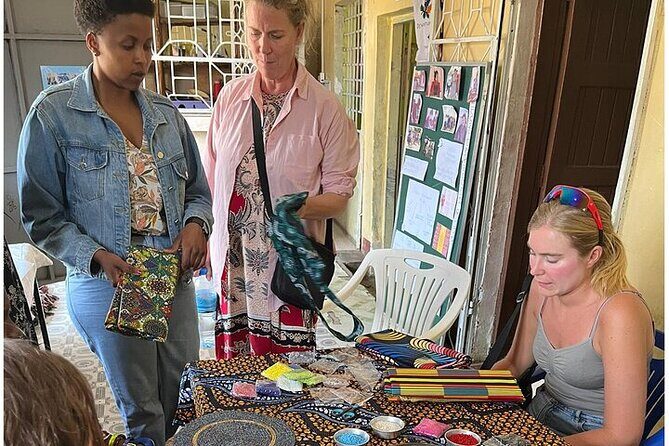
If your vibe is craft over cooking, choose the sewing & jewelry workshop. Instead of going to the kitchen, you visit the mama center with Glory and start with choices.
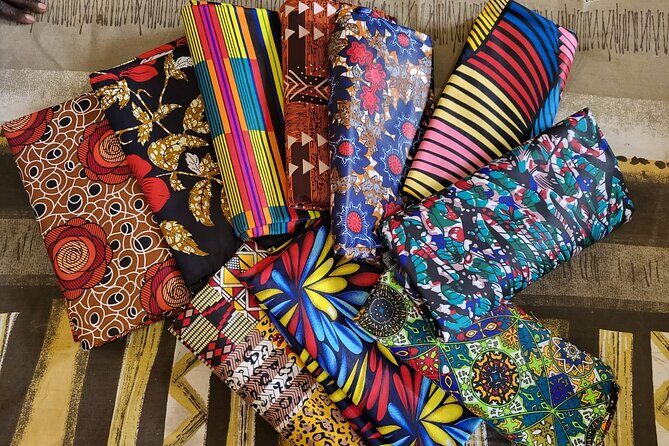
The mamas are described as very talented, and you can select an item from their collection. This is one of the most satisfying setup choices because it makes the workshop feel personalized. You’re not stuck with one pre-made plan that fits only one body type or one aesthetic.
Sewing: choosing fabric and getting guided step-by-step
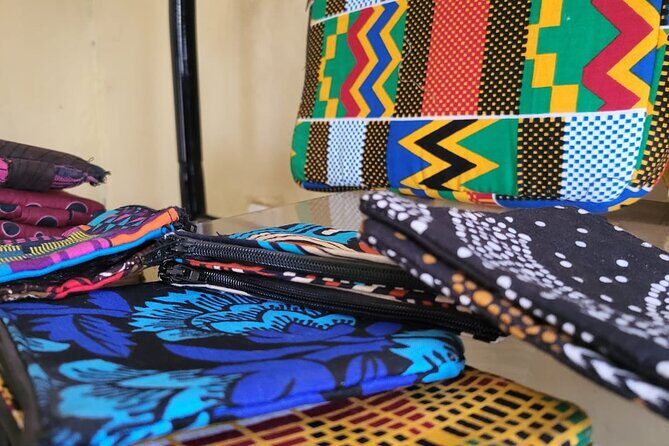
After you make your selections for the item and fabric, one of the mamas begins sewing your chosen item. This is hands-on learning in a realistic way: they lead the technical parts, while you learn through watching and instruction as you go. The end result is a beautiful local souvenir you helped create.
A real-world detail from past participants: people have taken home tote bags made through the sewing learning. That’s the kind of souvenir you’ll actually use after your trip, not something you forget in a drawer.
Jewelry: creating your own piece with a Maasai mama
While the sewing is happening, you’ll also learn how to make your own local jewelry, taught by a Maasai mama. Jewelry-making is a great fit for a group workshop because it doesn’t require advanced tools or prior experience. You can follow along, make choices, and end with something that feels personal.
This section also gives you a cultural thread you can carry home. Even if you don’t wear jewelry every day, you’ll remember the techniques and the story behind the making process.
What you’ll leave with
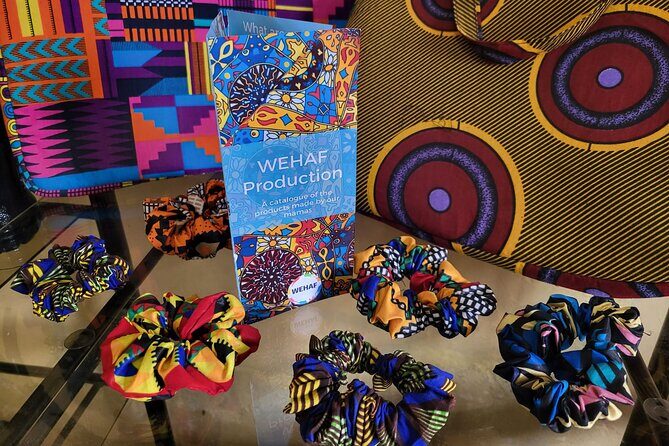
At the end of the workshop, you’ll have local souvenirs tied directly to your choices. Expect your sewing piece and your jewelry to be the main takeaways, and expect the staff to help you make sure what you leave with is presentable and usable.
Seeing Where Your Ticket Money Goes (Without Making It Awkward)
WEHAF stands for Widows Encouragement & HIV/AIDS foundation. The mission is clear: mobilize, motivate, and advocate for widows, children, and people affected by HIV/AIDS through areas like health, social justice, and economic empowerment.
For you, the practical takeaway is simple. This isn’t a craft class detached from real life. The skills taught here are directly aimed at giving women tools for earning and for stability. You’re stepping into a place where training and support happen in the same campus or center environment.
The daycare piece is also important. You’ll see how children go to daycare while women attend cooking or sewing training. When you understand that structure, the workshop feels more respectful. It’s not only “look at the women making things.” It’s “support a system that helps families function.”
And because Glory brings you through the center first, you’re not dropped into a workshop like you’re late for a show. You start by seeing the bigger picture and the human setup.
Price, Time, and Value: $33 for Three Hours of Real Skills
The price is $33.00 per person for an experience that runs about 3 hours. For Arusha, that’s strong value when you compare it to tours that cost similar amounts but offer mostly watching, not doing.
Here’s why the value holds up:
- You get a local guide in English (Glory), not just a driver dropping you off.
- You get hands-on instruction in either cooking or sewing/jewelry.
- You’re hosted in a community training space rather than a staged storefront.
- You receive take-home items: food you eat immediately and souvenirs you keep.
Included items in the experience information are coffee and/or tea plus tea and snack. If you choose the cooking option, you also share a local lunch together as part of the flow of the day. That lunch time is a genuine quality-of-experience boost. It’s when the workshop turns into a shared meal, which tends to make the day feel longer in the best way.
One more detail that tells you people care about this experience: it’s often booked about 34 days in advance on average. That usually means the schedule fills, or the demand is steady. If this is on your must-do list, don’t wait until your last day in town.
Who Should Book This Workshop (And Who Might Prefer Something Else)
This is a great fit if you want your Arusha time to feel useful, personal, and culturally anchored. You’ll probably enjoy it most if you like learning practical skills, asking questions, and making something with your hands.
It also suits couples and small groups, since the tour is private—meaning only your group participates. Private setup is a quiet upgrade for this kind of workshop. You’ll likely get more direct attention, and the guide can tailor pace and explanation to your group.
You might reconsider if you’re only interested in a fast “see and go” outing. This is an active session built around either cooking or crafting, so your time is meant for doing, not speed-walking through photos.
And remember the key decision: cooking vs sewing and jewelry. If your dream is both, you’ll need to pick one for this 3-hour session.
Should You Book the WEHAF Workshops in Arusha?
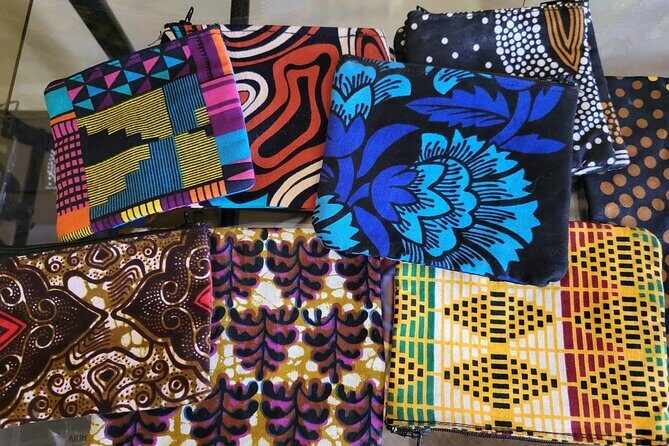
I’d book this if you want more than a typical souvenir stop. The best reason is the combination of skill learning and community purpose, taught step by step in a real training setting. If you choose cooking, you’ll learn staples like chapati or pilau and get a meal at the end. If you choose sewing and jewelry, you’ll select fabric and an item, learn jewelry with a Maasai mama, and leave with sewn-and-made souvenirs.
One final tip: pack comfortable clothes and plan to enjoy a hands-on, slightly lived-in environment. If that sounds like your kind of travel day, this workshop fits Arusha well.
FAQ
What workshop options are available?
You can choose either the cooking workshop (making chapati or pilau) or the sewing & jewelry workshop (sewing an item you select and learning to make jewelry).
How long does the workshop last?
The experience takes about 3 hours.
What is included in the price?
The information lists coffee and/or tea and a tea and snack as included. If you choose the cooking workshop, you’ll also enjoy a local lunch together.
Where does the experience start?
You start near Pillars Bar & Lounge close to the WEHAF organization, with the provided start location on LARRY V GARDEN Olkereyan Bypass Road, Arusha.
Do I take anything home?
Yes. The sewing & jewelry workshop ends with beautiful local souvenirs, and the cooking option includes a surprise waiting after lunch.
Can I cancel for free?
Yes. You can cancel for a full refund up to 24 hours in advance. If you cancel less than 24 hours before the start time, the amount paid is not refunded.