REVIEW · MOSHI
Kilimanjaro climb, Lemosho Route (8-day)
Book on Viator →Operated by Altezza Travel · Bookable on Viator
Kilimanjaro rewards patience and smart pacing. The Lemosho route is a great fit for that, because it gives you a longer runway of hiking before the big altitude push. I also like the support model: Wilderness First Responder–certified guides and a full climbing crew so you’re not improvising at 5,000m.
What makes this trip feel practical is the hands-on comfort you get on the way in and out. You start with airport transfer help, then spend two nights at Aishi Machame Hotel, and you sleep in North Face VE-25 tents on the mountain with sleeping pads.
The main consideration is cost: at $3,975 per person, you’re paying for logistics, equipment, medical gear, and staff. Also, no matter how smooth the plan is, you still need a steady, altitude-respectful attitude, because this is serious high-altitude hiking.
In This Review
- Key things I’d zero in on
- Lemosho’s slower start: rainforest, Shira views, and fewer altitude surprises
- Arriving in Moshi and your first camp briefing at Londorossi Gate
- Day 2–4: Mti Mkubwa, Shira 1 and Shira 2 for acclimatization
- Day 5–6: Lava Tower, Barranco Wall, and the long day to Karanga/Barafu
- Day 7–8: Barafu night summit to Uhuru Peak and the Millennium descent
- Day 9–10: Mweka Gate finish and decompressing at Aishi Machame Hotel
- Food, tents, and drinks: what is actually included
- Safety kit on Kilimanjaro: Wilderness First Responder, oxygen, and medical checks
- Price check: what $3,975 covers (and what you still need to pay for)
- Who should choose this Lemosho 8-day plan
- Should you book Altezza’s Lemosho climb?
- FAQ
- How long is the trip overall?
- What is the total price?
- Are airport transfers included?
- Where will I stay on the trip?
- Is medical equipment included?
- Can I cancel for a full refund?
Key things I’d zero in on
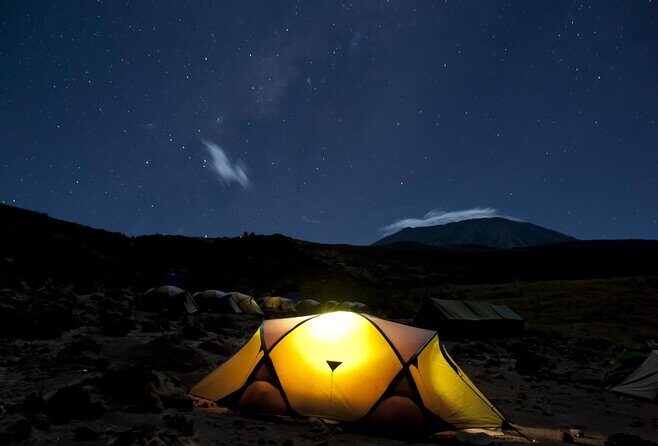
- Lemosho’s gentle setup for acclimatization, with rainforest-to-alpine scenery changes that keep you mentally engaged
- Oxygen tanks, oximeters, and medical check-ups included, not an add-on fantasy
- Professional guide + porter + kitchen team structure, so you hike while the camp runs
- Diet flexibility (vegetarian, vegan, lactose-free, gluten-free, halal, and more) built into the meal plan
- Day-by-day pacing choices like acclimatization hikes near Lava Tower, Kosovo Summit, and Barafu
Lemosho’s slower start: rainforest, Shira views, and fewer altitude surprises
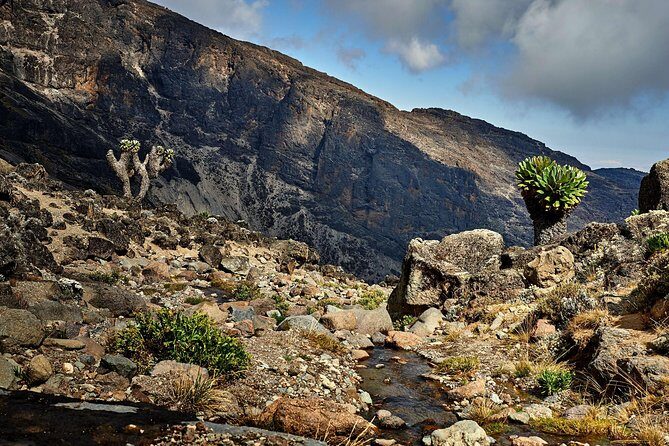
The Lemosho route is known for spacing altitude changes out better than the quick-and-sprint itineraries. On this plan, you’re trekking into the mountain with time to adjust, not just stacking elevation day after day.
One smart thing I appreciate is the variety: you begin in lush terrain and work your way toward the Shira highlands, then up to the moody volcanic zones around Kibo. That matters because when the scenery shifts from jungle feel to high, cold air, you’ll already be in a rhythm instead of reacting to altitude like it blindsides you.
This is also a route where you’ll have plenty to look at during the climb—Shira Plateau views, Kibo angles, and later the dramatic ridges around the summit attempt. That keeps the mind busy, which is huge when you’re walking for hours at a steady grade.
You can also read our reviews of more tours and experiences in Moshi.
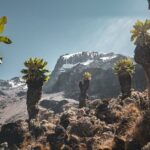
Arriving in Moshi and your first camp briefing at Londorossi Gate
Most trips feel chaotic on day one. This one is structured: you land at Kilimanjaro International Airport (JRO), meet an Altezza representative, and get transferred to your hotel. Check-in starts at 2:00 PM, and there’s a briefing that helps you get oriented before you drive to the mountain.
In the morning, a guide and the mountain support crew meet you, then you transfer about 3–4 hours to Londorossi Gate (2,200 m). You’ll handle climbing permits and registration with search and rescue service, and then you start walking to Mti Mkubwa Camp (2,780 m).
Day 2 includes rainforest hiking, so rain gear is not optional. The plan calls out raincoats specifically for that section, and you’ll thank yourself later when you’re trying to keep dry gear from becoming cold gear.
Day 2–4: Mti Mkubwa, Shira 1 and Shira 2 for acclimatization
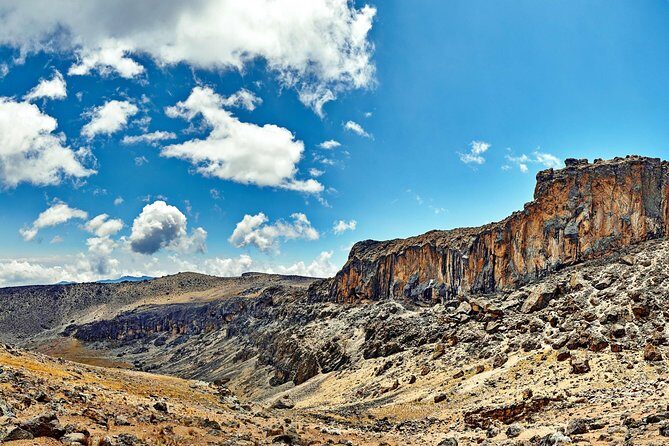
Day 2 is your rainforest-to-camp transition. You’ll hike toward Mti Mkubwa Camp (2,780 m), and once you arrive the crew sets tents and cooks lunch. That camp setup isn’t a small detail; it’s one less thing you have to manage while your body is getting used to thinner air.
On day 3, you start with breakfast and climb gradually up until around 3,500 m, when views open up toward Shira Plateau and Kibo Volcano. The walk from Mti Mkubwa to Shira 1 Camp (3,505 m) takes about 5–6 hours, and that pacing is the point: you gain altitude without turning it into an all-out cardio test.
Day 4 continues that logic. You trek from Shira 1 to Shira 2 Camp (3,900 m) (not described as difficult), with a chance to see Mount Meru weather permitting. Then there’s a short acclimatization hike toward Lava Tower Camp, with about 300 m of gain, before you settle again.
The takeaway: these days are built to help you feel steady at altitude. If you’re the type who always wants to “push to prove something,” this itinerary gently discourages that with its structure.
Day 5–6: Lava Tower, Barranco Wall, and the long day to Karanga/Barafu
Day 5 is a classic high-altitude feel: you leave Shira 2 (3,900 m) and work up toward Lava Tower (4,630 m). This section has lots of ups and downs, and the plan notes it can be difficult and may come with discomfort. The key is that the itinerary includes time here—at least 1–2 hours for acclimatization—and lunch at altitude helps you stay calm and functional.
After lunch, you descend to Barranco Camp (3,960 m). Then you’ll have the famous Barranco Wall in your rearview mirror—big and steep-looking, but the next day’s approach is described as doable via a simple hiking trail.
Day 6 starts early for a reason: you climb the Barranco Wall quickly (about an hour) and aim to avoid crowds from other groups. After that, you move on to Karanga Camp, a longer day with multiple ascents and descents and an overall pace controlled by your guides.
Then comes an acclimatization push toward Barafu Camp, with about 200 m gain, and a descent back to camp. It’s long—listed around 14 hours—so plan on settling into “eat, hydrate, walk slow, repeat.” This is one of those days where discipline beats heroics.
Day 7–8: Barafu night summit to Uhuru Peak and the Millennium descent
Day 7 is about getting set for the summit night. You head to Barafu Summit Camp (4,640 m), and your team sets up camp ahead of time with tents and sleeping bags so you can rest. You then do an acclimatization hike toward Kosovo Summit Camp (4,800 m) and return to Barafu.
Food matters here. You’ll have a hot dinner, and the plan basically tells you to stop burning energy and save it. The best summit crews don’t just know routes; they manage your day like an athlete manages a race week.
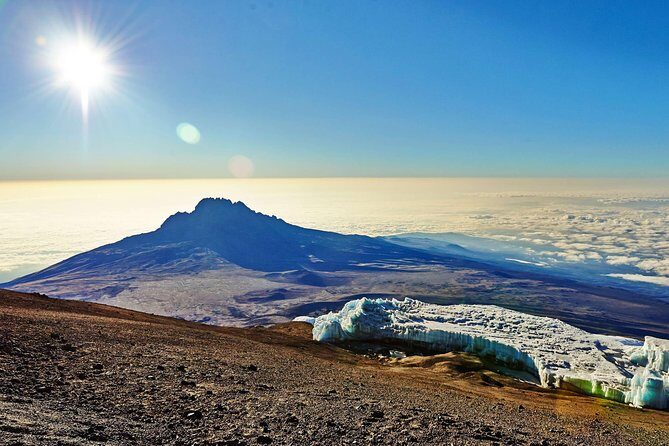
Then night comes. On day 8 you leave Barafu (4,640 m) and start the summit climb to Uhuru Peak (5,895 m). The plan calls it “technically simple,” but the hard part is altitude, so the ascent is less about climbing skill and more about staying mentally steady.
One standout support detail: each pair of climbers gets a personal guide for the entire ascent to monitor physical and mental conditions. That’s comforting when you’re dealing with cold, fatigue, and that weird brain fog that can show up high up.
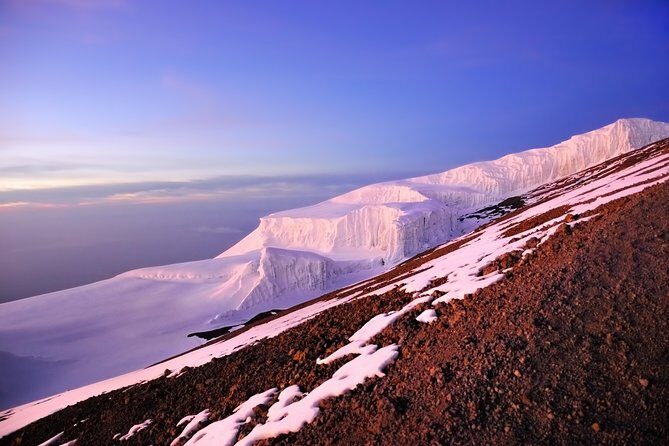
After you reach Uhuru Peak, you can descend toward the nearest glacier if you want, then return to Barafu Camp and continue down to Millennium Camp (3,820 m). You’ll feel the relief of dropping altitude fast, but descending also means you stay alert for slips and exhaustion.
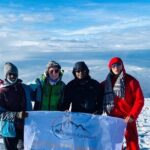
Day 9–10: Mweka Gate finish and decompressing at Aishi Machame Hotel
Day 9 brings you out of the mountain world. You wake up at Millennium Camp (3,820 m) in a tropical rainforest setting, then descend to Mweka Gate (1,650 m). The hike is listed as about 12 km and 4–5 hours, which is brisk after a summit day, but totally manageable with the right pacing.
At the gate, the group gathers to congratulate you, and you’ll also get commemorative certificates presented in the office. Then you transfer back to the hotel, and you’ll likely feel like you can finally breathe in full-air mode again.
Day 10 is your buffer: you rest at the hotel and transfer to the airport. Hotel checkout is at 11:00 AM, and if you have a late flight, the option exists to extend your stay for an extra fee.
Food, tents, and drinks: what is actually included
Here’s where the trip earns trust. You’re not just buying a route; you’re buying a full camp system.
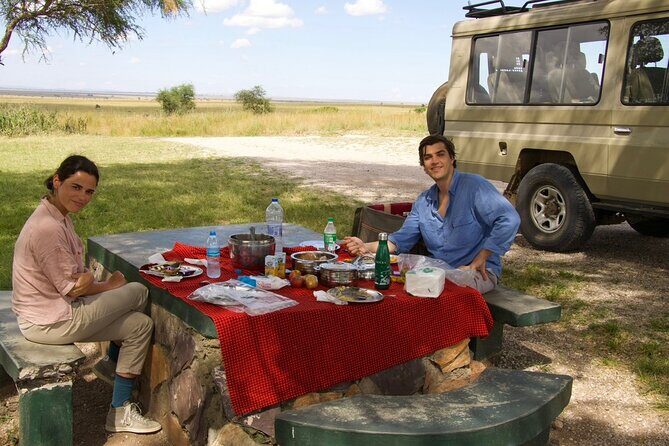
You get three tasty, energy-rich meals a day, with drinks on Kilimanjaro such as tea, coffee, juices, and soda. The plan also lists multiple dietary accommodations, including vegetarian, vegan, lactose-free, gluten-free, halal, and other meal plans. That matters because altitude appetite can be unpredictable, and you don’t want your meal plan to break when your body gets stressed.
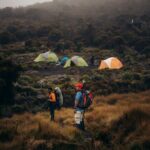
On the equipment side, the included group kit includes North Face VE-25 tents, dining tent, sleeping pads, table, chairs, and basic dining ware. If you’ve ever camped before, you know those details are what make the hours after hiking feel like recovery instead of survival.
A lot of people obsess over summit success. I think better value comes from how well you feel from camp to camp. This plan tries to keep you fed, warm enough, and able to sleep.
Safety kit on Kilimanjaro: Wilderness First Responder, oxygen, and medical checks
On Kilimanjaro, safety is not a slogan. This plan includes certified Wilderness First Responder guides, plus medical check-ups, oxygen tanks and oximeters, and medical kits.
That’s the kind of support you hope you never need, but you’ll feel better knowing it’s part of the plan. The itinerary also uses pacing choices that reduce unnecessary early strain, like acclimatization hikes around Lava Tower, Kosovo Summit, and near Barafu.
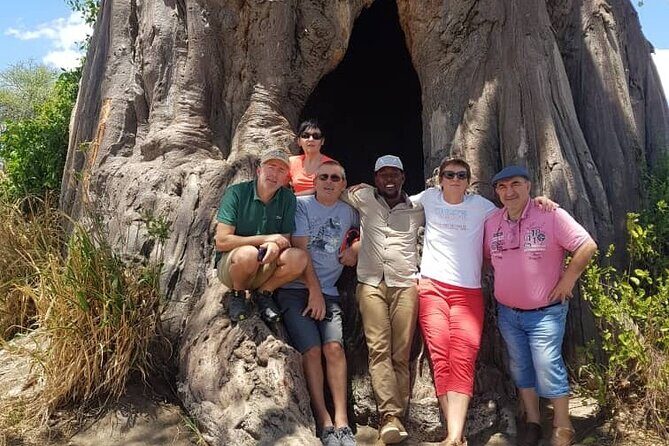
When it comes to people, you may meet a team that includes guides with names like Imran, Kelvin, Donovan, Michael, Rayson, Ally, and Andrea, and you could also have a head guide such as Richard Chande, noted in trip accounts in a medical-support role. Names aren’t the whole story, but they do suggest a real staff network, not a last-minute scramble.
Practical tip: even with oxygen on standby, you still need to speak up if you feel worse than expected. The “monitor your physical and mental conditions” part only works if you actually report how you’re doing.
Price check: what $3,975 covers (and what you still need to pay for)
At $3,975 per person, this is not the cheapest way up Kilimanjaro. But it’s also not just a basic hiking permit and a vague meeting point.
What you’re paying for includes round-trip airport support, ground transportation, two hotel nights at Aishi Machame Hotel, full camp logistics, staff for guiding and cooking, and medical equipment like oxygen and oximeters. You’re also getting included meals and the branded camp setup, including tents and dining infrastructure.
What you should budget separately:
- Personal gear like your hiking outfit, boots, and sleeping bag (you can hire at a gear store)
- Lunch and dinner at the hotel (listed as $15–20 per person per meal)
- Tips for the mountain crew
- Mountaineering insurance covering trekking up to 6,000 m, strongly recommended
If you’re doing this for a first summit, insurance and personal comfort items are usually the difference between a trip you remember fondly and a trip you remember begrudgingly.
Who should choose this Lemosho 8-day plan
This tour suits you if you want the Lemosho approach with a structured acclimatization rhythm. The plan is described for people with moderate physical fitness, and it also stresses readiness and teamwork via briefings and guide-led pace.
It’s also a good fit if you like having the “camp details” handled. Between tent setup, cooking, and meals with dietary options, you can focus on walking, hydrating, and resting instead of micromanaging everything.
One thing to consider: the schedule includes a very long day (around 14 hours on day 6) and a night summit with early departure. If you’re easily rattled by cold, darkness, and long physical efforts, you’ll want to be mentally ready and follow the guide’s pacing instructions.
This is listed as a private tour/activity, so it’s only your group. That can feel calmer if you want consistency with your people and fewer surprises from random group dynamics.
Should you book Altezza’s Lemosho climb?
If your goal is a well-run Lemosho climb with oxygen support, a real camp kitchen, and guides who manage pacing with acclimatization in mind, I’d say it’s worth serious consideration. The value isn’t just the summit attempt; it’s the way the plan reduces stress through logistics, meals, and medical readiness.
I’d only hesitate if your budget is tight, or if you know you won’t follow the pace on acclimatization days. Kilimanjaro rewards cooperation with the schedule more than it rewards stubbornness.
If you’re ready for a disciplined, high-altitude trek and you want the comfort details included, this setup is the kind of booking that lowers friction and boosts your odds of having the trip go well.
FAQ
How long is the trip overall?
The Kilimanjaro experience is planned as an 8-day climb along the Lemosho route, with the overall trip lasting about 10 days including transfers and hotel nights.
What is the total price?
The price is $3,975.00 per person.
Are airport transfers included?
Yes. The package includes JRO airport pick-up and drop-off, plus all ground transportation.
Where will I stay on the trip?
You get two nights at Aishi Machame Hotel (2 guests per room, except solo climbs). After that, you sleep in mountain tents on the climb.
Is medical equipment included?
Yes. The inclusions list oxygen tanks and oximeters, medical check-ups, and medical kits.
Can I cancel for a full refund?
Yes. You can cancel up to 24 hours in advance of the experience start time for a full refund. If you cancel less than 24 hours before, the amount paid is not refunded.