REVIEW · ZANZIBAR
Zanzibar snorkeling + sandbank picnic Pungume Island
Book on Viator →Operated by Host zanzibar tours & safaris · Bookable on Viator
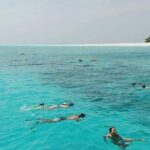
Clear water, wild dolphins, and grilled seafood. You start in Kizimkazi, a traditional fishing village in Zanzibar’s south, then head out by boat toward the Pungume Sandbank for hours in swim-and-snorkel mode.
Two things I really like: the chance to see dolphins on the way out (and possibly swim with them if conditions allow), and the way the day blends snorkeling with a proper on-board meal—fresh seafood cooked by your skipper. One possible drawback is that boat rides can feel bumpy when the sea turns rough, so don’t ignore how you handle waves.
In This Review
- Key highlights to know before you go
- Kizimkazi start: a traditional village day trips feel actually local
- The 45-minute boat ride to Pungume Sandbank, plus the dolphin question
- Pungume Island Marine Park: the snorkeling stop that’s about species, not just pretty water
- Pungume Sandbank time: swim, snorkel, and eat like you’re on holiday
- Uzi Island mangroves: the short stop that adds meaning to the sea
- Logistics that actually affect your comfort: private tour, timing, and sea conditions
- Price and value: is $103 worth it for a full day?
- Who this suits best (and who should think twice)
- Should you book the Zanzibar Pungume sandbank + snorkeling day?
- FAQ
- What is the duration of the Zanzibar Pungume Island snorkeling and sandbank picnic?
- Where does the tour start?
- How long is the boat ride to Pungume Sandbank?
- Is a dolphin encounter included?
- What do you do at Pungume Island?
- What do you do at Pungume Sandbank?
- What is included in the BBQ lunch?
- What is included at Uzi Island?
- Is the tour private?
- Is free cancellation available?
Key highlights to know before you go
- Dolphins can appear on the trip out, with swimming possible if the crew says it’s safe
- Pungume Island Marine Park gives you clear-water wildlife, including stingrays and lionfish
- Big sandbank time: swim and snorkel around the sandbar for a full chunk of the day
- Fresh seafood BBQ lunch cooked fresh, served with chapati, Swahili salad, rice, and coconut sauce
- Uzi Island mangroves add a different side of Zanzibar—roots, birds, crabs, and more
Kizimkazi start: a traditional village day trips feel actually local
The experience begins in Kizimkazi, Zanzibar’s very-southern fishing country. I like this start because you’re not starting in a tourist strip. You’re starting where boats still matter, where the day begins with the sea.
You’ll also likely appreciate the practical setup. Pickup is offered, and you use a mobile ticket. The tour runs about 7 hours overall, and it’s private, meaning it’s only your group on the water rather than a floating zoo.
One more detail that matters: the tour is near public transportation. So if you’re not using pickup, you still have options to get yourself to the start point without a big hassle.
You can also read our reviews of more snorkeling tours in Zanzibar
The 45-minute boat ride to Pungume Sandbank, plus the dolphin question
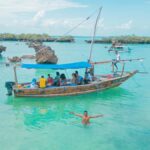
Once you’re underway, plan on a 45-minute boat ride out to Pungume Sandbank. This part sets the tone. If the sea is calm, it feels like a scenic stretch. If it’s not, it can feel like you’re riding the day’s mood.
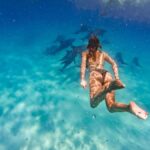
Here’s the fun twist: if you’re lucky, you’ll spot dolphins. And if your guide/crew judges it safe, you can get in the water with them before continuing on.
That dolphin possibility is one of the most praised parts of this day, because it’s not something you can guarantee at the start of any trip. You’re basically getting a bonus if the ocean cooperates. If it doesn’t happen, the rest of the day still has a lot going on—sandbank swimming, snorkeling in conservation waters, and that seafood lunch.
My practical advice: if you get seasick easily, bring what works for you. Even when the crew is experienced, rough seas are still rough seas. One piece of feedback flagged that conditions can turn challenging with significant wave height—so it’s smart to be honest with yourself about motion sickness and comfort on boats.
Pungume Island Marine Park: the snorkeling stop that’s about species, not just pretty water
Pungume Island is tied to the Pungume Island Marine Park, described as Zanzibar’s most famous marine conservation area. This matters because it signals the water you’re snorkeling in is managed as habitat—not just a random spot where people swim and go.
During this stop, expect clear water and wildlife you can actually track. The day’s highlights include starfish, moray eels, lionfish, and stingrays. You’ll have about 2 hours, and admission here is free.
What I like about this stop is that it’s not only about seeing fish. It’s about seeing animals that reflect a protected ecosystem. If you pay attention—move slowly, watch the bottom, and give rays and eels space—you usually get better encounters than if you rush around.
And yes, some people also report seeing common tropical fish types in the area, including zebra fish, parrot fish, angel fish, and butterfly fish. So you’re not stuck with only one look; it’s a mix of sand and reef life.
A small reality check: “clear waters” helps, but visibility can still shift. Clouds, current, and wind all play a role. If you’re a confident swimmer, you’ll probably get the most out of this stop.
Pungume Sandbank time: swim, snorkel, and eat like you’re on holiday
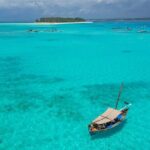
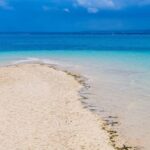
After the island stop, the day’s center of gravity becomes the sandbank itself. You’ll have about 4 hours at Pungume Sandbank, with admission included.
This is the part you came for: swimming and snorkeling around the sandbank, taking advantage of the shallow, open-water feel. Because the sandbar sits in a marine area, it’s not just a photo stop. The whole point is that you can explore in the water in multiple spots around the sandbar.
What’s great here is that you can match the activity level to your mood. You can float and enjoy the water. You can put on your snorkel and search along edges where fish tend to hang out. You can even just take in how the seafloor changes as you move.
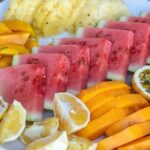
Then lunch happens—on a schedule that keeps the day from dragging. Your skipper makes a fresh seafood BBQ with lobster, prawns, octopus, and calamari, then serves it with chapati, Swahili salad, rice, and a coconut sauce.
I like meals like this on the water because it’s not an afterthought. It’s a real break between swim stretches. The sides also feel local: chapati and Swahili salad make the meal more than just grilled seafood on a plate.
If you’re wondering about the tone of the day, one name comes up again and again in the feedback: Mohammed. People describe him as a guide who’s friendly, hands-on, and good at keeping things running smoothly, including the meal. If he’s your guide, you’ll likely feel that personal touch.
Uzi Island mangroves: the short stop that adds meaning to the sea
After your main water time, you shift to Uzi Island for about 30 minutes. This stop is different. Instead of snorkeling, you’re learning about mangroves and what they do for coastal life.
The description is clear: mangroves are salt-tolerant trees and shrubs that thrive in intertidal zones. They’re not just scenery. They protect the coastline, support biodiversity, and help store carbon.
This is the part I found useful even if you’re mainly there for snorkeling. Mangrove roots act like a nursery. Their tangled system offers shelter for juvenile fish and other marine life. That means the mangrove ecosystem connects to the open-water marine park you spent earlier time in.
You’ll also hear about common mangrove types, including red mangrove (Rhizophora mangle), black mangrove (Avicennia germinans), and white mangrove (Laguncularia racemosa). And wildlife you might find associated with mangroves includes herons, kingfishers, crabs, and even the mangrove monitor (listed in the provided info).
Because this is only about half an hour, don’t expect a long walk or a full lecture. Think of it as a meaningful add-on that helps you understand why the water life you’re seeing has somewhere to grow.

Logistics that actually affect your comfort: private tour, timing, and sea conditions
This is a private tour/activity, so it’s only your group. That tends to make snorkel pacing easier, since your crew isn’t juggling a big mixed crowd. It also helps if your group wants to move at a steady pace rather than constantly regrouping.
You’re also looking at around 7 hours total. That’s long enough for a full day on the water, but not so long that it turns into a grind.
One more thing that affects comfort: the day includes boat travel plus time in open water. In calm conditions, it feels great. In rough conditions, it can become stressful fast. One safety-related comment pointed out danger risk with rough seas and tall waves. I can’t promise conditions will be mild on your date, so I’d plan for the possibility and pack for it.
Bring what helps you stay comfortable: water-resistant sunscreen, and anything you use to manage motion sickness. Even if you feel fine at the start, boat rides can change as wind shifts.
Price and value: is $103 worth it for a full day?
At $103 per person, this tour isn’t the cheapest option in Zanzibar, but it also isn’t priced like a luxury spa day. When I judge value, I ask: what’s included, and how much of the day is actually quality time?
Here, value looks strong on three fronts:
- Time on the water. You get substantial water hours: 2 hours at Pungume Island, 4 hours at the sandbank, plus the boat ride and the short Uzi stop. This isn’t a quick hit.
- A real meal. Lunch is a full seafood BBQ with multiple seafood options plus sides (chapati, Swahili salad, rice, coconut sauce). That’s not the typical snack-style included meal.
- Conservation-focused waters. The Pungume Marine Park framing matters. It’s tied to a protected area, and the stop focuses on wildlife you can observe.
Also, it’s often booked about 15 days in advance on average. That suggests people plan ahead because they want a reliable slot for the conditions and the day’s highlight (especially dolphins and snorkeling).
If you’re a swimmer who wants a full day with food and multiple marine settings, this price can feel fair. If you’re sensitive to boat motion or don’t snorkel much, it may feel less worth it.
Who this suits best (and who should think twice)
This tour says most travelers can participate, which makes it a solid pick for people who are comfortable in the water and want a guided day with set stops.
I think it fits best if you:
- Want a day that combines marine park snorkeling with sandbank swimming
- Like the idea of dolphins, even if you treat it as a bonus rather than a promise
- Appreciate a full seafood BBQ lunch instead of a small beach meal
- Prefer a private group setup
I’d think twice if you:
- Know you get motion sick easily or struggle with rough boat rides
- Don’t plan to spend real time in the water (because part of the value is built around the snorkeling and swim time)
If you’re in the middle—confident in the water but cautious about sea conditions—you can still make it work by planning for comfort and listening closely to your crew on timing and safety.
Should you book the Zanzibar Pungume sandbank + snorkeling day?
Book this trip if your dream Zanzibar day looks like clear-water wildlife, sandbank swimming time, and a proper seafood lunch cooked by your skipper. The mix of Pungume Island Marine Park, Pungume Sandbank, and a short mangrove stop gives you more than one kind of coastal experience.
Skip or reconsider if boat motion is a deal-breaker for you. The only major red flag in the feedback is safety concerns tied to rough seas, so be honest about how you handle waves and choose your day with that in mind.
FAQ
What is the duration of the Zanzibar Pungume Island snorkeling and sandbank picnic?
The tour is about 7 hours.
Where does the tour start?
It starts in Kizimkazi, in the very south of Zanzibar.
How long is the boat ride to Pungume Sandbank?
The boat ride takes about 45 minutes.
Is a dolphin encounter included?
Dolphin spotting is possible on the journey, and swimming with dolphins may be possible if the crew allows it.
What do you do at Pungume Island?
You spend about 2 hours in the Pungume Island Marine Park for snorkeling and wildlife viewing.
What do you do at Pungume Sandbank?
You spend about 4 hours at the sandbank for swimming and snorkeling, and lunch is served during this time.
What is included in the BBQ lunch?
The BBQ includes grilled lobster, prawns, octopus, and calamari, served with chapati, Swahili salad, rice, and coconut sauce.
What is included at Uzi Island?
You visit Uzi Island for about 30 minutes to learn about mangroves and their ecosystem. Admission is included.
Is the tour private?
Yes. It’s a private tour/activity, and only your group participates.
Is free cancellation available?
Free cancellation is available. You can cancel up to 24 hours in advance for a full refund.