REVIEW · MOSHI
Private 7 Days Kilimanjaro Climbing via Lemosho Route
Book on Viator →Operated by African Trek & Travel l.t.d (moshi) · Bookable on Viator
Kilimanjaro begins on a quiet forest track. This Private 7 Days Kilimanjaro via Lemosho Route itinerary trades quick altitude gains for a steadier build-up through forest, moorland, and high camps—so you’re working with your body, not fighting it. Two things I really like are the all-in support team (guide plus porters and kitchen staff) and the included oxygen bottle, which adds peace of mind when you’re dealing with thinning air.
I also like how the plan is built for real acclimatization, especially the day that lowers you toward Barranco after the Shira/Lava Tower section. And in the feedback for this operator, names like Sebastian, Evans, Kessy, Valency, and Paschal keep coming up for the same reason: calm, hands-on guidance when the trek gets tough.
One possible drawback to be honest about: the “summit push” starts very early (you move between midnight and 2 am), so expect a long, sleepless stretch where your mental game matters as much as your legs. Add that tipping and visa aren’t included, and the total cost can creep a bit beyond the headline price.
In This Review
- Key highlights to expect on this Lemosho climb
- Moshi to Lemosho Gate: Forest walking and first altitude win
- Day 2 Shira Ridge and Shira 2: Long moorland day that tests pacing
- Day 3 Shira to Lava Tower, then down to Barranco: A smarter acclimatization move
- Day 4 Barranco Wall to Karanga Valley: Short distance, big effort
- Day 5 Karanga to Barafu Camp: South Circuit views and summit prep
- Day 6 Midnight-to-sunrise summit push: Stella Point and Uhuru Peak
- Day 7 Mweka descent to Moshi: Certificates, mud, and a real finish
- What’s included in the cost (and what you’ll need to budget separately)
- Who this private Lemosho climb fits best
- Quick practical notes before you go
- Should you book this Private 7 Days Kilimanjaro via Lemosho Route?
- FAQ
- Is this Kilimanjaro climb based in Moshi?
- How long is the hike?
- What route is included?
- What’s the maximum group size?
- What time does summit day start?
- Are park fees included?
- What meals are included?
- Is oxygen included?
- Do you get help in choosing language for the guide?
- What should I pack for the final descent?
Key highlights to expect on this Lemosho climb
- Private setup with max 5 travelers, which usually means more attention and less waiting around.
- Multilingual guide support (English, Spanish, French, German, Italian, Simplified Chinese) to help you feel in sync on altitude and pacing.
- Park fees and taxes are handled, so you’re not juggling entry costs mid-planning.
- Oxygen bottle included, plus a cook/porters setup that keeps you fed and moving.
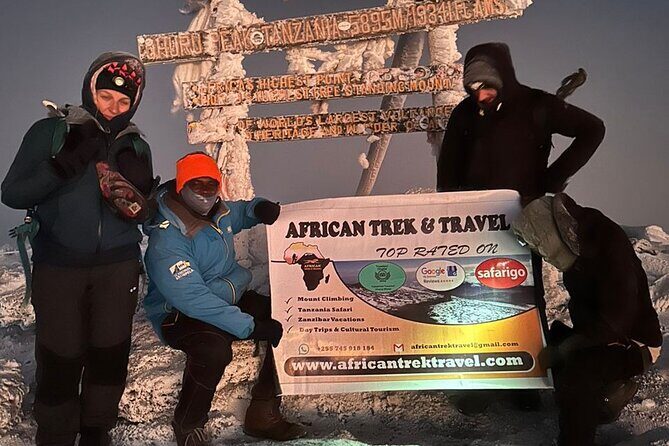
- Stella Point sunrise moment on summit night, a high-drama payoff when conditions cooperate.
- Mweka descent logistics back toward Moshi in about an hour, so you’re not stuck far from town after Day 7.
Moshi to Lemosho Gate: Forest walking and first altitude win
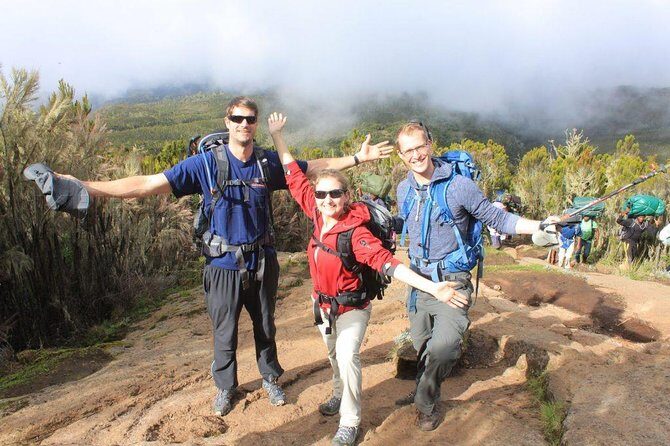
Most Kilimanjaro routes start with a gradual “warm-up.” The Lemosho approach does it in a way that feels good on Day 1 because you begin in the montane forest zone and build altitude without immediately punching hard. After breakfast and a briefing, you drive to Lemosho Park Gate, then transfer to a 4WD vehicle for the forest track that gets you to Lemosho Glades.
From there, you walk along forest trails toward Mti Mkubwa (Big Tree) campsite. This part is shorter than what’s coming later: about 6 km / 4 mi and 2–3 hours. The point isn’t speed—it’s to get moving, let your breathing settle, and start acclimatizing early.
Practical value: starting in forest usually means cooler air and more stable footing than higher, drier zones. You can also use this day to get your rhythm right—pack organization, water-drink schedule, and a steady pace.
What to watch: even on Day 1, you’re gaining elevation (roughly from 1830 m to 2650 m). Don’t treat it like a casual walk. Use it to get your legs used to lighter air, even if you feel fine.
You can also read our reviews of more private tours in Moshi
Day 2 Shira Ridge and Shira 2: Long moorland day that tests pacing
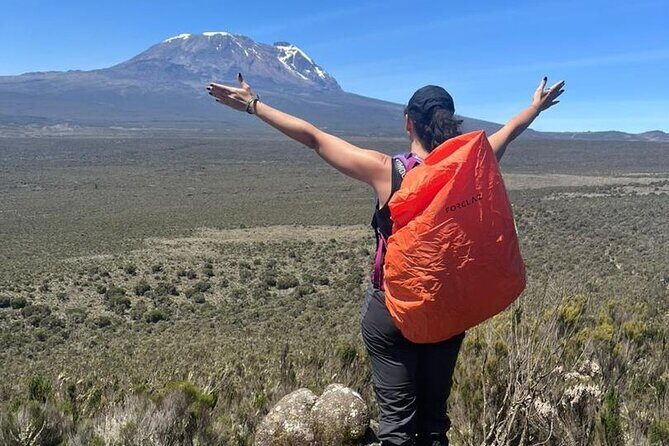
Day 2 is where the trip starts changing character. After breakfast, the trail gradually steepens and enters giant heather moorland. You’ll cross streams, then continue over Shira Ridge, passing Shira 1 camp and heading to Shira 2 camp near moorland meadows by a stream.
Expect a big day: about 16 km / 10 mi and 7–8 hours in moorland. Elevation climbs from about 2650 m up to 3850 m.
Why this matters for your summit odds: this is the sort of day that can be either controlled or chaotic, depending on your pace. Go too fast and you’ll feel it later. The goal on Kilimanjaro is consistent effort, not a race.
How to make it easier on yourself:
- Keep your breathing steady and stop short of feeling breathless.
- Don’t overhydrate with rushing, but don’t under-drink either—aim for steady intake through the day.
- Keep snacks frequent. If you wait too long, hunger can push you to climb harder than you should.
Potential consideration: long moorland days can feel exposed. Weather matters, even if it doesn’t look dramatic at first—bring rain protection and keep layers ready.
Day 3 Shira to Lava Tower, then down to Barranco: A smarter acclimatization move
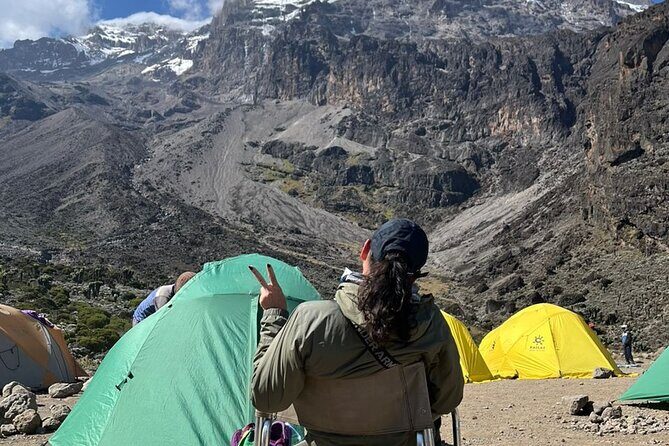
Day 3 is a classic Lemosho feel: you climb toward big highpoints, then you also do something that can seem counterintuitive—you head down to Barranco Camp. That downshift is one of the better acclimatization strategies on the mountain.
You start from the Shira Plateau, continue east up a ridge, pass the junction toward Kibo, then shift direction toward Lava Tower, known as the Shark’s Tooth (around 4650 m / 15,250 ft). After Lava Tower, you continue toward the second junction (the option that goes to the Arrow Glacier), then proceed down to Barranco Camp.
Distance is about 8 km / 5 mi and around 5–6 hours, with habitat shifting to semi-desert. Elevation ends near 4000 m (so you start the day higher than Barranco’s final altitude, and you feel the work, even if you end near a similar number).
Here’s the value: Barranco Camp sets you up for the next day’s climb while reducing strain from being too high too long. It’s also mentally useful—this day doesn’t punish you with a Day-2 style monster climb, and it helps you “reset” for what comes next.
What you’ll likely notice: as you go higher, footing can turn more scree-like and your energy management matters more. This is the day to keep your head clear and your pace slow.
Day 4 Barranco Wall to Karanga Valley: Short distance, big effort
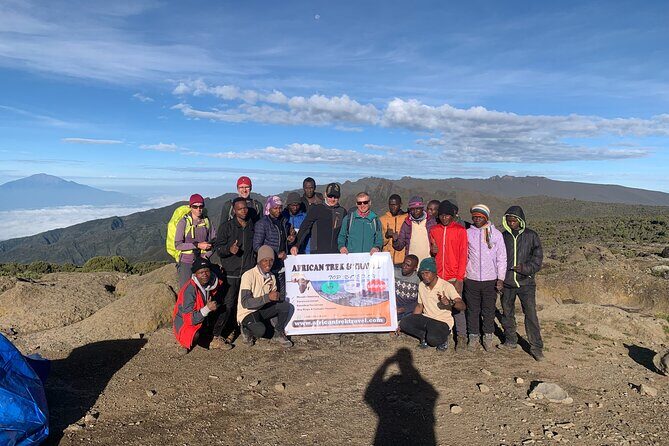
Day 4 is shorter on paper but not easy in practice. You leave Barranco and climb a steep section called the Barranco Wall up to the Karanga Valley, then reach a junction connecting with the Mweka Trail.
You’ll hike about 5 km / 3 mi in roughly 3–4 hours, climbing from around 4000 m to 4050 m (about 13,000–13,250 ft) through alpine desert.
This is a great example of why Kilimanjaro isn’t only about distance. The terrain and slope do most of the work. You’ll probably feel your legs and your heart rate before the trail ends.
Practical tip: shorten your stride. Smaller steps save energy on steep stretches. Also, keep your focus on steady breathing rather than looking for “quick wins” on the slope.
Day 5 Karanga to Barafu Camp: South Circuit views and summit prep
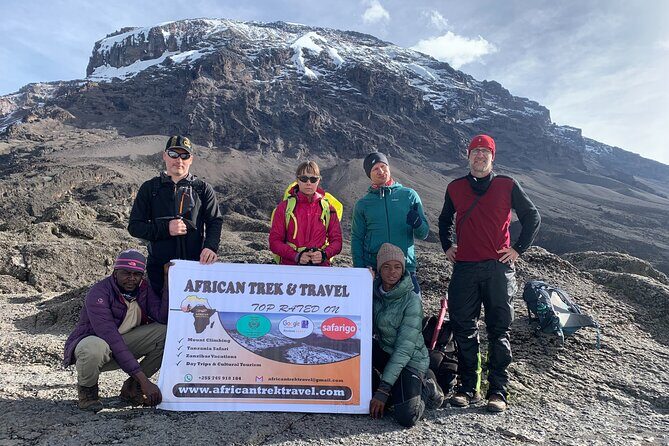
Day 5 continues the climb to Barafu Camp. At this point, you’ve effectively completed the South Circuit portion, and you’re camping at the threshold of the summit night.
This day is brief: about 4 km / 2 mi and 3–4 hours. Elevation climbs from about 4050 m to 4700 m and you’ll camp in alpine desert.
What makes this day special is the shift from hiking to operating like a summit team. You rest, eat, and prepare. Sleep and hydration planning matter here because you’re waking up in the middle of the night later.
What to consider: if you’re the type who “powers through” tiredness, Day 5 is where you want restraint. The more controlled you are tonight, the better your summit sunrise experience tends to be.
A few more Moshi tours and experiences worth a look
Day 6 Midnight-to-sunrise summit push: Stella Point and Uhuru Peak
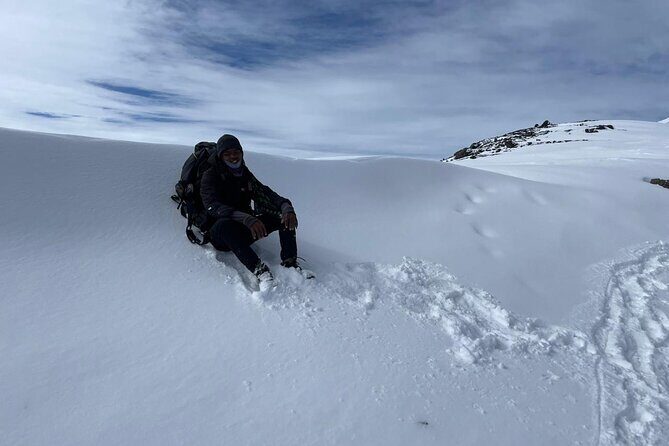
Day 6 is the big one, and the timing is intense by design. You’ll start very early, moving between midnight and 2 am. The trek heads toward the summit between Rebmann and Ratzel glaciers, ascending through heavy scree in a northwesterly direction toward Stella Point on the crater rim.
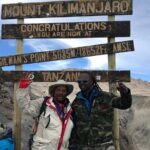
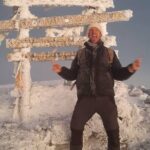
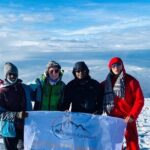
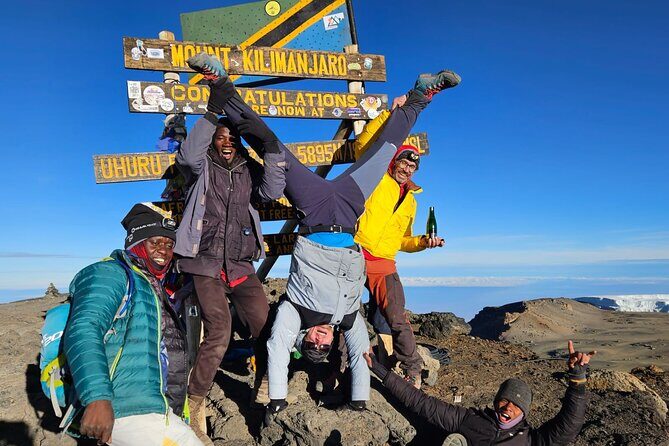
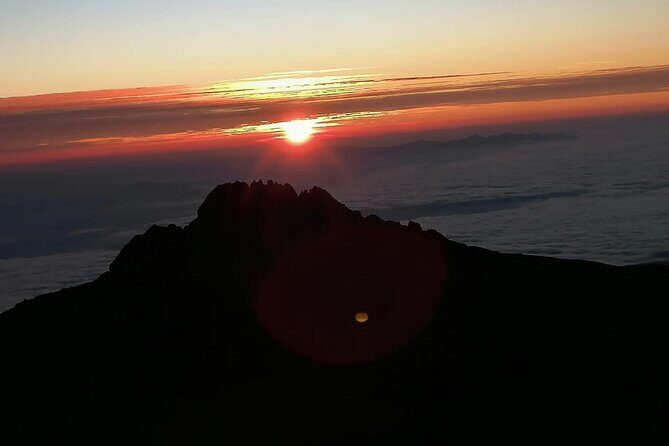
Then you deal with the most mentally and physically challenging part: climbing toward Uhuru Peak. At Stella Point, there’s a short rest—and if conditions are decent, you’ll get the most magnificent sunrise you’re likely to see. Faster hikers may reach sunrise from the summit.
From the crater rim, the last climb is about 1 hour to Uhuru Peak, and you’ll reach the highest point on Mount Kilimanjaro and Africa.
Expect about 7 hours total for Day 6, and snow can be present all the way depending on conditions.
This is where your guide really matters. In feedback tied to this operator, guides such as Sebastian and others are praised for staying supportive when you’re tired and sometimes overwhelmed by the altitude. That kind of coaching isn’t about pep talks—it’s about pacing decisions, checking how you’re coping, and keeping you moving safely.
Practical summit-night advice (based on how this route is run):
- Dress in layers you can adjust quickly. Warmth matters in pre-dawn cold.
- Use a slow climbing rhythm. Scree rewards steady effort and punishes rushing.
- Plan your “goal of the next step,” not the next hour.
Day 7 Mweka descent to Moshi: Certificates, mud, and a real finish
After breakfast on the final morning, you descend down to the Mweka Park Gate for your summit certificates. The descent is in forest as you drop from about 3090 m to 1680 m, covering about 10 km / 6 mi in 3–4 hours.
This is typically where it gets wet and muddy at lower elevations. That’s why gaiters and trekking poles can be lifesavers. Shorts and t-shirts might be enough for lower altitude, but keep rain gear and warmer layers ready—weather can shift fast.
From Mweka Gate, the vehicle returns you to your hotel in Moshi in about 60 minutes. In other words, you’re not ending the trip and then having to figure out your way back on your own.
How I’d frame Day 7: it’s not “celebration hiking.” It’s recovery hiking. Go slow, protect your knees, and finish strong.
What’s included in the cost (and what you’ll need to budget separately)
At $2,800 per person, this is priced like a real expedition service, not a bare-bones trekking package. It includes the stuff that usually costs real money or headaches:
- Oxygen bottle
- All fees and taxes
- Cooker and porters
- Live guide (multilingual options)
- Meals: breakfast (6), lunch (6), dinner (6)
Those inclusions matter because Kilimanjaro isn’t just foot travel. Food support, kitchen staffing, and porter teams are part of how groups handle long days and summit-night logistics safely.
Not included:
- Tipping
- Visa
- Flight
- Laundry
So I’d do your budget like this: treat the tour price as your base service, then add your visa/flight and a reasonable tipping plan based on your group situation and what you feel the team delivered.
Who this private Lemosho climb fits best
This trek is best for people who want a serious Kilimanjaro attempt but also want less “herding” by having a small group (maximum of 5 travelers). You should also have at least moderate physical fitness—the itinerary includes a steep wall day, long moorland hours, and a summit night push.
It also suits:
- First-timers who want guidance and pacing support.
- Climbers who care about acclimatization and want a route that includes a high-to-low adjustment (Shira/Lava Tower day into Barranco).
- Travelers who appreciate a multilingual guide option.
If you’re hoping for a totally relaxed experience with no early starts, you’ll feel the summit-night schedule. That early push is part of how the mountain is climbed here.
Quick practical notes before you go
A few details from the plan that are worth treating seriously:
- Gear for mud: gaiters and poles are specifically helpful on the Mweka descent.
- Layering beats one outfit: summit night and early morning can be cold; lower camp days can feel more manageable.
- Expect real altitude work: even when some days end at similar elevations, the higher sections still tax your system.
- Use the support team: porters and cooks are part of your pace. Let them handle weight and meals, and you focus on steady movement.
Should you book this Private 7 Days Kilimanjaro via Lemosho Route?
If your goal is to maximize support while tackling one of Kilimanjaro’s more scenic, acclimatization-friendly approaches, this Lemosho setup is a strong choice. The small group size, included fees/meals/porters, and the structured acclimatization (including that Day 3 shift to Barranco and the summit sunrise plan from Stella Point) make it feel like a thoughtfully run climbing program.
I’d book it if:
- You’re ready for a 7-day commitment with a midnight-to-early-morning summit push.
- You want a professional team vibe and smoother logistics.
- You appreciate having the essentials already included in the price (especially meals and park fees).
I’d think twice if:
- You hate early mornings and long nights.
- Your budget is tight and you’d struggle with tipping plus visa/flight costs.
FAQ
Is this Kilimanjaro climb based in Moshi?
The tour starts in Moshi, Tanzania, and you’re picked up and driven to the trail start. After finishing at Mweka Park Gate, you return to your hotel in Moshi in about 60 minutes.
How long is the hike?
It’s listed as 7 days (approx.).
What route is included?
This is a Kilimanjaro climb via the Lemosho Route.
What’s the maximum group size?
The tour has a maximum of 5 travelers.
What time does summit day start?
On Day 6, the summit push begins very early, between midnight and 2 am.
Are park fees included?
Yes. All fees and taxes are included, and the itinerary notes admission ticket free for the hiking days.
What meals are included?
Meals included are breakfast (6), lunch (6), and dinner (6).
Is oxygen included?
Yes. An oxygen bottle is included.
Do you get help in choosing language for the guide?
A live guide is available in multiple languages: English, Spanish, French, German, Italian, and Simplified Chinese.
What should I pack for the final descent?
The plan specifically notes that it can be wet and muddy near lower elevations, and recommends gaiters and trekking poles. It also suggests keeping rain gear and warmer clothing handy.