REVIEW · KENDWA
Spice Farm – spice up your life in Zanzibar
Book on GetYourGuide →Operated by AMAYA TOURS COMPANY LIMITED · Bookable on GetYourGuide
A Zanzibar spice tour is the best kind of hands-on learning. This one takes you beyond Stone Town and into the spice plantations of Unguja, where you’ll smell, taste, and hear how Zanzibar became a spice-trade hotspot long ago.
I really like the way the guide uses aromas and stories together, so spice names turn into real experiences. You also get a traditional farm lunch that’s tied to the theme, not just a random meal stop.
I especially enjoy the variety: the walk includes well-known spice crops like clove, cinnamon, and nutmeg, plus aromatics and herbs you may not expect on a tourist menu. You’ll also try freshly picked fruits such as mangoes, passion fruits, avocado, and papaya, with explanations of how food and plant uses connect.
One thing to consider: like any popular excursion, the experience depends on smooth on-the-ground logistics. There has been at least one reported case of a promoter not showing up and not responding to contact attempts, so I’d plan to confirm your pickup the day before.
In This Review
- Key things to know before you go
- A Zanzibar Spice Farm Tour That Feels Like a Real Plantation Day
- Hotel Pickup and a Smooth Start in Unguja
- Walking the Plantations: Cinnamon, Cloves, Vanilla, and Medicinal Uses
- Fruit Tastings That Actually Fit the Story
- Lunch at the Farm Kitchen: Zanzibar Flavors With Local Herbs
- Buying Spices as Gifts: Bring Home Something Real
- Price at $60: Is This Zanzibar Spice Tour Worth It?
- Languages and the Guide Experience
- Should You Book Spice Farm Zanzibar?
- FAQ
- How much does the Spice Farm tour cost?
- Where is the tour located?
- What is included in the price?
- What can I expect to see and taste during the tour?
- What languages is the tour offered in?
- Is lunch included?
- Are there options for payment and cancellation?
Key things to know before you go

- Smell-first spice walkthrough where the guide points out plants and uses, not just labels
- Fresh fruit tastings that pair with what you’re seeing in the plantations
- Traditional lunch on site in a local kitchen, spiced with herbs grown nearby
- A wide spice list including cinnamon, vanilla, nutmeg, clove, lemon grass, ylang-ylang, and more
- Time to buy spices so you can bring home real Zanzibar flavors as gifts
- Hotel pickup and drop-off included, plus bottle water and taxes in the price
A Zanzibar Spice Farm Tour That Feels Like a Real Plantation Day
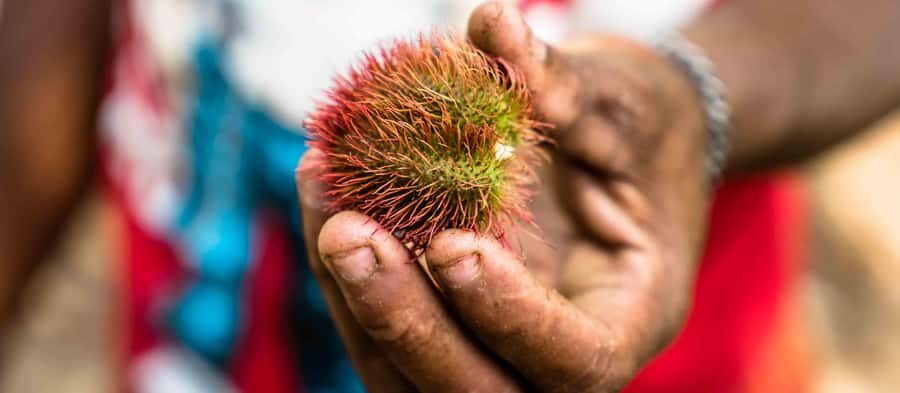
Zanzibar’s spice reputation isn’t just a postcard story. The island’s farms grow the same crops that once made Zanzibar famous across oceans, and this tour is built around letting you experience that history through your senses.
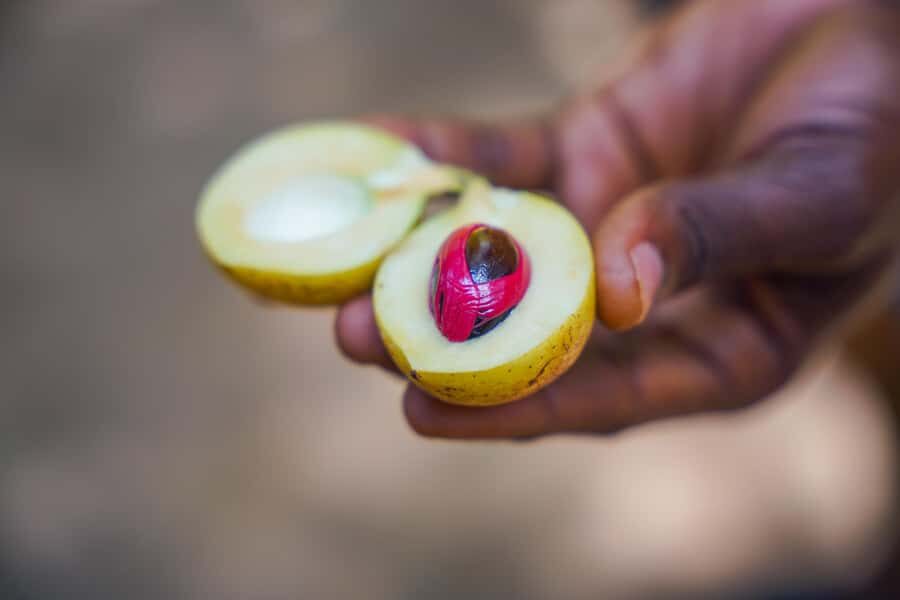
You’ll be moving through rural areas of Unguja while connecting with local people and hearing the centuries-old background of the spice trade. In the 16th century, spices were brought from Asia and Latin America, and now many of those crops flourish in Zanzibar’s tropical growing conditions. It’s one thing to read that on a sign. It’s another to smell clove and see the plant itself.
The best part is that the guide doesn’t treat spices like museum objects. You’re encouraged to discover, taste, and smell a long list of spices and herbs. That’s what turns a tour into something you can remember later, even when you’re back home sniffing a jar of cinnamon.
You can also read our reviews of more tours and experiences in Kendwa.



Hotel Pickup and a Smooth Start in Unguja
This experience includes pick-up and drop-off from your hotel, which matters more than it sounds. Zanzibar traffic and routing can change, and having the tour team handle the start and finish keeps the day from turning into logistics work for you.
The price also includes all taxes, fuel surcharges, and service fees. That’s the kind of detail that helps you budget calmly, because the tour cost is less likely to surprise you at checkout.
In practical terms, aim to be ready when your pickup happens. You’re going into rural plantation areas, and the day runs on the assumption you’ll be on time. That’s especially important given that at least one visitor reported a promoter no-show problem when they tried to reach the activity provider. I can’t predict your day, but you can reduce risk by confirming pickup details ahead of time with the contact information you’re given.
Walking the Plantations: Cinnamon, Cloves, Vanilla, and Medicinal Uses
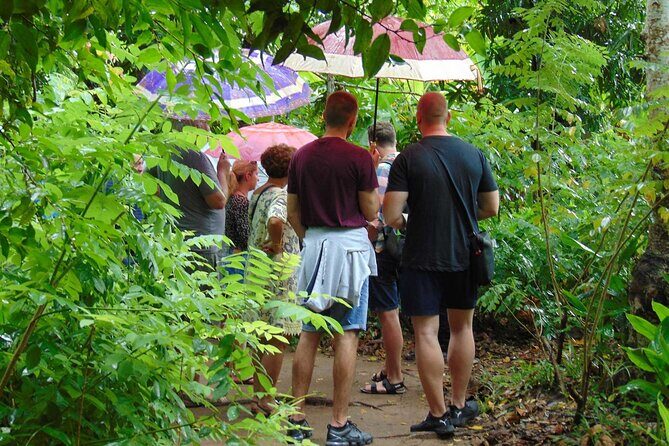
The tour focuses on plantations, villages, and guided conversations with the people who grow these crops. As you meander through the countryside, you’ll encounter a large range of plants and be introduced to their culinary and medicinal uses.
Here’s what you can expect to experience during the spice walkthrough:
- cinnamon
- vanilla
- nutmeg
- lemon grass
- cloves
- ylang-ylang
- cumin
- ginger
- pepper
- tamarind
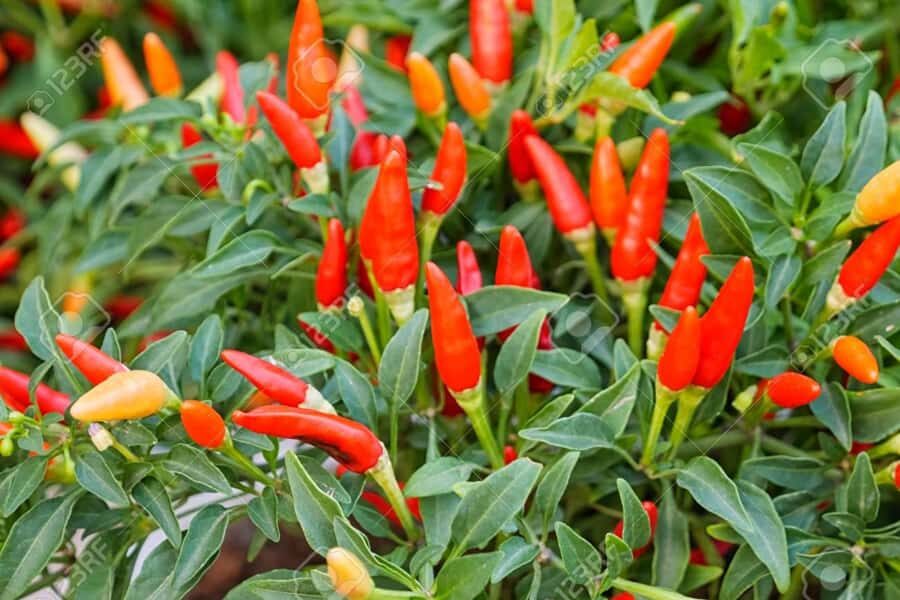
- chili
- and many more
You’ll also notice that it’s not only about the spices with global fame. Aromatics and herbs play a big role in Zanzibar cooking, and that comes through in the guide’s explanations. Even if you’re not a spice expert, the “why” is part of the experience: how the plant is used, and where that flavor shows up in food and daily life.
One of the most praised parts of the day is the guidance itself. Visitors described the explanations as informative and even funny at times, which makes sense. When a guide is comfortable with the subject, you don’t just get a list of plants. You get a conversation.
Tip for getting more out of this part of the tour: slow down during the tastings and ask questions while the guide is standing there. The guide is actively teaching; once you move on, you lose that direct chance to clarify what you’re smelling and tasting.
Fruit Tastings That Actually Fit the Story
Spices are only half the picture in Zanzibar, and the tour makes room for the other half: fruit. You’ll taste freshly picked tropical fruits as you go, including:
- mangoes
- passion fruits
- avocado
- papaya
- local grapefruits
- bananas
- pineapples
- and more
I like that this doesn’t feel like a random extra. Fruits and spices are part of the same agricultural world. When you taste fruit right after smelling herbs and spices, your brain connects the dots faster.
It also helps you understand why people care about these plants beyond flavor. Zanzibar agriculture is tied to how daily life tastes. The guide’s explanations about spices and herbs add context, and the fruits give you a direct, immediate contrast: bright, sweet flavors alongside sharp aromatics.
If you’re the type who usually skips fruit tastings on tours because it feels like a gimmick, this is worth leaning into. The fruit sampling here supports the theme, and it gives you an easier way to remember what you learned about the plants.
Lunch at the Farm Kitchen: Zanzibar Flavors With Local Herbs
Food is usually the make-or-break part of a tour day, and in this case it’s one of the strongest points. Lunch is included, served at the farm, and prepared in a local kitchen with Zanzibar flavors spiced using local herbs.
Because the lunch is tied to the plantation theme, you’re not eating away from the experience. You’re eating within it. You’ll savor a traditional Zanzibar-style meal that reflects the same spice crops you’ve just been learning about.
Several visitors highlighted the meal as delicious and presented in line with the theme. That matters, because a good themed lunch usually means two things:
1) the flavors are intentional, not generic
2) the cooking matches what you’ve been shown earlier
There’s also bottled water included, which helps you stay comfortable without needing to hunt for refreshments in the middle of the day.
If you have any dietary restrictions, the data you provided doesn’t spell them out. So I’d treat this as a day where you should confirm what you can safely eat when you book. That way, you’re not hoping for the best once you’re already on the road.






Buying Spices as Gifts: Bring Home Something Real
One of the practical perks of a spice tour is the shopping opportunity that comes with context. You’ll have a chance to buy some spices as gifts for friends at home.
This is where the experience earns its value. If you’ve just smelled cinnamon and clove on the plantation, your purchase decisions are less confusing. You’re not paying for a souvenir with no story. You’re buying a product with a lived connection.
I recommend you buy at least one item that matches what you enjoyed most during the walk—something you can actually picture using in cooking. The best gift spice isn’t always the most famous one. It’s the one you’ll recognize and want to reach for later.
Also, keep your expectations realistic: buying spices on a tour day is part shopping, part local commerce. If you enjoy learning and chatting, this segment can be fun. If you dislike shopping pressure, give yourself a quick budget number before you start so you feel in control.
Price at $60: Is This Zanzibar Spice Tour Worth It?
At $60 per person, this tour sits in the “mid-range popular excursion” category. The reason it can feel fair is that the essentials are included: hotel pickup and drop-off, a local lunch at the farm, bottle water, and taxes and service fees.
A lot of tours advertise a low rate and then tack on costs later. Here, the pricing structure is more transparent because those charges are included in the stated price. For me, that reduces stress when I’m planning multiple activities in Zanzibar.
The value also comes from the scope of the experience. You’re not just seeing one spice crop. You’re walking through a plant-and-people setting and sampling both spices and fruits, with a guide explaining culinary and medicinal uses along the way.
So the trade-off is time and attention: you’ll want to stay engaged during the spice walkthrough and the tastings, because that’s where most of the payoff is. If you’re more interested in beaches than agriculture, you might find a plantation day a bit slower than you hoped.
Languages and the Guide Experience
This tour is offered in English, Italian, German, French, and Russian. That matters for two reasons:
- You can choose a language that helps you follow the spice explanations
- You’re more likely to understand the plant uses, since the guide can communicate clearly
The most common praise centers on the guide and the flow of the day: informative explanations, great guides, and strong organization. Even when people focus on food and scenery, they usually circle back to how the guide made the day work.
When a guide is strong, you get more than facts. You get a sense of how spices fit into real local life. That’s the kind of cultural learning that lasts after the tour ends.
Should You Book Spice Farm Zanzibar?
Book it if you want a Zanzibar experience that’s sensory and grounded in agriculture. You’ll likely love the smell-and-taste format, the traditional farm lunch, and the chance to connect the spice trade story to plants that are actively growing in the region.
Consider passing or switching plans if you’re worried about on-time pickups or you hate any chance of the day depending on a specific meeting point. There’s at least one reported case of a promoter not showing and not responding to contacts, so I’d verify the pickup details early and clearly before you head out.
If your goal is to see Zanzibar beyond the usual highlights, this tour is one of the most direct ways to do it. You’ll leave with spice memories that are easier to picture than generic sightseeing.
FAQ
How much does the Spice Farm tour cost?
The price is $60 per person.
Where is the tour located?
It takes place in Unguja South Region, Zanzibar, Tanzania.
What is included in the price?
The tour includes hotel pick-up and drop-off, a local lunch at the farm, all taxes, fuel surcharges, and service fees, plus bottle water.
What can I expect to see and taste during the tour?
You’ll visit villages and plantations and discover, taste, and smell a range of spices and herbs. You’ll also taste freshly picked tropical fruits, and the guide explains culinary and medicinal uses of spices.
What languages is the tour offered in?
The tour is available in English, Italian, German, French, and Russian.
Is lunch included?
Yes. Lunch is included and is described as traditional Zanzibar cuisine spiced with local herbs and cooked in a local kitchen.
Are there options for payment and cancellation?
You can reserve and pay later, and you can cancel up to 24 hours in advance for a full refund.