REVIEW · MOSHI
One Kilimanjaro Day hike Tour ISMANI TOURS AND SAFARIS
Book on Viator →Operated by ISMANI TOURS & SAFARIS: #1.Best Tanzania Safari Co. | Kilimanjaro Climb | Serengeti | Arusha & Moshi · Bookable on Viator
Kilimanjaro, but in one long day. This Marangu Route style outing takes you from Marangu Gate into rainforest country, pauses at Mandara Hut, then pushes on for crater views before turning back to Moshi or Arusha. If you want a taste of Africa’s highest peak without committing to a multi-day summit climb, this is built for you.
Two things I really like about this experience are practical and easy to feel on the day: you get a lunch box plus bottled water to keep energy steady, and the hike is guided with enough local knowledge to turn the trail into more than just walking. In the feedback tied to this operator, guides like Yusuph and Norbert come up for being motivating and informative, sometimes even with songs to help you through the tough moments.
One consideration: service consistency can vary. There are reports of added charges, a late start, and uncomfortable after-tour contact. That doesn’t mean it will happen to you, but it does mean you should confirm all costs up front and set clear boundaries for communication the moment you book.
In This Review
- Key Things I’d Pay Attention To
- One-Day Kilimanjaro Value: What $230 Really Covers
- Moshi Pickup, Mobile Ticket, and the Real Timing of a Big Day
- Marangu Gate (1,800m): Starting on the Famous Route
- Rainforest Climb to Mandara Hut (2,743m): The Pace-Setter
- Mandara Hut Rest: Lunch Box Fuel and Altitude Reset
- Maundi Crater Push: Where the Views Justify the Effort
- Descent Back to Marangu Gate: Don’t Lose Focus
- Guides, Group Size, and the Human Side of the Day
- What to Bring: Poncho, Boots, and Optional Poles
- Who This Is Best For (and Who Should Rethink It)
- Should You Book This One-Day Kilimanjaro Hike?
- FAQ
- What is the price for the one-day Kilimanjaro hike with ISMANI TOURS AND SAFARIS?
- How long is the day hike?
- Where does the hike start?
- What’s included in the tour?
- What should I bring for the hike?
- Are drones allowed in Kilimanjaro National Park?
- Is cancellation free?
Key Things I’d Pay Attention To
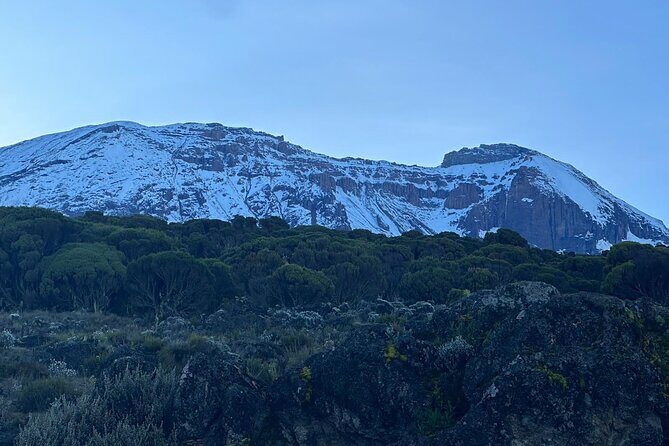
- Marangu Gate to Mandara Hut to Maundi Crater in a single outing, with a built-in rest stop
- Rainforest ascent timing (about 4 to 5 hours) before you refuel at altitude
- Guide energy matters: names like Yusuph and Norbert show up for motivating leadership
- Lunch box + bottled water included, so you’re not scrambling mid-hike
- Group size cap at 50: expect a group pace, not a private shuffle
- No drones inside the park, so leave yours at home
One-Day Kilimanjaro Value: What $230 Really Covers
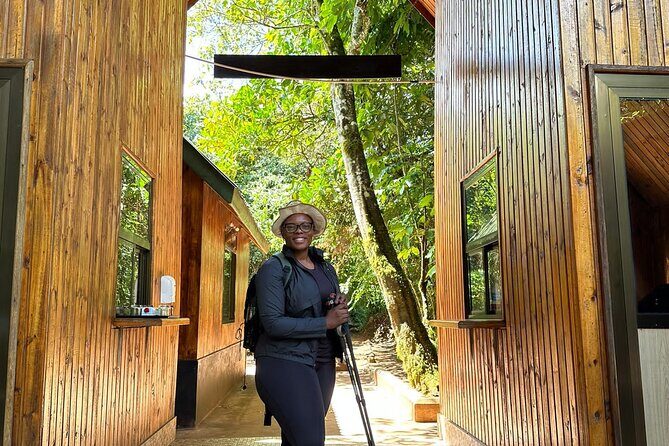
At $230 per person, this day hike sits in the “serious but not extreme” category. You’re paying for transport, a guide, and the stuff that usually gets tacked on later: all fees and taxes plus a packed lunch and bottled water.
That inclusion matters because Kilimanjaro day hikes can be confusing on paper. Here, you can plan around what’s covered: guide time, park-related fees, and a basic food setup. The day still feels like a whole activity (not a quick sightseeing stop), so having lunch and water included reduces decision stress once you’re already on the mountain path.
What’s not included is also clear: you’ll want to budget for gratuities for the guide and driver. A recommended range is $10 to $20 per person. If tipping is tight for your budget, you’ll want to factor that in now so it doesn’t become an awkward surprise at the end of a long day.
You can also read our reviews of more hiking tours in Moshi
Moshi Pickup, Mobile Ticket, and the Real Timing of a Big Day
This tour operates out of Moshi, Tanzania, with pickup offered and a mobile ticket provided. That’s helpful if you’re staying in Moshi or nearby areas and want the day to run on schedule without extra ticket-hunting.
Duration is listed as 8 to 12 hours. That’s a wide range, and on a day hike, the difference usually comes down to pacing, group flow, and how quickly people settle at the rest point. If you hate “hurry up and wait,” plan your day around the tour, not in between the tour segments.
There’s also a demand signal: it’s commonly booked about 26 days in advance on average. If your trip dates are fixed, waiting until the last week can shrink your options, especially for group spots.
When you finish, the plan is to return you to Moshi or Arusha. So even if you’re using Moshi as your base, you won’t be stuck with a long transfer after your crater views.
Marangu Gate (1,800m): Starting on the Famous Route
The hike begins at Marangu Gate (1,800m / 5,905ft), which is a real advantage for first-timers. You’re starting at an elevation that gives you that Kilimanjaro feeling early, without jumping straight into the highest altitude zones.
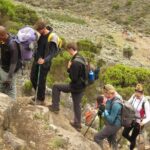
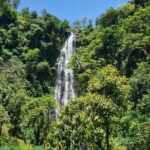
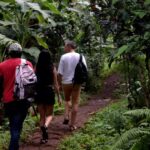
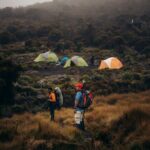
From there, the focus is a rainforest ascent that lasts around 4 to 5 hours. This part of the day is where you tend to get the most wildlife moments if the weather is behaving: you’re set up for chances to spot birds, colobus monkeys, and possibly mongooses. You’re also moving through habitat that feels different from the high alpine zones you’d see later.
Practical tip: for rainforest climbing, you’ll want to move steadily and not sprint at the start. Rainforest trails can look manageable until your lungs realize what’s happening. A good guide will help keep your pace controlled, and the best guides here (names like Yusuph and Norbert show up in the feedback) are the kind that keep you focused instead of panicky.
Rainforest Climb to Mandara Hut (2,743m): The Pace-Setter
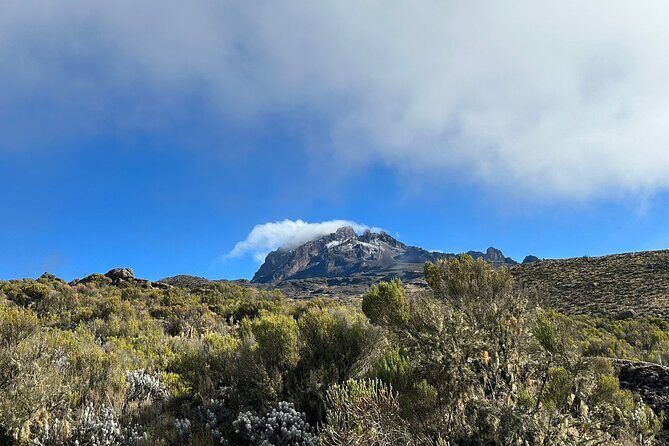
The day is structured around reaching Mandara Hut (2,743m / 9,000ft) as a key turning point. The total elevation gain is listed as 915 meters / 3,000 feet, so this is not a flat nature walk even if it’s manageable for many fitness levels.
You’ll be climbing for hours before the rest stop, which is exactly why Mandara Hut exists in the plan. Once you arrive, you’re not just reaching a waypoint—you’re getting a scheduled break before things get tougher.
Why this matters: altitude hikes feel harder when you don’t have a mental reset. The rainforest section can turn your day into one continuous grind if there’s no pause. Here, the schedule explicitly includes that refuel moment, so you can rehydrate, eat, and let your breathing settle before the next push.
Also, rainforest weather can change quickly. Since the operator specifically asks you to bring a rain cover / poncho, assume you’ll deal with wet trail stretches at some point. That means boots with decent traction matter, and so does planning for cold hands if the mist rolls in.
Mandara Hut Rest: Lunch Box Fuel and Altitude Reset
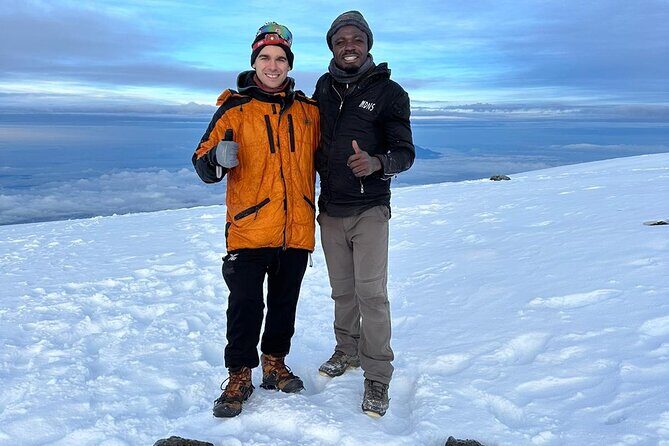
Once you hit Mandara Hut, you get a breather and a chance to rest and refuel. This stop is the “make-or-break” moment in a day hike. If you eat and drink here, you’re much more likely to feel human during the crater climb. If you skip it, the rest of the day tends to feel longer.
You’ll have a lunch box and bottled water included, which is a big deal because it prevents the classic problem: people arrive at higher altitude already under-fueled. The hike plan is long enough that snacks and water from outside the tour might not be top priority for you, so having it provided helps you stay on track.
What to do during the rest: don’t overheat. Take a few minutes to eat, sip water, and then adjust your layers. If you get sweaty, you’ll cool off later, and that can make you feel stiff during the next climb.
Maundi Crater Push: Where the Views Justify the Effort
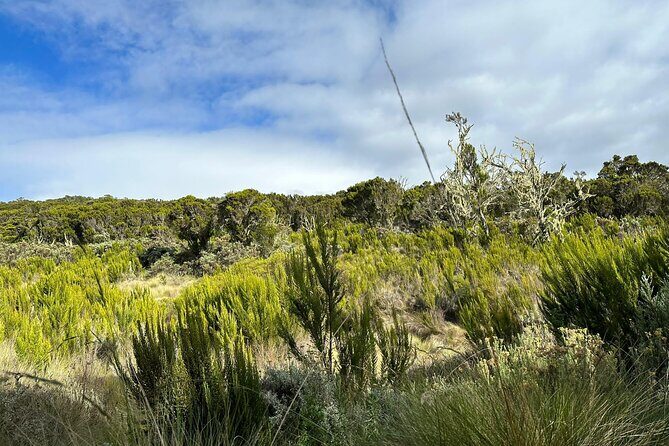
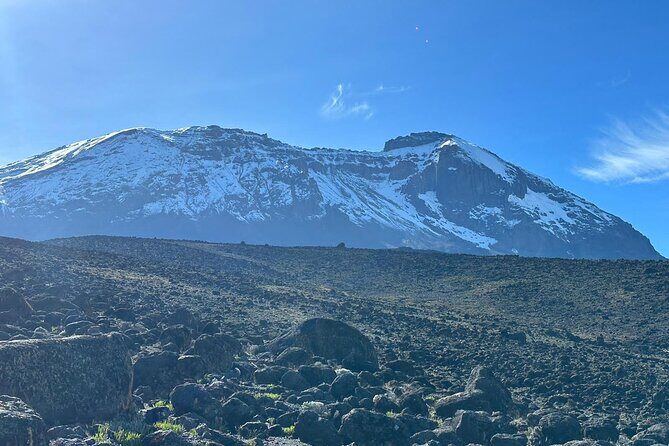
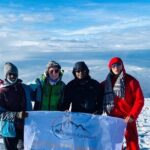
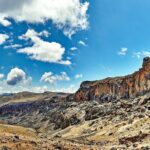
After Mandara Hut, the route turns into the challenging climb to the Maundi Crater. This is the part of the day that usually feels the most meaningful because it’s tied directly to the promise of breathtaking panoramas.
The good news is that you’re not wandering without structure. Your guide is there to manage pace and keep your group moving safely and confidently through the harder terrain. In the feedback connected to this operator, guide Norbert gets specifically praised for motivating people at difficult points around 2,400 meters, including using songs to ease the climb. That’s not fluff—it’s exactly what helps when your legs start negotiating.
At the crater viewpoint, expect you’ll take in the panorama and get time for photos before the descent. If visibility is poor because of weather, don’t panic. Crater-zone weather can shift, and a patient guide typically helps you time your view stops well.
Descent Back to Marangu Gate: Don’t Lose Focus
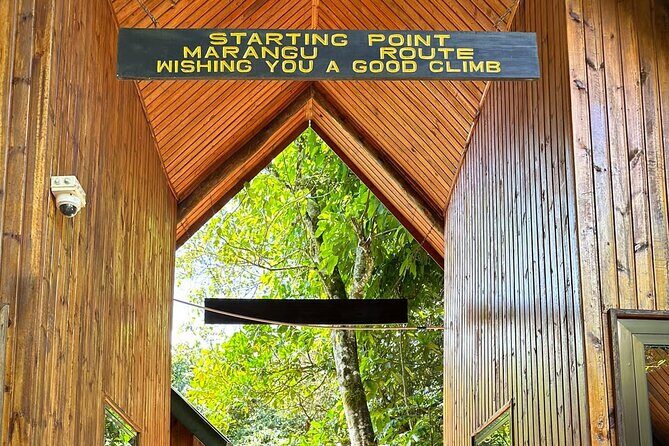
After the crater views, you go back down to Marangu Gate. On paper, descending sounds easier. In practice, it can still be tough on knees and requires attention on slippery trail surfaces.
This is also where group dynamics can affect your day. Since the operator lists a maximum of 50 travelers, you may not have total control over how fast the line moves. Your best move is staying consistent: don’t rush ahead if the trail is uneven, and don’t drift behind so far that you lose sight of the group.
Keep drinking water even though you’re going downhill. People often slow down and forget hydration, then feel wiped out when the day ends and you’re still transferring back toward Moshi or Arusha.
Guides, Group Size, and the Human Side of the Day
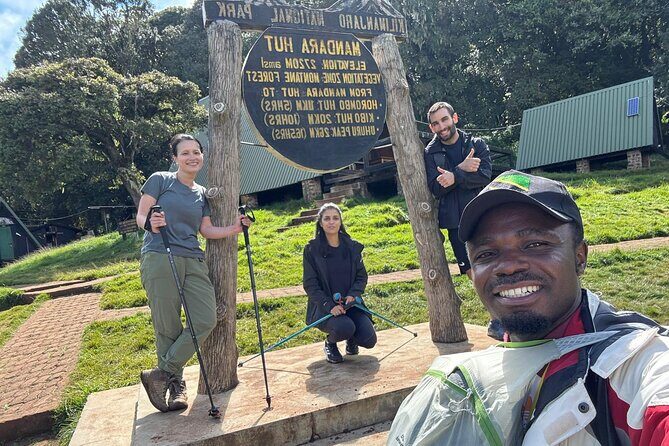
Here’s the reality with day hikes: the guide can make the whole experience feel smooth, or it can feel stressful. In the feedback connected to Ismani Tours and Safaris, I see two guide qualities repeated in a positive way: information that makes the places make sense, and motivation when altitude and fatigue hit.
Names that come up include Yusuph and Norbert, both described as caring, well-informed, and motivating. Another name that appears is Tyson, linked to a more mixed experience where the guide was praised even as other parts of service felt disappointing.
Now for the part you should take seriously: there are also reports of uncomfortable communication after a tour and of additional costs that weren’t expected. You can protect yourself without getting paranoid:
- Ask what’s included in plain terms before the hike.
- Get confirmation on any optional costs.
- If you do not want contact after the tour, say so clearly and promptly.
That’s just good travel hygiene. A great guide won’t be offended by boundaries.
What to Bring: Poncho, Boots, and Optional Poles
The operator gives you a direct checklist, and it’s worth following.
Make sure you have:
- Rain cover (poncho)
- Hiking boots
- Walking poles or sticks are optional
If you don’t own proper boots or poles, tell the operator before the hike. They ask you to inform them in advance if you need these items, which is a helpful sign for planning.
Also remember the rule that drones are not allowed in the park. So if you packed one, this is your reminder to leave it behind. You don’t want a last-minute hassle at the entrance.
Small clothing note (practical, not fancy): bring something you don’t mind getting muddy and wet. Rainforest trails can be slick, and a day hike gives you plenty of time to ruin nicer clothes.
Who This Is Best For (and Who Should Rethink It)
This is a great fit if you want a Kilimanjaro taste in one day and you’re okay with a full schedule rather than a relaxed hike. It’s also described as manageable for most fitness levels, which usually means it’s a steady walking day rather than a technical climbing expedition.
You’ll especially like it if:
- You’re short on time and want crater views without a multi-day summit attempt
- You like wildlife moments like birds and colobus monkeys in the rainforest section
- You value a guided day with lunch included
You might think twice if:
- You’re very sensitive to service hiccups like late starts or unexpected add-ons
- You want a private hike with zero group pacing effects
- You’re expecting a no-effort sightseeing day (this is still a real altitude hike)
Should You Book This One-Day Kilimanjaro Hike?
I’d book this if you want a structured, guided day hike from Marangu Gate to Mandara Hut and on toward Maundi Crater, with lunch and bottled water handled for you. At $230, the value is strongest when you appreciate what’s included: guide time, fees and taxes, and basic food and drink.
Before you pay, do two smart things:
- Confirm all costs are settled up front, including anything tied to tipping expectations.
- Clarify communication preferences so you’re not surprised after the tour.
If those boxes are checked, this can be a satisfying “one-day Kilimanjaro” experience: rainforest walking, a real rest stop, and a crater payoff that makes the long day feel worth it.
FAQ
What is the price for the one-day Kilimanjaro hike with ISMANI TOURS AND SAFARIS?
The price is $230.00 per person.
How long is the day hike?
It lasts about 8 to 12 hours.
Where does the hike start?
The hike starts at Marangu Gate at 1,800m (5,905ft).
What’s included in the tour?
Included items are a lunch box, bottled water, a guide, and all fees and taxes.
What should I bring for the hike?
Bring a rain cover (poncho), hiking boots, and walking poles or sticks if you want them (optional).
Are drones allowed in Kilimanjaro National Park?
No. Drones are not allowed in the park.
Is cancellation free?
Yes. Free cancellation is available if you cancel up to 24 hours in advance of the experience’s start time.