REVIEW · ZANZIBAR
Spice Farm Tour with Traditional Cooking Lesson
Book on Viator →Operated by Zanzibar Local Experience · Bookable on Viator
Spices you can smell before lunch. This tour pairs a hands-on organic spice farm visit with a traditional cooking lesson, so you’re not just watching—you’re learning what grows where and how it ends up on a plate.
I especially like the chance to touch, smell, and taste spices and herbs right on the farm. You’ll also see seasonal tropical fruits, which helps the whole experience feel local, not staged.
One thing to plan for: it’s about 4 hours and includes time walking around spice plots and on trails. Wear comfortable shoes, especially if the paths feel uneven or dry.
In This Review
- Key highlights to know before you go
- From Old Fort to a Real Spice Farm Lesson
- What makes the spice farm visit feel different
- Spices you can taste: what to look for during the walk
- The cooking lesson: turning spice knowledge into dinner
- Lunch included: how to make it taste even better
- Getting there smoothly: air-conditioned comfort and private pacing
- Price and value: is $76.85 worth it?
- Who should book this tour (and who might skip it)
- Should you book the Spice Farm Tour with Traditional Cooking Lesson?
- FAQ
- Where does the tour start?
- What time does the tour begin?
- How long is the tour?
- What is included in the price?
- Is lunch included, or do I pay extra?
- Is this tour private?
- Is there an air-conditioned vehicle?
- Can I get a confirmation right after booking?
- Are service animals allowed?
- Is free cancellation available?
Key highlights to know before you go

- Touch-and-smell spice tasting on the farm (vanilla, cardamom, nutmeg, and more)
- Local village-style guidance that explains growing and everyday uses
- Traditional cooking lesson with a demonstration before you eat
- Lunch included at no extra charge, so you’re not hunting for food after
- Air-conditioned round-trip hotel transfers for an easier morning
- Private tour setup: only your group participates
From Old Fort to a Real Spice Farm Lesson

The tour starts at 9:00 am at Old Fort Mizingani Rd in Zanzibar. That matters because mornings in Zanzibar move fast—getting an early start helps you beat the later heat and gives you a calmer farm visit. It also ends back at the same meeting point, which keeps logistics simple if you’re staying nearby.
What I like here is the mix of activities in one block of time. You’re doing a farm walk, a cooking-focused lesson, and then sitting down for lunch—all in the same half-day window (about 4 hours). If you’re trying to pack in culture without turning your day into a sprint of taxi stops, this format is practical.
Also, it’s private (only your group), so you can ask the questions that come up in the garden—like how certain spices get used, or which ones are common in local cooking. And if you’re traveling with kids or a mixed-age group, the pacing can be a good fit because part of the experience is listening and watching, not just walking.
You can also read our reviews of more cooking classes in Zanzibar


What makes the spice farm visit feel different
This is an organic spice farm tour, and the point isn’t just spotting pretty plants. Your local guide walks you through how the spices are grown and how people use them as both medication and flavor. That dual-purpose angle is what makes the farm feel connected to daily life, not like a museum display.
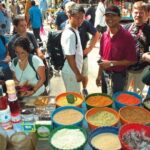
You’ll see spices growing right where they’re produced, including vanilla, cardamom, and nutmeg. Depending on what’s thriving, you’ll also encounter other spices and herbs—enough variety that the visit doesn’t feel repetitive after the first few stops. The experience is hands-on: you can touch, smell, and taste spices and herbs. That kind of sensory learning sticks better than simply looking at labels.
Here’s a practical tip: as soon as you smell something you recognize, ask how it’s used locally. Some flavors in Zanzibar cuisine are subtle when they’re powdered, but intense when you smell the raw plant. Getting the guide’s explanation while you’re still holding the sample helps you understand what changes between plant and food.
And yes, you’ll see tropical fruits in season. That’s useful because it gives you extra context for Zanzibar’s spice-and-fruit growing environment—how the same farm logic supports multiple crops, not just seasoning.
Spices you can taste: what to look for during the walk

The farm tour moves you through spice plots and a guided explanation session. In the process, you’ll likely notice that many spices have strong, immediate scents—some sweet (like vanilla), some sharp and warm (like nutmeg and cardamom). Being able to smell and taste right there helps you catch details you might miss if the spices are only shown in packets.
I recommend you go in with a simple mindset: treat it like a guided tasting tour. Don’t worry about remembering every name. Instead, focus on:
- which scents you like
- which ones seem strong at first but feel more balanced in cooking
- which spices you expect to show up in common dishes
In the reviews, the guides are singled out for how they explain plant details and even how they name plants in multiple ways. One example mentioned a guide named Alhamisi, praised for very in-depth explanations and knowledge of plant names across languages. You may not get the exact same guide, but it’s a good sign that the experience tends to come with clear, detailed instruction.
If you’re with kids, this is one of those tours where curiosity is encouraged. Spices and fruits give them something concrete to react to. It can turn a short garden walk into a real learning moment without feeling like school.
The cooking lesson: turning spice knowledge into dinner

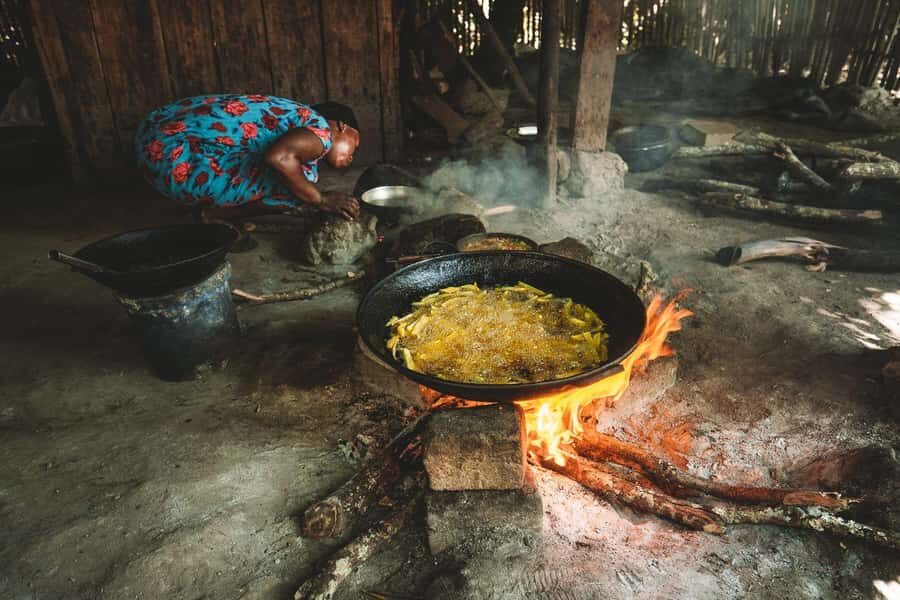
After the farm part, you’ll head into a cooking demonstration focused on a traditional Zanzibari dish. The value here is that you’re not just learning spice facts—you’re seeing how those flavors work in a real recipe context.
Even though it’s a demonstration, not everyone’s recipe-nerd brain needs to be involved to enjoy it. What matters is that you’ll understand the dish’s flavor logic: why certain spices get used, how they combine, and what changes as ingredients are prepared. When you’ve just smelled raw spices outside, the cooking section feels like the missing link.
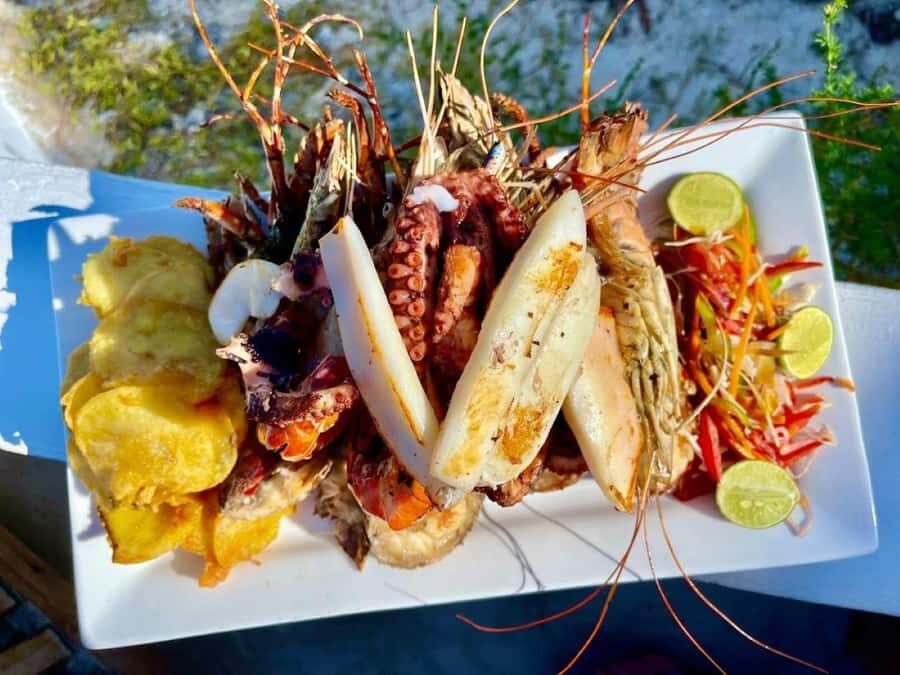
Then you’ll sit down for lunch. Lunch is included with no extra charge, which is a big deal for value. It means you’re not paying again or scrambling for a meal somewhere else after the lesson.
Practical question to ask during the cooking part: which spice is essential to recognize if you’re tasting the finished dish? The best cooking lessons give you a way to connect what you experienced on the farm with what you’re eating now.
Lunch included: how to make it taste even better

Lunch is part of the included experience, served after the demonstration. You’ll eat local fare, and because you’re already tuned into spice scents from the garden, you’ll likely pick up more flavors than you would on an ordinary lunch stop.
Here’s how to get more out of lunch without overthinking it:
- Start by noticing what tastes strongest to you.
- Then ask the guide which spices likely created that flavor.
- If you can, compare what you remember smelling on the farm with what you’re tasting now.
That kind of feedback loop is where tours like this really pay off. You’re turning sensory memory into understanding, and that’s what makes cooking lessons more than just an entertaining show.
Also, because the tour uses round-trip hotel transfers and an air-conditioned vehicle, lunch can feel like a proper break rather than a roadside stop. It keeps the half-day feeling smoother end-to-end.
A few more Zanzibar tours and experiences worth a look





Getting there smoothly: air-conditioned comfort and private pacing

Transportation is part of the experience design. You’ll travel by an air-conditioned vehicle, and round-trip hotel transfers are included. For many people, that’s the difference between a relaxing day and a day spent negotiating rides.
The tour is also private, meaning only your group participates. Private doesn’t always mean quiet, but it does mean less time waiting for a crowd to assemble and more time for your guide to tailor the flow. If your group has specific interests—spices, cooking, or learning how things are grown—that flexibility helps.
One review highlighted a driver named Juma as super punctual and very sweet. Of course, you can’t assume every driver will be the same person, but the mention is a good signal that the operation tends to run on time—important when your cooking lesson and lunch are built into that tight 4-hour window.
If you’re staying in Zanzibar town, the Old Fort / Mizingani Rd area is a recognizable starting point. The tour is also listed as near public transportation, which can be useful if you want an extra option in case you’re not using your hotel pickup for some reason.
Price and value: is $76.85 worth it?

At $76.85 per person for about 4 hours, this tour sits in the “pay for convenience and instruction” category. The value comes from what’s bundled together:
- organic spice farm visit with guided explanation
- hands-on touch, smell, taste of spices and herbs
- traditional cooking demonstration
- lunch included
- air-conditioned round-trip hotel transfers
If you tried to recreate this yourself, you’d likely pay for separate pieces: a guide for the farm, transportation into town, and then a separate meal plan. Here, those elements are packaged so you spend your time learning instead of coordinating.
One thing to consider: it’s a private tour, so per-person pricing can feel higher than a big-group option. The trade-off is that you get more direct guidance and smoother timing. If your group includes kids, or if you want to ask lots of questions about what you’re seeing, private is often worth it.
Also, the tour is commonly booked in advance (on average 86 days). That’s usually a sign the schedule fills up and you should lock it in early, especially if you’re traveling during peak season.
Who should book this tour (and who might skip it)

This is a great fit if you:
- want a farm experience with real sensory interaction (smell and taste, not just photos)
- like cooking-focused tours where you connect ingredients to a finished dish
- prefer a structured half-day that includes lunch
- want a private setup so your group isn’t rushed or stuck waiting
It may be less ideal if you:
- hate walking or uneven paths (even though the pace includes sitting and listening)
- want a free-form self-guided spice outing with no demonstration component
- are only interested in one narrow spice and don’t care about the cooking connection
If you’re a foodie, this tour works. If you’re a curious learner, it works. If you’re traveling with kids, it also has that hands-on factor that keeps attention from wandering.
Should you book the Spice Farm Tour with Traditional Cooking Lesson?
I think it’s an easy yes if you want a Zanzibar experience that’s both practical and memorable: spice farm learning in the morning, a cooking demonstration that makes the flavors click, and lunch included so you’re not improvising your day.
Book it if your group enjoys sensory experiences—smelling, touching, tasting—and you like the idea of learning why spices are used in everyday life, not only how they’re sold. Skip it only if you strongly dislike walking or you’d rather spend your half-day on the beach or a purely cultural route with no cooking component.
FAQ
Where does the tour start?
The tour starts at Old Fort Mizingani Rd, Zanzibar, Tanzania.
What time does the tour begin?
The start time is 9:00 am.
How long is the tour?
It lasts about 4 hours.
What is included in the price?
The price is $76.85 per person and includes lunch, a local guide, an air-conditioned vehicle, and round-trip hotel transfers.
Is lunch included, or do I pay extra?
Lunch is served at no extra charge.
Is this tour private?
Yes. It’s private, and only your group participates.
Is there an air-conditioned vehicle?
Yes, you travel in the comfort of an air-conditioned vehicle.
Can I get a confirmation right after booking?
You receive confirmation at the time of booking.
Are service animals allowed?
Yes, service animals are allowed.
Is free cancellation available?
Free cancellation is available. You can cancel up to 24 hours in advance for a full refund. If you cancel less than 24 hours before the start time, the amount you paid is not refunded.