REVIEW · MOSHI
5 days Safari to Lake Manyara, Serengeti and Ngorongoro crater
Book on Viator →Operated by Kilisa Tours & Safaris · Bookable on Viator
Crater mist and grassland dust are a combo you remember. This 5-day safari links Lake Manyara, Serengeti, and Ngorongoro crater in a route designed around wildebeest migration country, with private guiding and a pop-up roof jeep for better wildlife viewing. I like the three-park circuit in just five days, because it keeps your time focused on the big-name areas. I also like the private guide and 4×4 with a pop-up roof, since that setup makes long drives feel more purposeful and the sightings easier to spot.
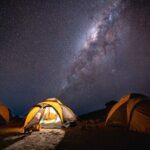
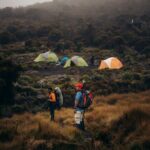
One thing to plan for: this is partly a camping-style safari. You’ll sleep in tents at the campsites during the Serengeti days, and while camping gear is included, you may want a sleeping bag if you tend to run cold. If camping isn’t your thing, that’s the main drawback worth considering.
In This Review
- Key highlights worth knowing
- Five Days, Three Big Stops: Moshi to Lake Manyara, Serengeti, and Ngorongoro
- Migration Chances: Why Timing Matters for the Plains and the Crater
- Day 1 at Lake Manyara: Tree-Climbing Lions, Elephants, and Picnic Lunch Time
- Serengeti Days (2 and 3): Seronera Central Grass Plains and Migration-Driven Game Drives
- Southern Serengeti to Ngorongoro Gateway: The Feb–May Migration Window
- Ngorongoro Crater on Day 5: Early Drive for Big Five Chances
- Camping Comfort, Meals, and the Stuff You Actually Notice
- Jeep Style, Guides, and Park-Ready Details (Naick and Jonathan)
- Price and Value: What $3,300 Per Person Really Buys
- Who This Safari Fits Best (and Who Should Think Twice)
- Should You Book This Safari from Kilisa Tours & Safaris?
- FAQ
- What parks and areas are included on this 5-day safari?
- How many nights are spent on accommodation during the safari?
- Are meals included, and how do lunches work?
- What safari transport do I get during game drives?
- Is mineral water provided during the safari?
- What should I know about packing or extra costs not included?
Key highlights worth knowing

- Lake Manyara’s famous tree-climbing lions plus elephants and huge baboon groups
- Serengeti’s Seronera and central grass plains for predator-heavy game drives
- Migration timing affects your day-to-day route, especially from the southern grass plains
- Ngorongoro crater in the early day for classic Big Five chances
- Private jeep experience with a pop-up roof and water support on board
- Camping logistics are handled, with tents and basic comfort items included
Five Days, Three Big Stops: Moshi to Lake Manyara, Serengeti, and Ngorongoro

This safari is built like a classic Tanzania circuit, but with one practical twist: it’s organized around where the migration typically plays in each area. You start in Moshi, then move through Lake Manyara, the Serengeti plains, and finish at the crater with game drives aimed at the Big Five.
The pacing is also realistic for what you’re trying to see. Day 1 is your entry point at Lake Manyara. Days 2 and 3 are devoted to Serengeti game drives. Day 4 continues Serengeti with a migration-specific focus. Day 5 shifts into Ngorongoro crater in the early morning, then back to Moshi for relaxation and flight prep.
You should expect a lot of time in the jeep. You’re not doing long walks or museum stops here. This is about spotting animals, staying alert, and using the jeep setup the right way.
A few more Moshi tours and experiences worth a look
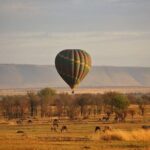
Migration Chances: Why Timing Matters for the Plains and the Crater
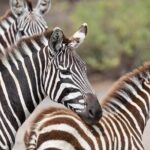
The great wildebeest migration is the main magnet for this trip, and the itinerary is designed around that reality. The big idea is seasonal movement across conservation areas, with the migration not only bringing wildebeest but also large numbers of zebra and gazelle. Your day-to-day focus changes based on where the herds are expected to be.
A useful detail in this plan is the Feb to May window. Day 4 is aimed at the southern grass plains near the Ngorongoro Conservation Area, which is when the migration is described as being there. That timing matters because predators track the movement, and the best game drive moments tend to cluster around feeding and crossing activity.
Even with good timing, don’t treat the migration like a schedule train. Wildlife follows conditions. Still, this plan gives you multiple chances to be in the right places rather than a single one-and-done day.
Day 1 at Lake Manyara: Tree-Climbing Lions, Elephants, and Picnic Lunch Time

Lake Manyara is where you get your first real sense of Tanzania safari variety. You travel from Arusha Planet lodge area for breakfast, then head to Lake Manyara National Park, about 2.5 hours and roughly 130 km. This is a “warm-up” day in the best sense: lots of species, and enough action to set the tone.
Lake Manyara’s headline is the tree-climbing lions. Even if you don’t spot them in the branches, the park is still worth it for a mix of easy-to-recognize wildlife. You might see elephants, large groups of baboons, and other animals like wildebeest, buffalo, hippo, flamingo, zebra, warthog, waterbuck, dik-dik, and impala.
In the afternoon, you’ll have a picnic lunch box inside the park at a picnic site. That’s more than convenience. It helps you keep your game drive flow going instead of treating lunch like a separate project. It also means you can stay in wildlife country longer rather than rushing back and forth.
One consideration: Lake Manyara can be busy, and animal behavior changes through the day. Your best results depend on what the guide puts your eyes on, not just the park name.
Serengeti Days (2 and 3): Seronera Central Grass Plains and Migration-Driven Game Drives

Then you move to Serengeti, and this is where the trip earns its legend status. You rise early, have breakfast, and head toward the park. The plan notes about 4 hours through rough road to reach the gate. That’s a big heads-up. You’ll want to settle in, because this part of the journey is bumpy and requires patience.
Once inside, Days 2 and 3 focus on Seronera central grass plains and the predator-heavy environment that comes with it. The plan describes these plains as some of the richest grazing grounds, which is the logic behind the high concentration of predators. In practice, what you’re chasing is simple: predators show up where food shows up.
Day 2 is a full day game drive. On Day 3, you keep driving, but the itinerary emphasizes that the game drive route depends on where the migration is at that time. In the afternoon, you get another picnic lunch box in the wild and plenty of time for photos. You end both days back at camp for dinner and overnight.
A small but meaningful detail is the shift between the “plains base” and the “migration adjustments.” Many safaris only tell you where they go. This one also hints at why your route might change day to day.
Southern Serengeti to Ngorongoro Gateway: The Feb–May Migration Window

Day 4 is another migration-minded day. You depart for another game drive, this time in the southern grass plains near the Ngorongoro Conservation Area. The plan is explicit that from February to May, the migration is expected to be in this area.
If you’re booking in those months, this is the kind of planning that can pay off. Predators tend to follow movement and congestion. When herds are present, the odds of action go up, and your game drive time has a more focused purpose.
You’ll again enjoy a picnic lunch box in the wild in the afternoon, then head to the campsite for dinner and overnight. This day has the “pressure cooker” feel that Serengeti can create. You’re not switching parks every day; you’re refining your search inside the system that the migration is using.
One drawback to flag: because timing influences where animals are, you might not see the exact same animals someone else describes from a different week. That’s not a failure of the trip. It’s how safari works when the target is movement, not a fixed monument.
A few more Moshi tours and experiences worth a look

Ngorongoro Crater on Day 5: Early Drive for Big Five Chances
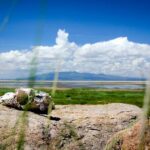
Day 5 shifts back into a more structured big moment. You leave Serengeti early, eat breakfast while it’s still fresh and quiet, then head to the Ngorongoro crater. The crater is presented as a top spot for Big Five animals, and the schedule reflects that with an early drive.
Crater time matters because visibility and animal activity often pick up when the light and temperature change. You’ll enjoy the game drive in the crater, then in the evening you travel back to Moshi to relax and prepare for your flight home.
If you’re coming from outside Tanzania, the Moshi finish is practical. It gives you a buffer rather than ending in the middle of nowhere. It’s also consistent with how your trip starts: dinner and overnight on arrival in Moshi before you begin safari the next morning.
Camping Comfort, Meals, and the Stuff You Actually Notice
The trip runs on three meals per day, plus mineral water. On top of that, it includes the camping gear setup, described as tents meant for two people each, along with mattress, table, chair, and pillow. You’re not expected to handle all the basic camp comfort yourself.
The meals are also split across the safari rhythm. The plan lists breakfast (5), lunch (5), and dinner (4), which matches the idea of lunches as picnic lunch boxes during game drive days. That helps you stay in prime viewing zones for longer.
You’ll also have water support during drives. The itinerary notes vehicles come with an ice chest with mineral water, plus a wildlife guidebook. That’s one of those “small” inclusions that you’ll feel immediately if you’ve ever done long safari days without water at hand.
If you’re thinking about comfort, the one extra item you might want to plan for is a sleeping bag. The trip notes you can rent one for $15. That’s the sort of detail that can change how restful your nights feel.
Jeep Style, Guides, and Park-Ready Details (Naick and Jonathan)
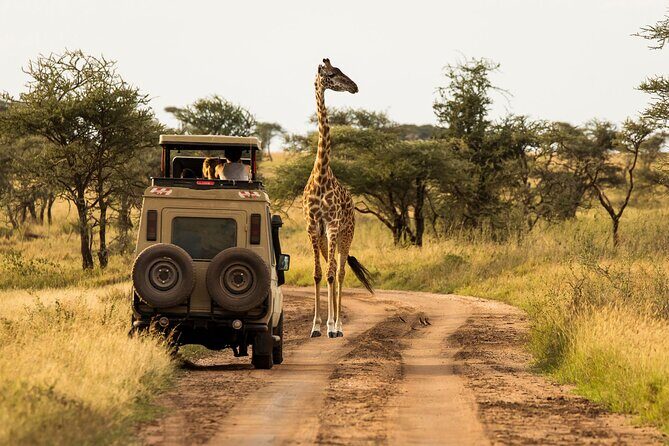
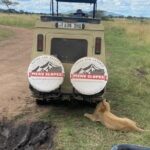
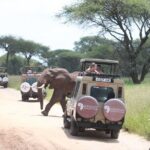
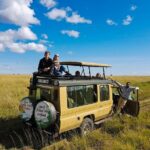
This tour is set up for a more hands-on safari feel. You get a private 4×4 safari jeep with pop-up roof for game viewing, plus a private safari guide. A pop-up roof might sound like a gear detail, but it actually changes your whole sighting experience. You’re higher up, you can see over brush, and you can keep an eye on movement without craning your neck the whole time.
I also like that the operation names specific guide talent in its reputation. One set of praise highlights Naick and his team at Kilisa Tours and Safaris for exceeding expectations on drives through Manyara, Serengeti, and Ngorongoro. Another note points to Jonathan as a standout guide: patient, charming, and careful on the road, with a focus on respecting park rules.
That matters because safari success is half logistics and half judgment. A careful driver means fewer missed sightings and less time stuck. A patient guide means more time with animals, and more chances to understand what you’re looking at.
With a maximum group size of 15 travelers, you’re not in a giant crowd either. You still get the benefits of a small safari feel without giving up the private guide and jeep structure.
Price and Value: What $3,300 Per Person Really Buys
At $3,300 per person for about five days, this isn’t a budget safari. So you should judge value by what’s covered, not just the headline price.
Here’s what helps justify the cost in this plan:
- Park fees and crater fees are included
- Private safari guide and private jeep are included
- Accommodation is included for two nights (before and after safari)
- Camping gear basics (tent setup, mattress, chair/table/pillow) are included
- Mineral water and picnic lunch box style meals are built in
- Government taxes, VAT, and service charges related to accommodation and included meals are included
Also, the itinerary includes airport/bus station meet and greets, plus your start and end back in Moshi. That saves you from assembling extra transfers and negotiating every little detail.
On the other hand, you still need to plan for what’s not included:
- Travel insurance and flights
- Tips to the guide/driver and personal expenses
- Sleeping bag rental if you need one ($15 noted)
So the real question for you is this: do you want to pay for a smooth, guided package that handles the park math and most on-the-ground needs? If yes, the structure here makes sense. If you’re trying to keep costs low and you’re comfortable managing parts yourself, you might look for a different style of safari package.
Who This Safari Fits Best (and Who Should Think Twice)
This tour fits best if you want a focused wildlife circuit and you’re chasing the migration story across multiple zones. You get multiple Serengeti days, not just a single “hit the highlights” drive. You also get Lake Manyara early enough to start with variety, not just plains and crater.
You’ll likely love it if:
- You’re okay with camping nights during the Serengeti portion
- You want private guiding and a dedicated jeep
- You’re traveling in a group that benefits from a clear daily plan and set meal times
You should think twice if:
- Camping-style nights are a dealbreaker for you
- You’re sensitive to long driving time and rough-road stretches (the plan calls out rough road on the way into Serengeti)
If you’re traveling with mixed ages or you need help managing details, the guide-team reputation is a positive sign. One of the praised experiences specifically highlighted handling dietary restrictions within a large family group, and that’s the kind of practical flexibility you want on safari.
Should You Book This Safari from Kilisa Tours & Safaris?
I’d book this if you want a well-structured route that hits Lake Manyara, Serengeti (including Seronera and central grass plains), and Ngorongoro crater with the migration in mind. The private jeep and guide setup, water support, park fees coverage, and camping gear inclusion are the reasons this feels like a serious safari package rather than just a general “tour.”
I wouldn’t book it if you’re hoping for a fully comfortable lodge-only itinerary. This one includes campsite nights in the Serengeti days, and it expects you to accept that camping is part of the experience.
If your goal is seeing the migration’s drama where it intersects with the big safari parks, this plan gives you more than one shot at the right place at the right time.
FAQ
What parks and areas are included on this 5-day safari?
The itinerary includes Lake Manyara, Serengeti National Park, and Ngorongoro crater (Ngorongoro Conservation Area).
How many nights are spent on accommodation during the safari?
The trip includes two nights of accommodation in total, described as before and after safari. During the safari days in the parks, you’ll also have campsite overnight stops during the Serengeti portion.
Are meals included, and how do lunches work?
Yes. The tour includes 3 meals per day, with lunches served as picnic lunch boxes in the park/wild on the game drive days, plus breakfasts and dinners during the trip.
What safari transport do I get during game drives?
You’ll have a private 4×4 safari jeep with a pop-up roof for game viewing, along with a private safari guide.
Is mineral water provided during the safari?
Yes. Mineral water is included, and vehicles are equipped with an ice chest with mineral water during drives.
What should I know about packing or extra costs not included?
Flights and travel insurance are not included. Also, tips and personal expenses aren’t included, and if you need one, a sleeping bag can be rented for $15.