REVIEW · ARUSHA
2 days Majestic Tanzania safari Tarangire and Ngorongoro Crater
Book on Viator →Operated by kilipath African Safaris · Bookable on Viator
Two days in Tanzania feel like a lifetime. You’ll drive from Arusha to Tarangire for baobab-lined game drives and one of the country’s biggest elephant populations, then you’ll wake early to descend into Ngorongoro’s caldera for a high-stakes predator hunt. I love how the timing is built around animal activity—morning light for scanning, afternoon for sightings—so the days stay purpose-driven, not rushed.
I also love the practical setup: an English-speaking guide/driver, pickup from your Arusha or Moshi accommodation, and hot lunches, plus a maximum group size of 6 for calmer drives. Still, this is an early-morning safari, and even with good luck and sharp spotting, a leopard sighting or a perfect predator moment is never guaranteed.
In This Review
- Key highlights you’ll feel fast
- Two Parks, One Tight 48 Hours: What You’ll Actually Do
- Tarangire National Park: Baobabs, Birds, and Elephant Herds
- The Ngorongoro Crater Start: Dawn, Caldera Views, and Predator Watching
- Camp Night and the Included Meals That Make Early Starts Easier
- Pickup, Group Size, and Timing: How This Safari Feels in Real Life
- Price and Value: What $750 Covers (and What You Still Need to Budget)
- Who This Safari Fits Best (And Who Might Want More Time)
- Should You Book This 2-Day Tarangire and Ngorongoro Safari?
- FAQ
- Where does the tour pick me up?
- What time does the safari start?
- How long is the safari?
- Which national parks are included?
- What wildlife can I expect to see?
- Are park admission tickets included?
- What meals are included?
- How big is the group?
- What’s the cancellation policy?
Key highlights you’ll feel fast
- Tarangire’s baobabs + elephant numbers make the first day easy to love right away
- Ngorongoro at dawn means you get longer time on the crater floor for wildlife
- Small group size (max 6) helps keep the pace relaxed and flexible
- Included meals cover the big comfort need on a short safari
- English-speaking guide/driver keeps explanations clear as you track animals
Two Parks, One Tight 48 Hours: What You’ll Actually Do
This is the kind of Tanzania safari that fits into a short schedule without turning into a blur. You’ll do two classic stops—Tarangire National Park and the Ngorongoro Crater area—so you get variety in scenery and wildlife rather than repeating the same habitat for days.
The structure is simple. Day 1 is about getting you into Tarangire early enough to see the elephants and birds when animals are moving. Then you sleep at a campsite so you’re not hauling back to town. Day 2 starts before sunrise again, because the Ngorongoro crater is where timing can make a difference for spotting predators.
The value here is that the safari focuses on the wildlife you came for, while still taking care of the logistics you’d rather not think about.
A few more Arusha tours and experiences worth a look
Tarangire National Park: Baobabs, Birds, and Elephant Herds
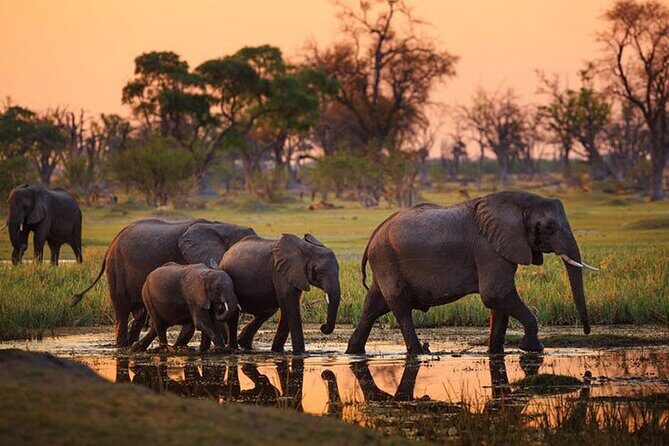
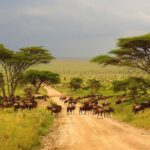
Tarangire is famous for its baobab trees, and that matters more than it sounds. These chunky silhouettes turn the park into a real visual experience, not just a drive to find animals. When elephants feed around the baobabs, the whole setting feels iconic and grounded—like you’re seeing why this place is remembered.
On this safari, you’re picked up from your accommodation in Arusha or Moshi around 08:00hrs, then you’re driven into the park for a wildlife viewing session. Tarangire is also highlighted for large mammals, diverse bird species, and one of the country’s strongest elephant populations. In plain terms: if you’re hoping for elephants, this park is a sensible first stop.
What I like about this setup is that it gives you a full game-drive stretch after arrival, not just a quick in-and-out. With birds and elephants both on the “most likely” list, you’re not stuck waiting for one specific animal to show up.
Practical tip: bring binoculars if you have them. Birds in particular can be easier to enjoy when you can actually read what you’re seeing.
The Ngorongoro Crater Start: Dawn, Caldera Views, and Predator Watching
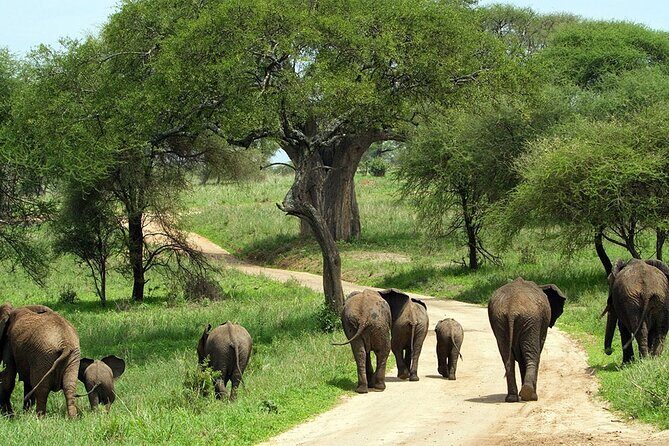
Day 2 is the big wildlife challenge. You leave the campsite around 06:00hrs and head to the Ngorongoro Crater area for your final wildlife expedition.
The crater itself is described as a huge, unbroken caldera and one of Africa’s seven natural wonders. That’s tourist language, yes—but it also explains the experience. The crater is a real “stage” for wildlife. You’re working a natural bowl where animals gather, and you can spend time scanning in a way that’s harder in open plains.
This part of the safari is built around a wide range of animals:
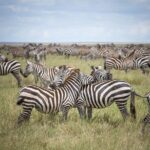
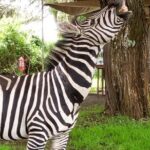
- wildebeest and zebra
- buffalo and warthog
- hippopotamus (depending on conditions and timing)
- eland and giant African elephants
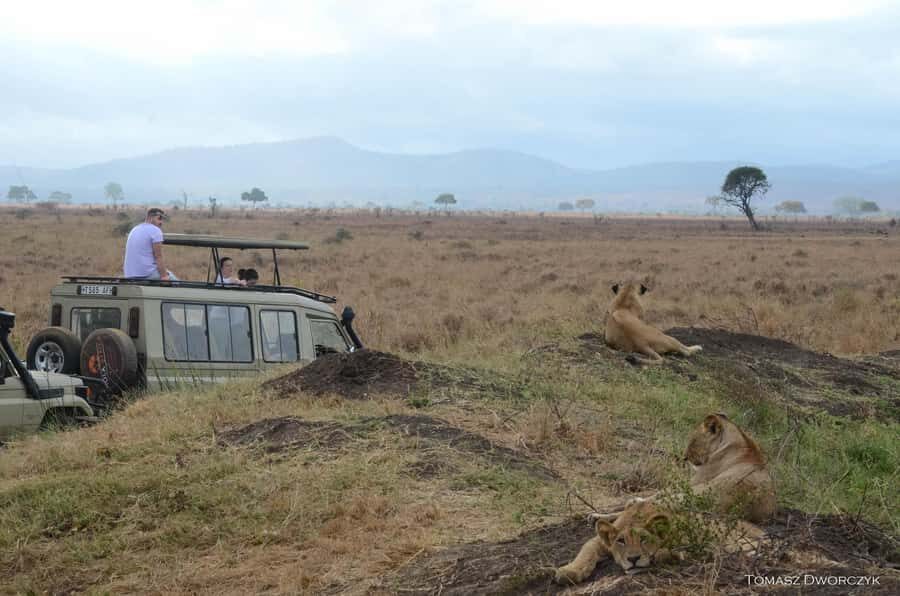
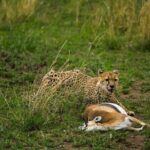
Then comes the thrill target: predators. You might see lions, hyenas, jackals, cheetahs, and—if you’re lucky and patient—leopard. The leopard is mentioned as elusive, which is a polite way of saying that you should enjoy the whole predator search rather than pinning your day on a single outcome.
If you like wildlife photography or just enjoy the tension of scanning trees and grass for movement, Ngorongoro is a great second-day payoff. You’ll also usually find that the crater area draws in large numbers of animals, so even if you’re not seeing predators every minute, you’re rarely staring at an empty scene.
Practical tip: start hydrating early. Cold mornings can trick you into under-drinking, and long scanning time dries you out.
Camp Night and the Included Meals That Make Early Starts Easier
A good short safari needs two things: early starts you can handle, and enough food to keep you sane. This one covers the basics well.
You’ll have dinner, plus breakfast and lunch on both days. You also have the option for other dietary requirements on request. One of the most positive points from real experiences with this kind of safari is that the lunch is more than a snack. Hot lunch is specifically mentioned as a highlight, which is huge when you’re in the field for hours.
The safari also includes an overnight stop at a campsite, described as cozy. I wouldn’t assume luxury, but the point of a campsite night here is practical. It keeps you in position for the early crater drive the next morning.
What I appreciate is that food stops being a question mark. When meals are included, you don’t waste time figuring out where to eat or how to transport your own supplies during a wildlife day.
Small note: tips for the driver/guide and safari cook are not included. Plan for that if you want to be fair to the people doing the work behind the scenes.
Pickup, Group Size, and Timing: How This Safari Feels in Real Life
This safari is set up for comfort and simplicity rather than big-tour chaos. It runs with a maximum of 6 travelers, which changes the vibe. With fewer people in the vehicle, there’s more room for shifting positions, taking photos, and letting the guide adjust the pace depending on what you’re seeing.
You also get pickup offered from accommodation in Arusha or Moshi, and the tour includes an English-speaking driver/guide. In one experience, the guide was named Raphael Proches, and the experience stood out for being relaxed and stress-free. That’s the kind of difference that matters most when you’re trying to make sense of animal behavior and park routes without getting lost in the details.
About timing: you’ll have an early start on Day 1 at around 08:00hrs, then an even earlier push on Day 2 around 06:00hrs. That’s normal for these parks, but it’s still a real consideration. If you hate waking up before the sun, adjust your expectations before booking.
One more practical detail: there’s a mobile ticket involved. That’s helpful because it reduces last-minute paperwork friction when you’re trying to stay focused on the safari.
A few more Arusha tours and experiences worth a look


Price and Value: What $750 Covers (and What You Still Need to Budget)
At $750 per person for a 2-day wildlife safari, the price is best judged by what’s included for your time.
Here’s what you can count on:
- Park admission tickets are listed as free (so you’re not paying extra at the gate)
- Meals are included: dinner, plus breakfast and lunch each day
- A professional driver/guide speaking English is included
- Pickup from Arusha or Moshi is included
- The group is kept small (max 6)
What’s not included:
- International flights
- Visas
- Tips for the driver/guide and safari cook
So where does the value come from? From removing the “extras” that often inflate short safaris: park fees, food during drive days, and the cost and hassle of arranging guides yourself. For many travelers, that makes the package feel like a clean deal for the limited time you have.
The main trade-off is that 2 days is a sprint. You’ll see a lot, but you won’t have the slower, deeper rhythm of a longer safari. If your priority is maximum animal variety with long drives and extra chances, you might look at a longer itinerary. If your priority is hitting Tarangire and Ngorongoro with solid meals and a small-group setup, this package does its job.
Who This Safari Fits Best (And Who Might Want More Time)
This safari fits best if you:
- want classic Tanzania wildlife without losing a week
- like the idea of two major parks in one shot
- prefer a small group over a busload
- value meals being handled for you in the field
- can handle early mornings without drama
It may not be ideal if you:
- need a slow-paced vacation with late starts
- get grumpy with limited flexibility if animal sightings move the day around
- are hoping for guaranteed predator sightings on schedule (wildlife doesn’t work like that)
Should You Book This 2-Day Tarangire and Ngorongoro Safari?
If you want a straightforward, high-impact Tanzania intro, I think this is worth considering. You get two of the most important wildlife settings—Tarangire for baobabs, birds, and elephants; Ngorongoro for that crater-floor concentration and predator search—and the package includes the parts that make short trips feel effortless: pickup, English-speaking guidance, and meals.
Before you book, do two quick things:
- Ask the operator to confirm your exact pickup and timing details, since the schedule involves early starts and you’ll want everything aligned.
- Plan a budget for tips, visas, and flights, since those aren’t covered.
One more nice bonus: the experience provider uses WhatsApp-based communication in real cases, which can be helpful if you need to adjust for dietary needs or ask last-minute questions quickly. If you like responsive planning, that’s a plus.
FAQ
Where does the tour pick me up?
You can be collected from your accommodation in Arusha or Moshi.
What time does the safari start?
The start time listed for the experience is 4:30 pm, but the driving plan includes an early pickup for Day 1 at around 08:00hrs and a departure from camp for Day 2 around 06:00hrs.
How long is the safari?
It runs for about 2 days.
Which national parks are included?
You visit Tarangire National Park on Day 1 and the Ngorongoro Conservation Area with access to Ngorongoro Crater on Day 2.
What wildlife can I expect to see?
On these drives, the listed possibilities include wildebeest, zebra, buffalo, eland, warthog, hippopotamus, giant African elephants, and predators such as lions, hyenas, jackals, cheetahs, and sometimes leopard.
Are park admission tickets included?
Yes. Park admission tickets are listed as free.
What meals are included?
Dinner is included, along with breakfast (2) and lunch (2). Dietary requirements can be requested.
How big is the group?
The group is limited to a maximum of 6 travelers.
What’s the cancellation policy?
You can cancel for a full refund up to 24 hours in advance. If you cancel less than 24 hours before the experience starts, the amount paid is not refunded.