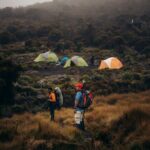
REVIEW · MOSHI
Mt Kilimanjaro Trek, 6 Days – Umbwe Route
Book on Viator →Operated by Intrepid Explorer Tanzania · Bookable on Viator
Straight up, silent trails, and a brutal schedule. That’s the appeal of the Kilimanjaro Umbwe Route: it’s the least used, least crowded way up, and it feels like you’re earning every step. I also love how this trip leans hard on real human support—your guides, porters, and cook run the whole show and keep you moving, and I’ve heard from past trekkers that the owner Wence even tweaks the experience to match preferences.
The trade-off is simple: Umbwe is very difficult and gives you less time to adjust to altitude, so it’s not the best choice for anyone who needs a gentler acclimatization profile.
In This Review
- Key highlights to know before you go
- Umbwe Route on Kilimanjaro: who it’s for (and who should skip it)
- Value and price: what your $2,260 covers (and what it doesn’t)
- Moshi setup and the trip into the mountains
- Day 1: Umbwe Gate to the first camp grind in the rain forest
- Day 2: leaving the forest and climbing open moorland to Barranco Camp
- Day 3: the Barranco Wall climb and the Karanga Valley junction
- Day 4: up to Barafu Camp and the approach to summit day
- Day 5: midnight ascent—Rebmann and Ratzel glaciers, Stella Point, and Uhuru Peak
- Day 6: Mweka descent—mud, warmth choices, certificates, and Moshi again
- Camping, crew, and meals: the support that actually matters
- What’s different about Umbwe vs. other routes (and why it can feel more direct)
- Gear and health basics you should not wing
- Should you book the Mt Kilimanjaro Umbwe Route (6 days)?
- FAQ
- How long is the Mt Kilimanjaro trek on the Umbwe Route?
- Where does the trek start and where does it end?
- Do I get airport transfers from Moshi and back?
- What’s included in the price besides guiding?
- What meals are included during the trek?
- What important items are not included?
- Is this a private tour?
- When do you start the summit push on summit day?
Key highlights to know before you go
- Private group experience: only your party trekking, not a mixed crowd.
- Secluded, low-traffic trail: Umbwe is the quiet route up, by design.
- Steep, consistent ascent: you’ll be climbing hard on most days, not just “walking up.”
- Stella Point sunrise moment: your summit night push includes a crater-rim stop for the sunrise.
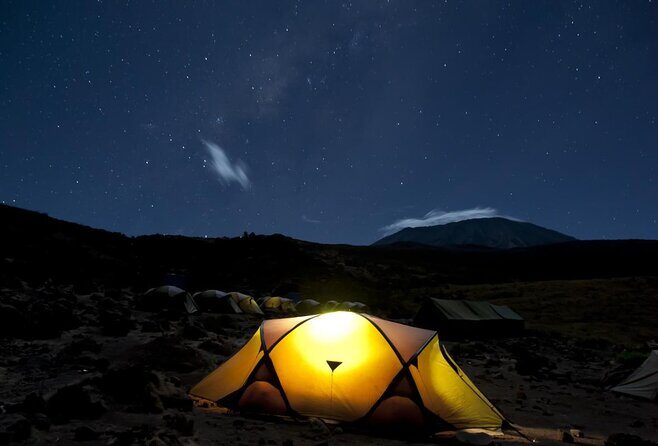
- Strong all-in crew setup: qualified guides, porters, cooks, tents, camp chairs, and mattresses come with the trip.
- Care included for emergencies: emergency oxygen is on hand for emergencies (not as summit aid).
Umbwe Route on Kilimanjaro: who it’s for (and who should skip it)
The Umbwe Route is the least crowded option on Kilimanjaro, but it’s popular for a specific type of hiker: the ones who can handle steep, steady effort for hours without falling apart. This route doesn’t play nice with altitude because the ascent profile is more abrupt—so you don’t get as many chances to “settle in” the way some other routes do.
If you’re used to trekking with a solid fitness base and you know how your body behaves at altitude, Umbwe can feel like a clean, direct challenge. If you’re the type who needs frequent pacing changes, lots of time to acclimatize, or scenic variety every day to stay motivated, you may find Umbwe mentally tougher than you expected. And because Umbwe’s path up and down stays close by, it’s also not as scenically varied as some other routes.
You can also read our reviews of more hiking tours in Moshi
Value and price: what your $2,260 covers (and what it doesn’t)
At $2,260 per person, you’re paying for a fully supported climbing package, not just a “walk and hope” experience. The trip includes all fees and taxes, transfers between the Kilimanjaro airport and Moshi, and hotel nights the night before and the night after the climb (with dinner and breakfast).
It also includes the moving parts that add up fast on Kilimanjaro: a qualified mountain guide, assistant guides, porters and cook, camping equipment (tents, camp chairs, tables, and sleeping mattress), and daily drinking and wash water. Meals are built in too: breakfast (5), lunch (6), and dinner (5) during the trek period. Emergency oxygen is included for emergencies only.
What’s not included is where you’ll want to plan carefully:
- visas, flights, and health/travel insurance
- personal items and snacks
- personal hiking/trekking gear (you can rent some)
- a portable toilet (optional but strongly recommended)
- personal medicine and water purifying tablets
That last bullet matters because at these elevations and in remote areas, you want your routine dialed in. If you prefer the comfort of handling that yourself, budget time to bring what you need rather than trying to improvise.
Moshi setup and the trip into the mountains
Your experience starts and ends at the Umbwe Gate area (the meeting point is listed as Umbwe, Tanzania). From Moshi, you drive about an hour to Umbwe Gate to begin climbing, which is important because it keeps your first day from feeling like a chaos marathon.
The night before the climb is handled with an included hotel stay, with dinner and breakfast. That’s not just a convenience. It means you can arrive to Moshi and sleep in proper beds before the long uphill begins, rather than scrambling for logistics at the last minute.
You’ll also want to treat the airport timing as part of the plan. Transfers are included (airport to Moshi and Moshi back to the airport), which reduces the most stressful part of Kilimanjaro travel: getting the timing right so you don’t start the trek tired or late.
Day 1: Umbwe Gate to the first camp grind in the rain forest
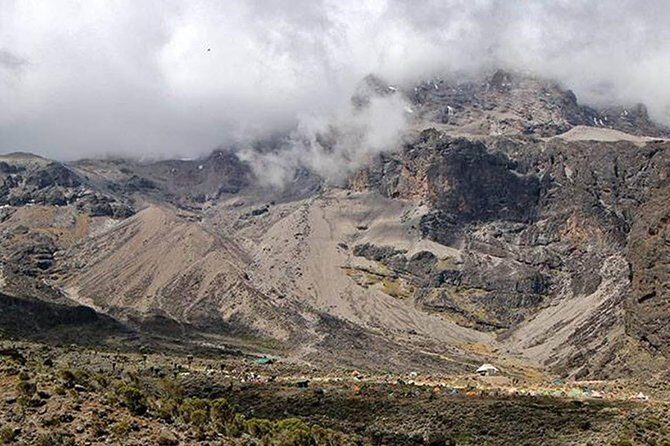
On the first hiking day, you start around 1,660m and climb to roughly 2,850m over about 11 km and 5–6 hours. The trail begins in rain forest, so expect a humid, living environment—great for your first taste of movement uphill, but not “dry trail walking.”
The day is also shorter in elevation gain than what comes next, which is exactly what you want on a route that otherwise climbs aggressively. You’ll start with packed lunch on the route, and the goal is to settle into rhythm early.
What to watch for on day one: don’t sprint. Umbwe’s steep reputation can tempt you to “get it over with.” Resist that urge. Save your legs for the long stretch of climbing effort that defines this climb.
Day 2: leaving the forest and climbing open moorland to Barranco Camp
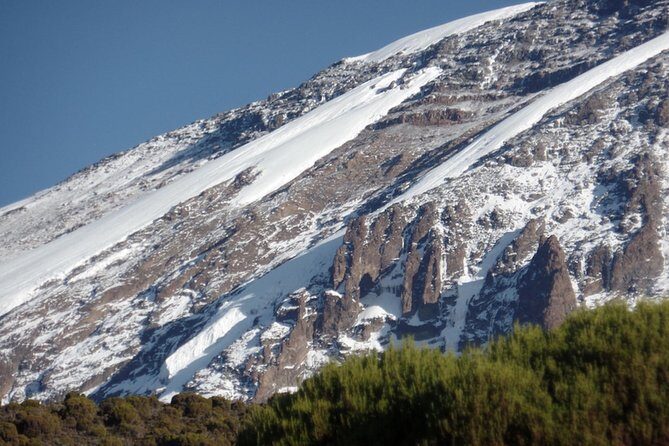
Day two takes you from around 2,850m to 4,000m in about 6 km and 4–5 hours. You move out of the forest glades and into open moorland, where the air can feel thinner and the sky feels bigger—often more exposed and more mentally demanding.
You’ll head for Barranco Camp, and the key here is pacing. On Umbwe, the altitude clock is running, even when the trail looks “simple” on paper. If you feel yourself rushing, slow down on purpose. This is the stage where a steady stride often helps more than pushing through discomfort.
A few more Moshi tours and experiences worth a look
Day 3: the Barranco Wall climb and the Karanga Valley junction
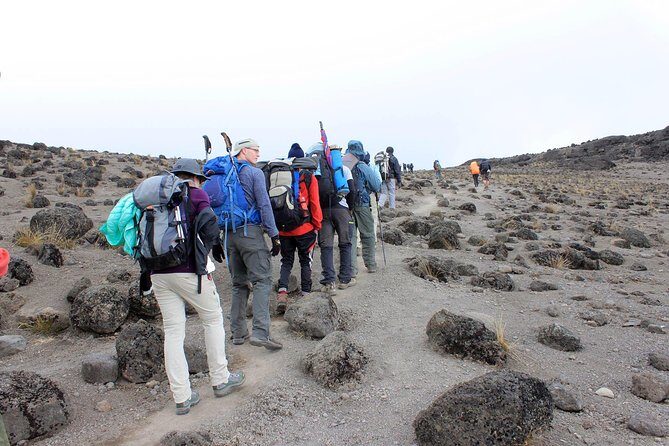
On day three, you travel from about 4,000m to 4,050m, a short hike distancewise (about 5 km and 3–4 hours). But don’t let the smaller elevation change fool you—this is still a serious day because you’re working a steep ridge up toward the Barranco Wall, then moving onward to the Karanga Valley and a junction that connects with the Mweka Trail.
This day is a bridge between the earlier grind and the higher camps ahead. It’s a reminder that Kilimanjaro isn’t just altitude; it’s also footwork. If your steps feel careful and controlled here, that usually pays off later on summit night.
Day 4: up to Barafu Camp and the approach to summit day
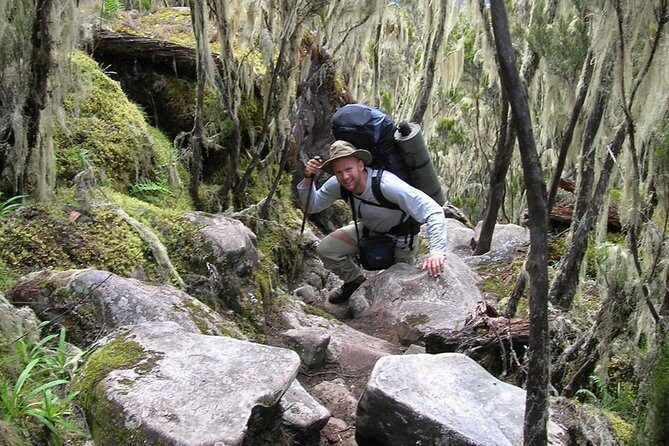
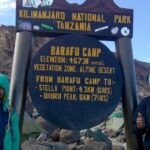
Day four climbs to Barafu Camp, taking you from roughly 4,050m to 4,700m over 4 km and about 3–4 hours. You’ve now completed the South Circuit, and the camp is your staging point for the summit push.
This is the day where “rest” becomes real work. You’re not just stopping—you’re preparing your body and your gear for the midnight climb. You’ll make camp, rest, eat dinner, and get ready for summit day.
If you’re the type who needs a mental routine, build one today:
- hydrate steadily
- eat what you can
- keep warm as temperatures drop
- plan your layers so you don’t waste time searching when it’s dark and cold
Day 5: midnight ascent—Rebmann and Ratzel glaciers, Stella Point, and Uhuru Peak
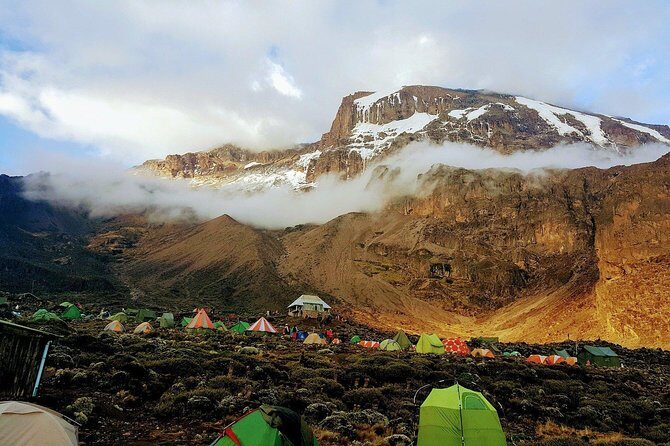
This is the heart of Umbwe. You leave between midnight and 2 am and climb from about 4,700m to 5,895m, with a total ascent distance listed around 5 km and then a much longer descent later (the big number you’ll feel in your legs comes after).
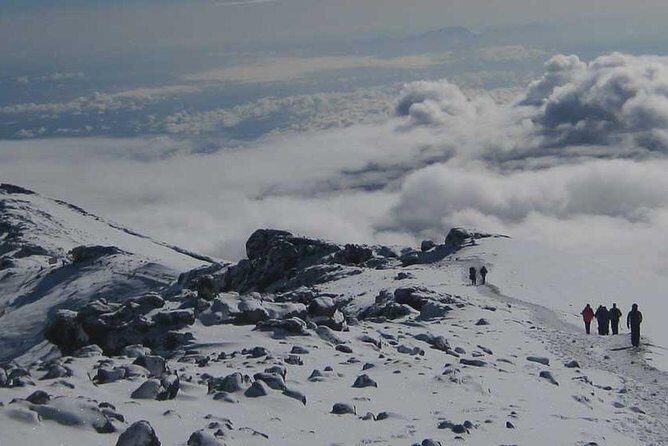
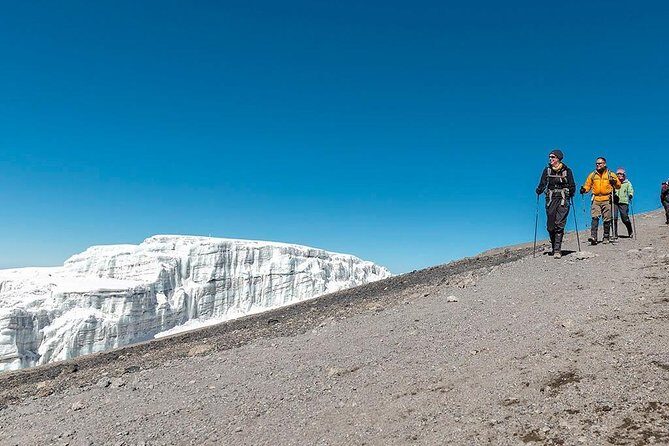
The route heads in a northwesterly direction and climbs through heavy scree toward Stella Point on the crater rim, between the Rebmann and Ratzel glaciers. Scree is tiring because every step can slide slightly. The trick is consistent effort and compact movements, not huge stride lengths.
Stella Point is also your first major psychological milestone. You stop briefly, and the reward is often the most magnificent sunrise you’ll see on the whole trip. Faster hikers may catch the sunrise from the summit itself, but either way, the timing is designed to put you on the crater rim for that shift in light.
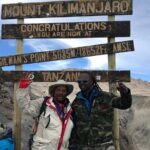
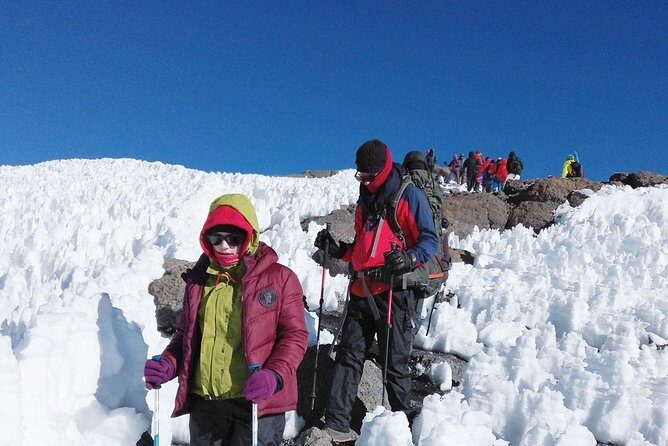
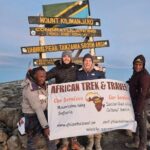
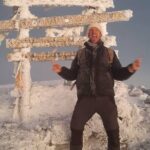
From Stella Point, you may encounter snow up to the final climb to the summit. The last push is often where altitude and cold stop being abstract and start feeling personal. When you reach Uhuru Peak, you’ve earned the route’s reputation the hard way.
The day length listed is long—around 14 hours—so set expectations. Summit day is not a “walk up, take photos, walk down.” It’s a long, disciplined effort that asks for focus more than speed.
Day 6: Mweka descent—mud, warmth choices, certificates, and Moshi again
The final day drops from about 3,090m down to 1,680m on the Mweka Trail, covering around 10 km and about 3–4 hours. You’ll descend to Mweka Park Gate to receive summit certificates, then continue roughly another hour to Mweka Village where a vehicle brings you back to Moshi (about 30 minutes).
Here’s the reality check: at lower elevations, it can be wet and muddy. That’s why the trip recommends gaiters and trekking poles. Shorts and t-shirts might be enough down low, but keep warmer clothing and rain gear handy because the weather can shift quickly.
This day is about controlled movement. When your body is tired, sloppy footing is how small mistakes turn into big problems. Take it slow, keep your footing planted, and treat the mud like part of the test you already passed once.
Camping, crew, and meals: the support that actually matters
A lot of Kilimanjaro decisions come down to what you don’t see: who carries the load, how food shows up every day, and whether the team runs on clear communication. This trip includes a full crew—qualified mountain guide, assistant guides, porters, and cook—plus camping gear like tents, camp chairs, tables, and sleeping mattresses.
Fresh water for drinking and for wash-ups is provided daily, which is one of those “small” comforts that becomes huge after a few days of cold and sweat. And your meals are included throughout the trek period, with lunch provided during the climb days.
One detail I really like from prior experiences with this kind of service: the cook is not just feeding you. People have specifically mentioned looking forward to special night meals. That matters because you need real morale and real calories when temperatures drop and summit day gets near.
What’s different about Umbwe vs. other routes (and why it can feel more direct)
Umbwe is close to itself on the way up and down, which is why you won’t get the same wide range of scenery you might see on routes that swing farther across the mountain. Instead, Umbwe gives you something else: a quiet, direct experience where the main story is effort and altitude management.
If you want a route that feels like a steady climb with fewer crowds and fewer route changes, Umbwe fits. If you want constantly shifting views, dramatic variety, and gentler “step-by-step” acclimatization, you’ll likely prefer another route.
In other words: Umbwe isn’t failing to be scenic. It’s just choosing a different kind of experience.
Gear and health basics you should not wing
The trip doesn’t list specific personal gear, but you’re told personal hiking/trekking gear isn’t included (though you can rent some). So you’ll want to think about your own basics:
- layering for cold early mornings and summit-night temperatures
- rain gear since some parts can be wet
- gaiters and poles for the muddy descent day
Also, plan your hydration and sanitation mindset. Water is provided for drinking and washing daily, but you may still want water purifying tablets, since they’re listed as not included. And because toilet access affects comfort and hygiene, a portable toilet is optional but highly recommended.
Finally, treat “emergency oxygen” as what it is: a safety item for emergencies only, not a summit aid. Plan for the real altitude risk with pacing, rest, and honest body awareness.
Should you book the Mt Kilimanjaro Umbwe Route (6 days)?
Book it if you want the least crowded route, you’re comfortable with steep, consistent climbing, and you’re confident you can handle the tighter altitude schedule. This route is best for people who train for effort and who don’t need frequent scenic variety to stay motivated.
Skip it (or at least seriously consider a different route) if you need slower acclimatization, more time to adjust, or a gentler pace. Umbwe is described as the most difficult route and “very low” success rate, and that matches the profile: it’s a direct push upward.
If you do book Umbwe, go in with a plan:
- choose pacing over speed
- pack for cold and wet conditions
- accept that summit day is long and mentally demanding
- trust your guides and crew setup, because the whole system is built to keep you moving safely
FAQ
How long is the Mt Kilimanjaro trek on the Umbwe Route?
The trek is listed as 6 days (approx.), and it’s also noted that six days is the minimum while seven days is recommended.
Where does the trek start and where does it end?
It starts at the Umbwe Gate (meeting point listed at Umbwe, Tanzania) and ends back at the same meeting point.
Do I get airport transfers from Moshi and back?
Yes. Return transfers are included between Kilimanjaro airport and Moshi, and also Moshi to Kilimanjaro airport.
What’s included in the price besides guiding?
The package includes all fees and taxes, hotel nights before and after the climb (with dinner and breakfast), emergency oxygen for emergencies, a qualified guide and support crew, camping equipment, fresh drinking and wash water, and the trek meals (breakfast, lunch, dinner as specified).
What meals are included during the trek?
Meals included are breakfast (5), lunch (6), and dinner (5) during the trekking period.
What important items are not included?
Not included are visas, flights, health and travel insurance, personal items, personal hiking gear (renting may be available), and snacks/personal medicine plus water purifying tablets. A portable toilet is optional but highly recommended.
Is this a private tour?
Yes. It’s described as a private tour/activity, meaning only your group participates.
When do you start the summit push on summit day?
You start very early, between midnight and 2 am, heading toward Stella Point on the crater rim for sunrise and then continuing to the summit.