REVIEW · ARUSHA
NGO Lifted Strong – Traditional Tanzanian Cooking Class
Book on Viator →Operated by Lifted Strong Community Organization (LISCO) · Bookable on Viator
A cooking class with real heart, right in Arusha. This NGO-backed session teaches you traditional Tanzanian dishes while you pick up Swahili names for ingredients, guided by the Mama team and led by Joyce. I love the hands-on setup, where you’re actually working on the food, not just watching. And I love the clear mission link to LISCO, which focuses on helping women facing major hardships.
Only consideration: the meeting point is at a specific location (MJHR+GF) and it may be a little out of the main flow, so plan for time and/or arrange pickup if you need it. If you’re vegetarian or vegan, tell them in advance so the menu matches your needs.
In This Review
- Key things to know before you go
- A Small-Group Cooking Class With a Mission in Arusha
- Meet Joyce and the Mama Team in Their Arusha Rhythm
- What You Cook in 3 Hours: Samosas, Soup, Ungali, and More
- Expect a hands-on flow
- Swahili Ingredient Names That Actually Make Sense
- Vegetarian and Vegan-Friendly, If You Tell Them Up Front
- Price and Value: Why $50 Works Here
- Logistics That Matter: Meeting Point, Pickup, and Timing
- How Your Participation Supports LISCO’s Work
- Who Should Book This Cooking Class (and Who Might Skip It)
- Should You Book NGO Lifted Strong in Arusha?
- FAQ
- How long is the NGO Lifted Strong traditional Tanzanian cooking class?
- Where does the class start in Arusha?
- Can I arrange pickup instead of meeting at the center?
- What time does the class start?
- Is there a limit on group size?
- Do they offer vegetarian or vegan options?
- What is the cancellation window for a full refund?
Key things to know before you go
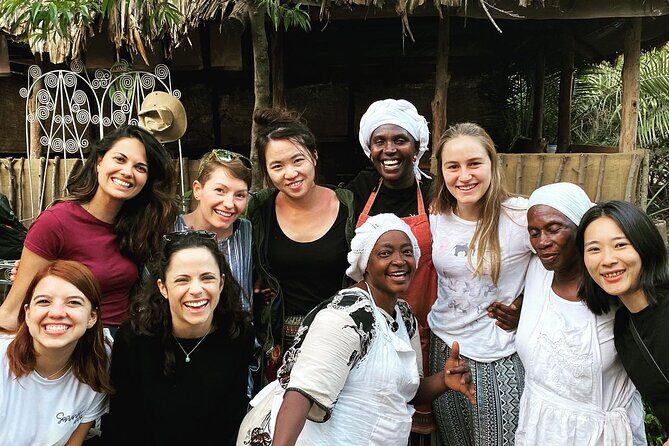
- Guided by local Mama cooks: you learn techniques while working the ingredients
- Swahili ingredient names: quick language lessons tied to what you’re cooking
- Small group (max 10): more hands-on time with the instructors
- Vegetarian and vegan options: available if you notify them ahead of time
- Dishes you can recognize: samosas, soup, ungali with vegetables and rice, plus cooked banana
A Small-Group Cooking Class With a Mission in Arusha
Arusha is the kind of place where good travel days have one or two anchor moments. This cooking class is built around two anchors: real Tanzanian food and real community impact. It runs about 3 hours and then you’re free for the rest of your day, so it fits nicely between sightseeing plans.
The class is run by Lifted Strong Community Organization (LISCO). Instead of treating charity like a side note, the mission is part of the whole experience. You’ll learn what the organization does for women, and the food you make feels connected to that story, not separate from it.
This is also a low-pressure activity. The tone is more like cooking together with strong, welcoming people than a stiff school lesson. You can expect to work with the Mama team, taste what you make, and learn a few useful Swahili terms along the way.
You can also read our reviews of more cooking classes in Arusha
Meet Joyce and the Mama Team in Their Arusha Rhythm
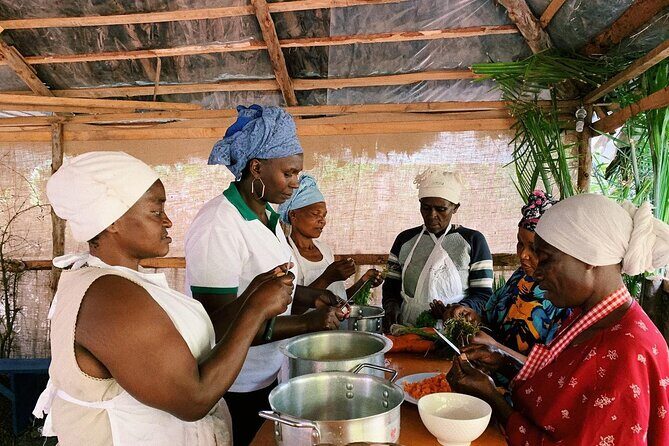
The class is coordinated by Joyce and her team. In the reviews, Joyce comes up again and again as friendly and accommodating, including helping groups adjust when needed. That matters, because timing and comfort can make or break a hands-on class.
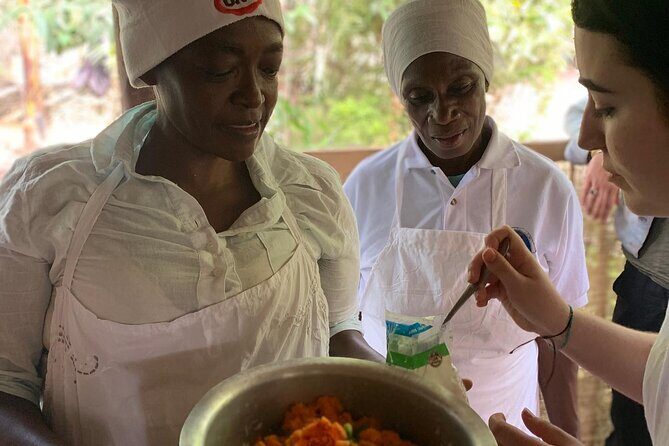
You’ll be guided by the Mama cooks—skilled local women who teach through doing. This is the part I think you’ll appreciate most: you’re not just learning recipes, you’re learning how people cook when they’re feeding families and building community. That’s why the “how” feels practical.
You’ll also get a sense of warmth and encouragement from the women running the class. Some visits have included school groups, and the consistent theme is that the Mama team makes newcomers feel capable. If you’re nervous about cooking, this environment helps.
What You Cook in 3 Hours: Samosas, Soup, Ungali, and More
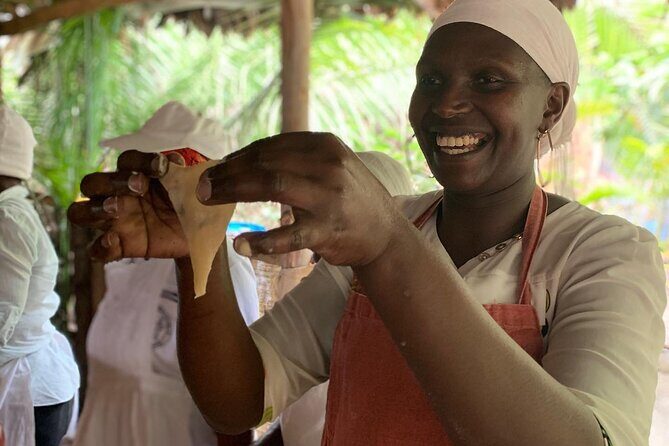
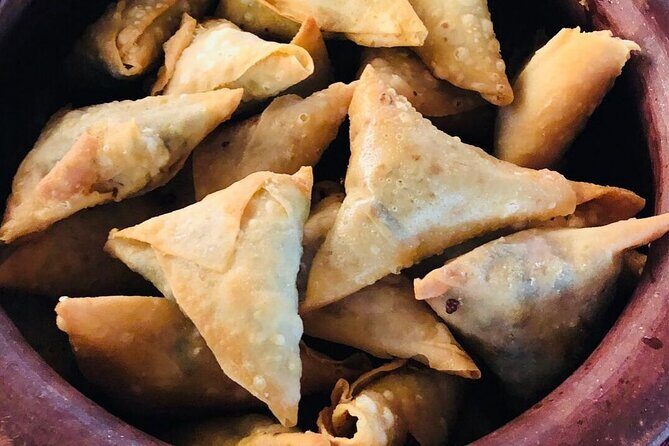
The cooking class centers on traditional Tanzanian dishes, and the specific menu can vary. But based on what people have made here, you should expect to cook familiar, satisfying foods like samosas and soup. Many groups also make ungali with vegetables and rice.
Ungali is one of those hearty staples that tells you a lot about local food culture. It’s filling, it pairs well with savory toppings, and it helps you understand why these meals work day after day. When you make it yourself, you stop thinking of it as an abstract “local dish” and start understanding the texture and method.
A cooked banana dish also shows up in at least some sessions. That’s a fun reminder that Tanzanian cooking uses more than just one kind of ingredient. Even if you’re used to banana only as dessert, you’ll see how it can fit into meals.
Expect a hands-on flow
The class typically moves through:
- preparing produce and ingredients
- learning steps for the specific dishes (like samosa components and soup elements)
- cooking, plating, and tasting together
Some groups were even allowed to take extra food home when they’d made a lot. That’s not something you should count on for every session, but it’s a nice sign that the team is practical and generous with what they create.
Swahili Ingredient Names That Actually Make Sense
The Swahili element is one of the most useful surprises. You’re not getting grammar homework. You’re learning ingredient names tied to what’s on your cutting board, so the words stick.
You’ll hear Swahili names for ingredients as you prep them, then you’ll connect those names to steps in the cooking process. That’s the kind of language learning that actually travels well with you afterward.
Even if you only take away a handful of words, you’ll feel the difference when you shop or ask questions later. You’ll be able to point and name key ingredients instead of using only gestures.
A few more Arusha tours and experiences worth a look


Vegetarian and Vegan-Friendly, If You Tell Them Up Front
This class can work for vegetarians and vegans, but the key is simple: let them know in advance. They cater dietary preferences, and that advance notice matters when you’re deciding which dishes can be adjusted and how the flavors will land.
If you’re managing allergies, you should treat the same rule seriously. The more context you give them, the more likely you’ll get a meal that matches your needs without awkward compromises.
In practice, this is one of those tours where your dietary needs won’t be treated like an afterthought. It’s also a good option if you want to eat local food without giving up your routine.
Price and Value: Why $50 Works Here
At $50 per person for a roughly 3-hour, small-group class, this isn’t a cheap “snack and watch” activity. But it also isn’t a luxury cooking experience with high overhead and polished scripts.
The value is in three places:
- Hands-on instruction from local cooks (not a distant demonstration)
- A meal built around traditional dishes you can recognize and recreate later
- Your payment supporting LISCO and its work empowering women facing severe challenges
That last point changes the feel of the price. You’re not paying only for cooking. You’re helping sustain programming tied to real needs, from fighting the harmful effects of issues like HIV and domestic violence to pushing women forward through support and opportunities.
And because the group size is capped at 10, the class doesn’t turn into a crowd-control exercise. You’ll generally get more direct interaction, which makes the time feel worth it.
Logistics That Matter: Meeting Point, Pickup, and Timing
The class starts at 2:00 pm. It ends back at the meeting point, and that round-trip rhythm keeps the day simple. You won’t spend your afternoon jumping between locations.
You can meet at the center or arrange for pickup. That choice is useful because you might be staying somewhere with easier access, or you might want to reduce walking in the afternoon heat.
Your start location is listed as MJHR+GF, Arusha, Tanzania. If you’re not sure how that fits into your day, plan to check directions early the way you would for any local address. One practical tip: if you’re short on time, arrange pickup so you’re not stress-walking with your hunger kicking in.
Also note: the experience is near public transportation and service animals are allowed. That can be reassuring if you rely on transit or you travel with an animal that needs to stay with you.
How Your Participation Supports LISCO’s Work
This is the part that gives the class weight. LISCO supports women who are dealing with overwhelming hardships, including challenges around HIV, domestic violence, poverty, and poor health. The cooking class isn’t framed as vague “feel-good charity.” It’s part of a larger mission to help women build stability and strength.
The women who guide the class are not just instructors. They’re part of the community that the organization serves. When you sit down for what you cooked, you’re also being part of a conversation about resilience and empowerment.
In other words, it’s not charity as a performance. It’s support that shows up in daily life, and you get to see the people behind it.
Who Should Book This Cooking Class (and Who Might Skip It)
Book this class if you want:
- an authentic Tanzanian cooking experience in Arusha
- a small group where you’ll actually work on food
- a meaningful way to spend a travel afternoon that helps a local NGO
It’s also a great fit for couples and friends who want one shared activity with a strong story behind it. Some people have even brought school groups, which says something about how welcoming the team can be.
You might skip it if:
- you dislike structured activities with a set start time
- you strongly prefer to cook only in fully “westernized” recipes (this is traditional Tanzanian food and techniques)
- you don’t want to be part of a mission-focused environment
Should You Book NGO Lifted Strong in Arusha?
I think this is an easy yes for most visitors who want more than a standard food tour. You get hands-on cooking, real Tanzanian dishes like samosas, soup, and ungali, plus Swahili ingredient lessons you can use later. The small-group size keeps the experience personal, and the NGO connection turns your payment into something concrete.
If you’re organized about logistics and you message them about dietary needs, it’s likely to feel smooth. And if you want a travel day that’s both tasty and purposeful, this is a strong use of your afternoon.
FAQ
How long is the NGO Lifted Strong traditional Tanzanian cooking class?
It lasts about 3 hours.
Where does the class start in Arusha?
The start location is listed as MJHR+GF, Arusha, Tanzania. The activity ends back at the meeting point.
Can I arrange pickup instead of meeting at the center?
Yes. You can either meet at the center or arrange for pickup.
What time does the class start?
The start time is 2:00 pm.
Is there a limit on group size?
Yes. The class has a maximum of 10 travelers.
Do they offer vegetarian or vegan options?
Yes, they cater to vegetarian and vegan preferences if you let them know in advance.
What is the cancellation window for a full refund?
You can cancel up to 24 hours in advance for a full refund.