REVIEW · ARUSHA
1-Day Safari-Trip to Tarangire National Park
Book on Viator →Operated by Safari Njema Adventures · Bookable on Viator
Tarangire can feel like a moving watering hole. This short day-trip packs you into Tarangire National Park where the Tarangire River and southern swamps act like magnets for wildlife in the dry season, plus you’ll travel through acacia woodlands and giant baobab country. I especially like how the day is built around animals concentrating along water, not random big-drive guessing.
The other big win is the human side. In the past, this trip has been run with drivers like Bashiri & Elibakiri, and also Jeremie, and the consistent theme is clear communication and safe, confident driving—plus a guide who talks enough to turn sightings into real learning. One detail I like: lunch is described as very good, and people mention the safari pace can work for families.
One thing to double-check before you lock it in: the provided details list a start time of 11:30 pm, while the day plan talks about a morning hotel pickup. That mismatch is worth confirming so your day (and your sleep schedule) stays sane.
In This Review
- What Makes This Tarangire Day Trip Worth Your Time
- Tarangire in One Day: Why the River Brings the Action
- Arusha Pick-Up and the 6-Hour Plan: How to Read the Timing
- The 4-Hour Game Drive in Tarangire National Park
- Acacia Woodlands, Baobabs, and Swamps: Where Animals Tend to Gather
- Elephant Herd Season (June–October) and Realistic Expectations
- Meet the Drivers: Communication Turns a Drive Into Learning
- Lunch and Comfort on a Long Half Day
- Price and Value: What $361 Gets You (and What It Doesn’t)
- Who This Private Safari Trip Fits Best
- Should You Book This Tarangire Day Trip?
- FAQ
- How long is the safari trip to Tarangire National Park?
- Is pickup from Arusha included?
- Is this a private tour?
- Is admission to the park included?
- What ticket method will I use?
- What time does the tour start?
- Who provides the tour?
- Are there cancellation options if my plans change?
- What happens if the minimum number of travelers is not met?
- Is the tour suitable for most people?
- What is the price per person?
What Makes This Tarangire Day Trip Worth Your Time
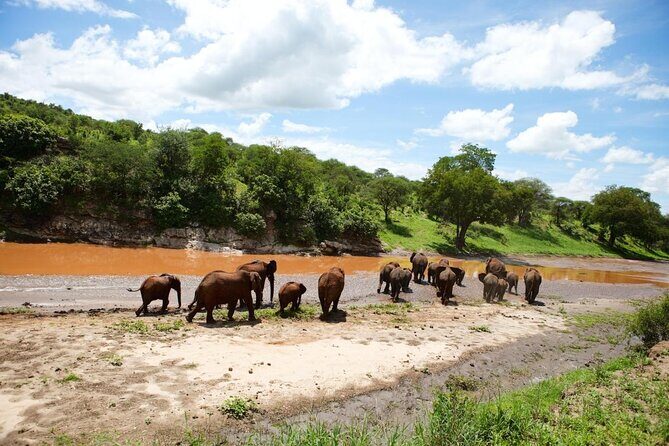
- Dry-season wildlife focus around the Tarangire River and swamp areas, where animals gather when water is scarce
- Private experience with only your group, so you’re not stuck in a crowded vehicle herd
- Elephant odds (June–October), when Tarangire is reputed for large herds
- Guide-driver communication praised for safety, knowledge, and responsive driving
- A roughly 4-hour game drive window inside the park, with time built in for getting there and back
- Lunch included and well-rated, which matters on a half-day schedule
Tarangire in One Day: Why the River Brings the Action
If you want a safari day that stays grounded in how wildlife actually behaves, Tarangire is a smart target. The park sits along the Tarangire River, and a big part of the year-round story is simple: when the land dries out, water sources become the meeting points for animals.
Tarangire’s terrain also helps. You’re moving through low-lying hills on the Great Rift Valley floor, with acacia woodland as the main vegetation, giant African baobab trees, and swamp areas in the southern part of the park. Even when it’s hot and the ground goes dusty red, that mix of shade, water, and open sightlines sets you up for frequent sightings.
This is the key value of doing it as a short, direct trip from Arusha. You don’t spend your entire day on the road trying to cover everything in Tanzania. Instead, you spend the important hours where animals are most likely to show themselves.
A few more Arusha tours and experiences worth a look
Arusha Pick-Up and the 6-Hour Plan: How to Read the Timing
This experience is listed as about 6 hours total, with a 4-hour game drive in Tarangire National Park. That structure matters because it keeps the safari part meaningful. You’re not just passing through the park like a drive-by; you’re meant to spend real time scanning, stopping when you spot something, and adjusting based on what the animals are doing that day.
Pickup is offered from your hotel in Arusha, which is a practical plus if you don’t want to figure out your own transport. You’ll also use a mobile ticket, which is handy if you like having everything in one place on your phone.
Now for the one snag I mentioned earlier: the details list a start time of 11:30 pm, but the day plan describes a morning pickup. I’d treat that as a red flag to clarify. Ask your operator to confirm your exact pickup time and meeting instructions in Arusha the day before (or immediately after booking confirmation). That way you won’t show up sleepy and confused—or arrive too early and wait around with nothing to do.
The 4-Hour Game Drive in Tarangire National Park
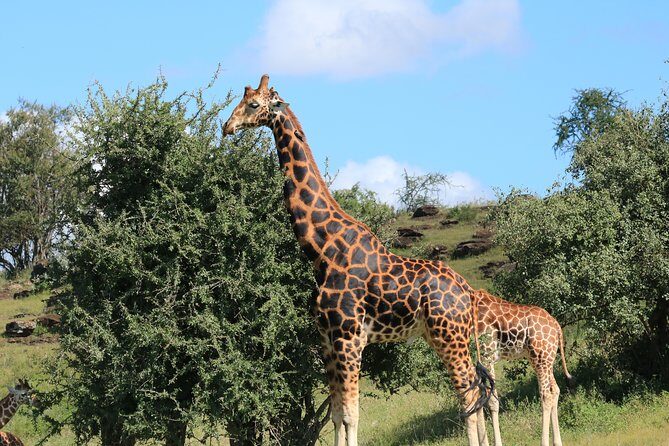
Once you get into the park, your time is set up for a classic safari flow: drive, scan, find, stop, watch, repeat. Tarangire runs along the river line, and during Tanzania’s dry season the river and swamps act like a magnet for wildlife. Practically, that means your driver isn’t just chasing random sightings; they can base decisions on where animals are expected to concentrate.
The park is known for variety in terrain at a smaller scale than some giant parks. Low hills and river-adjacent areas can give you different angles of view. Baobabs and acacias also create natural cover and contrast, so you can often spot movement against a still background.
You should also know that wildlife concentration shifts through the day. In very dry conditions, animals tend to move toward water and the shady edges. That doesn’t guarantee everything, but it gives the safari day a logic you can feel: the longer you stay in the right areas, the more likely something big shows up.
Acacia Woodlands, Baobabs, and Swamps: Where Animals Tend to Gather
Tarangire’s vegetation isn’t just pretty background. It changes how animals behave and how you spot them.
- Acacia woodland tends to create a patchwork of shade and visibility. Animals may linger where they can rest in cover but still keep an eye out.
- Giant African baobab trees are landmark features. They’re also a clue for where shade and feeding opportunities might be concentrated.
- Swamp areas in the south add another layer. In the dry season, swamps can remain more usable than surrounding land, which helps explain why they’re described as magnets for wild animals.
What you’re really getting from these details is a safari that feels less like randomness. Instead of hoping for the best, you’re moving through a park where geography and seasonal water patterns tell a story. If you’re the type who likes to understand what you’re seeing, this helps you follow along rather than just check off animals.
And if you’re traveling with family, this matters even more. A day where the animal logic makes sense is easier to enjoy when kids (or adults) need frequent moments of interest.
Elephant Herd Season (June–October) and Realistic Expectations
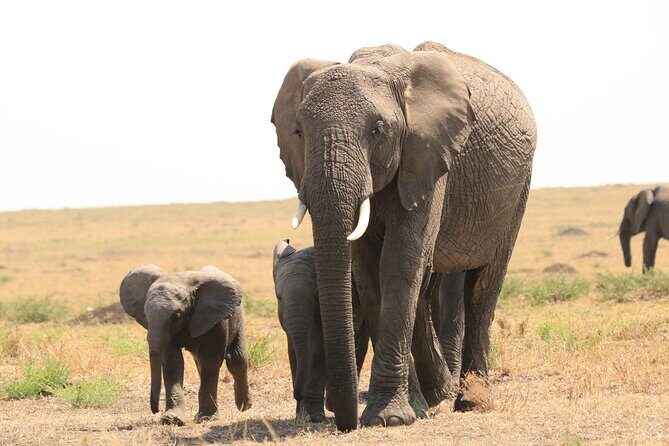
Tarangire is reputed to contain some of the largest elephant herds in Africa, especially from June to October. That seasonal note is important because elephants don’t follow a calendar just for your convenience. They move based on water availability and food.
So what should you expect? Think in terms of odds and timing, not guarantees. If you’re going during those months, the park’s reputation aligns with the dry-season reality: elephants need water, and Tarangire’s river-and-swamp pull can bring bigger groups into view.
Even if you’re not traveling in that window, Tarangire still tends to deliver because its ecology is shaped around water. Your game drive time is focused, and the driver can use the river corridor and known habitat patterns to guide where you spend those hours.
A small practical tip: bring sun protection and expect dust. The dry-season description includes baked, dusty conditions, and on safari that affects comfort more than you might think. Shade breaks and water breaks become part of your day, whether you plan them or not.
A few more Arusha tours and experiences worth a look


Meet the Drivers: Communication Turns a Drive Into Learning
One of the most praised parts of this experience is the driving and guiding style. Names that have come up include drivers like Bashiri & Elibakiri and also Jeremie. What people consistently describe isn’t just luck with animals—it’s the ability to understand what’s going on out there.
The most helpful guides do two things:
- They communicate clearly. You know what you’re looking for and why you’re going somewhere.
- They drive safely and confidently. That safety component matters when you’re bouncing around uneven terrain and scanning for movement.
In your day-trip, you’re likely to appreciate the driver more than you’d expect. A short safari day has limited time. When your driver communicates and adjusts with purpose, you feel like every stop has a reason, not just random cruising.
If you learn best by listening—rather than by reading signs—this is the kind of safari day that can feel satisfying. One well-rated guide experience specifically points to learning about animals and even the life in Tanzania, which is exactly the kind of context that makes sightings stick.
Lunch and Comfort on a Long Half Day
A safari day is a balancing act: enough time to find animals, enough comfort to keep you sharp. This trip includes lunch, and it’s described as very good.
Even without knowing the exact lunch setup, I take this to mean the operator is paying attention to the human side of the schedule. On a 6-hour trip, people can get cranky fast if food and breaks aren’t handled well. A solid lunch also helps when the day is hot and dry, because you’re more likely to stay hydrated and focused afterward.
Comfort also ties into pacing. If your driver is responsive—pausing when you want to stop and adjusting when you want to move—you’ll spend more of your day actually watching rather than constantly bracing through motion.
If you’re someone who hates feeling rushed, this is one of the reasons I’d lean toward a private day-trip format.
Price and Value: What $361 Gets You (and What It Doesn’t)
The listed price is $361.03 per person for this 1-day safari. On paper, that may sound like a lot until you break down what’s being handled for you.
Here’s what looks like value in the details:
- Hotel pickup in Arusha (so you don’t arrange transport separately)
- Private tour format, meaning only your group participates
- A full vehicle-and-driver commitment for about 6 hours
- A mobile ticket
- Admission ticket is listed as free for this activity
So your money isn’t just buying access to the park. It’s paying for the local logistics, the time of the driver and vehicle, and the practical decision-making that helps you spend your limited day in the right places.
What I’d be careful about is assuming the price includes everything else you might want (like personal expenses, drinks, or extra add-ons). The only fee statement given is that admission is free, so treat other potential costs as your responsibility unless you see something explicitly included in your confirmation.
Also, consider timing and demand. The trip is typically booked about 223 days in advance on average, which hints at popularity. If you’re traveling in peak season for wildlife, booking early can help you secure a schedule that matches your ideal time in Tanzania.
Who This Private Safari Trip Fits Best
This is best for people who want a focused safari without the complexity of multi-day planning. The private format is a strong fit if you:
- Want to move at your own pace with fewer stops dictated by other groups
- Care about conversation and learning from the driver
- Are traveling as a family and prefer a more adjustable schedule
- Want a day-trip option from Arusha instead of a longer itinerary
It also helps if you’re going during June–October and you’re chasing the best elephant-herd odds Tarangire is known for. If you’re not going in that window, the trip still makes sense because the river and seasonal water dynamics are what make Tarangire work.
The experience is also described as suitable for most travelers, so it doesn’t appear to be aimed only at hardcore safari types. The big deciding factor for many people will be heat tolerance and willingness to spend hours on a vehicle scanning for animals.
Should You Book This Tarangire Day Trip?
I’d recommend booking this if you want one great safari day with a clear reason for where you’re going: river-and-water wildlife patterns in Tarangire, plus enough time inside the park to matter.
Book it if:
- You like the idea of elephant chances tied to June–October
- You value safe, communicative guiding (Bashiri, Elibakiri, and Jeremie are all names you’ll see associated with positive experiences)
- You appreciate that lunch is included and noted as good
- You want a private setup so the day feels personal, not rushed by a bigger group
I’d hesitate or at least confirm details first if:
- You’re bothered by schedule confusion, since the listed start time conflicts with the morning pickup description
- You need very specific timing for flights or other plans that can’t shift
If you take one step before you go, make it this: confirm your exact Arusha pickup time and meeting instructions so the day runs cleanly. Once that’s sorted, this is a solid way to experience Tarangire without spending more time (and money) than necessary.
FAQ
How long is the safari trip to Tarangire National Park?
The experience is listed as approximately 6 hours total, with about 4 hours spent at Tarangire National Park.
Is pickup from Arusha included?
Yes, pickup from your hotel in Arusha is offered.
Is this a private tour?
Yes. It’s described as a private tour/activity, so only your group will participate.
Is admission to the park included?
The details list admission ticket as free for this activity.
What ticket method will I use?
You’ll use a mobile ticket.
What time does the tour start?
The start time is listed as 11:30 pm, but the day plan also mentions a morning pickup. Confirm your exact pickup time with the provider after booking.
Who provides the tour?
The experience provider is Safari Njema Adventures.
Are there cancellation options if my plans change?
Yes. Free cancellation is offered up to 24 hours in advance for a full refund.
What happens if the minimum number of travelers is not met?
If it’s canceled because the minimum isn’t met, you’ll be offered a different date/experience or receive a full refund.
Is the tour suitable for most people?
The listing says most travelers can participate.
What is the price per person?
The price is $361.03 per person.