REVIEW · MOSHI
Discover The Best 7-day Kilimanjaro climbing via Machame route
Book on Viator →Operated by AFRICA NATURAL TOURS · Bookable on Viator
Altitude, drama, and a plan that feels organized. This 7-day Kilimanjaro Machame Route starts with an easy pickup from Moshi and keeps you moving through real altitude terrain—rain forest to moorland, then scree and glacier views—ending with an early summit window where the sunrise can be unreal. You’re also hiking with other advanced trekkers on a group trek, so the days feel shared (even when your legs protest).
I especially like that the basics are handled well: breakfast, lunch, and dinner during the trek, plus lodging at camps along the way. The mountain team experience matters too, and you may meet crew members such as Henry Tuma (mentioned for pickup), with guides like Solomon and Mathew appearing in past experiences, alongside porters and cooks credited for keeping spirits up. One drawback to plan for: the price doesn’t include Mount Kilimanjaro park fees or tips/personal gear, and the summit day starts at roughly midnight to 2:00 am—cold, tiring, and weather-dependent.
In This Review
- Key Things I’d Watch For on This Machame Climb
- Why This 7-Day Machame Route From Moshi Feels Like a Real Climb
- Entering Kilimanjaro: Moshi to Machame Gate (Day 1)
- Day-by-Day on Machame: What Each Camp Stage Really Does for You
- Day 2: Machame Camp to Shira Cave Camp
- Day 3: Shira Cave Camp to Lava Tower to Barranco Camp
- Day 4: Barranco Camp to Karanga Camp
- Day 5: Karanga Camp to Barafu Camp (Final Prep for Summit Day)
- Day 6: Barafu Camp to Summit to Mweka Camp
- Summit Day Reality Check: Start Time, Sunrise, and the Stella Point Pause
- Camps, Meals, and the Mountain Crew That Makes Group Hiking Work
- The Final Descent: Mweka Camp to Moshi (Day 7)
- Price and Logistics: Is $1,200 Good Value Here?
- Who Should Book This Machame Group Tour (and Who Should Rethink It)
- Should You Book This 7-Day Kilimanjaro Machame Climb?
- FAQ
- How long is the Kilimanjaro climb on the Machame route?
- What does the $1,200 price include?
- Are meals and camp lodging included?
- What is not included in the tour price?
- Do I get pickup and drop-off in Moshi?
- When do you start the summit attempt?
- Is free cancellation available?
Key Things I’d Watch For on This Machame Climb
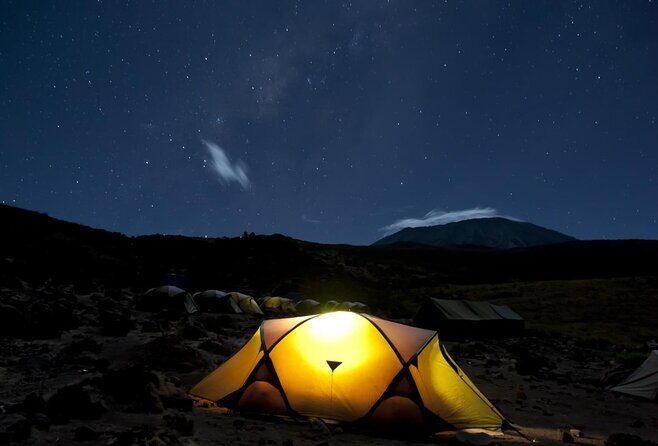
- Moshi-to-gate transfer makes Day 1 feel less chaotic
- Forest-to-desert altitude shifts show up fast on this route
- Lava Tower scramble adds a fun, technical feel
- Summit push is timed around sunrise from high on the crater rim
- Group size cap (up to 50) helps you expect a steady rhythm
- Park fees and summit-day expenses aren’t baked into the $1,200
Why This 7-Day Machame Route From Moshi Feels Like a Real Climb
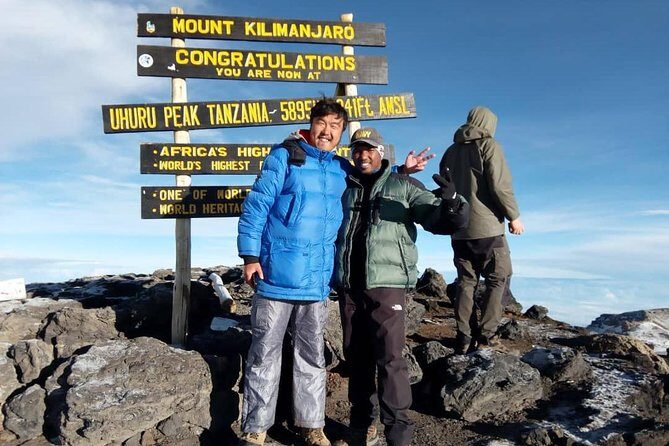
Kilimanjaro isn’t a “walk in the park” mountain, and Machame isn’t pretending. This route is known for a mix of forest hiking, steep rocky sections, and higher-altitude moorland and alpine desert. On a 7-day schedule, you’re not just marching up—you’re also getting a few days of altitude rhythm so your body can adapt.
What I like about this specific tour is the structure. You begin in Moshi, get to the park gate quickly, hike to a camp at a meaningful altitude jump, then repeat that pattern with some variation. The days aren’t equal distance-wise, but they’re consistent in effort. That matters because on Kilimanjaro, the “hard parts” aren’t just cardio. It’s also your breathing, your pacing, and your ability to keep steady when the air thins.
This is also a group-style trek with other experienced hikers. That can be a plus: you’ll rarely feel like you’re the only one moving slowly or stopping to catch your breath. Still, you should mentally prepare for the fact that you’ll be sharing space at camps and walking parts of the trail together. Kilimanjaro is busy enough as it is.
A few more Moshi tours and experiences worth a look
Entering Kilimanjaro: Moshi to Machame Gate (Day 1)
Day 1 starts with about a 50-minute drive from Moshi to the Machame Gate. You’ll pass through the village of Machame on the lower slopes before your hiking really begins. Then the trail pulls you into rain forest and montane forest, climbing on a winding ridge.
The elevation climb listed for Day 1 is roughly 5,400 ft to 9,400 ft over about 11 km with 5–7 hours of hiking. That’s a long day in a forest environment, and the tour notes that the lower trail can be muddy and slippery. If you’ve never hiked in tropical muck while climbing, take this seriously. Your footing will slow you down if you don’t have the right setup.
Practical take: plan on starting slower than you think you should. In rain forest conditions, even strong hikers get tripped up by slick sections. This is where gaiters and trekking poles get real value, not just as gear trivia.
Day-by-Day on Machame: What Each Camp Stage Really Does for You
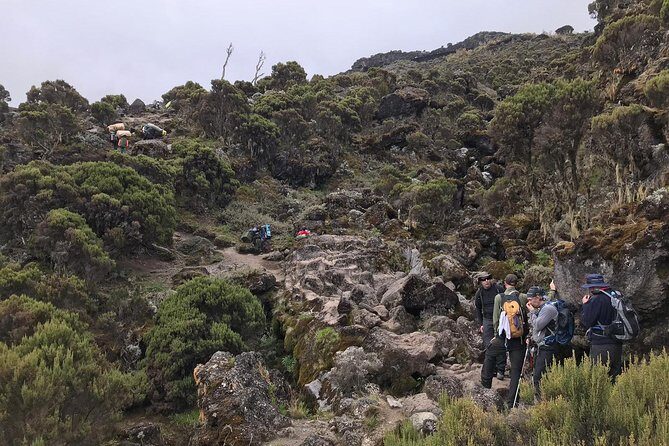
This climb builds through terrain changes that affect your energy. You’ll feel it in your breathing as you go from forest to moorland to alpine desert.
Day 2: Machame Camp to Shira Cave Camp
Day 2 is where the route starts to change character. You leave the rain forest glades and hike into moorland. The trail climbs along a steep rocky ridge with heather before it turns toward camp.
Elevation goes from about 9,400 ft to 12,500 ft, with a shorter distance listed at 5 km and 4–6 hours. That shorter distance can feel tempting, but the altitude shift is still meaningful. The tour includes breakfast, lunch, and dinner, and you’ll get your overnight at Shira camp, which helps you settle into the next day.
If you’re prone to rushing on day two because you feel better physically, don’t. This is a day for controlled effort.
Day 3: Shira Cave Camp to Lava Tower to Barranco Camp
Day 3 is the one you’ll remember for the “wow” factor. After rising from the Shira Plateau region and heading toward the peak of Kibo, the route swings toward Lava Tower, also called the Shark’s Tooth. You’ll also pass junctions that connect toward higher areas (the route description notes the Arrow Glacier altitude reference).
Then comes the payoff: a scramble up Lava Tower and broad views, followed by a descent down to Barranco Camp.
You’re listed at about 12,500 ft to 13,000 ft for the day, but the terrain is still tough because Lava Tower is technical. Expect your thighs to work on stairs, rocks, and uneven footing. This day is often a morale boost because you’re doing something more adventurous than steady walking.
Day 4: Barranco Camp to Karanga Camp
Day 4 is a “work but recover” kind of day. You hike from Barranco into Karanga Valley and spend time crossing that alpine terrain zone.
The climb is modest by numbers—listed around 13,000 ft to 13,100 ft over 5 km—but the route includes a steep trek up the eastern wall toward an area just below the Heim Glacier and then an exit through the Great Barranco Wall. That means your legs still get a workout.
The tour calls this a short day meant for acclimatization. You’ll feel that your body needs this. Even when the distance looks light, the altitude makes it heavier.
Day 5: Karanga Camp to Barafu Camp (Final Prep for Summit Day)
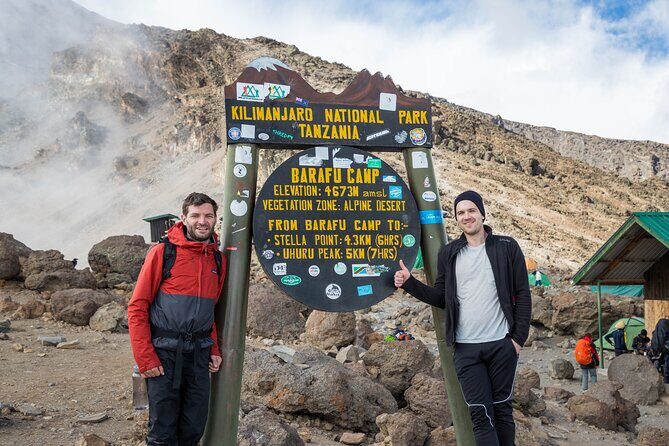
Day 5 is short and intentional. You move from Karanga to Barafu Camp, with elevation jumping from about 13,100 ft to 15,300 ft over only 4 km and roughly 3–4 hours.
The description notes this point as completing the South Circuit and mentions summit views from many angles. Practically, this is your “set up the summit day” day: camp, rest, and prepare.
This is also a moment where you’ll likely see Mawenzi and Kibo from Barafu. Even if you’re not a photography person, it helps to orient your mind. You’ll have a clear target ahead, and it makes the coming hours less abstract.
Day 6: Barafu Camp to Summit to Mweka Camp
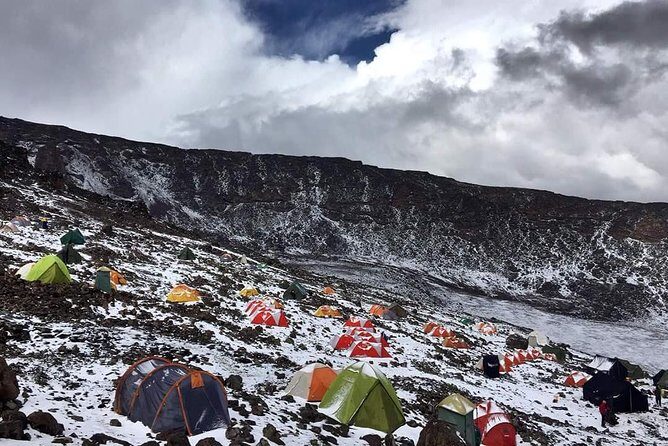
This is the big one. The plan calls for leaving early in the morning between midnight and 2:00 am. You hike toward the peak between the Rebmann and Ratzel glaciers and head northwest over steep scree toward Stella Point.
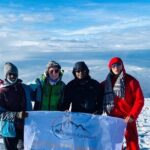
Stella Point is listed at 18,600 ft, and the tour description says you’ll have a break there, rewarded with the most spectacular sunrise if weather permits. From Stella Point, it’s about a one-hour ascent to the summit, reaching Uhuru Peak.
Then you descend to Mweka Camp. The guide’s pacing matters here. Summit night is where you’ll discover whether you can slow down enough to keep breathing steady. It’s described as the hardest physical and mental part of the hike—and that’s exactly right. The altitude makes your thoughts louder. Your best tool is rhythm.
Plan for cold. The tour doesn’t promise weather, and at this height it’s rarely warm in any comfortable way.
Summit Day Reality Check: Start Time, Sunrise, and the Stella Point Pause
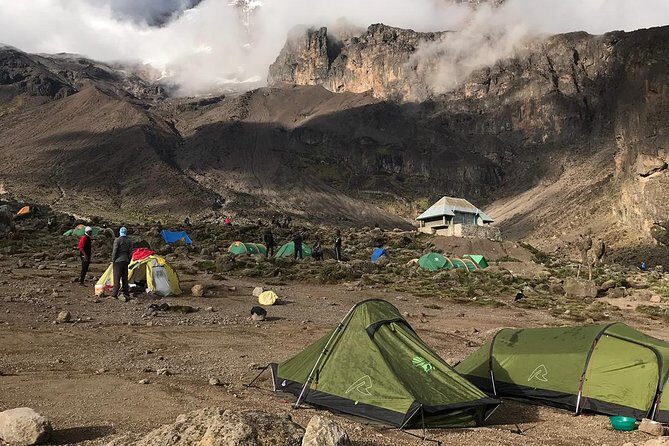
The summit section is very specific: a steep, high-altitude scree route, a Stella Point break, then the final push. That structure is helpful because it gives you checkpoints when everything feels hard.
Here’s the practical side: you’ll likely be tired before the technical climb even begins. That’s why the tour’s early start matters. Without it, you might miss that summit window and the light that makes the world clearer.
And here’s the second practical side: the sunrise reward only happens if weather permits. You should expect the possibility of clouds or limited visibility. That doesn’t ruin the day—it just changes what you see. The mountain will still do the same job: it forces focus, patience, and good pacing.
Camps, Meals, and the Mountain Crew That Makes Group Hiking Work
This tour includes meals (breakfast, lunch, dinner) during trekking and lodging at camps. That’s not a small detail. On Kilimanjaro, the energy equation is real. When you’re switching ecosystems day by day and climbing higher, you need consistent fueling. You’ll also need somewhere stable to sleep without thinking about your next meal or how you’ll carry everything.
You’re also trekking with a guide and a supporting crew (porters and cook are implied through the tour’s camp structure). In past experiences tied to this operator, specific guides and crew names show up—people like Solomon and Mathew, plus mentions of helpers such as Emanuel, Justin, Pao, Edward, Elia, and others. You may not get the exact same team on your date, but the common theme is clear: this is set up for a smooth running camp and a guided climb.
I also appreciate that the tour includes a briefing and a trekking certificate. You’ll want the certificate because it gives your effort a neat ending, especially after you finish with the final certificate handoff on Day 7.
The Final Descent: Mweka Camp to Moshi (Day 7)
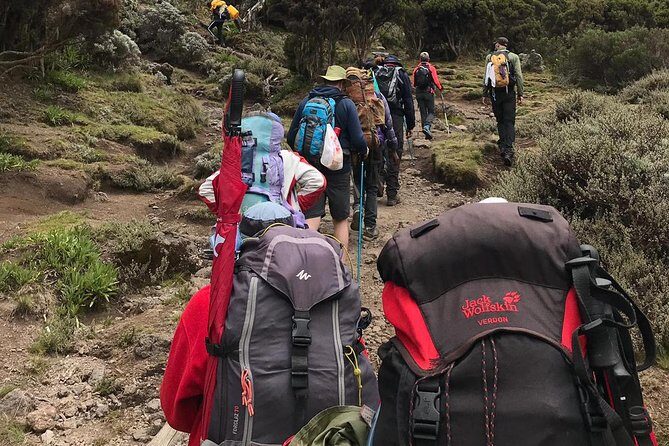
Day 7 is a relief day, but it’s not an easy one. You’ll descend from Mweka Camp to the Mweka Park Gate for summit certificates, then continue another hour to Mweka Village. A vehicle meets you there to drive back to your hotel in Moshi.
The listed altitude is about 10,000 ft down to 5,400 ft, with about 10 km and 4–5 hours hiking time. The tour warns that at lower elevations it can be wet and muddy, so your footing still matters. Pack your rain layer mindset. Your knees will also feel it if you walk too fast.
The tour’s day 7 packing note is useful:
- Shorts and t-shirts are likely enough for lower-elevation comfort
- Still keep rain gear and warmer clothing handy
- Gaiters and trekking poles help on the muddy sections
This day is where you earn your relaxed feeling. Don’t rush it.
Price and Logistics: Is $1,200 Good Value Here?
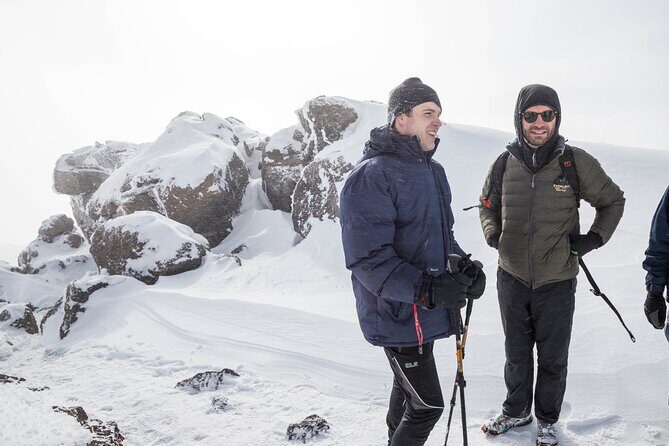
At $1,200 per person, this Machame-based week is priced like a mid-range guided climb package. It also has a clear structure: group hiking, guide support, camp lodging, and most daily meals included. That’s the big value part.
But don’t miss what’s not included:
- All Mount Kilimanjaro park fees
- Tips to mountain crew
- Personal hiking gears
- Hotel accommodations costs (outside the trekking camps)
There’s also no mention of airport pickup/drop-off, only Moshi pickup and drop-off tied to your booked hotel in Moshi town. So if you’re flying in and out, you’ll want to plan your transfers separately.
My take: the total cost can move up from the headline price, mostly because park fees and gear are unavoidable. Still, what you’re paying for is a working system—people who manage the camps, feeding, guiding, and moving you through the route safely enough that you can focus on walking and acclimatizing.
If you’ve already got solid shoes and layers, and you budget for park fees and crew tips, the package feels more like good value than like a bargain that cuts corners.
Who Should Book This Machame Group Tour (and Who Should Rethink It)
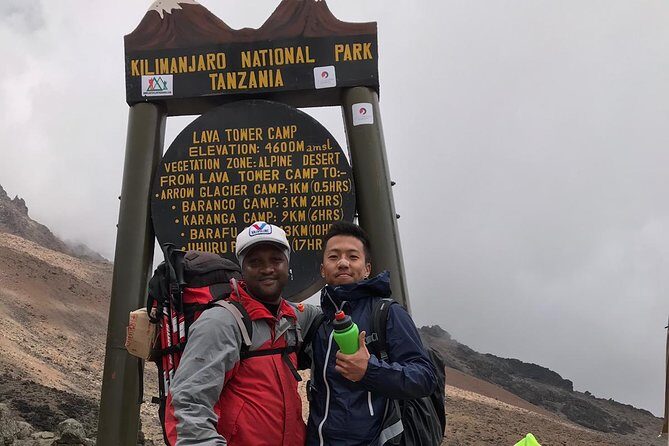
This is a good fit if:
- You want a structured 7-day climb with camp logistics handled
- You’re comfortable hiking many hours a day and managing altitude effort
- You prefer the steadiness of a group trek with other experienced climbers
- You’d like a route known for varied scenery, including Lava Tower
It may not be the best fit if:
- You want a short or gentle route (this one is difficult by design)
- You’re not ready for a midnight to 2:00 am summit start and cold conditions
- You’re counting on the listed price to cover everything (park fees and tips are not included)
Also, the tour notes “moderate physical fitness level” and “advanced hikers” together. That combination usually means you should be ready to hike steadily for several hours but still plan for difficulty. If you’re unsure, choose training with long walks and altitude-appropriate pacing, then ask the operator questions before you go.
Should You Book This 7-Day Kilimanjaro Machame Climb?
I’d book it if you want a classic Kilimanjaro experience that’s organized enough to let you focus on the hike—especially the Machame route’s big moments, like the Lava Tower scramble and the summit sunrise plan from Stella Point. The included meals and camp lodging make it feel practical, not improvised, and the Moshi pickup helps reduce Day 1 stress.
I wouldn’t book it if your budget can’t handle park fees, tips, and personal gear, or if you strongly prefer a daytime summit schedule. Summit night is non-negotiable here, and weather is a factor.
If you’re the type who likes a real challenge with a clear plan, this is a strong Machame option.
FAQ
How long is the Kilimanjaro climb on the Machame route?
It’s a 7-day trek, starting at Machame Gate and ending back in Moshi after the Mweka descent and certificate collection.
What does the $1,200 price include?
The package includes breakfast, lunch, and dinner during the trekking, hotel pickup in Moshi to Machame Gate, drop-off back to your Moshi hotel from Mweka gate, a briefing, and a trekking certificate.
Are meals and camp lodging included?
Yes. You’ll have meals during the trek and lodging at camps along the route.
What is not included in the tour price?
Not included are all Mount Kilimanjaro park fees, tips to the mountain crew, flight costs, hotel accommodations costs, and personal hiking gear.
Do I get pickup and drop-off in Moshi?
Yes. You get pickup from your booked hotel in Moshi town to Machame Gate, and a vehicle drop-off back to your Moshi hotel after you finish at Mweka gate.
When do you start the summit attempt?
You start the summit push early, between midnight and 2:00 am, reaching Stella Point before the final climb to Uhuru Peak.
Is free cancellation available?
Yes. You can cancel for a full refund if you cancel at least 24 hours before the experience start time.