REVIEW · MOSHI
Kilimanjaro Trek 6 Days Marangu Route
Book on Viator →Operated by Kilitwende Adventures · Bookable on Viator
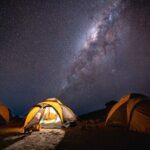
Night climbs on Kilimanjaro feel unreal. I like how this Marangu Route keeps things practical with shared hut sleeping (no tent setup) and how the whole operation runs with porters, cook, and expert guides taking care of the heavy logistics. The main thing to consider is the big physical ask on summit night, with a cold, rocky start just before midnight that demands patience and good acclimatization.
I also like the “comfort math” here: you’re not burdened with carrying a tent system, and you’re supported with three meals a day during the climb plus hotel nights before and after. On top of that, each camp has small conveniences you can buy on-site (mineral water, soft drinks, chocolates, and even beer), which helps when you’re tired and cold.
If you’re the type who gets nervous about the altitude, you’ll want to pay attention to the optional extra day for acclimatization. It can make a difference, and it’s often the smartest way to protect your summit chances without changing the route style.
In This Review
- Key Points You’ll Care About
- Marangu Route in Plain English: Shared Huts and Less Gear Stress
- Price and What You Actually Get for $1,846.16
- What Moshi Day-One Looks Like: Pickup, Briefing, and Registration
- Day 1 in the Montane Forest: Marangu Gate to First Camp
- Day 2 to Horombo Hut: Moorland Climb and the Maundi Crater Rim Detour
- Day 3 Into Alpine Desert: The Saddle Choice and Smart Water Planning
- Summit Night on Day 4: Hans Meyer Cave to Gillman’s Point
- Day 5 Descent and Certificates: Marangu Gate Finish
- The Crew System That Makes This Route Work
- Comfort vs Acclimatization: Should You Add the Extra Day?
- Who This Trek Fits Best (and Who Might Prefer Something Else)
- Should You Book Kilitwende’s 5-Day Marangu Climb?
- FAQ
- How long is the Kilimanjaro trek on the Marangu Route?
- What time does the trek start?
- Is pickup included?
- What kind of accommodations do you use on the mountain?
- Are meals included?
- Is emergency oxygen provided?
- Can I extend the trek for acclimatization?
- Is the tour private?
- What equipment costs are not included?
- What is the cancellation policy?
Key Points You’ll Care About
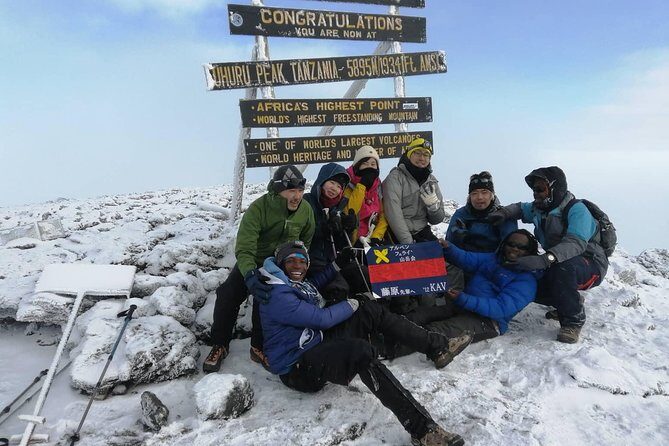
- Shared huts on Marangu mean less gear stress than tent camping
- Expert Tanzanian crew handles meals, portering, and mountain support
- Midnight summit day is the hardest part, so pacing and acclimatization matter
- Maundi Crater rim detour gives you a serious photo moment if the weather’s clear
- Summit certificates award different colors based on where you reach
- Emergency oxygen tank is included for added safety planning
Marangu Route in Plain English: Shared Huts and Less Gear Stress
The Marangu Route is famous for one big reason: you sleep in shared huts. That single choice changes your whole climb experience. Instead of spending energy on tent tasks (and hauling that gear), you can focus on breathing, walking, and resting.
Hut routes also tend to feel more predictable day to day. You know you’ll reach a camp with a proper place to sleep, and that steady rhythm helps when the altitude starts to mess with your appetite and mood.
One tradeoff: shared huts mean you’re not getting solitude the way some private camping setups can feel. You’ll still have your own space to rest, but expect a more communal mountain vibe.
You can also read our reviews of more hiking tours in Moshi
Price and What You Actually Get for $1,846.16
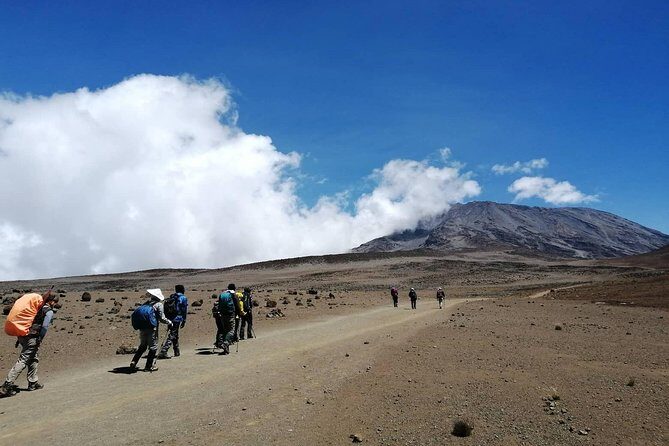
At $1,846.16 per person, this is not a budget stroll. But the price isn’t just “a guide to the mountain.” It includes a full support package built around Kilimanjaro logistics.
Here’s what’s included: hotel accommodation (one night before and one night after the trek), expert guides, cook, assistant guides, and porters, plus park entry fees and hut fees (including rescue fees and VAT on the tour services). You also get transfers to and from the mountain gates, and the climb includes three meals a day.
Safety planning matters too. The tour includes an oxygen tank in case of emergency. That doesn’t replace good acclimatization, but it does give you a real safety net for worst-case moments.
What’s not included is also important for value math. Your personal gear (sleeping bag, boots, walking sticks, duffle bag) is not included, and neither are tips. If you need rentals, that can add cost fast, so plan for it early.
What Moshi Day-One Looks Like: Pickup, Briefing, and Registration
You’ll start with a briefing at the beginning of the climb day, then you’ll transfer to the Marangu gate. Your start time is 8:30 am, and the drive to the gate takes about 45 minutes, arriving around 9:00 am.
At the gate, you’ll complete the normal registration formalities for climbing Kilimanjaro. Bring the kind of backpack you can comfortably carry for day trekking items. You’ll likely want easy-to-reach essentials like your camera, extra clothing, skin oil, and a rain jacket.
One practical upside: this tour offers a pickup option and includes transfers to the gates. That matters on Kilimanjaro because day-of timing is everything—you don’t want to be negotiating transport while you’re mentally preparing for altitude.
Day 1 in the Montane Forest: Marangu Gate to First Camp
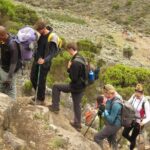
On the first hiking day, you’re looking at about 5 hours of hiking over roughly 12 km, with around +720 m elevation gain. The habitat is montane forest, which usually means you’ll feel cooler and more sheltered than higher zones.
This is a “settle in” day. You’re building rhythm, learning your pace, and getting your legs ready for the altitude curve. You’ll want to stay steady rather than push for speed, especially because Kilimanjaro punishes overconfidence with fatigue and headaches later.
If you’re someone who likes photos, this is a nice day to start your camera habits. Forest sections can be great for those early, green views, and you’ll be in a mindset where you can still enjoy the walking.
Day 2 to Horombo Hut: Moorland Climb and the Maundi Crater Rim Detour
Day two steps you up into moorland. You’ll hike around 6 hours covering about 15 km with roughly +1020 m gain.
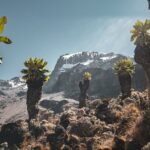
The route leaves the forest and becomes more open. It also passes around the base of the Maundi Crater before entering moorland, and that’s where the day’s “big moment” can happen: a short detour to the rim of the Maundi Crater.
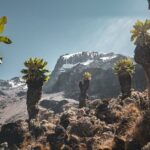
From the rim, you can often see Kibo Crater, and on a clear day you may even spot the glaciers of Kibo. If the weather is good, this is one of the most rewarding stretches for photos, because you’re looking across the volcanic bowl effect that makes Kilimanjaro famous.
Lunch is taken as a picnic while you’re out on the route. In practice, this helps you keep moving without trying to hunt for food at altitude.
A few more Moshi tours and experiences worth a look
Day 3 Into Alpine Desert: The Saddle Choice and Smart Water Planning
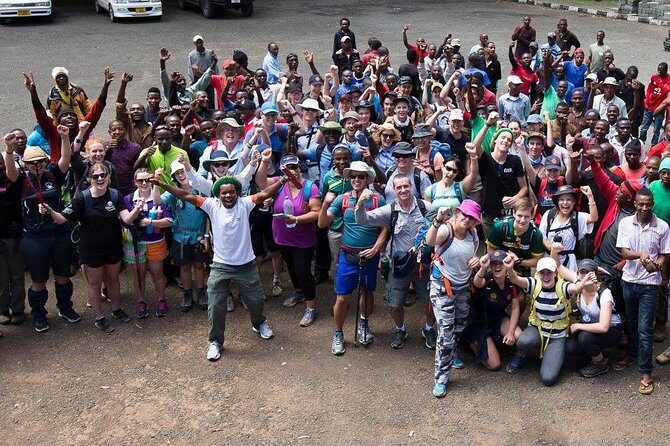
By day three, you’re hiking into alpine desert and dealing with thinner air. The hike is again about 6 hours and roughly 15 km, with around +980 m gain.
This day is about altitude management. Oxygen feels thinner, your breathing changes, and your pace may need to slow down even if your legs feel okay. The tour’s guidance encourages that style of effort: take it slowly and drink enough water.
You’ll also choose between two trails to the Saddle, positioned between the peaks of Mawenzi and Kibo. The lower route is described as easier, and it also takes you past the last watering point.
That last part is crucial. You’re advised to stock up with the water you’ll need because the next watering point is at Horombo Hut when you return on the descent the night after next. If you’ve ever made the mistake of sipping “just enough,” this is the day to fix that habit.
Summit Night on Day 4: Hans Meyer Cave to Gillman’s Point
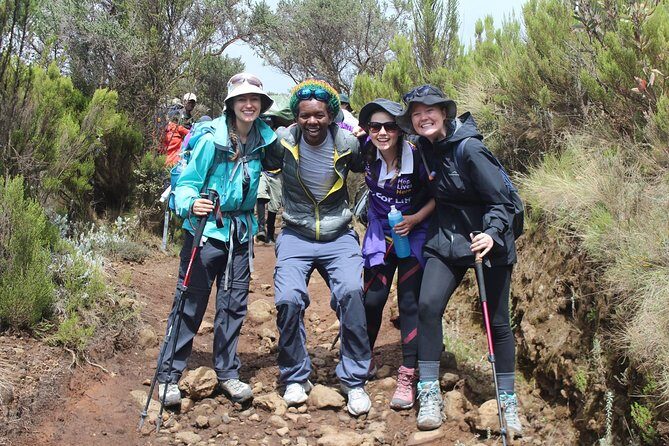
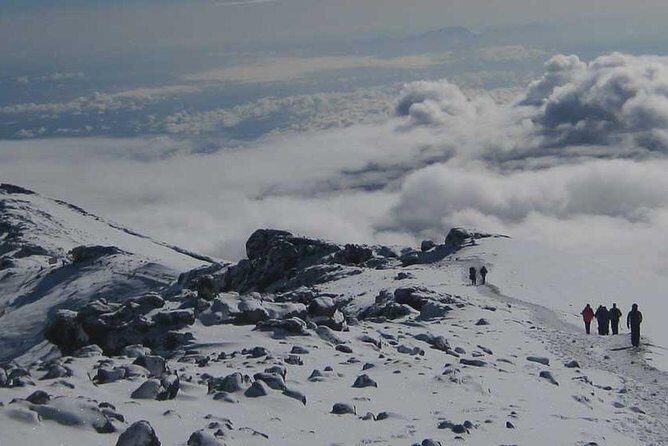
If you only remember one day from this trek, it’s day four. It’s your toughest day at about 10 hours of hiking, roughly 27 km, with a net change of +1195 m / -2175 m. You’re also moving through stone scree and heading toward ice-capped summit terrain.
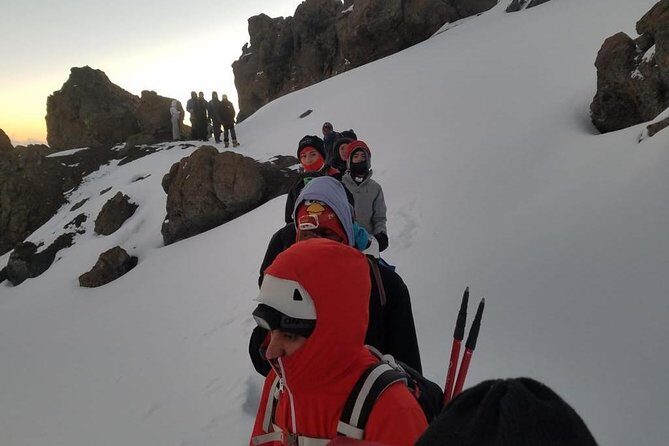
You’ll be woken just before midnight and start hiking in a cold night. The path climbs toward Hans Meyer Cave at 5150 meters, with the option for a short rest there before continuing.
Then you continue up to Gillman’s Point at 5680 meters. The description here is clear: this section is steep, stony, and probably the most demanding of the route. The advice is also straightforward—go slowly and carefully.
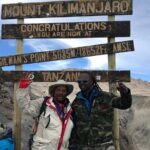
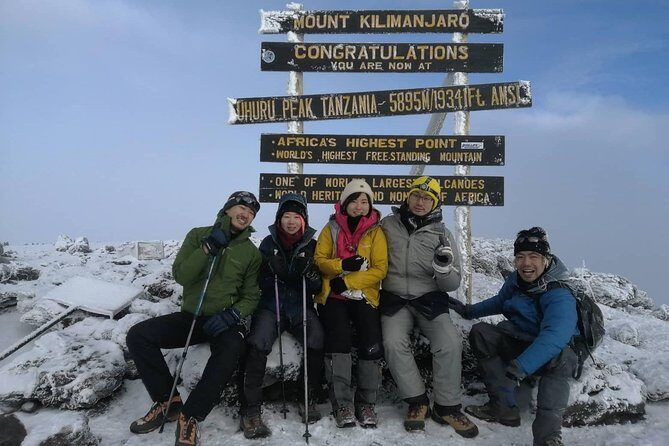
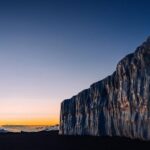
As you keep climbing, you may walk through snow for the next two hours, and then you reach Uhuru Peak. The total effort is huge, but the structure helps: you’re not making decisions alone at the worst moments. Your guide support and pacing choices become the difference between feeling overwhelmed and feeling controlled.
A personal-sanity note: on summit night, you don’t need to be heroic. You need to be consistent—short steps, steady breathing, and no big speed surges.
Day 5 Descent and Certificates: Marangu Gate Finish
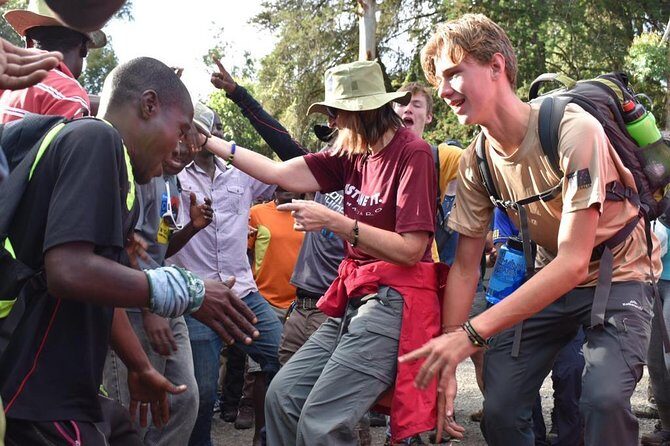
Day five is a recovery day in the right sense of the word. You hike about 6 hours downhill over roughly 27 km, with around -1740 m elevation change. The route moves from moorland toward rain forest as you descend.
After breakfast, you continue down past Mandara Hut to Marangu gate. When you reach the gate, you sign your name and details in a register. Then you get your summit certificate, which is tied to where you reached.
Here’s the certificate detail that’s worth remembering: if you reached Gillman’s Point you receive a green certificate. If you made it all the way to Uhuru Peak, you earn a gold certificate. Either way, it’s official recognition of what you actually did on summit day.
Afterward, you take a road transfer back to your hotel. You’ll likely want the classic post-trek reward: a long hot shower, a relaxed drink, and a real night’s sleep in a bed.
The Crew System That Makes This Route Work
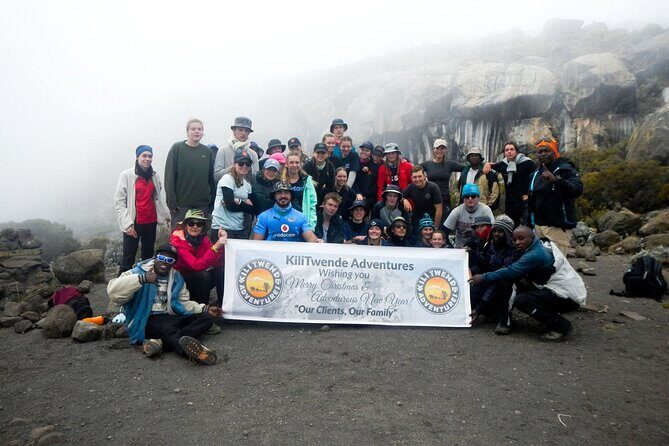
This trek is built around a support team, not just a guide with a whistle. You’ll travel with expert guides, a cook, assistant guides, and porters who handle equipment and supplies so your climb effort stays focused on walking at altitude.
Meals are scheduled with the climb in mind: the tour includes three meals a day during the climb. On mountain days, that kind of reliability keeps energy intake from becoming an afterthought when you’re cold or low on appetite.
I also appreciate the small “on-camp” buying option described for the route. Having access to mineral water, soft drinks, chocolates, and beer for purchase can help you feel more human when conditions are demanding.
From real-world experience patterns on Kilimanjaro, the strongest operators don’t just promise logistics—they deliver them. One climb experience with guides Robert and Donovan highlighted how much motivation and practical support you can get from your guiding team during a long summit push.
Comfort vs Acclimatization: Should You Add the Extra Day?
This tour includes a 5-day climb option, and there’s an add-on: you can extend to 6 days for acclimatization. The route style here is built for convenience, but altitude doesn’t care about comfort.
So when should you consider the extra day? If you’re nervous about breathing, if you’re not a frequent hiker, or if you tend to feel drained at elevation, adding time is often the smartest way to improve how your body handles the climb.
The tradeoff is obvious: you’ll spend another night in the mountain routine, and you’ll pay more. But the payoff is less stress during the most altitude-sensitive days, especially around the step into higher zones and the summit-night effort.
Who This Trek Fits Best (and Who Might Prefer Something Else)
This is a strong match if you want Kilimanjaro without the tent-carrying burden. Shared huts also fit travelers who prefer predictable overnight stops and a simpler packing plan.
It’s also a good fit if you like being part of a private group. This is described as a private tour/activity, meaning only your group participates, not a mixed herd experience.
If you’re an ultra-hiker who loves self-sufficiency and maximum privacy, this hut style may not feel as “adventurous” as camping routes. And if you’re sensitive to long, cold nights, the midnight start on summit day is something to respect from day one.
Should You Book Kilitwende’s 5-Day Marangu Climb?
I’d book this trek if you want a well-supported Kilimanjaro climb with shared hut comfort, real crew structure, and clear summit-day pacing. The inclusion of guides, cook, porters, meals, park and hut fees, transfers, and emergency oxygen is a lot of value wrapped into one package.
I’d think twice or plan smarter if your budget depends on cheap gear. Sleeping bag, boots, and other essentials are not included, and rentals can add cost. Also, the summit day is intense, so if you’re on the edge physically, seriously consider the option to add an acclimatization day.
If you want Kilimanjaro that feels organized, human, and focused on getting you up safely, this Marangu setup is a practical choice.
FAQ
How long is the Kilimanjaro trek on the Marangu Route?
The experience is listed as 5 days (approx.). Hiking times vary by day, with the longest day being the summit push at about 10 hours.
What time does the trek start?
The start time is 8:30 am.
Is pickup included?
Pickup is offered, and the experience also includes transfers to and from the mountain gates.
What kind of accommodations do you use on the mountain?
You use shared hut accommodations on the Marangu Route, so there’s no tent setup required on the route.
Are meals included?
Yes. Three meals a day are included during the climb.
Is emergency oxygen provided?
Yes. An oxygen tank is included in case of emergency.
Can I extend the trek for acclimatization?
Yes. There is an option to add an extra day for acclimatization, which creates a 6-day itinerary.
Is the tour private?
Yes. This is a private tour/activity, and only your group participates.
What equipment costs are not included?
Personal gear and equipment are not included. The tour notes that you can rent missing gear in Moshi, and lists examples like a sleeping bag, duffle bag, hiking boots, and walking sticks as items that cost extra if needed.
What is the cancellation policy?
You can cancel for free. You must cancel at least 24 hours in advance for a full refund. Canceling less than 24 hours before the start time means the amount paid is not refunded.