REVIEW · MOSHI
Kilimanjaro climb, Rongai Route (6-day)
Book on Viator →Operated by Altezza Travel · Bookable on Viator
A trek to Africa’s highest point feels bigger than a vacation, and the Rongai Route adds a calmer, wilder tone to it. You start near the northern entrance and work up through forest, moorland, and rocky semidesert toward the Uhuru Peak finish. What I like most is the way Altezza folds logistics into the trip—tents, meals, permits, airport transfers—and then puts experienced staff close to you for real altitude support.
Two more things I really appreciate: the on-mountain care includes oxygen tanks and oximeters, and the guides are certified Wilderness First Responder. As for a drawback, this itinerary is shorter than many Kilimanjaro climbs, so if you’re not already a regular hiker, the altitude will punish sloppy pacing and skipping the acclimatization steps.
In This Review
- Key things to know before you climb Rongai
- Why Rongai Feels Different on Kilimanjaro
- Price and Logistics: What $3,064 Really Buys
- Your Start in Moshi: JRO Arrival and the Aishi Machame Base
- Day 1 to Camp Rhythm: Moving from Hotel Comfort to Nalemuru Gate
- Days 2–3: Simba Camp to Kikilewa and Kibo Volcano Views
- Day 4 Mawenzi Tarn Camp: The Acclimatization Hike That Saves Summits
- Day 5 and Summit Night: School Hut Camp and the Uhuru Peak Push
- Day 7 to Day 8: Descending to Marangu Gate and Hotel Reset
- Your Crew and the Safety Net: Guides, Porters, and Medical Support
- How Fit You Need to Be (and Why Pacing Beats Grit)
- Should You Book Altezza’s 6-Day Rongai Climb?
- FAQ
- Is the Rongai climb 6 days or 8 days?
- Where do you start on the mountain?
- Do you get airport transfers?
- What’s included for meals and drinks?
- What kind of tent setup should I expect?
- Is summit night guided?
- Do they provide medical and altitude support?
Key things to know before you climb Rongai
- Rongai’s calmer feel: a route described as one of the least traveled options, often giving you a more intimate wilderness experience.
- Proper safety gear included: oxygen tanks, oximeters, medical kits, and medical check-ups are part of the package.
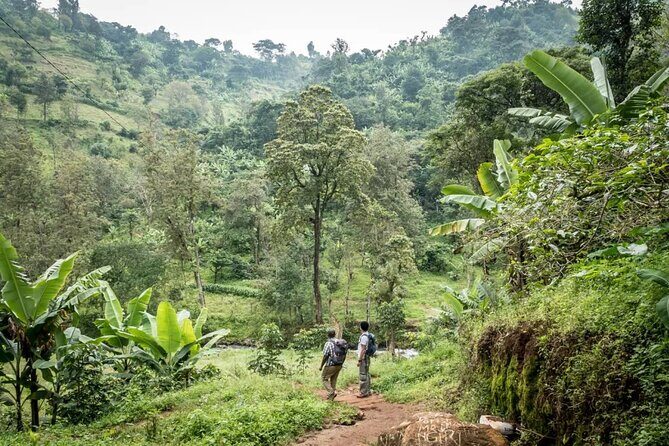
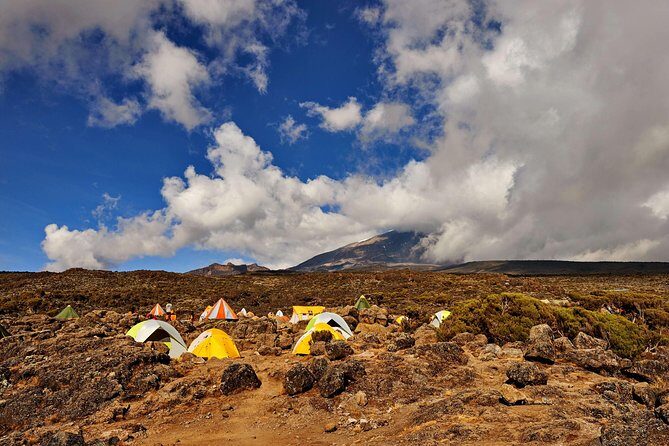
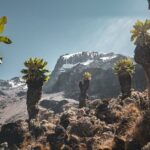
- Forest to semidesert changes fast: your footing and views shift day by day, from conifer forest to rocky high-altitude terrain.
- Serious acclimatization day: a planned easy hike on Day 4 with a 200-meter gain is there for a reason, not for fun.
- Summit night is guided closely: each pair is accompanied by their own guide monitoring stamina and mindset.
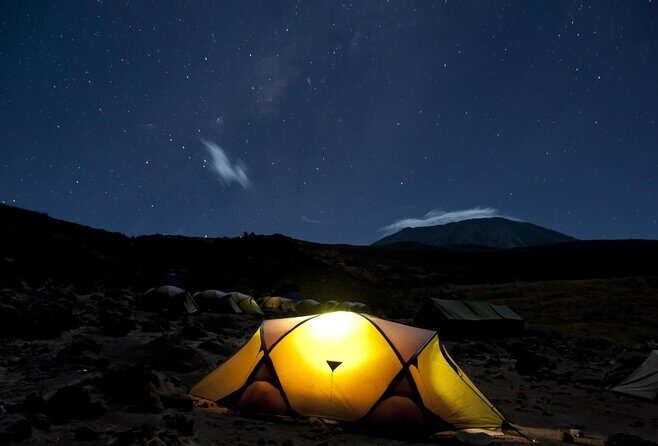
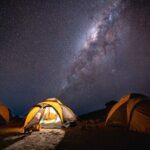
- All-in tent setup: North Face VE-25 tents, plus group dining setup and porters to carry your gear.
Why Rongai Feels Different on Kilimanjaro
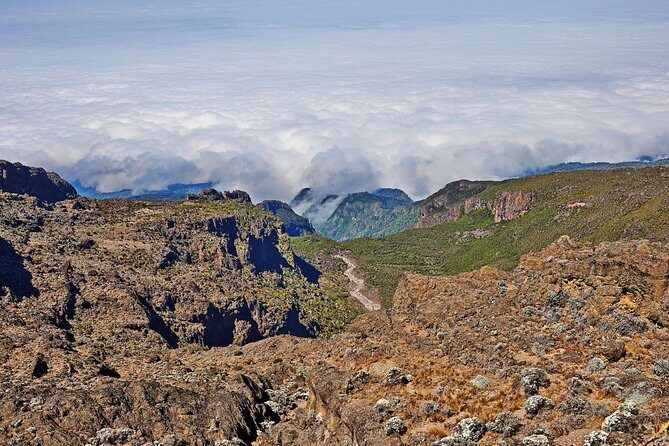
Kilimanjaro gets busy. Rongai is different. It approaches from the north side near Kenya’s direction, and the vibe tends to be quieter and more wilderness-y. In plain terms, you trade some of the classic crowd energy for a more “deep breath, go slow, notice things” climb.
You still get the big-ticket milestones: high-altitude camps, serious night trekking, and a summit that makes the rest feel like training. What’s especially compelling on Rongai is how the route builds from ecosystems to altitude mood swings. Day by day, you’ll move through forest, then into higher zones where everything feels drier and sharper. That helps you understand what altitude is doing to the air long before summit night.
One thing I’d watch: this is designed for regular hikers and is described as especially good if you have a tough schedule. That can be a great fit, but it also means you can’t treat acclimatization as optional.
A few more Moshi tours and experiences worth a look
Price and Logistics: What $3,064 Really Buys
At $3,064 per person, you’re paying for a lot more than a guide and a place to sleep. The package includes:
- Airport transfers (JRO pick-up and drop-off)
- Two hotel nights in the foothills (Aishi Machame Hotel)
- All fees collected by Kilimanjaro National Park
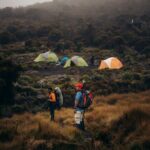
- Tents and group camping gear, including branded items like dining setup and sleeping pads
- Three meals a day on the mountain with options for multiple diets
- Drinks while hiking (tea, coffee, juices, soda, etc.)
- Medical check-ups, medical kits, oxygen tanks and oximeters
- Certified Wilderness First Responder guides plus a professional crew (porters, camp masters, cooks)
So where does that value show up? In less decision fatigue. You don’t spend energy hunting permits, organizing transport, or piecing together camp systems. You also get a real safety structure for altitude situations, not just goodwill.
What’s not included is important, too. Your visa is on you, and you should bring mountaineering insurance since it’s trekking up to about 6,000 m. Also, you’ll need your own personal hiking gear (boots, sleeping bag, and so on), even if hiring options are available.
Your Start in Moshi: JRO Arrival and the Aishi Machame Base
Your trip begins in Moshi, after you land at Kilimanjaro International Airport (JRO). An Altezza representative meets you, and you’re transferred to a cozy foothills hotel. Check-in starts at 2:00 PM, and the hotel includes the basics that matter after a travel day: comfortable rooms, hot water, staff who are ready to help, plus a pool and internet access.
That “pre-climb” day isn’t just idle time. In the evening, you get a briefing with the managers. The goal is simple: get your questions answered while you’re still in flat-land comfort. You also want to set up your mindset for what’s coming—sleep, hydration, and pace are all part of summiting, not just the sunrise scramble.
You’ll stay here again after the climb. Hotel check-out is 11:00 AM, with an option to extend for an evening flight for an extra fee.
Day 1 to Camp Rhythm: Moving from Hotel Comfort to Nalemuru Gate
Day 2 is your first big shift: vehicle transfer to Nalemuru Gate (2,020 m) in Kilimanjaro National Park’s north entrance area. Permits and registration with the search and rescue service happen early. Then the trek starts toward Simba Camp (2,625 m).
This day is described as a moderate trek. The best approach is also the least glamorous one: don’t sprint. You move through conifer forest on Kilimanjaro’s northern slope, and your job is to settle into a pace you can repeat for days.
Why this matters: Day 2 sets your acclimatization pattern. If you charge forward early, you pay later, usually during the higher-altitude camps where the air feels thinner even if your body looks fine at first. You’ll likely feel the altitude more on later days, but your pacing habits start here.
Days 2–3: Simba Camp to Kikilewa and Kibo Volcano Views
The next morning starts at Simba Camp. You trek toward Kikilewa Camp (3,630 m), and the day ramps up in physical demand compared to Day 2. The payoff is one of the route’s high points: you can see Kibo Volcano at its finest, assuming cloud conditions cooperate.
Kikilewa is high enough that “moderate” doesn’t mean easy. You’ll feel the effort in your breathing, not just your legs. Once you reach camp, the advice is to rest fully. That’s not fluff. Altitude adapts during rest, and the best summit night is the one you approach with energy still in the tank.
A practical tip: this is when you manage your hands and hydration. At higher elevations, you lose moisture faster and your body is less forgiving. If you start strong and then try to catch up later, the numbers don’t work in your favor.
Day 4 Mawenzi Tarn Camp: The Acclimatization Hike That Saves Summits
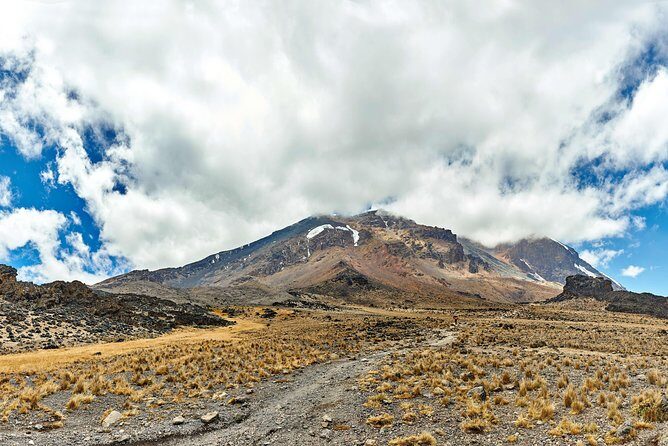
On Day 4, you head to Mawenzi Tarn Camp at the foot of Mawenzi Volcano, Kilimanjaro’s second summit area. After reaching camp, you lunch and take a two-hour rest. Then comes the acclimatization hike.
This is the smartest part of your schedule: an easy trek with about a 200-meter gain toward Mawenzi Volcano, then you hike back down to camp. It’s designed to speed acclimatization, and the trip strongly emphasizes treating it seriously.
Here’s why you should buy into that: many summit failures are about altitude handling, not raw athleticism. This hike is a controlled way to help your body adjust. If you skip it, you might feel fine during the hike, then struggle later when the altitude gets much tougher.
After dinner, you sleep in your tent and keep everything easy. No hero moves. You want to arrive at the next camp with strength and calm.
Day 5 and Summit Night: School Hut Camp and the Uhuru Peak Push
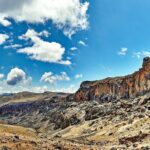
Day 5 takes you to School Hut Camp (4,715 m). The terrain shifts noticeably into rocky semidesert. The trekking itself is not described as the hardest, but you still need to keep a steady pace. At this altitude, the challenge isn’t just the trail—it’s the air.
Once you reach School Hut Camp, the instructions are clear: sleep well, avoid strenuous activity, and drink as much as you can. Then you prepare for the night climb.
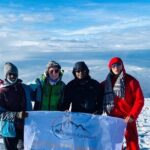
That night is your summit attempt: you depart School Hut Camp for Uhuru Peak (5,895 m). It’s described as moderate physically, but altitude becomes the real issue. For the entire summit trek, each pair of climbers is accompanied by a dedicated guide who monitors stamina and mental resolve.
That guide support matters because summit night isn’t only physical. It’s also how you handle dread, numb fingers, and the slow realization that every step is smaller than you expected. Having someone tracking your condition helps you avoid the common pattern: pushing too hard too early and getting weaker instead of stronger.
After you reach Uhuru Peak, you can descend to the nearest glacier if you want. Then you return to Kibo Camp, rest for about two hours, and continue your descent to Horombo Camp (3,720 m).
Day 7 to Day 8: Descending to Marangu Gate and Hotel Reset
You’ll start Day 7 with breakfast in the morning, then trek to the exit at Marangu Gate (1,860 m). This is the day you feel your body start to believe you again. After descent, the whole group gathers to congratulate you. You’ll also sign a guestbook and receive commemorative certificates (in their office) and then transfer back to the hotel.
Day 8 is a reset day: rest at the hotel and then transfer to the airport. The hard part is done; now you’re just taking care of yourself after days of cold air, packed trails, and sleep that’s more “survive the night” than “recover fully.”
Your Crew and the Safety Net: Guides, Porters, and Medical Support
What makes this kind of climb work is not just the map. It’s the crew.
Altezza runs with professional mountain staff: porters, camp masters, and cooks. On paper, you’ll have a full support system. In real-life terms, that means you’re not hauling everything yourself. You carry what you need, while the crew handles the rest of the camp and equipment.
The medicine-and-safety side is also serious. You get oxygen tanks and oximeters, medical kits, and medical check-ups. Guides are certified Wilderness First Responder, which is exactly what you want at altitude where issues can turn fast.
As for the people: multiple name mentions show up in feedback, like Shabane, Kelvin, and Emmanuel; also Joseph; and guide leaders including Professor Gerald and DJ Adam. Others named include Peter, Richard, Stanford, Innocent, Emanuel, and Godfrey. You can’t guarantee which individuals will be assigned, but the consistency is the point: guides are repeatedly singled out for competence and safety focus.
One small human detail: people have talked about morale moments like birthday surprises. That’s not the main job of a mountain team, but it’s a nice reminder that you’re not just renting labor—you’re joining a working family for the climb.
How Fit You Need to Be (and Why Pacing Beats Grit)
This route is for moderate physical fitness and is described as recommended mostly to regular hikers. If you’ve done high-altitude hikes before, acclimatization should feel smoother.
The key is that summit night doesn’t require you to be the strongest. It requires you to be the most consistent. You’ll get a built-in rhythm: moderate treks to higher camps, an acclimatization hike to help your body adjust, then a night push where your guide monitors you.
So if you’re thinking, I can power through anything—slow down. Kilimanjaro rewards patience. It punishes shortcuts. Your best strategy is to respect each rest stop and each camp. Also, don’t underestimate how much cold affects effort. Even when the trek feels “moderate,” you’ll feel it in your breathing and hands.
Should You Book Altezza’s 6-Day Rongai Climb?
If you want a Kilimanjaro trip that feels organized, safety-forward, and not overly complicated, I’d put this near the top of your shortlist. The value is strong because you’re not just buying a summit attempt—you’re buying a full climbing system: tents, meals, permits, transfers, medical support, and guide staffing.
Book this trip if:
- You’re a regular hiker who can handle altitude and steady pacing
- You want the less-traveled Rongai feel
- You care about safety tools like oxygen and oximeters being included
- You prefer an all-in structure so you can focus on effort and acclimatization
Think twice if:
- You hate controlled pacing and you’re tempted to rush to every view
- You’re newer to hiking or uncertain about high-altitude stamina
- You’re not planning for insurance coverage up to the trek’s height range
FAQ
Is the Rongai climb 6 days or 8 days?
The hiking portion is described as a 6-day Kilimanjaro Rongai adventure, while the overall trip includes additional pre- and post-climb accommodation in Moshi, making it about 8 days total.
Where do you start on the mountain?
You start at Kilimanjaro National Park’s northern entrance at Nalemuru Gate (2,020 m).
Do you get airport transfers?
Yes. JRO pick-up and drop-off are included.
What’s included for meals and drinks?
On Kilimanjaro, you get three meals a day with meal options for vegetarian, vegan, lactose-free, gluten-free, halal, and other plans. Drinks included include tea, coffee, juices, and soda.
What kind of tent setup should I expect?
You sleep in walk-in tents (North Face VE-25 mentioned) with group camping equipment like dining tent and sleeping pads. The typical setup is 2 hikers per tent, except for solo climbs.
Is summit night guided?
Yes. During the summit trekking, each pair of climbers is accompanied by their own guide who monitors stamina and mental resolve.
Do they provide medical and altitude support?
Yes. The trip includes medical check-ups, medical kits, and oxygen tanks and oximeters, and the guides are certified Wilderness First Responder.