REVIEW · ARUSHA
5 Days Tanzania Group Joining Safari, Tarangire/Serengeti/Ngorongoro Crater
Book on Viator →Operated by Avocet Tanzania Safaris · Bookable on Viator
Big animals, fast, in five days.
I like that this route packs in Tarangire and then gives you real time in Serengeti, not just a quick drive-by. I also like the practical rhythm of daily game drives with picnic lunch boxes, which keeps you from wasting precious daylight. The one thing to weigh is the long road time between parks, plus the fact that you’re sleeping in campsites on a budget—so you’ll want flexible comfort expectations.
This Northern Tanzania loop is built for first-timers who want the big sights: elephants and birds in Tarangire, predator territory in Serengeti, and the crater Big Five payoff at Ngorongoro. And the people side matters here; in the feedback I read, names like Bakari and Mike came up again and again for finding animals and keeping the trip calm and well-run. Still, you should be aware that the group feel can change day to day depending on how many people join.
In This Review
- Key highlights at a glance
- How the 5-day route makes sense (even if it feels packed)
- Day 1: Arusha to Tarangire National Park for elephants and a calmer feel
- Day 2: Tarangire to Serengeti for the predator-and-migration setup
- Day 3: A full Serengeti day where timing beats luck
- Day 4: Serengeti to Ngorongoro Crater rim for the crater day
- Day 5: Descend into Ngorongoro Crater for Big Five viewing
- Camping safari comfort: what you’re signing up for
- Food and day rhythm: simple meals that keep the schedule moving
- Price and value: $1,120 for three major parks and a full 5-day loop
- Guide and group dynamic: why names like Mike and Bakari keep showing up
- Practical notes you should plan for before you leave Arusha
- Who this safari fits best (and who should think twice)
- Should you book this 5-day camping safari?
- FAQ
- What’s the start time for this safari?
- Where does the safari begin and end?
- What parks are included in the 5 days?
- What kind of lodging is included?
- What meals are included?
- What isn’t included in the tour price?
- Do I need any documents for travel?
- Is there a luggage limit for domestic flights?
Key highlights at a glance
- Tarangire stays quieter than the main highway parks, so you often get more breathing room for elephants and birds
- Serengeti game driving is split across multiple days, which helps when animals move and patterns change
- Ngorongoro Crater gets you the classic East Africa Big Five setting for the steep, dramatic crater views
- Camping on a full-board basis with bottled water, snacks, and coffee/tea keeps costs down without leaving you hungry
- Your guide really drives the experience, with repeated praise for drivers like Mike, Bakari, Jonas, Nico, and Godfrey
How the 5-day route makes sense (even if it feels packed)
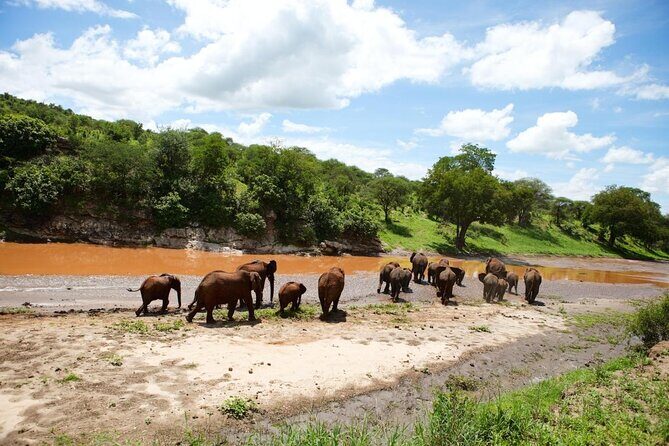
This is a classic Northern Circuit-style sprint, but it’s designed with smart pacing: arrive at Tarangire on Day 1, reach Serengeti by Day 2, then give you at least two full Serengeti days before the Ngorongoro descent. That matters because wildlife isn’t a vending machine. Patterns shift by time of day, weather, and where prey is moving. More time in one ecosystem usually beats trying to skim everything.
Also, the tour runs on a steady “find animals, eat simply, repeat” day structure. You’ll spend long days out in the bush, but the schedule is built around daylight game drives, not wandering in search of logistics.
One practical note: the trip is listed as a private activity, yet it’s clearly a group joining safari in practice. You may share the vehicle with others, and the group size can vary. In the feedback I saw, one traveler noted groups shifting from 4 people to 3 people and then up to 5 during the tour. So expect a shared vibe, not a totally empty ride.
A few more Arusha tours and experiences worth a look
Day 1: Arusha to Tarangire National Park for elephants and a calmer feel
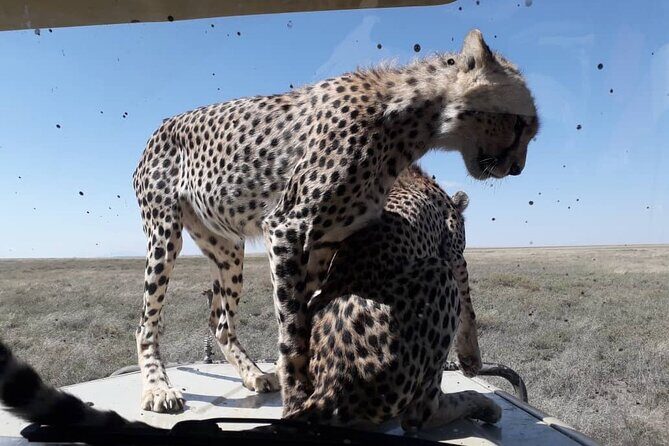
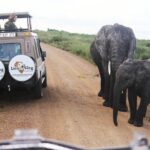
You start at 8:30 am with a drive from Arusha into Tarangire. The plan is to do game drives right away, with picnic lunch boxes during the day. Tarangire is often skipped by people who want the “faster-to-the-main” safari route, so I like that this tour prioritizes it early. You get a different vibe than Serengeti: more compact scenery, big herds, and lots of birds.
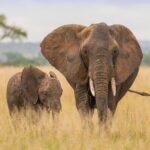
Tarangire’s standout is its reputation for elephant activity, plus birding. And because it’s described as slightly off the main safari route, it often feels less crowded. That translates into an easier day mentally—less stress about traffic, more time to watch.
Late afternoon, you leave Tarangire and head to Manyara for dinner and overnight at Kizumba Campsite (full board). It’s a budget camping stop, so don’t expect luxury, but you’re set up for the next big wildlife jump.
What to know before you go: Day 1 is a “start strong” day. If you’re prone to motion sickness, bring a remedy—because the day is long even before you fall asleep in a tent.
Day 2: Tarangire to Serengeti for the predator-and-migration setup
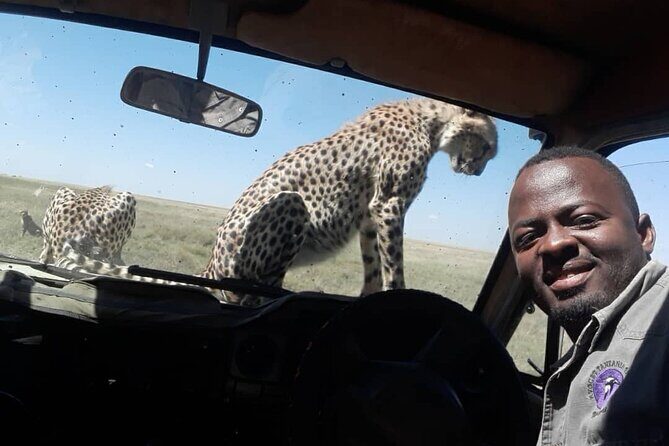
After breakfast, you drive toward Serengeti with picnic lunch boxes on the way. Serengeti is Africa’s headline park for a reason: you’re in the realm of huge predator concentrations and the Great Migration story. You’re not being sold a promise that you’ll see everything on cue, but the environment is built for dramatic wildlife encounters.
This day is mostly about getting into position. Even if you do see animals en route, the real value is arriving with enough time for game driving in Serengeti territory. In other words, you’re not starting from scratch at sunset.
You finish with dinner and overnight at Seronera Campsite (full board). That matters because Serengeti timing is everything. When you sleep inside the system, you’re not losing precious morning hours to long transfers.
Day 3: A full Serengeti day where timing beats luck
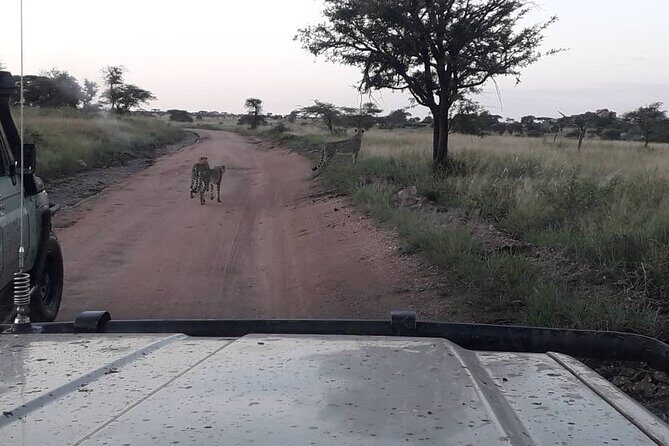
Day 3 is your full Serengeti day: game drives, a return to camp for hot lunch, and then an afternoon game drive. The structure is simple, but it’s effective—because wildlife viewing is a timing game. Some days the action is best earlier. Other days, it turns on later in the day.
In the feedback I read, multiple people praised guides for getting them into the right spots for animal viewing, not just driving around randomly. Names like Mike, Jonas, Nico, and others were specifically mentioned for patient, skilled driving and for knowing where animals were likely to show up.
So on Day 3, what you should plan for mentally is that your best sightings might come at different times than you’d expect. Keep your camera ready, stay seated and alert, and don’t get discouraged if an hour feels slow. Serengeti rewards persistence.
Day 4: Serengeti to Ngorongoro Crater rim for the crater day
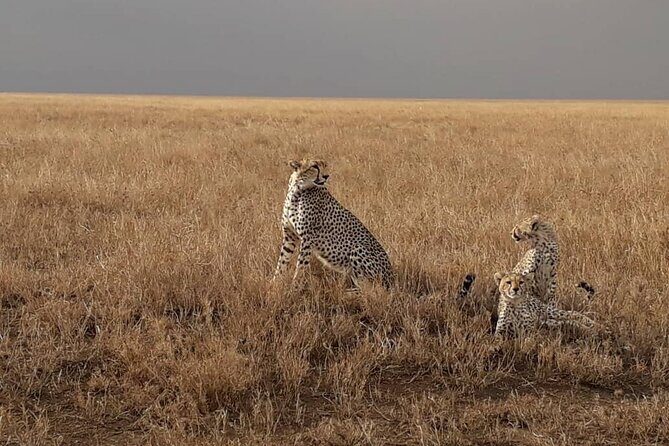
After breakfast on Day 4, you’re back out for Serengeti game drives with a picnic lunch box, then you continue to Ngorongoro Crater rim for dinner and overnight at Simba Campsite.
This is the key transition day. Serengeti plains wildlife behaves differently than crater wildlife. The crater creates a steep, enclosed stage—animals tend to concentrate in a way that feels like it’s been arranged for your eyes.
Also, this day is physically demanding, but it pays off because it positions you for a true crater morning (instead of forcing a late descent).
A few more Arusha tours and experiences worth a look
Day 5: Descend into Ngorongoro Crater for Big Five viewing
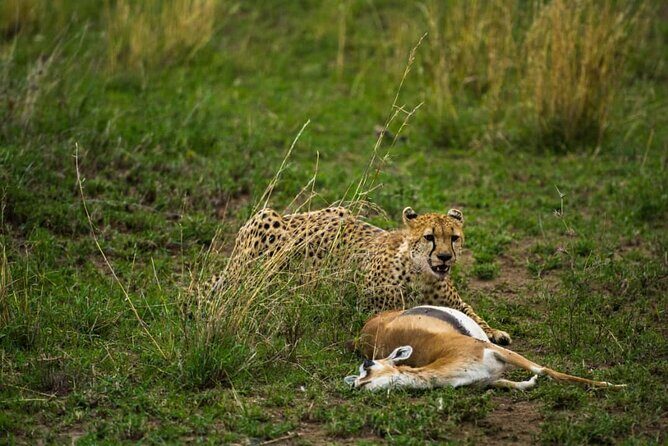
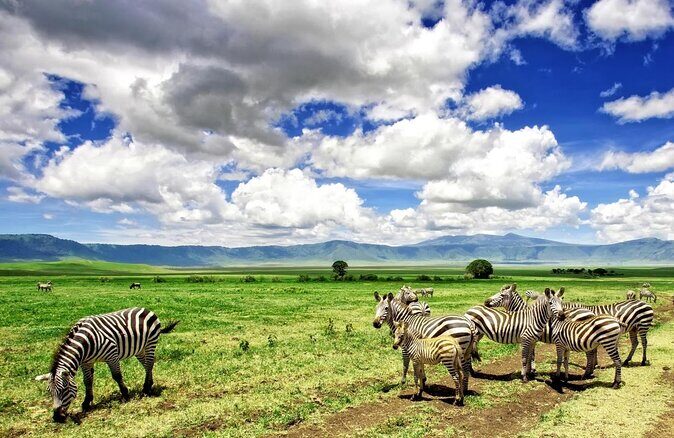
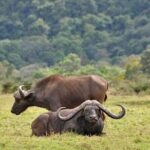
Day 5 is the big payoff. You drive to Ngorongoro, descend into the crater, and do game drives with picnic lunch boxes inside. The Ngorongoro Crater is famous for being one of the best places in East Africa to see the Big Five in a single setting, and it’s one of those rare landscapes where the drama comes from the geology as much as the wildlife.
If you want a classic safari moment, this is it: crater views, animals in a more concentrated area, and the chance to see species that are harder to find elsewhere. In the feedback I saw, multiple people specifically mentioned seeing the Big Five, and others pointed out rhino sightings during the crater portion.
Late afternoon, you ascend and drive back to Arusha. End of services.
One consideration: crater days can feel slow if you come in expecting nonstop action. The crater has its own pace. Your best chance comes from staying focused and letting your guide position you.
Camping safari comfort: what you’re signing up for
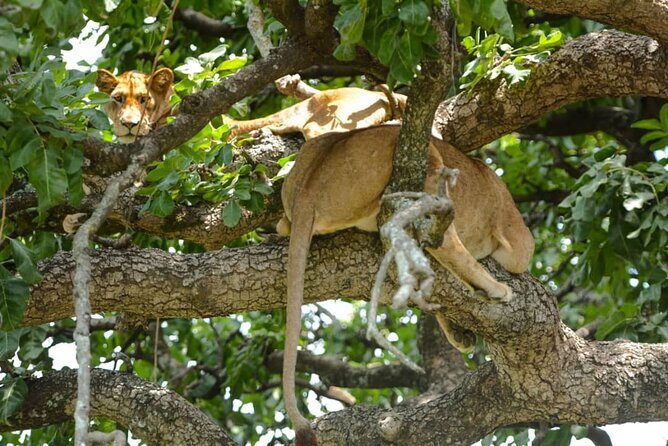
This is a camping safari, and the itinerary calls for full board at the campsites (dinner, breakfast, and often lunch). That’s good value because it reduces food costs and keeps you fueled for long drives. Bottled water, snacks, and coffee/tea are included.
But campsites are still campsites. Pack for sleep outdoors and prepare for basic facilities. The tour info also tells you to bring duffle bags, not suitcases. That’s not just style—it’s practical for moving luggage in safari vehicles and around camps.
If you’re trying to maximize comfort on a budget safari, bring:
- layers for morning and evening cool
- a small headlamp or flashlight
- a lightweight bag liner or dry bag (dust and overnight damp can happen)
And one more mindset tip: camping safaris reward people who enjoy the “we’re out here living it” feeling. If you need a polished hotel vibe to relax, you might find the camping nights a little rough.
Food and day rhythm: simple meals that keep the schedule moving
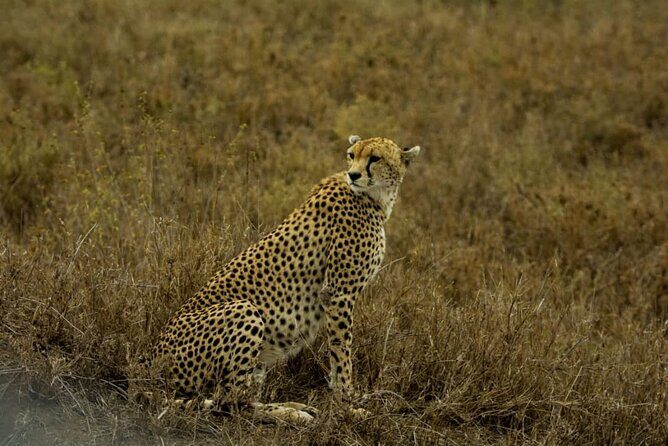
The day-to-day pattern is consistent. You’ll do a morning game drive, you’ll eat a picnic lunch box out in the field, and you’ll return for dinner at the campsite. Day 3 mentions a hot lunch on return to camp, and the itinerary is clear about breakfast and dinners for each day.
I like this setup for one reason: it protects your safari time. When meals are planned inside the day, you’re not constantly searching for food options, and you’re less likely to lose wildlife hours.
Also, bottled water and snacks being included matters. On a road-heavy safari, those small conveniences add up, and you’re better off not rationing.
Price and value: $1,120 for three major parks and a full 5-day loop
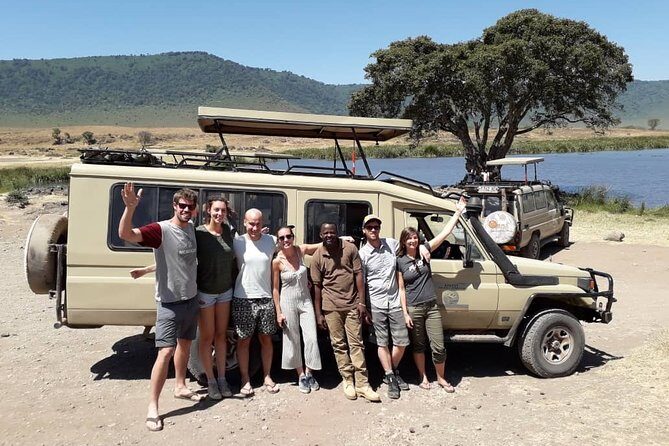
At $1,120 per person, this is positioned as a budget safari. The value comes from how the money is spent: 4WD transportation, camping accommodation, game drives as scheduled, and the included meals and drinks.
Three big elements drive the value:
- You’re covering Tarangire + Serengeti + Ngorongoro Crater, which are the core headline northern sites
- You’re not just touring once; you’re spending multiple days in Serengeti, which increases your odds of seeing predators and different animal behaviors
- Your daily structure includes picnic lunch boxes, water, and snacks, so you’re not paying extra on the move
The possible tradeoff is that budget safaris often mean fewer extras. For example, the tour info clearly says the Masai Cultural Village visit is not included. If that’s a must-do for you, you’ll need to arrange it separately (and that adds cost and time).
Guide and group dynamic: why names like Mike and Bakari keep showing up
On safari, the guide isn’t a background role. They’re the person making wildlife time work. In the feedback I reviewed, guides and drivers were repeatedly praised for getting into good positions and for being patient, which is huge when you’re trying to photograph without cutting corners.
Specific names that came up included:
- Mike (praised for driving skill and animal-finding ability)
- Bakari (praised for professionalism, good vibes, and not rushing)
- Jonas and Nico (mentioned for experience and for delivering strong game-driving outcomes)
- Allen, Waldon, Godfrey, Ludo, and Zuberi (each referenced for knowledge, patience, or strong overall performance)
- cooks like Emanwe and Erika, who were thanked for good food
That matters because camping safaris depend on teamwork: driver + guide + cook. When that crew runs smoothly, you spend more of your energy watching animals and less of it worrying about timing.
Also, shared groups can affect the vibe. If you’re sensitive to noise, pay attention to how other vehicles act. One piece of feedback mentioned a driver playing loud music at Ngorongoro, which obviously doesn’t match the goal of respectful, calm wildlife viewing.
Practical notes you should plan for before you leave Arusha
A few logistics items are worth treating like checklist items, because safari travel punishes last-minute surprises.
Luggage rules: you’re told to use duffle bags, not suitcases.
Identification: bring your passport or identification card, especially since internal flights (if you connect via them) are mentioned in the info.
Yellow fever: you may be asked to present a valid Yellow Fever Vaccination Certificate.
Domestic flight baggage limit: baggage on domestic flights is strictly limited to 15 kg per person, including hand luggage. Extra baggage can be charged by the airline at check-in.
One more practical angle: the itinerary lists admission as free on the park days (and Day 5 indicates admission included). That’s important because entry fees can change the total cost quickly. Still, it’s smart to confirm exactly what’s covered in your final booking details.
Who this safari fits best (and who should think twice)
This safari fits best if you:
- want a first-time Northern Tanzania route without paying top-end lodge prices
- like camping and can handle basic comfort for a big wildlife payoff
- want more than one day in Serengeti so the trip feels like a real experience, not a rush
You might think twice if you:
- need a very quiet, private vehicle experience every single day
- hate long days in the truck and would rather fly or do a slower itinerary
- expect extra cultural add-ons like a Masai village visit to be included (it’s not listed as part of the program)
Should you book this 5-day camping safari?
If your priority is seeing the big wildlife icons—elephants in Tarangire, predators in Serengeti, and crater animals at Ngorongoro—this is a strong budget path. The structure gives you enough time in Serengeti to make sightings more likely, and the inclusion of transport, camping, and planned meals keeps the whole trip from turning into an expense spiral.
My suggestion: book it if you’re flexible on camping comfort and you care more about wildlife time than luxury extras. Before you pay, double-check your final inclusions (especially what’s covered on park entries) and make sure the guide/vehicle expectations match how you want to experience the parks. When the guide is a good one, this kind of trip can turn into the main memory of your whole Tanzania trip.
FAQ
What’s the start time for this safari?
It starts at 8:30 am in Arusha.
Where does the safari begin and end?
It begins in Arusha and ends back at the meeting point in Arusha.
What parks are included in the 5 days?
The trip covers Tarangire National Park, Serengeti National Park, and Ngorongoro Crater.
What kind of lodging is included?
You sleep at campsites listed on the route: Kizumba Campsite, Seronera Campsite, and Simba Campsite.
What meals are included?
The tour includes breakfast (5), lunch (5), dinner (4), plus snacks, bottled water, and coffee and/or tea.
What isn’t included in the tour price?
Masai Cultural Village is not included, and international or local flights, visa fees, travel/personal accident insurance, tips, drinks, and personal expenses are not included.
Do I need any documents for travel?
You should bring your identification card/passport. You may be asked to show a Yellow Fever Vaccination Certificate on arrival.
Is there a luggage limit for domestic flights?
Yes. Baggage on domestic flights is strictly limited to 15 kg per person, including hand luggage, and excess baggage may be charged at check-in.