REVIEW · ZANZIBAR
Cooking Class Tour
Book on Viator →Operated by HALISI AFRICA TOURS · Bookable on Viator
Swahili cooking is more than recipes. It’s a day built around spices, a local market, and hands-on practice with a Zanzibari chef. You start in the market, then move into the lesson and finish by eating what you made—small group, calm pace, real food.
Two things I really like about this tour: it’s capped at six participants so you’re not shouting over a crowd, and the cooking happens over a charcoal brazier with proper utensils (including the kitchen knife). The main drawback to consider is simple: the experience needs good weather, so plans can shift if conditions are rough.
In This Review
- Quick Hits You’ll Feel (Not Just Read)
- Market to Mouth: How This 5-Hour Cooking Class Really Works
- Finding the Right Meeting Point (and Why It Matters)
- The Market Stop: Where Zanzibar Flavor Starts
- Hands-On Swahili Cooking with a Local Chef
- What You’ll Cook (and How the Chef Guides the Process)
- Lunch on Your Own Work: Eating the Evidence
- Vegetarian in a Swahili Cooking Class
- The $90 Price: Is It Good Value for Zanzibar?
- Weather and Pace: The Only Thing You Can’t Control
- Who This Tour Fits Best (and Who Might Skip It)
- Should You Book This Zanzibar Cooking Class?
- FAQ
- FAQ
- How long is the Zanzibar cooking class?
- What does the price include?
- Is vegetarian food available?
- How many people are in the group?
- Is pickup available?
- What happens if the weather is bad?
- Can I cancel for a refund?
Quick Hits You’ll Feel (Not Just Read)
- Market-first shopping so you choose what goes into your dishes
- Small-group cap of 6 for real instructor attention
- Charcoal brazier cooking for that home-style, Zanzibar method
- Vegetarian accommodation available if you need it
- Lunch included with what you prepare in class
- Pickup offered and you’ll use a mobile ticket
Market to Mouth: How This 5-Hour Cooking Class Really Works
This is a 5-hour cooking class in Zanzibar that follows a straightforward flow. You meet in Stone Town, head out for ingredients, cook together, then sit down for lunch—so the time stays focused on food rather than long waiting periods.
The day starts at 9:00 am at the Tembo House Hotel area (Shangani Street / Forodhani Street, Zanzibar). Pickup is offered, which matters because in Stone Town you’ll often spend more time navigating than you want. If you prefer to keep it simple, use the meeting point and let the tour handle the rest.
One more practical point: this is run by HALISI AFRICA TOURS, and the class size is capped at six. That small number shows up in how the lesson is likely to feel—more questions answered, more chances to stand at the stove, and fewer moments where you’re just watching.
You can also read our reviews of more cooking classes in Zanzibar
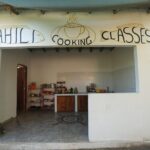

Finding the Right Meeting Point (and Why It Matters)
You’ll start at Tembo House Hotel on/near Shangani Street by Forodhani Street. If you’re using a map app, zoom in to the immediate hotel area—Stone Town streets can look close together even when they aren’t.
The tour ends back at the meeting point. That’s a small thing, but it’s a big convenience if you plan the rest of your day in the same neighborhood. You won’t need to figure out a return route right after lunch.
Also: you’ll have a mobile ticket, and it’s described as near public transportation. So even if you don’t use pickup, you should still be able to get there without a private car. Just plan to arrive a few minutes early so the group can stay on schedule.
The Market Stop: Where Zanzibar Flavor Starts
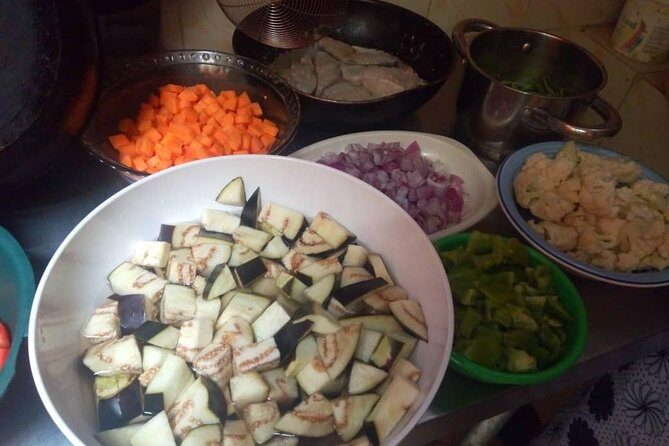
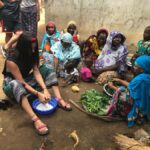
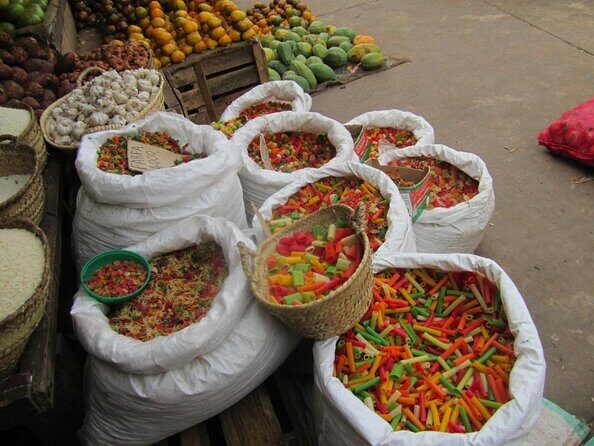
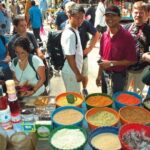
The class begins with a visit to the local market to buy ingredients. This is one of the best parts of the format, because it turns cooking into something you can trace. Instead of following a list blindly, you see the ingredients up close and learn how they’re chosen for Swahili dishes.
Zanzibar is shaped by trade routes, and the cooking reflects that mix of influences. The tour’s focus is Swahili food—spiced, aromatic, and built from ingredients that grow locally and are common to the island. In practice, that means the market isn’t just a photo op. It’s where you start understanding which spices and staples matter for the dishes you’re about to cook.
A smart tip for getting the most out of the market portion: be ready to ask questions while you’re there. The chef can explain what you’re seeing—what’s used often, what changes depending on the dish, and how flavors are layered in Swahili cooking.
Hands-On Swahili Cooking with a Local Chef
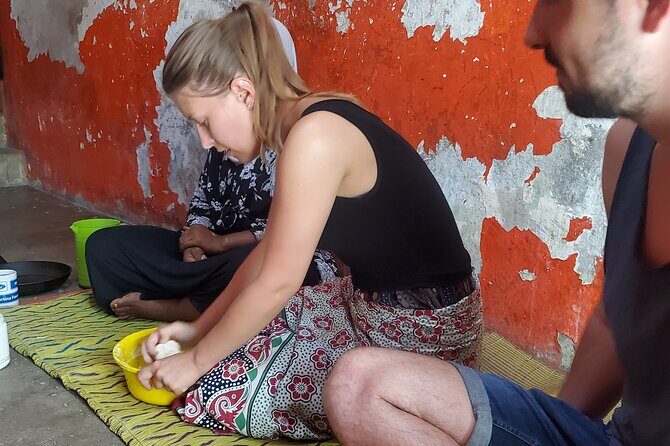
After the ingredient shopping, you move into the lesson with an experienced Zanzibari chef. This is where the tour earns its keep. The teaching style is hands-on, and the class is built for participation—not just a demonstration you passively watch.
Cooking over a charcoal brazier is a key detail. It changes the feel of the food. It’s not the same as a modern gas stove, and that matters if you care about how Zanzibar cooking actually happens in real kitchens. The included “uses of kitchen knife and charcoal brazier” means you’re set up to cook, not wait.
Because the group is capped at six participants, you’re more likely to get individual attention. That’s where cooking classes can either shine or disappoint. With a small group, you can correct small technique issues early—how you handle ingredients, how you manage heat, and how you balance seasoning.
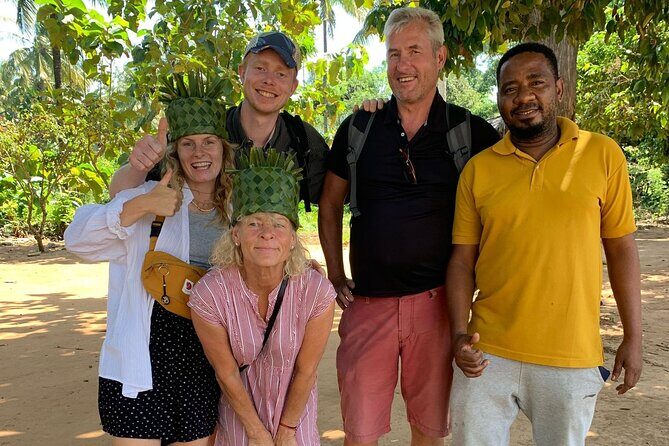
The lesson is centered on the intricacies of Swahili cooking, including how spices are used and why they matter in the dishes of Zanzibar. From the way this class has been described in past groups, the experience often feels like cooking in a home kitchen, not a staged studio. Past participants have mentioned guides like Hamza and Miram, plus the warm family-style atmosphere that comes with learning in a real setting.
What You’ll Cook (and How the Chef Guides the Process)
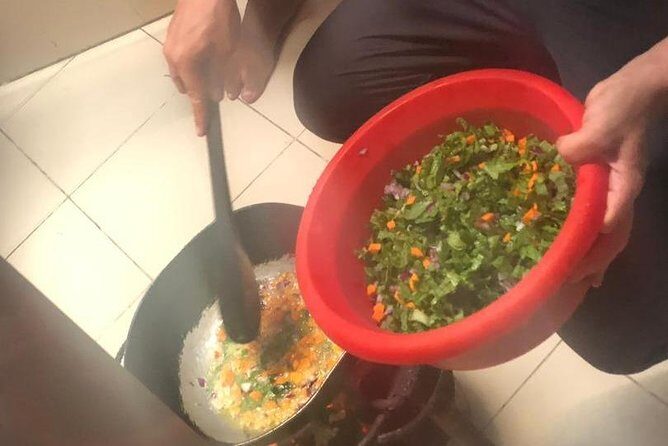
The tour description focuses on Swahili dishes overall, with the chef guiding you through the process. You’ll prepare various dishes during the lesson, practicing Zanzibar cooking methods step-by-step.
Even without a dish-by-dish printed menu, you can expect the lesson to teach you the logic behind the flavors. In Swahili cooking, seasoning isn’t just an afterthought. Spices and aromatic ingredients are used to build depth—layer by layer—so you taste the result as a full dish, not a pile of separate flavors.
This tour also does something important: it builds the cooking session around what you picked at the market. That means when you’re chopping, stirring, or tending the heat on the charcoal, you can connect actions to ingredients you saw earlier.
From what’s been said about the class, the chef doesn’t just show. You participate, then you talk about what you made and why it works. That conversation part is worth taking seriously—it turns a one-off meal into something you can remember and replicate later.
A few more Zanzibar tours and experiences worth a look




Lunch on Your Own Work: Eating the Evidence
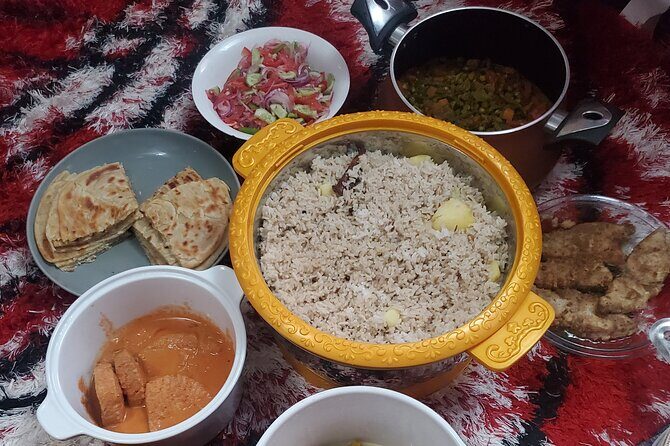
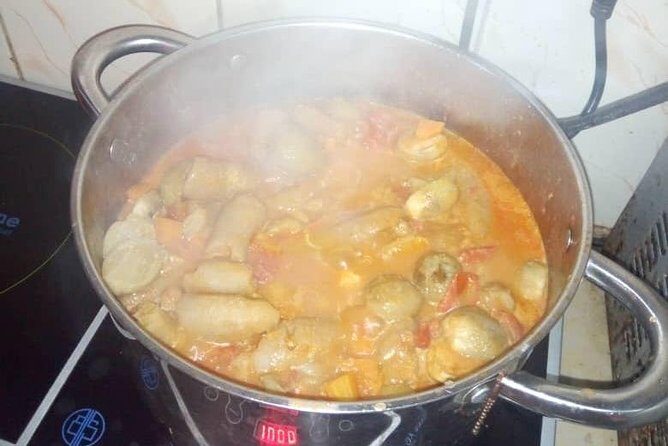
After the cooking lesson, you sit down to enjoy what you made together with your chef. Lunch is included, and it’s not a separate buffet somewhere else. It’s your own output.
That’s a key value point. A lot of tours hand you food at the end, but you don’t always get ownership. Here, the structure is designed so you eat the results of the lesson. It makes the flavors feel personal, and it also makes learning stick.
If you’re coming to Zanzibar for food, this is the kind of format that helps you understand the island’s flavor profile faster. You’ll taste Swahili food in a way that’s tied to spice choices and cooking technique, not just restaurant seasoning.
One more practical detail: the tour description notes the chef discussing the merits of Swahili foods. That kind of explanation can help you connect what you ate to what you’ll likely spot later around Stone Town—how spices show up, how balance feels, and why certain combinations are common.
Vegetarian in a Swahili Cooking Class
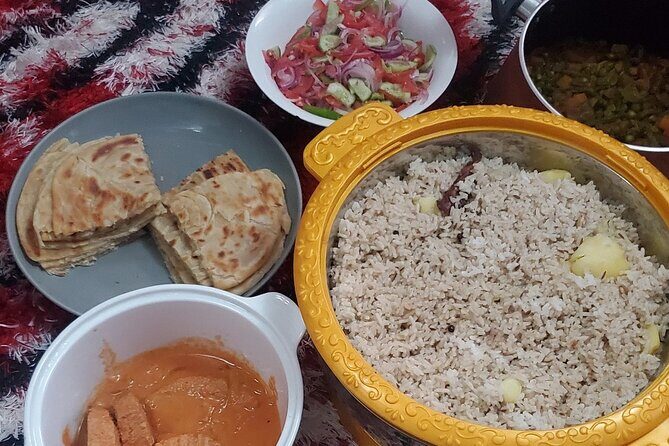
Good news: vegetarians can be accommodated. That’s not always standard with cooking classes, so it’s a real plus if your diet has limits.
Because the tour is market-based, vegetarian accommodation also makes more sense. The ingredients you buy can be chosen with you in mind, and the chef can guide substitutions or dish adjustments while still keeping the cooking methods Swahili.
If you have dietary needs, plan to communicate them at booking. The tour data says vegetarian accommodation is possible, so the best results come when the chef can plan ahead rather than improvise at the last second.
The $90 Price: Is It Good Value for Zanzibar?
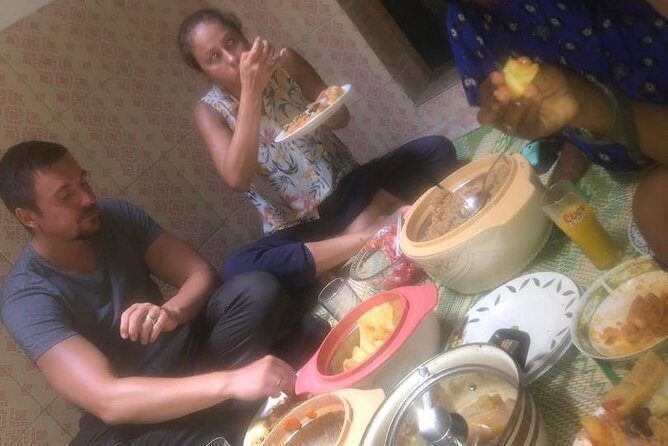
At $90 per person, this isn’t a “grab-and-go” activity. But it also isn’t priced like a luxury private chef experience. So where does the value land?
Here’s the math that matters:
- You’re paying for a small-group class (max 6), so instruction time is likely to be focused.
- You get market shopping, which means you’re learning ingredient selection, not just cooking.
- Lunch is included, and you eat what you made.
- Supplies are included, specifically kitchen knife use and the charcoal brazier.
The big cost drivers in cooking classes are usually instructor time and access to a proper cooking setup. This tour includes both. And since pickup is offered, you don’t have to budget extra for private transportation just to get started.
What’s not included is tips and private transportation. That’s normal. If you’re trying to keep your budget tight, you can stick to public transport to the meeting point, then let pickup handle the rest if offered.
Overall, for Zanzibar, this price looks like solid value if you want hands-on learning and a meal that isn’t just tacked on at the end.
Weather and Pace: The Only Thing You Can’t Control
This experience requires good weather. That doesn’t mean you should panic—just plan for the reality that market time and cooking work can be affected by rain or bad conditions.
If weather gets poor, you’ll likely need to adjust expectations. The tour policy also says that if the experience is canceled due to poor weather, you’ll be offered a different date or a full refund. In practical terms, that reduces risk.
Pace-wise, the format is designed to keep you active. You’re shopping, cooking, then eating. With a small group, you’re not stuck in long stretches of waiting. That’s a big deal on vacation, when you want time to feel earned.
Who This Tour Fits Best (and Who Might Skip It)
This class is a strong match if you:
- Want to learn Swahili flavor basics, not just take photos
- Like hands-on experiences where you do the cooking
- Prefer smaller groups and more direct instructor time
- Are excited about spices and ingredient selection, not only the final dish
- Need vegetarian accommodation
You might consider skipping if you’re hunting for a high-volume “see everything” tour. This isn’t about racing across the island. It’s about spending a focused chunk of time learning Zanzibar cooking properly, with charcoal-stove methods and a real meal at the end.
Should You Book This Zanzibar Cooking Class?
I think it’s worth booking if your idea of a great Zanzibar day is practical learning plus a full lunch you helped make. The combination of a market start, chef-led instruction, small group size, and charcoal cooking adds up to something more grounded than many food tours.
Before you book, make sure you’re okay with the one possible wobble: weather can affect the schedule. If your trip dates are flexible, that risk is easier to handle. If not, plan your cooking class earlier rather than as a last-day activity.
Also, decide what you want most: if you want to understand Swahili cooking technique and spice thinking, this format is a good fit. If you mostly want a casual meal with no lesson, you may find a restaurant is cheaper and simpler.
FAQ
FAQ
How long is the Zanzibar cooking class?
The class runs for about 5 hours.
What does the price include?
The price includes lunch, and uses of a kitchen knife and charcoal brazier.
Is vegetarian food available?
Yes, vegetarians can be accommodated.
How many people are in the group?
The tour/activity has a maximum of 6 travelers, so the instructor can give personal attention.
Is pickup available?
Pickup is offered, and the experience also has a meeting point at Tembo House Hotel near Forodhani Street.
What happens if the weather is bad?
The experience requires good weather. If it’s canceled due to poor weather, you’ll be offered a different date or a full refund.
Can I cancel for a refund?
Yes. You can cancel up to 24 hours in advance for a full refund.
If you’d like, tell me your travel dates and whether you’re vegetarian, and I’ll help you pick the best type of food day in Stone Town around this class.