REVIEW · MOSHI
8 Day Kilimanjaro Trek via Lemosho Route
Book on Viator →Operated by Soraka Tours · Bookable on Viator
A quieter way up Kilimanjaro. I like how this Lemosho route builds altitude gradually through changing ecosystems, and I also love that you get chef-prepared meals plus logistics handled so you can focus on the climb.
The biggest consideration is time and effort: summit day is a long grind, and you’ll want strong fitness plus the right gear (sleeping bag and boots are not included).
In This Review
- Quick hits
- Why the Lemosho Route Feels More Manageable Than Most
- Who This Trek Suits Best (And Who Might Struggle)
- Moshi Setup: Hotel Nights and a Briefing That Matters
- Day-by-Day: Lemosho Gate to the Shira Plateau (Days 2–4)
- Lava Tower, Barranco Wall, and the Acclimatization Logic (Days 5–7)
- Summit Day Planning: Barafu to Uhuru Peak and Down to Mweka
- Camps, Tents, and Meals: Comfort That Actually Helps
- Safety and Medical Readiness: Oximeter Checks and Oxygen
- Price and Logistics: What $3,450 Covers, and What You Must Plan for
- Should You Book This Lemosho Trek?
- FAQ
- How long is the trek, and how many days is the full tour?
- Where do you start, and is pickup included?
- What’s included for meals on the mountain?
- What kind of sleeping setup is provided on the trek?
- Is there medical support during the trek?
- What personal gear should I bring?
Quick hits
- Gradual acclimatization on the Lemosho route helps you move through multiple climate zones without rushing
- Three mountain meals daily are handled by an on-mountain chef, with dietary options available
- Porters carry the heavy stuff (you bring a day pack; they carry your main equipment)
- Safety systems are built in with daily oximeter checks, an emergency oxygen canister, and medical kits
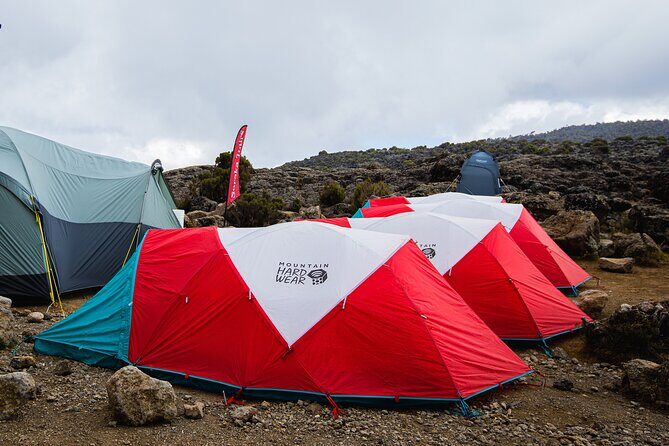
- Comfort on the mountain includes four-season tents (Mountain Hardware) and warm sleeping mats
- A private group setup means the experience stays more personal and less like a shuffle
Why the Lemosho Route Feels More Manageable Than Most
Kilimanjaro can be sold as a single goal: summit. What makes this trek interesting is the way it gets you there—slow, steady, and layered with scenery changes that keep your mind busy while your body acclimates.
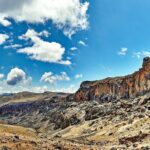
On the Lemosho option, you pass through distinct environmental zones, from lush rainforest up into alpine deserts. That isn’t just scenery for photos. It’s also a practical way to pace yourself because the climb gradually changes how your lungs, skin, and energy levels feel as altitude rises.
You’ll also notice that the route includes built-in altitude “ups and downs.” That matters because acclimatization is where most people either feel confident or start struggling. The plan here is designed so you don’t spend the whole trek climbing higher every single day without a breather.
You can also read our reviews of more hiking tours in Moshi
Who This Trek Suits Best (And Who Might Struggle)
This is a serious trek. The itinerary and long summit day mean you should arrive with a strong physical fitness level, and you should be ready for big hours on your feet.
You’ll be happiest here if you:
- Want a route that avoids the most chaotic feel and gives you a quieter rhythm
- Prefer a guided, logistics-light experience where someone else handles tents, meals, and on-route support
- Like having clear structure: camps, check-ins, and health monitoring are part of the system
If you hate early mornings, you may not love summit day, since the plan includes an early departure from the last camp to reach Uhuru Peak for the sunrise. And if you’re not used to climbing for 4–7 hours most days, you’ll want to train and build hiking stamina before you come.
Moshi Setup: Hotel Nights and a Briefing That Matters
Your tour starts in Moshi, with arrival and a transfer to hotel for briefing and overnight. This is more than a simple “rest stop.” Getting a good briefing at the beginning helps you understand the rhythm of the trek—what to expect, how to manage energy, and what your day-to-day routine will look like.
You’ll have two nights in Moshi at Kili Wonders Hotel (or a similar option) with breakfast included. That extra time is helpful because it lets you settle before the first hiking day, instead of jumping straight onto the mountain the moment you land.
Also, the program includes JRO pickup and drop-off plus all ground transportation. That reduces the chance of arrival-day stress derailing your first night’s sleep.
Day-by-Day: Lemosho Gate to the Shira Plateau (Days 2–4)
Day 1 is straightforward: you arrive, get briefed, and sleep in Moshi. Then Day 2 starts at Lemosho Gate (7,824 ft). From there, you hike through rainforest toward Mti Mkubwa camp (9,251 ft) in about 3–4 hours.
This is the day I’d call your warm-up, even though it still climbs. You’ll likely feel the altitude change less sharply in the early rainforest hours, but you’ll still start building a steady pace. One practical benefit of starting here is that you can focus on foot rhythm and breathing right away—before the climb gets steeper.
Day 3 pushes you from Mti Mkubwa camp up to Shira 1 camp (11,499 ft) over about 5–6 hours. This is where you generally feel that you’ve left the comfort zone of lower elevations. The idea is gradual ascent above the forest line, and it sets you up for the next day’s higher, more exposed terrain.
Day 4 continues from Shira 1 to Shira 2 camp (12,598 ft), crossing the Shira Plateau in about 4–5 hours. This is a great “slow altitude” day. The terrain and vegetation shift as you climb, which means the hike doesn’t feel repetitive. If you tend to get mentally tired on long ascents, changing scenery helps you stay present.
A drawback to watch for on Days 2–4 is simple altitude fatigue: even when the pacing is reasonable, your body may not “feel ready” at first. That’s where the program’s monitoring approach becomes important later—and why you should take the early days seriously, not like sightseeing.
Lava Tower, Barranco Wall, and the Acclimatization Logic (Days 5–7)
Day 5 is one of the most important days on the whole itinerary. You go from Shira 2 to Barranco camp (12,959 ft) via the Lava Tower (15,091 ft) in about 6–7 hours. You climb high, then you descend to sleep lower.
That pattern is classic acclimatization strategy: you stress your system with altitude, then you give it a lower sleeping elevation to recover. The tradeoff is that Day 5 still feels like a big day, even though you end up sleeping at a lower camp than the Lava Tower high point.
Day 6 moves from Barranco camp to Karanga camp (13,106 ft) in about 4–5 hours. This is the famous Barranco Wall day. Even when you’re not chasing speed, “wall days” test technique: careful footing, controlled breathing, and steady effort. If you manage your pace well here, you’re likely to feel more confident going into the final push.
Day 7 takes you from Karanga to Barafu camp (15,223 ft), roughly 4–5 hours. This is your last camp before the summit attempt. At this point, you’ll want to conserve energy and treat the day like preparation, not like another big excursion.
The practical consideration on Days 5–7: the hike profile is varied. You might feel good one segment and then slower on another. That’s normal. The route’s design assumes that you’ll experience that stop-start feeling, and it still plans for summit day later.
Summit Day Planning: Barafu to Uhuru Peak and Down to Mweka
Day 8 is the day everyone remembers—and it’s also the day with the strictest time pressure. You leave Barafu camp early to reach Uhuru Peak (19,340 ft) and then descend to Mweka camp. Expect 14–16 hours.
This long day is why acclimatization days matter. If you’ve respected the earlier pace and stayed attentive to how your body responds, you’ll give yourself the best chance to handle the summit grind. If not, you’ll feel the difference quickly here.
You’ll also want to plan mentally for the descent. After reaching the summit, your legs may feel different—not just tired, but heavy and unstable. The route’s payoff is that you still have a structured descent to Mweka camp rather than an open-ended “figure it out” day.
Day 9 is the descent from Mweka camp to Mweka Gate, plus transfer back to hotel or overnight stay. This is still physical, but it’s a different type of effort than summit morning: more about control, pacing, and getting your body back to a calmer rhythm.
One honest point: summit-day success depends on more than the itinerary. Weather, illness, and how your body handles altitude all play roles. What you can control is how well you follow the plan, pace yourself, and speak up early if you feel off.
Camps, Tents, and Meals: Comfort That Actually Helps
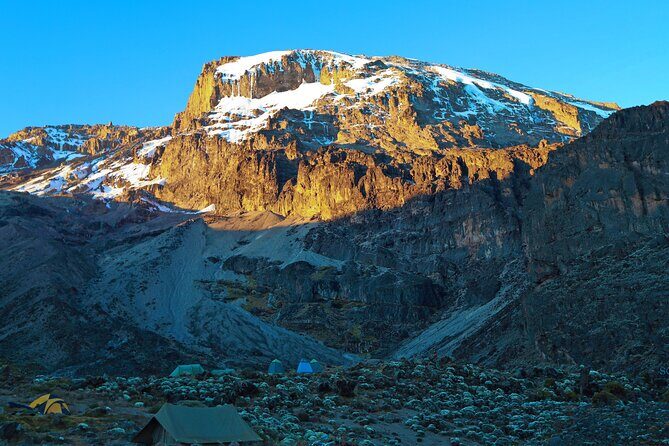
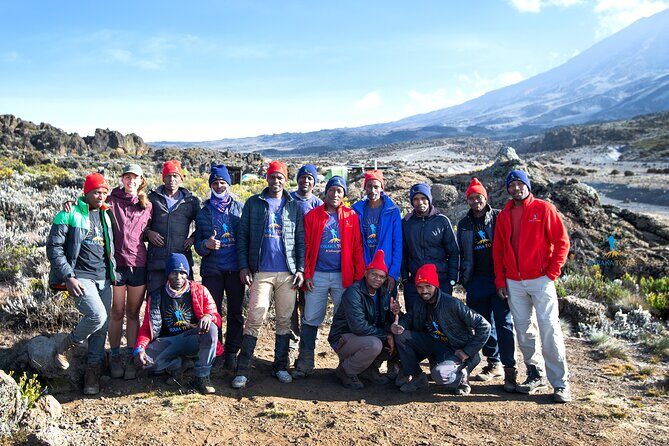
A big value point here is how much is handled for you. Porters carry all your equipment except your day pack, so you’re not hauling a full load while also adjusting to altitude.
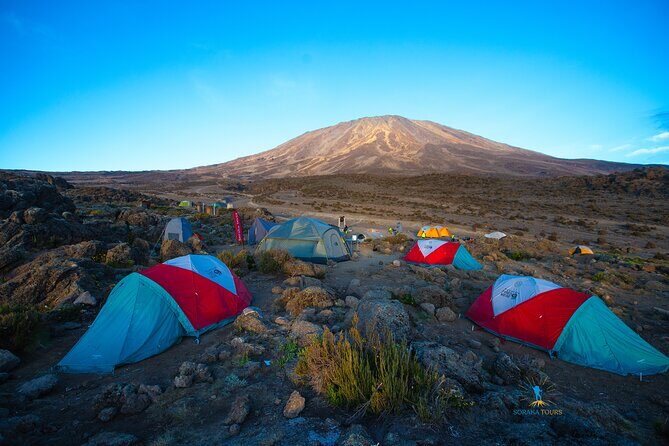
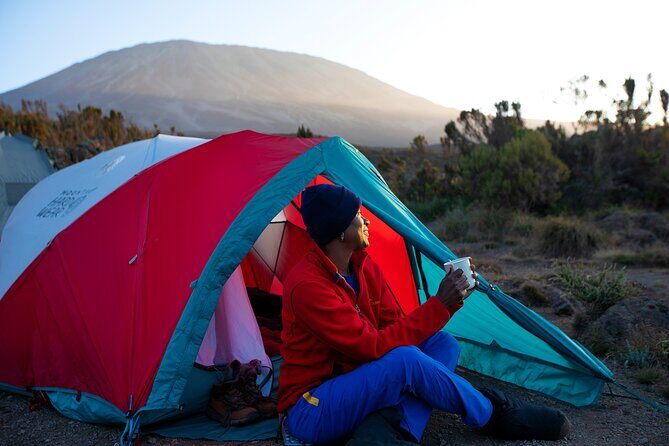
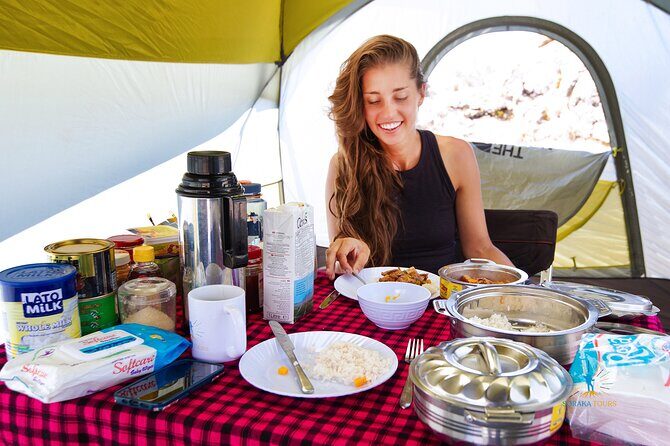
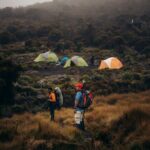
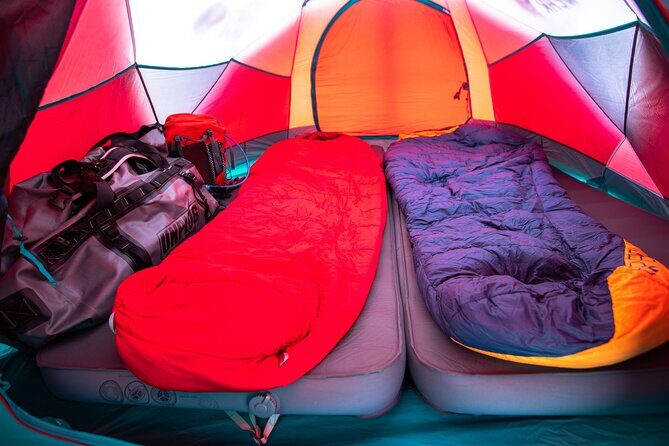
On the mountain, you sleep in four-season Mountain Hardware tents with warm sleeping mats. Camps also include dining tents with table and chair setup, plus cutlery and cooking infrastructure. That means you’re not just eating—you’re getting a place to reset and focus for the next day.
Then there are the meals. You’ll have three freshly prepared meals each day on the trek, cooked by your chef. The program also states dietary flexibility: vegetarian, gluten-free, halal, and kosher plans can be accommodated. For many people, good food is what makes the climb feel possible. Not just for calories, but for morale.
From the feedback shared with this operator, climbers often describe the mountain setup as more like controlled comfort than rough camping. Hot water and extra touches show up as part of that comfort idea, even though you’re far from any normal lodging.
Safety and Medical Readiness: Oximeter Checks and Oxygen
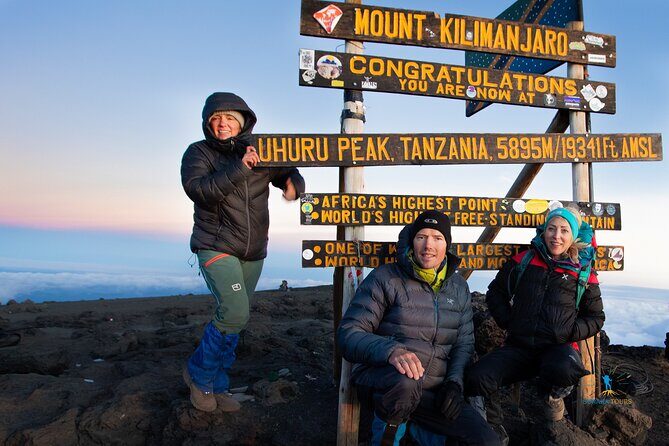
Kilimanjaro is not a “tough it out” mountain. The most reassuring part of this program is the emphasis on health monitoring and medical readiness.
Guides are described as certified Wilderness First Responders with over a decade of climbing experience. That matters because altitude issues don’t always announce themselves in obvious ways, and an effective response depends on trained judgment.
On top of that, you get emergency oxygen canisters and a medical kit. The trek also includes two daily health checks using an oximeter and targeted questions about how you’re feeling. That’s a big deal because it’s not only guesswork or vibes. It turns health decisions into something trackable.
If you want the kind of climb where someone is watching your status every day, not just guiding the trail, this system is built for you.
Price and Logistics: What $3,450 Covers, and What You Must Plan for
At $3,450 per person, this trek is priced as a full-service climb, not a DIY adventure. The included costs cover all Kilimanjaro National Park fees, including rescue and camping fees, plus meals, hotel nights in Moshi, JRO pickup/drop-off, and all ground transportation.
That’s part of the value: you’re paying for a defined service stack. Instead of budgeting for park fees, camp logistics, chef labor, and the support crew separately, those pieces are already folded into the package.
You do need to budget for what’s not included:
- Visa fee
- Airfare
- Travel and mountaineering insurance (highly recommended)
- Alcoholic beverages
- Tips for mountain staff
- Personal equipment like sleeping bags and hiking boots
The other practical detail is your accommodation style. You’ll share tents (two people per tent). Single accommodation is available for an extra charge, so if privacy matters to you, price that option early instead of assuming.
Also note the trek is private for your group only. That can be a real quality-of-experience advantage, especially when you want consistent pacing and less waiting around.
Should You Book This Lemosho Trek?
I’d book this itinerary if you want a Kilimanjaro plan that prioritizes gradual acclimatization, structured camps, and a high level of on-the-mountain support. It’s also a good match if you appreciate comfort that’s functional—tents, mats, real meals—and you want to spend your energy hiking, not solving logistics.
I’d think twice if you:
- Don’t yet have the fitness for 14–16 hours on summit day
- Are relying on the operator to supply your core personal gear (you’ll still need your sleeping bag and boots)
- Know you’re likely to get anxious about altitude and want a very conservative pace, because even well-designed routes can’t remove the realities of Kilimanjaro
If your goal is to summit while feeling cared for, this setup looks like a strong fit.
FAQ
How long is the trek, and how many days is the full tour?
The package is listed as 8 days on Kilimanjaro, with an overall trip of about 10 days. The itinerary includes Moshi arrival and hotel nights before the climb, plus transfers and a final day after descending.
Where do you start, and is pickup included?
You start Day 2 at Lemosho Gate, and the tour includes JRO (Kilimanjaro International Airport) pick-up and drop-off. All ground transportation is included as well.
What’s included for meals on the mountain?
Three freshly prepared meals each day are included while you’re trekking. Hotel breakfast is included for the two nights in Moshi, and the program can accommodate vegetarian, gluten-free, halal, and kosher meal plans.
What kind of sleeping setup is provided on the trek?
You’ll use four-season Mountain Hardware tented accommodations, with warm sleeping mats provided. Typically it’s 2 people per tent, and single accommodation is available for an extra charge.
Is there medical support during the trek?
Guides are certified Wilderness First Responders, and the trek includes an emergency oxygen canister and a medical kit. There are two daily health checks using an oximeter and specific questions about your condition.
What personal gear should I bring?
Personal climbing equipment is not included, including items like sleeping bags and hiking boots. The tour provides camp and support gear, but you’ll still need your core personal items.