REVIEW · ARUSHA
3days Serengeti National park and Ngorongoro Crater Tanzania Safari
Book on Viator →Operated by Great Image Expedition Ltd · Bookable on Viator
Three days, two legendary parks, one tight route. This safari threads Serengeti National Park grassland hunting with a crater-floor wildlife day at Ngorongoro, built for maximum animal time and minimal wasted hours.
I like the structure here. Early morning game drives give you the best light and the best chance to catch predators moving. I also like the comfort upgrade: you sleep at Kubukubu luxury tented camp in Serengeti and then at Ngorongoro Lions Paw Luxury Tented Camp for the crater area.
One consideration: the pace is serious, with long transfers (including a day 3 drive back to Arusha that’s listed around 9 hours), so you’ll want to travel light and stay flexible.
In This Review
- Key Highlights You’ll Actually Feel On This Safari
- Why This Serengeti and Ngorongoro Mashup Works in Just 3 Days
- Arusha to Serengeti: The 7AM Departure and What It Means
- Day 1 in Serengeti: Plains, Predators, Picnic Lunch, and Kubukubu
- Day 2: Early Drive in Serengeti, Then Ngorongoro Rim Timing
- Day 3 in Ngorongoro Crater: Full Wildlife Day on the Crater Floor
- Wildlife Expectations: Big Five Odds, Black Rhinos, and River Extras
- Comfort, Camps, and Meals: Luxury Tented Camps That Don’t Cost You Time
- Price and Value: What $1,499 Buys You in 3 Days
- Logistics You Should Plan for Before You Go
- Who This Safari Fits Best (and Who Might Want More Time)
- Should You Book This 3-Day Serengeti and Ngorongoro Safari?
- FAQ
- How long is the safari?
- Where does the tour start?
- Is pickup included?
- What ticket format do you use?
- Are park admission fees included?
- Is this a private safari?
- What will you do on the day inside Ngorongoro Crater?
- What if the weather is bad?
- What is the cancellation window for a full refund?
Key Highlights You’ll Actually Feel On This Safari
- 7:00 AM Arusha pickup sets the tone fast, with a long but focused drive straight to Serengeti
- Two nights in luxury tented camps—including one in Serengeti—so you’re not losing evenings to transit
- Big crater day in Ngorongoro with full-time wildlife tracking on the crater floor and a picnic at Ngoitoktok Springs
- Optional Olduvai Gorge stop on day 2 for context and a change of scenery
- Steady wildlife odds built into the timing: early drives, then crater timing, then sunset/overnight positioning
Why This Serengeti and Ngorongoro Mashup Works in Just 3 Days
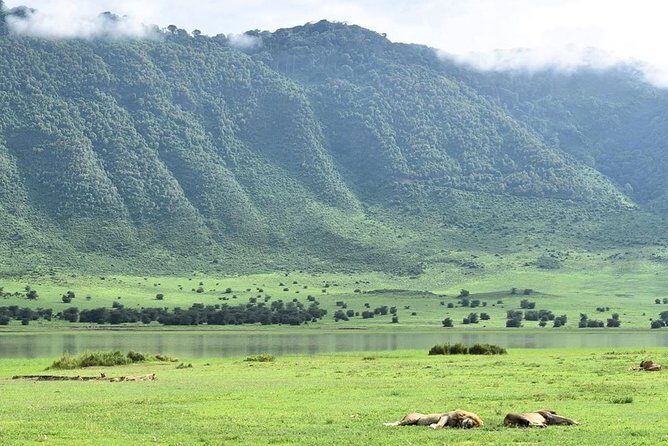
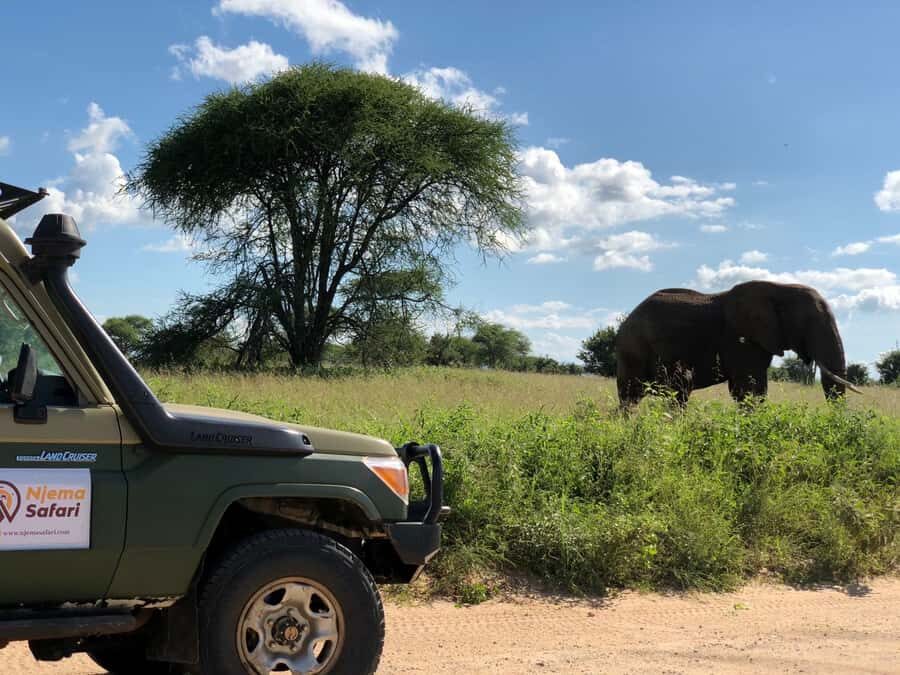
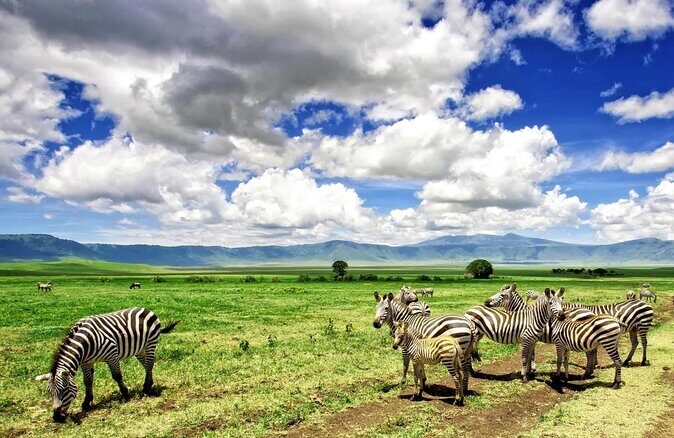
If you only have a short Tanzania window, this is a smart way to spend it. Serengeti is the wide-open “endless plains” show—prime for predators, grazing herds, and the migration story. Ngorongoro Crater is the tight, dramatic wildlife “pressure cooker,” where animals concentrate and your viewing chances often jump.
You also get a nice seasonal angle baked into the plan: take the trip after the rains and you’ll enjoy grasslands mixed with wildflowers. That doesn’t guarantee specific sightings, but it does mean the scenery and animal energy tend to feel more alive when the ecosystem is fresh.
The best part is that the itinerary isn’t just “see places.” It’s “spend the right time in the right zones.” Early starts feed better viewing. Night drops you near the next day’s action. And the crater day is set up as a full wildlife day, not a rushed photo stop.
A few more Arusha tours and experiences worth a look



Arusha to Serengeti: The 7AM Departure and What It Means
Your day starts with pickup from your Arusha hotel at 7:00 AM, then a 5-hour drive toward Serengeti. That’s an important detail. Long safaris die by a thousand delays—late mornings, slow loading, and too many breaks that don’t help you see anything. This one pushes you out early so your first game drive happens while animals are active.
On the drive, it helps to mentally switch from “vacation browsing” to “wildlife session mode.” The landscape cues change fast as you get closer to the park, and you’ll want to be ready to scan.
Once you arrive, your day is anchored with:
- time for a first taste of Serengeti’s famous ecosystems
- a picnic lunch around 1:00 PM inside the park
- dinner back in the heart of Serengeti
- your overnight at Kubukubu luxury tented camp
That combination matters. If you arrive late and eat outside the park, you lose viewing hours twice. Here, you eat and sleep in ways that keep your wildlife time protected.
Day 1 in Serengeti: Plains, Predators, Picnic Lunch, and Kubukubu
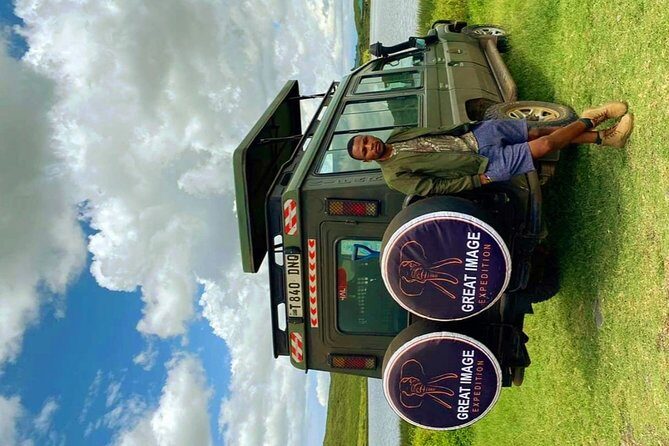
Serengeti is Tanzania’s “big stage” park for a reason. You’re looking at endless grassland visibility, where lions and other predators can be tracked across wide areas. It’s also the kind of place where you’ll hear your guide say things like: watch movement, watch wind, watch where animals funnel. That’s how you learn to read the plain.
This day is built around classic Serengeti categories:
- big carnivore possibility: lions and the usual suspects like hyenas, cheetahs, and leopards
- riverside wildlife possibilities, including crocodiles in the Grumeti River
- land neighbors you might spot: hippos, giraffes, antelopes, and gazelles
- a rare bonus: Serengeti is home to a few black rhinos
Lunch is picnic-style in the park, around 1:00 PM. That’s a better setup than “we’ll eat somewhere nearby” because it keeps you in the viewing zone instead of transporting out and back. After that, dinner lands in the heart of the park, and you sleep at Kubukubu luxury tented camp.
Reality check: you won’t control where animals are. What you control is how many hours you’re in the right places with good conditions. This day is designed to give you that.
Day 2: Early Drive in Serengeti, Then Ngorongoro Rim Timing
Day 2 starts in Serengeti again. After breakfast, you go on an early morning game drive, then you break for a picnic lunch. After that, you leave Serengeti and head toward Ngorongoro.
There’s one optional detour worth knowing about: an Olduvai Gorge stopover. Even if you’re not a museum person, this can add meaning to the drive. You’ll get a quick historical context stop as you transition from the modern wildlife drama of Serengeti to the geological landmark of Ngorongoro.
Then comes the timing shift. You reach the rim of Ngorongoro Crater for dinner and your overnight at Ngorongoro Lions Paw Luxury Tented Camp. Staying near the crater rim is practical because it sets you up for an early start the next day. You’re not “catching up” on sleep while losing viewing momentum.
A small but important note: since this is a private experience for your group, you should be able to move at the pace that makes you comfortable—within the bounds of the itinerary.
Day 3 in Ngorongoro Crater: Full Wildlife Day on the Crater Floor
Ngorongoro Crater is the kind of place where one day can feel like it has multiple “chapters.” You start with an early morning game drive and breakfast timing options:
- early morning game drive, then breakfast
or
- breakfast first, then a late morning game drive
That flexibility helps if you hate waking up too early or if you’re a dawn person. Either way, the centerpiece is the crater floor.
After breakfast, you depart for the crater with your picnic lunch and go for a full day tracking game on the crater floor. The itinerary notes a very high possibility of spotting the Big Five in one day. You can’t force specific animals, of course, but crater wildlife often concentrates enough that your chances feel real—especially with consistent scanning time.
Lunch is planned at Ngoitoktok Springs picnic site on the crater floor. That’s a big deal. It keeps you from wasting prime viewing hours hunting for a meal with travel time attached.
Then, late afternoon, you drive back to Arusha. The drive is listed as about 9 hours, so plan for a long sit, hydrate, and don’t pack anything you’ll need during the drive.
A few more Arusha tours and experiences worth a look


Wildlife Expectations: Big Five Odds, Black Rhinos, and River Extras
The safari is designed around the animals people actually come for. Serengeti covers the “predator and plains” storyline. Ngorongoro covers the “concentration zone” storyline.
Here’s what the plan supports most directly:
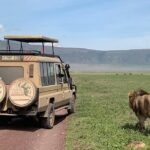
- Serengeti: strong odds for predator sightings like lions and chances at leopards, cheetahs, and hyenas, plus herbivore action for follow-up tracking. The park is also tied to water life around the Grumeti River (including crocodiles) and bigger mammals like hippos.
- Black rhino possibility: Serengeti is specifically noted as home to a few black rhinos, which is exactly the kind of rare target many safari-goers hope for.
- Ngorongoro: the crater day is framed as a full “tracking” session with a very high possibility of seeing the Big Five in one day.
I’d treat the Big Five note as an optimistic planning target, not a promise. Your real advantage is how the itinerary builds viewing time into each place and how it keeps you moving between the right zones rather than circling slowly.
Also, if you care about photo timing: early drives are there for a reason. Morning light can make animals easier to spot and easier to photograph, and it often lines up with active feeding.
Comfort, Camps, and Meals: Luxury Tented Camps That Don’t Cost You Time
This safari leans “luxury tented camp” for both overnights, and that matters more than it sounds. When you stay inside or near the park zone, you lose less time to transfers. It also tends to mean better rest between wildlife sessions.
You’ll sleep at:
- Kubukubu luxury tented camp in Serengeti
- Ngorongoro Lions Paw Luxury Tented Camp near the crater rim
Meals are part of the rhythm:
- picnic lunch in Serengeti around 1:00 PM
- dinner in the heart of Serengeti
- picnic lunch on day 2 during the Serengeti-to-Ngorongoro transition
- dinner at the rim on day 2
- picnic lunch at Ngoitoktok Springs on the crater floor day
A quick practical tip: on wildlife days, bring something easy to grab for snacks and water, even if meals are planned. Long drives and crater viewing can stretch your hunger timing.
Price and Value: What $1,499 Buys You in 3 Days
At $1,499 per person for about 3 days, the value comes down to what’s included and what’s protected by the schedule.
From the tour setup you have:
- pickup offered in Arusha
- private format: only your group
- mobile ticket
- park admission noted as free for day 1 and day 2, and included for day 3
That admission detail matters. Serengeti and Ngorongoro costs can add up fast when they’re not bundled. Also, the itinerary does something you’ll feel: it’s set up to limit time in transit and maximize time in the parks.
Where the value becomes real is in how the sleeping arrangements connect to the next day’s action. If you had to travel far to sleep, you’d pay the same money and get less wildlife time. Here, the camps are planned for convenience.
So, I’d think of the price as paying for:
- time inside the parks
- structured long-day transfers
- luxury lodging tied to the itinerary
- admission coverage across the key days
If that matches your priorities—wildlife time first—this can be a good deal.
Logistics You Should Plan for Before You Go
A few practical points from the tour data you should take seriously:
- Weather matters. The experience notes it requires good weather. If poor weather forces cancellation, you’ll be offered a different date or a full refund.
- You need patience for driving. Day 1 includes about 5 hours to reach Serengeti, and day 3 lists about 9 hours back to Arusha. Bring layers and plan for a long sit.
- Good weather also means better crater conditions. Since the crater is the highlight day, you’ll want to hope conditions stay stable.
- Service animals are allowed. If that applies to you, it’s good to know it’s supported.
On the team side, multiple guide names come up in the operator’s safari coverage—people mention Raymond and John, and also Humphree, Modi, Daniel, Yunus, and Jordan (including a French-speaking guide). That’s a sign the service is built around experienced, wildlife-focused guiding.
Who This Safari Fits Best (and Who Might Want More Time)
This is a strong match if:
- you want the Serengeti-to-Ngorongoro combo without extending to a full week
- you’re okay with early mornings and long drives
- you care about luxury tented-camp comfort between drives
- you’re focused on wildlife time more than slow travel
You might want to rethink the 3-day format if you:
- dislike long road days (day 3 is a long return)
- want lots of buffer time for “wandering” or resting without schedule pressure
- prefer a calmer pace between locations
If you’re the type who gets energy from sunrise game drives and wants a crater day that’s basically a wildlife marathon, this is your kind of trip.
Should You Book This 3-Day Serengeti and Ngorongoro Safari?
I’d book it if your goal is clear: see as much as possible in a short timeframe, with Serengeti plains in the mix and a full Ngorongoro crater floor day as the payoff. The itinerary does a good job protecting viewing time with in-park lunches and in-region lodging.
I’d hesitate only if the long transfers will drain you. Also, if your travel dates are tight and you’re worried about weather disruption, remember the experience requires good weather and can be rescheduled or refunded if it can’t run.
If you want the best odds, pack for early starts, stay flexible, and go in ready to focus on the wildlife right in front of you.
FAQ
How long is the safari?
It’s approximately 3 days, with multiple drives and full wildlife time across Serengeti and Ngorongoro Crater.
Where does the tour start?
The safari starts in Arusha, Tanzania, with pickup from your hotel.
Is pickup included?
Yes, pickup is offered from hotels in Arusha.
What ticket format do you use?
You’ll use a mobile ticket.
Are park admission fees included?
Admission is listed as free for day 1 and day 2, and included for day 3.
Is this a private safari?
Yes, it’s private. Only your group participates.
What will you do on the day inside Ngorongoro Crater?
You’ll have an early game drive (with breakfast timing options), then a full day tracking game on the crater floor with a picnic lunch at Ngoitoktok Springs.
What if the weather is bad?
The experience requires good weather. If it’s canceled due to poor weather, you’ll be offered a different date or a full refund.
What is the cancellation window for a full refund?
You can cancel up to 24 hours in advance for a full refund. If you cancel less than 24 hours before the start time, the amount paid is not refunded.