REVIEW · ARUSHA
Private 7-Day Tanzania Camping Safari
Book on Viator →Operated by Suricata Safaris · Bookable on Viator
Big Five can start in the dark. This private 7-day camping safari routes you through Tarangire, Serengeti, Lake Manyara, and Ngorongoro, so you spend your days on game drives and your nights at camp campsites. I like that it’s a private setup, meaning your guide can pace drives around your group and your photo stops.
My other big win is the way the days are planned in the Serengeti. You’ll get repeated time around Serengeti’s Seronera area for water-rich wildlife watching, plus circuits that put you in the right zones for predators and big herbivores. And then you add a stop at Olduvai Gorge, where the famous Leakey discoveries connect human history to the safari landscape.
One consideration: expect early mornings and long drive days. Camping also means you’re trading hotel comfort for being close to the action, so pack with that in mind.
In This Review
- Key Highlights at a Glance
- The Big Picture: A Private Safari Loop Built for Wildlife Time
- Day-to-Day Magic: Tarangire and the Road Into Serengeti
- Lake Manyara: A Scenic Rift Valley Detour That Changes the Game
- The Serengeti Base: Why Seronera Time Pays Off
- Serengeti Circuits: Sogore River, Visitor Center, and Kopjes
- Ngorongoro: The Olduvai Gorge Pre-Game and the Big Descent
- Crater Floor Day: Big Five Chances and Ngoitoktok Spring
- Camping Safari Reality: What Camping Adds (and What to Pack)
- Your Guide and Chef: Why Names Keep Coming Up
- Price and Value: Is $2,600 Per Person Worth It?
- Who This Safari Fits Best (and Who Should Rethink It)
- Should You Book This Private 7-Day Tanzania Camping Safari?
- FAQ
- Where does the safari start, and where do I end?
- Is this tour private?
- Which parks are included in the week?
- How many meals are included?
- Are park admission tickets included?
- Do I get a mobile ticket?
- What is the cancellation window?
Key Highlights at a Glance
- Seronera repeat stays for multiple Serengeti game-drive chances
- Lake Manyara full-day drive with a different ecology than the plains
- Sogore River and Kopjes circuits designed for predator sightings
- Olduvai Gorge stop before descending over 600m into Ngorongoro
- 6 hours on the crater floor with a picnic option at Ngoitoktok spring
The Big Picture: A Private Safari Loop Built for Wildlife Time
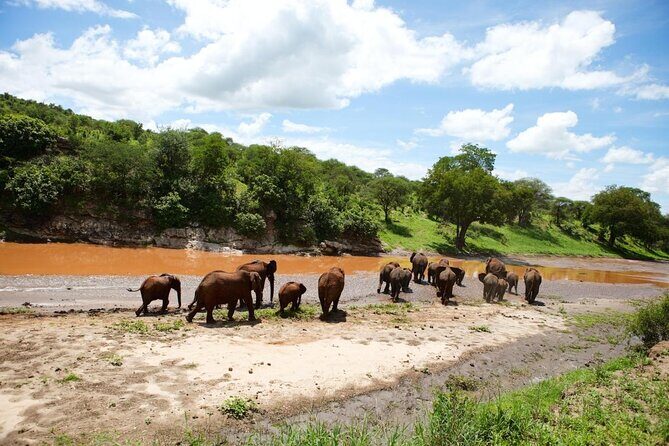
This is a classic northern Tanzania route done the practical way: you don’t just hit a park once and rush out. Instead, you build in enough time for wildlife rhythm—early light, midday heat, and the calmer hours when animals move more predictably.
The trip is also clearly designed for people who want photos without feeling frantic. The parks here aren’t just famous names. They each offer a different “how will I find animals today?” problem, and your guide’s job is to solve it with route choices and timing.
You’re also paying for a private experience. That matters more than many people expect on safari. When you’re not sharing a vehicle full of strangers, your guide can manage stops faster, keep you positioned for the best angles, and adjust drive tempo when something interesting shows up.
You can also read our reviews of more private tours in Arusha

Day-to-Day Magic: Tarangire and the Road Into Serengeti
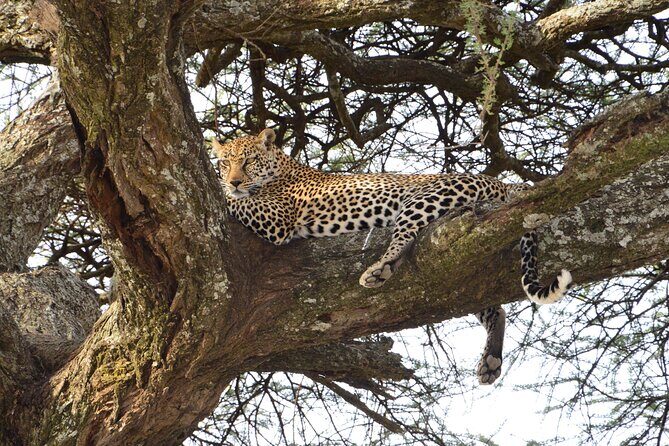
You start with a Tarangire stop, then shift toward the Serengeti with a route that crosses farmland and key conservation areas. That drive time isn’t filler. It’s part of the safari experience—watching how the terrain changes, and getting your eyes trained for spotting movement at long distances.
Tarangire is usually where you get off to a strong start, and the structure of the day is set up for that. You’re not waiting until the last two days to start seeing wildlife. Even if your best animal moments come later, the early exposure helps you learn what to look for: herd edges, tree lines, and the places where animals funnel toward water.
What you’ll likely feel: you’re switching from the height-of-the-day mindset (driving, getting oriented) into the full safari mindset (scanning constantly). If it’s your first time in Tanzania, this transition is where a good guide earns their keep.
Lake Manyara: A Scenic Rift Valley Detour That Changes the Game
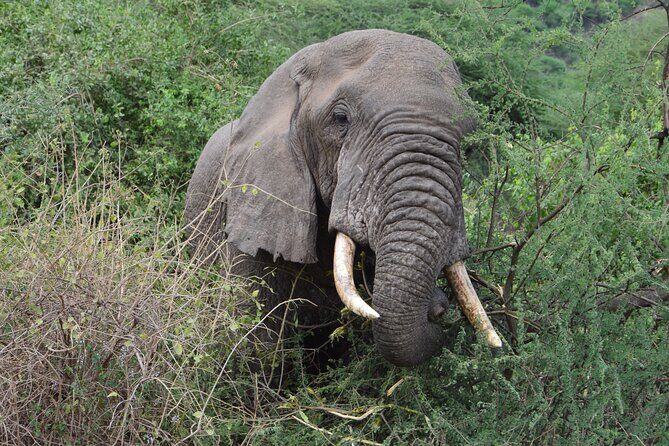
Lake Manyara National Park is described as a scenic strip along the Rift Valley escarpment, and that matters because it’s a different kind of habitat than open savanna. The drive is compact, and you move through vegetation that feels more enclosed than the Serengeti plains.
There’s a Hemingway connection too—Lake Manyara is noted as the loveliest place he’d seen in Africa. That’s the romantic side. The practical side is that Lake Manyara can reward you even when the plains seem quiet, because animals use the forest edge, the water-adjacent areas, and the way the terrain funnels views.
You’ll get a full-day game drive here, with a picnic lunch. That “split the day” rhythm is useful: it gives you a block for active sightings, then a break built around food, and then another block for late-day movement.
A small drawback to be aware of: if you’re expecting flat, easy long-distance spotting the way you imagine the Serengeti, Lake Manyara can feel busier visually. It’s not harder—just different. Your guide’s scanning style and patience matter more in thicker vegetation.
The Serengeti Base: Why Seronera Time Pays Off
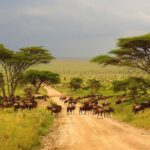
Seronera is where this safari really commits to the Serengeti. The plan focuses on this part of the park because the Seronera River provides a reliable water source, and water pulls animals into predictable patterns.
This is one reason the trip feels efficient. Instead of moving hotels every day, you anchor in the same region and then rotate your approach: early drives, full-day blocks, and then additional sessions later when animals are more active.
Also, Serengeti time isn’t treated like a single long chase. You’ll have repeated chances across multiple days, and that improves your odds simply because wildlife isn’t a vending machine. If you miss a predator encounter on one circuit, another circuit on another day might catch it.
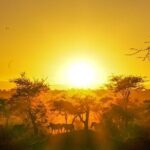
In the evening and late hours, Serengeti can feel different—more atmospheric, more focused. One of the strongest themes from the feedback is how guides find animals without rushing you, which is exactly what you need when you’re staring out at dust and distance and hoping your eye locks on the right shape.
Serengeti Circuits: Sogore River, Visitor Center, and Kopjes
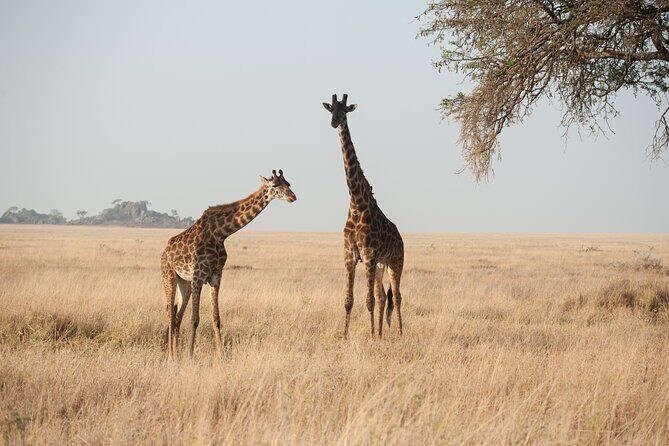
On one Serengeti day, you get an early morning game drive along the Sogore River circuit, then later an afternoon drive around the Maasai Kopjes (using the Kopjes circuit). This mix is smart because it targets different animal behaviors.
- The Sogore River circuit is positioned for sightings of lions and other species associated with water and prey movement.
- The Kopjes are rocky outcrops that change how animals use terrain. Predators use them for vantage points, while some prey and smaller species use the cover and edges.
You’ll also visit the Visitor Center after the morning drive. That’s a good pause for two reasons. First, it helps you translate what you saw into names and behaviors instead of just collecting pictures. Second, it gives you a reality check on the area you’re in—maps, displays, and info that can make the next drive feel less random.
One detail from the safari description that I really like: the Kopjes section includes a chance to see large cobra. That kind of small-but-specific promise matters because it signals your drive isn’t only about the big-ticket animals. It’s about noticing the whole food web.
A few more Arusha tours and experiences worth a look
Ngorongoro: The Olduvai Gorge Pre-Game and the Big Descent
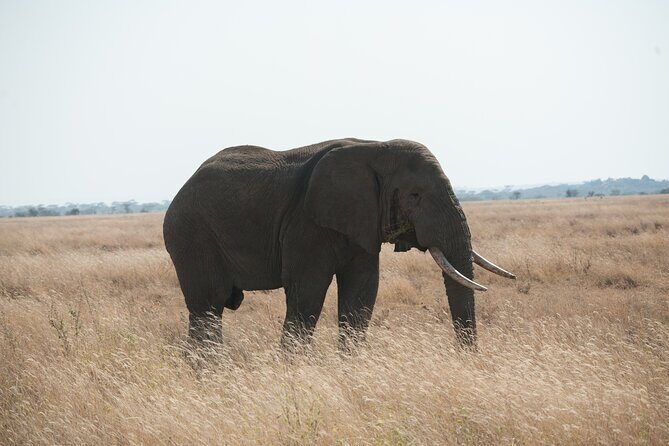
Then you head to the Ngorongoro Conservation Area, and the day starts with a stopover at Olduvai Gorge. Olduvai is famous for the Leakey discoveries, including skulls referred to as Nutcracker Man and Handy Man. That human-evolution stop adds a layer most safari-only routes skip. It breaks up the day so it’s not purely about animals.
After lunch, you descend over 600m into the crater for wildlife viewing. That crater descent changes everything. The air feels different. The viewpoint is different. And the animal density—because of geography and water access—can feel intense compared to open savanna.
You’ll have a half-day safari focus here first, then a second day devoted to the crater floor later. That split is a practical approach. It reduces pressure on any single day, so you can watch without feeling like you must “get it all” on one descent.
Crater Floor Day: Big Five Chances and Ngoitoktok Spring
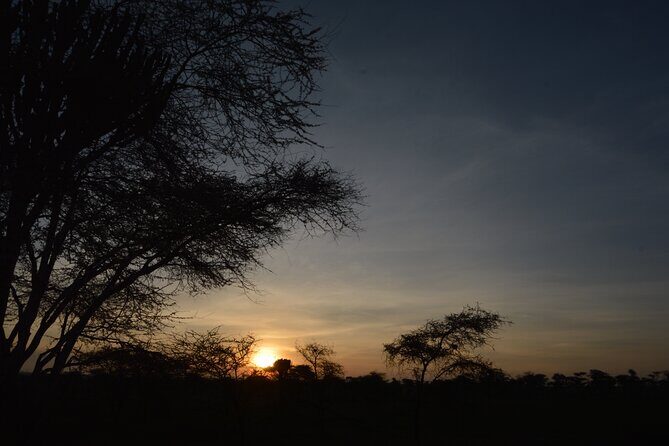
The final safari day starts with an early plan: you head straight to the crater floor for about 6 hours of game watching. This is where the phrase Big Five comes into play in a serious way, because the crater floor can support lions, leopards, elephants, buffalo, and—if luck and timing line up—black rhinoceros.
Even if black rhino doesn’t appear, the crater is still full of life. The description specifically calls out hippopotami, giraffe, warthog, baboons, and lots of birds. In other words, the crater isn’t only about the trophy list. It’s about a busy, enclosed ecosystem that keeps moving.
You’ll also have a picnic lunch down in the crater at Ngoitoktok spring. That’s a great detail to look forward to because it keeps the day continuous. On safari, long breaks between game drives can be annoying. This one keeps you in the action zone.
After about 6 hours, you’ll ascend to the crater rim and start heading back toward Arusha, including an en-route game drive via Mto wa Mbu village. Then you finish the day with drop-off back at the meeting point.
Camping Safari Reality: What Camping Adds (and What to Pack)
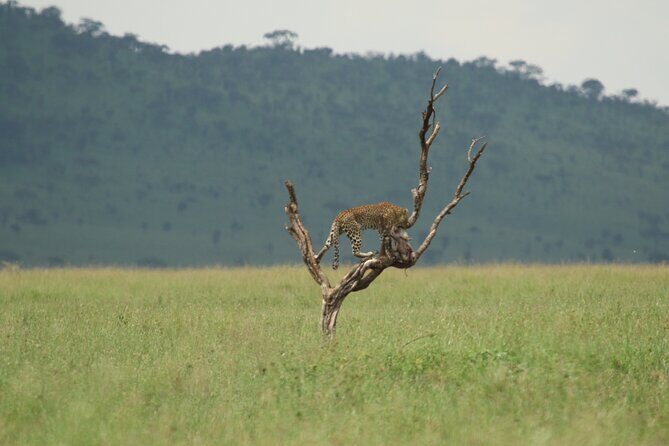
This trip is a camping safari, which means your day doesn’t end with a hotel lobby and room service. You’re sleeping at park campsites like Twiga campsite, Seronera Campsite, and Ngorongoro Simba Campsite (as named in the route). That closeness to wildlife can be magical.
At the same time, camping puts more responsibility on you. You’ll want to be ready for cold mornings and warm days. You’ll also want gear that handles dust and quick temperature shifts. If you’re the type who packs only for sunny beach weather, this is your reminder to think like a safari person.
Good news: the experience is set up to help you relax in camp because meals are included (breakfasts 7, lunches 7, dinners 6). When you don’t have to plan food, you can actually spend your evening enjoying the safari day you just had.
Your Guide and Chef: Why Names Keep Coming Up
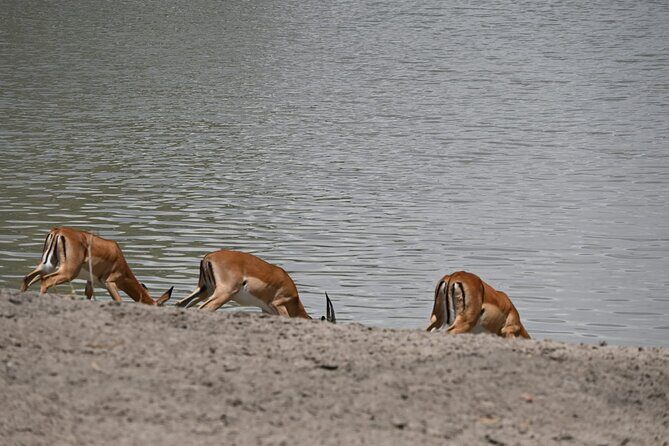
One of the strongest recurring themes in the provided feedback is the guide talent and the team chemistry. Multiple names come up—Max, Ezekiel, James, Damien, Frederick, and Josen—plus chefs Salim, Ben, and Tito.
You can’t guarantee which guide or chef you’ll get, but you can use the pattern as a decision tool. When a safari consistently gets praised for spotting animals, staying patient, explaining wildlife behavior, and driving at a steady pace, it usually means you’re not stuck with a hurried driver who treats the safari like a checklist.
If you want to maximize your odds, ask your operator who will be your guide. And if you see a name like Max, Ezekiel, or James available, it’s worth requesting them. Even if you don’t get that specific person, the key is to pick a team known for calm driving and real wildlife knowledge.
Price and Value: Is $2,600 Per Person Worth It?
At $2,600 per person for roughly 7 days, this is not a budget safari. But it also isn’t priced like a luxury lodge circuit. What makes it potentially good value is what’s explicitly included:
- Meals: 7 breakfasts, 7 lunches, 6 dinners
- Admission tickets are listed as free
- You’re doing a long loop with multiple major parks and crater time
- It’s private, so you’re paying for your group’s exclusive vehicle and guiding attention
Where you should be careful is what’s not clearly spelled out here—like the exact camping setup details. The route clearly places you at named campsites inside or near the parks, so camping is definitely part of it. But specific comfort levels (like hot water, bedding type, charging outlets) aren’t stated in the details you provided.
My practical take: if you’re willing to handle camping style and early starts, the price looks fair for a private, multi-park Big Five-focused route where meals and admission are accounted for. If you need hotel-level comfort, you may find the price hard to justify.
Who This Safari Fits Best (and Who Should Rethink It)
This safari makes sense if you want a full wildlife itinerary with real game-drive time in Serengeti and real crater time in Ngorongoro. It’s also a good fit if you like learning while you travel—there’s a Visitor Center stop, and the guide role is strongly emphasized in the way animals are found and explained.
It may be less ideal if:
- You hate early mornings and long days on the road
- You don’t want camping, even with included meals
- You’re expecting a slow, restful vacation with minimal driving
If you’re traveling as a couple, friends, or a small group that wants flexibility, the private format is a real plus.
Should You Book This Private 7-Day Tanzania Camping Safari?
I’d book it if your priority is wildlife time over comfort, and you want a route that hits the Serengeti and Ngorongoro hard without making you feel rushed. The combination of multiple Serengeti days, a dedicated Olduvai Gorge stop, and 6 hours on the Ngorongoro crater floor gives you a strong chance at memorable animal encounters—and gives you multiple shots at the Big Five list.
I’d think twice if camping nights would stress you out or if you need a slower pace. This safari is made for people who enjoy the hunt for animals with a good guide, not people who want to sleep in every morning.
FAQ
Where does the safari start, and where do I end?
It starts at Jevas Hotel EncoreTZ in Arusha and ends back at the same meeting point.
Is this tour private?
Yes. It’s a private tour/activity, so only your group participates.
Which parks are included in the week?
The route includes Tarangire National Park, Serengeti National Park, Lake Manyara National Park, and Ngorongoro Conservation Area (including Ngorongoro Crater), with a stop at Olduvai Gorge.
How many meals are included?
Breakfast is included 7 times, lunch is included 7 times, and dinner is included 6 times.
Are park admission tickets included?
The tour details list admission tickets as free.
Do I get a mobile ticket?
Yes. The tour includes a mobile ticket.
What is the cancellation window?
Free cancellation is available if you cancel at least 24 hours before the experience’s start time. If you cancel less than 24 hours before, the amount paid is not refunded.