REVIEW · ARUSHA
3-Days Budget Lodge Safari – Tarangire, Ngorongoro & Lake Manyara
Book on Viator →Operated by Simba Adventures · Bookable on Viator
Big cats in three tight days. I love how this safari strings together Tarangire, Ngorongoro Crater, and Lake Manyara fast, without making you juggle ticket lines or constant add-ons. It’s built for limited time, with game drives from an open-roof safari vehicle and a small-group feel.
Two things I really like: the open-roof safari vehicle keeps views clear and close as elephants, zebras, and predators move through the bush. And you’ll get real value because meals, fees, accommodation, and round-trip transfers are included, so budgeting doesn’t turn into a second job.
One consideration: three parks in three days is a full schedule. You’ll do early starts and long driving stretches, and while sightings are strong, some animals are never guaranteed, like cheetahs (rare here) and leopards (seen only now and then).
In This Review
- Key takeaways before you go
- How the tour keeps logistics simple (and your days usable)
- Tarangire National Park: baobabs, elephant encounters, and predator rhythm
- Why elephants here can feel different
- Open-roof viewing: the “closer than you think” advantage
- The one-day drawback in Tarangire
- Ngorongoro Crater: a whole world packed into one descent
- The mammal density is the point
- What to watch for during your crater drive
- The crater-day drawback
- Lake Manyara: shoreline drives, tree-climbing lions, and bird-life payoff
- Tree-climbing lions are the headline, but don’t ignore the other wins
- Open-roof viewing meets lake scenery
- Price and value: what $1,570 covers in real safari terms
- Who feels the best value from this price
- What I’d expect for wildlife outcomes on these three parks
- Who this safari suits best (and who should consider other options)
- Should you book this 3-day safari?
- FAQ
- What parks are included on this 3-day safari?
- How long is the safari?
- What time does the experience start?
- Is pickup included?
- Is the safari vehicle open-roof?
- Are park admission tickets included?
- What meals are included?
- What is not included in the price?
Key takeaways before you go
- Open-roof game drives for unobstructed wildlife viewing
- All meals and park fees included, so fewer surprises
- Tarangire’s elephant territory with animals that are often not disturbed by vehicles
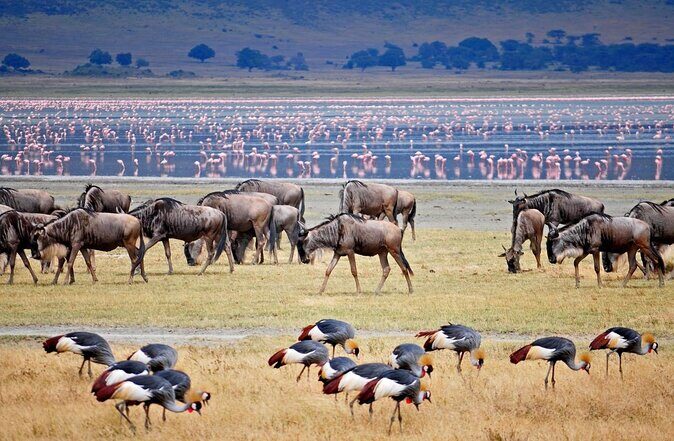
- Ngorongoro’s crater “world” packed with mammals and big predators
- Lake Manyara’s tree-climbing lions as the headline, plus lots of birds and primates
- A private small group for more guide attention during drives and stops
How the tour keeps logistics simple (and your days usable)
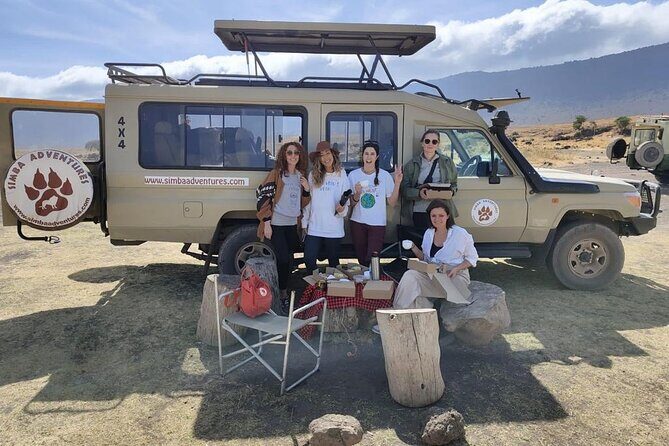
This is the kind of safari that makes sense if you want the highlights without spending every waking minute coordinating details. You’re picked up from your hotel in Arusha around the morning start, and you’re moving on to each park with a plan that doesn’t leave you guessing what comes next.
The biggest practical win is that key safari costs are handled up front: admission tickets are included, and so are all meals plus accommodation for the nights. In real terms, that means you’re less likely to get stuck doing math in the middle of the day, or paying gate-by-gate and meal-by-meal.
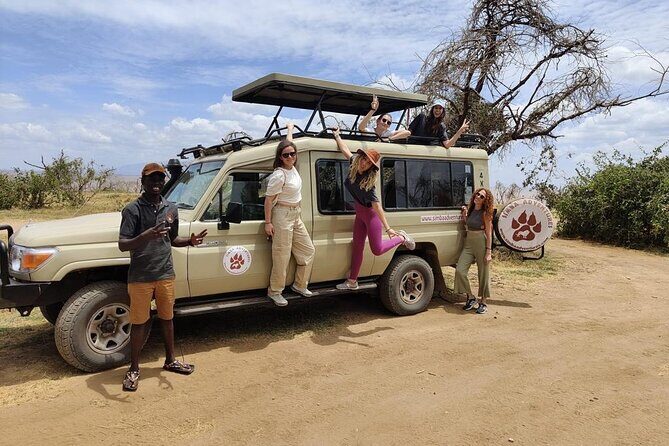
You also ride in private transportation, and the experience is set up as a small-group tour where it’s only your group. That matters because safari vehicles can otherwise feel crowded and rushed. Here, you’re more likely to get the guide’s attention when you need it—like when animals appear suddenly or when you want a quick explanation of what you’re seeing.
A few more Arusha tours and experiences worth a look
Tarangire National Park: baobabs, elephant encounters, and predator rhythm
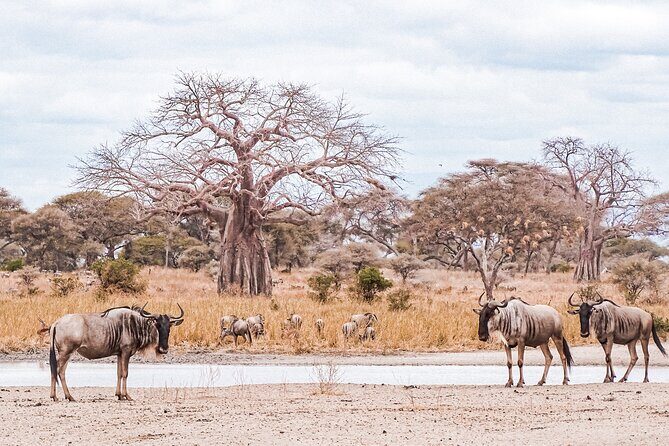
Tarangire is one of those parks that feels immediately different. You start with the giant baobab trees and the mix of bush savannah and seasonal marsh areas. Even before you spot much, you get that “this is why people come” feeling as the terrain opens up and wildlife tends to concentrate.
On the drive day, you leave after breakfast and spend about six hours in the park with a picnic lunch box included. The timing is useful: it gives you a solid block for scanning for elephants and also enough daylight for predator chances later in the session.
Why elephants here can feel different
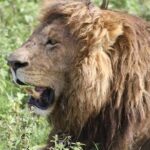
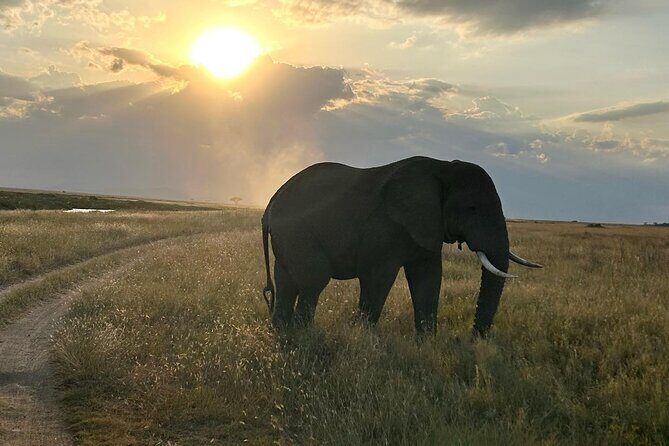
Tarangire is famous for elephants, and the tour’s description points to a helpful detail: elephants are often not disturbed by vehicles. That doesn’t mean you’ll see them constantly, but it does mean your encounters are more likely to feel calm and natural rather than like you’re forcing the animals to respond to noise and movement.
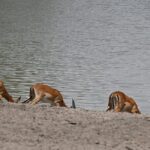
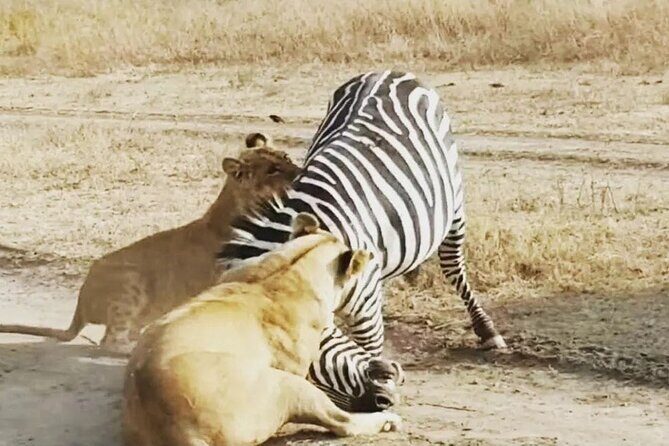
In the mix, you can also expect common big-herbivore neighbors: buffalo, zebra, and wildebeest, with predators like lions often following the pattern of those herds. Leopards are possible but not the main expectation, and the tour info notes cheetahs are rarely spotted. Translation: if cheetahs are your top dream animal, you should temper expectations and stay flexible.
Open-roof viewing: the “closer than you think” advantage
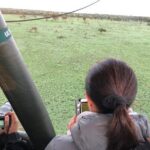
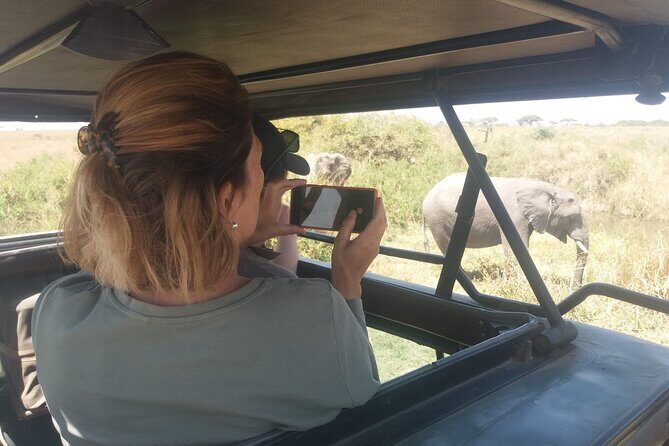
Riding in an open-roof safari vehicle changes how you experience the park. You’re not fighting glass glare. You’re positioned to see movement across grass, behind acacia shapes, and along the marsh edges where animals come to drink or feed. That open view also helps for quick photo moments when the action happens fast.
The one-day drawback in Tarangire
Tarangire’s strength is variety and steady wildlife interest, but it’s still wildlife. You can do everything right and still miss specific cats. The tour is a good fit if you love a mix—elephants plus zebra plus predators—rather than chasing one single species.
Ngorongoro Crater: a whole world packed into one descent
The next day takes you to Ngorongoro Crater, and the tone shifts. This is not a “drive and hope” park. It’s a place where the scenery and the wildlife density work together.
You head out with an early breakfast, arrive at the Ngorongoro main gate, then descend into the crater floor for a game drive. You’re looking at about six hours of time on the crater, plus a picnic lunch, before leaving in the early afternoon.
The mammal density is the point
The crater is described as home to over 25,000 mammals. That kind of number matters because it changes the odds of what you might see. You’re not waiting in silence for a single animal to wander by. You’re scanning a system where predators and prey live side by side.
The tour info also frames it with the full “Big Five” set: lion, elephant, buffalo, rhino, and leopard. And it doesn’t stop there. You can also see spotted hyenas, rare wild dogs, and a large bird population—more than 500 bird species in the area.
What to watch for during your crater drive
Here’s the practical way to think about Ngorongoro: you’re looking for patterns. When herbivores group in one area, predators often follow. When you spot a movement line—two or three animals shifting position at once—don’t just watch the first animal. Watch the whole scene for the “signal” that something else is approaching.
Because this is a crater, you’ll likely feel like your field of view is constantly changing as the vehicle moves along. Take advantage of that by listening to your guide’s quick pointers (for example, where animals were active earlier in the drive).
The crater-day drawback
Ngorongoro is intense. Even with a planned six-hour crater game drive, you’ll still feel the pressure of time because wildlife can appear and disappear quickly. If you’re someone who needs long, slow breaks between activities, you might find the day a bit compressed.
Lake Manyara: shoreline drives, tree-climbing lions, and bird-life payoff
Lake Manyara is the “different energy” day. The approach is part of the experience: you enter the park through shaded areas, passing a groundwater forest before reaching the lake shore.
The park day runs about seven hours, with a picnic lunch served during the day. And while it’s known for tree-climbing lions, the guidance here is smart and honest: you’re more likely to encounter elephants, buffalo, primates, and strong bird life.
Tree-climbing lions are the headline, but don’t ignore the other wins
Even if tree-climbing lions are the star in the stories, Lake Manyara’s best value for most people comes from the variety. You’re dealing with a park where birds can be a serious attraction, and primates can show up in short bursts while you’re scanning for the larger mammals.
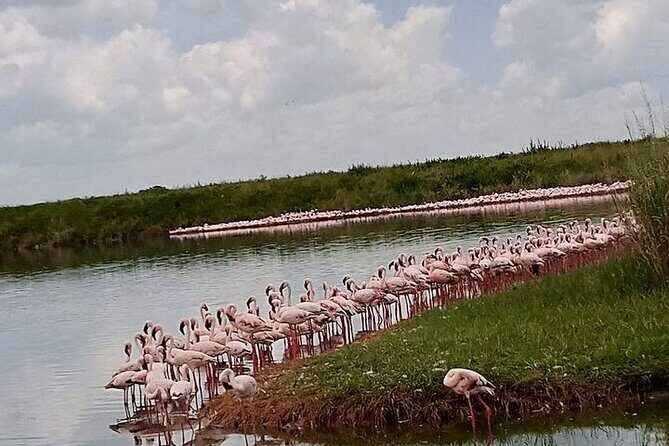
Bird-life is repeatedly emphasized as a highlight, and it fits with the lake setting. So when you stop to look for mammals, don’t forget to shift your focus upward. A great bird sighting can make your day even if a major cat isn’t in view.
Open-roof viewing meets lake scenery
As with the earlier parks, you’ll be in an open-roof vehicle. That’s useful because Lake Manyara’s action can be partly in the distance—animals moving along the shore, birds stirring as you change viewpoints, and everything reacting to the light and wind.
After you leave the park in the early afternoon, you drive back to Arusha. That makes the third day feel more like closure than a cliffhanger, which is a plus if you don’t want to end your safari exhausted in the dark.
Price and value: what $1,570 covers in real safari terms
At $1,570 per person, this is not a cheap “bucket-list” add-on. But it’s also not built like a pay-more-at-every-step safari.
Here’s what the price includes: all accommodation, all meals (breakfast, lunch, and dinner), admission tickets, and private transportation plus all fees and taxes. It also includes the dinner count you’d expect across a short safari—two dinners and multiple lunches—so you’re not hunting for food options between parks.
The value angle is straightforward: safari budgets can explode when meals, entry fees, and transfers aren’t wrapped together. This one tries to keep you on the same plan from start to finish. The only things listed as not included are beverage drinks and travel insurance.
Who feels the best value from this price
You’ll likely feel the best value if:
- You want three famous parks in a short time window
- You prefer not to manage separate vendors for drives, food, and park access
- You like the small-group setup, where the guide can stay hands-on
If you’re traveling with people who want to move at different speeds, a tightly scheduled program can be harder. But for a time-limited safari, this structure is the point.
What I’d expect for wildlife outcomes on these three parks
No safari can promise a specific sighting. But this route is designed around strong animal variety, and the descriptions support that.
Tarangire emphasizes elephants plus a predator presence led by lions following prey. Ngorongoro is built around density—lots of mammals, including the full Big Five set mentioned for the crater area. Lake Manyara adds the chance for tree-climbing lions, with a more realistic expectation of elephants, buffalo, primates, and bird-life.
And one of the most-liked takeaways from the experience itself is simple: the wildlife can share the same general territories in noticeable numbers—elephants, lions, zebras, buffalo, and hippos are specifically called out as part of the kind of mix people remember. That’s the safari “wow” factor you’re paying for here.
Who this safari suits best (and who should consider other options)
This 3-day budget lodge safari is a good match for:
- People who want the Tanzanian highlights fast: Tarangire, Ngorongoro, Lake Manyara
- First-time safari travelers who want a clear route with fewer logistical headaches
- Anyone who likes open-roof wildlife viewing and wants the guide to handle the timing
It may be less ideal if:
- You want lots of downtime and slow pacing
- You’re the kind of traveler who gets grumpy about early starts and packed days
- You’re chasing one extremely rare animal and only want that exact sighting
Should you book this 3-day safari?
If your goal is to see a lot of Tanzania’s wildlife and scenery in very limited time, I think this is a smart choice. The biggest reason is practical: meals, fees, lodge nights, and transfers are included, so you spend less energy managing costs and more time watching animals.
Book it if you like a focused route and you’re excited by elephant country, crater wildlife density, and Lake Manyara’s mix of mammals and bird-life. Skip it only if you’re demanding a guarantee for a rare sighting, because safari outcomes always come down to timing, weather, and animal behavior.
If you’re ready for an active three-day burst, this one gives you a well-organized way to hit three major parks without turning the trip into an admin project.
FAQ
What parks are included on this 3-day safari?
Tarangire National Park, Ngorongoro Crater, and Lake Manyara are included.
How long is the safari?
It runs for about 3 days.
What time does the experience start?
The start time is listed as 8:30 am, with pickup from your hotel around the morning start.
Is pickup included?
Yes, pickup is offered and the tour includes round-trip transfers.
Is the safari vehicle open-roof?
Yes. You’ll explore by open-roof safari vehicle for game viewing.
Are park admission tickets included?
Yes. Admission tickets are included for each park stop.
What meals are included?
All meals are included: breakfast, lunch, and dinner (two dinners total).
What is not included in the price?
Beverage drinks and travel insurance are not included.