REVIEW · MOSHI
8 Days 7 Nights Private Lodge Safari
Book on Viator →Operated by Face of Africa Adventures · Bookable on Viator
That first day of Tanzania is all motion and ease. You land at Kilimanjaro, meet your driver-guide, and settle into your lodge routine before the parks start pulling you in. I like how this trip is built around private vehicle time in a small group (typically 5 to 7 in a jeep) so you can keep your focus on the animals, not the logistics.
Two things really stand out for me. First, you’re not rushed from park to park nonstop; the days in Serengeti are flexible so you can choose full-day drives or a more relaxed rhythm. Second, the routing makes sense for wildlife: Tarangire for elephants, Serengeti for broad plains and predators, then Ngorongoro for the crater’s famously concentrated sightings. One drawback to weigh is that quality can vary: one past traveler flagged food and accommodation that did not match the promise, so it’s worth confirming the exact lodge/tent category before you pay.
In This Review
- Key highlights worth noting
- Moshi to the Wild: what you’re really buying with this safari
- Day-by-day flow: how the parks are paced
- Day 1 in Moshi region: arrival, dinner, and a buffer night
- Day 2: Tarangire National Park game drives (elephants and the first predator chances)
- Day 3: Serengeti through Ngorongoro Conservation Area, plus an optional Olduvai detour
- Day 4: Serengeti with real flexibility (timing becomes part of the experience)
- Day 5: Serengeti again, but tuned toward your “favorite animals” and birds
- Day 6: Ngorongoro Conservation Area day, still hunting new sightings
- Day 7: Early Ngorongoro Crater game drive (the concentration day)
- Day 8: One last Moshi morning, then fly out
- Vehicles, comfort, and what the small details mean
- Food and drinks: mostly handled, but confirm the quality tier
- Value at $3,811.16: is it worth it for what you get?
- Who this safari suits best
- Should you book this 8-day private lodge safari?
- FAQ
- How long is the safari?
- Where does the tour start?
- Which parks are included?
- Is this a private safari?
- What kind of vehicle do you use for game drives?
- Are meals included?
- Are game drives included in the price?
- Can I visit Olduvai Gorge Museum during the trip?
- What’s not included?
Key highlights worth noting
- Small-group private jeeps (5–7 per vehicle, with extras if needed) for a calmer safari feel
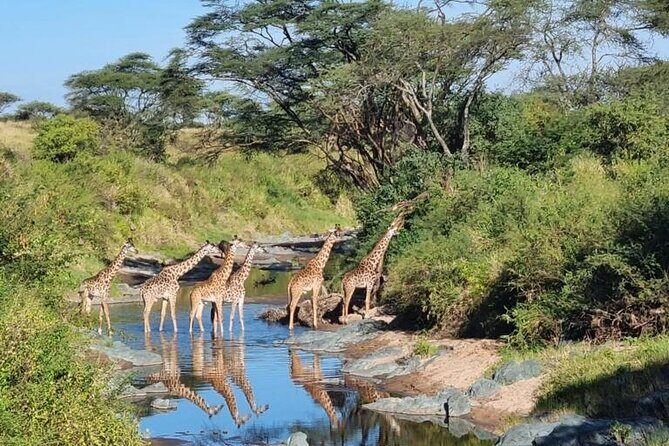
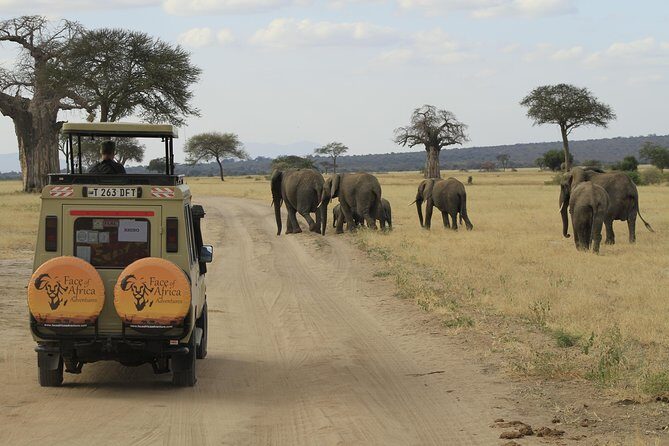
- Tarangire’s elephant country, plus chances for lions, giraffes, and zebras
- Serengeti flexibility in central or northern areas based on migration movement and timing
- Ngorongoro crater focus with an early start and game drives included
- Meals handled on the itinerary: breakfasts, lunches (often as lunch boxes), and dinners are listed as provided
Moshi to the Wild: what you’re really buying with this safari
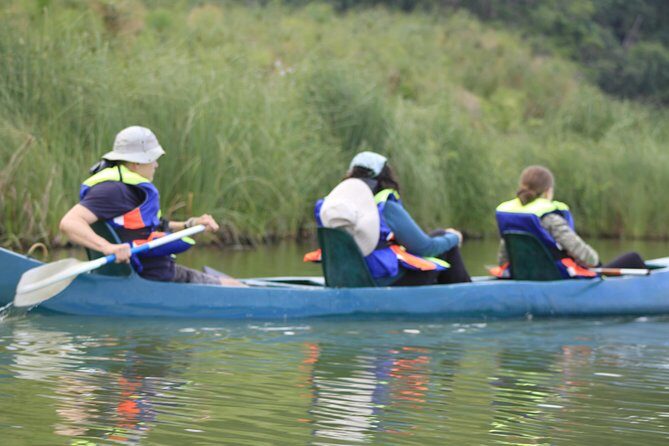
This is the kind of itinerary that works best when you want big-country wildlife without living inside a spreadsheet. You’re starting from Moshi, and you spend your days in three main ecosystems: Tarangire, Serengeti, and Ngorongoro (crater plus conservation area). That trio is a classic Tanzania route because each place rewards you differently.
Tarangire is often where you get your first strong “wow” moments, especially if you’re hoping for elephants. Serengeti shifts the experience toward predators, birds, and long open views where you can watch the savanna patterns unfold. Ngorongoro changes the game again: walls, altitude, and a crater floor that tends to concentrate wildlife.
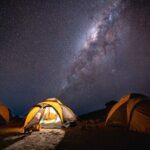
The “private lodge” style matters here too. The overview frames it as luxury canvas tent or lodge living with campfire evenings and stars overhead. Even if your exact comfort level depends on the property category, the structure is aimed at keeping the days enjoyable, with time to rest between drives.
You can also read our reviews of more private tours in Moshi
Day-by-day flow: how the parks are paced
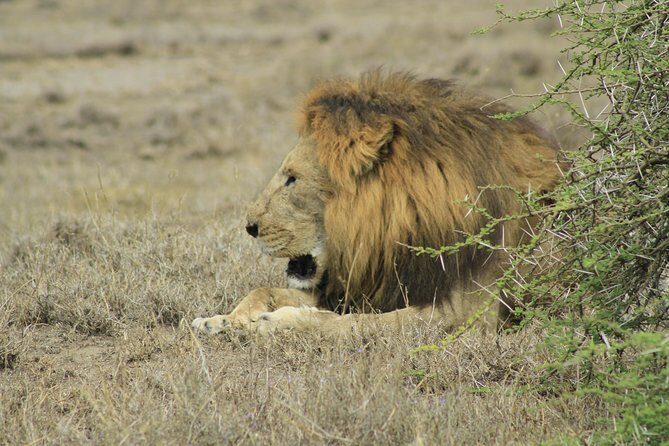
Here’s what the schedule is doing for you, day by day, and what you should watch for.
Day 1 in Moshi region: arrival, dinner, and a buffer night
You touch down at Kilimanjaro International Airport and meet your driver-guide for a short introduction, then transfer to a hotel/lodge in Usa River for dinner and overnight. If your arrival time is early enough, you get a chance to walk around the area and get your bearings before the safari rhythm begins.
This first night is a smart buffer. It reduces the chance that you’re scrambling on day two, tired and behind. You also get bottled water right away, which sounds small until you’ve been in a hot airport and you’re grateful for the basics.
Day 2: Tarangire National Park game drives (elephants and the first predator chances)
After breakfast, you head to Tarangire National Park for game drives and wildlife viewing. Tarangire is Tanzania’s third-largest park and is known for unusually large elephant populations. That matters because elephants are not a “maybe.” They’re one of the targets here, and that tends to make the early safari feel more rewarding.
Lunch is handled as lunch boxes served by your driver-guide. Later, you exit the park and drive to your lodge for dinner and overnight.
Possible consideration: Tarangire days can feel long if you’re sensitive to long road time. The upside is that when the park delivers, it delivers fast.
Day 3: Serengeti through Ngorongoro Conservation Area, plus an optional Olduvai detour
This day is a transfer day, but it’s not a boring one. You travel toward Serengeti National Park via the Ngorongoro Conservation Area, and you get stops at crater-floor viewpoints along the way. That gives you a preview of the big scenery you’ll be getting later.
When you cross into the Serengeti route area, you’ll have picnic lunches and then continue with game drives en route to camp. Your day ends with dinner and overnight at your lodging/camp setup.
Optional add-on: you can visit Olduvai Gorge Museum for about 40 minutes. It’s an archaeological museum where remains and signs of early humans are preserved, connected to Dr. Leakey and Mary Luice.
Why this works: if you like nature plus context, Olduvai adds a meaningful “outside-the-safari” layer. If you want pure wildlife only, you can skip it and keep your energy for the next Serengeti drives.
A few more Moshi tours and experiences worth a look
Day 4: Serengeti with real flexibility (timing becomes part of the experience)
Day four keeps you in Serengeti, and it’s built around flexibility. Your guide discusses timing and you can choose what suits you: morning drive, rest and lunch back at camp, then afternoon drive; or a full day with picnic lunches.
The itinerary also mentions choosing central or northern Serengeti depending on migration movement. That’s important because Serengeti isn’t one single “view.” It changes based on where animals are moving.
A fun detail you can keep in your head: Serengeti’s name is said to come from Maasai language meaning endless plain. That name is basically a clue to expect open views and long sightlines, which can help you spot action even before you’re close.
Day 5: Serengeti again, but tuned toward your “favorite animals” and birds
This day is another Serengeti full drive approach, designed to hunt your personal wishlist: lions, cheetahs, large herds, or whatever you’re most excited about. It also highlights birdlife, including ostriches, kori bustards, secretary bird, and shrikes, plus starlings.
Birdwatching can be the quiet superpower of this safari type. When predators are quiet or hidden, birds keep the savanna alive. This is especially true on plains days where you’re scanning for movement the whole time.
Practical note: you’ll likely be out for long stretches (the itinerary lists about 9 hours for days here), so pack your patience and hydration habits.
Day 6: Ngorongoro Conservation Area day, still hunting new sightings
On day six you head toward the Ngorongoro Conservation Area again with packed lunches. The point is simple: you’re still exploring Serengeti ecosystem connections and giving yourself another chance at animals you didn’t see earlier.
If you got missed by luck in the earlier parks, this is your “second try” day. And even when you see repeats, animal behavior can be completely different across mornings and afternoons.
Day 7: Early Ngorongoro Crater game drive (the concentration day)
Day seven is the crater day. You leave early, go in for game drives, and spend time searching the crater floor for wildlife. The crater is described as having steep walls and being inhabited by many East African species, including the rare and endangered black rhinos.
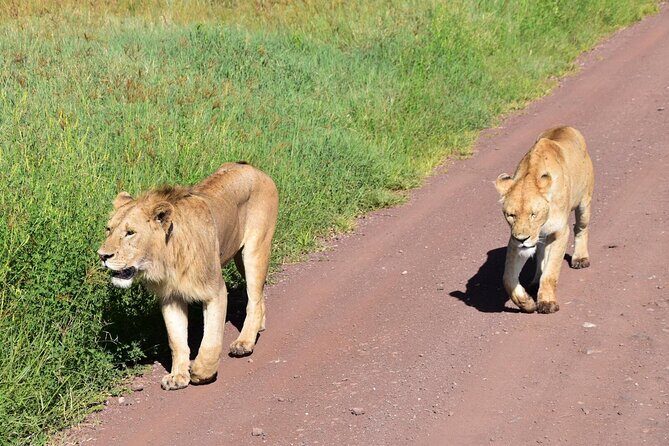
You’re also positioned for other animals listed in the itinerary, such as elands, lions, waterbucks, hyenas, jackals, buffaloes, and African elephants, plus mention of secretive leopards.
This is where timing and patience matter most. The crater can feel like a big open “stage,” but animals still move, and your guide’s local reading of the terrain is what helps you put your eyes on the right moments.
Day 8: One last Moshi morning, then fly out
You get the morning at leisure until departure time, then transfer to the airport for your flight home. That last half-day is intentionally light, which helps if you’re trying to recover from long drives and dust.
Vehicles, comfort, and what the small details mean
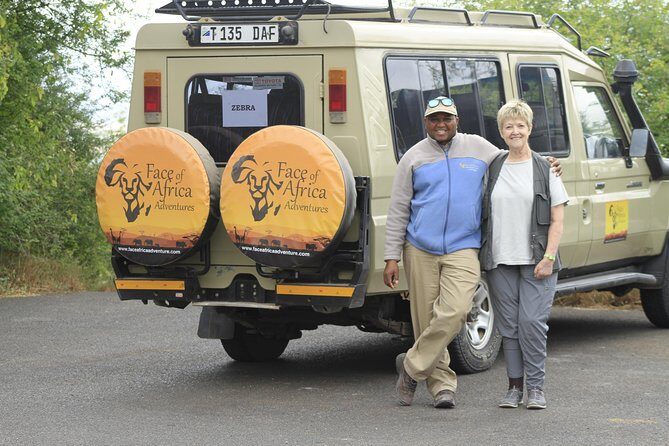
This safari uses modified 4WD Land Cruiser or Land Rover with a photographic roof. That roof detail is more than a perk. It helps you keep your camera steady and your view clear without doing awkward crouches at the window line.
It’s also a private tour, meaning only your group participates. Still, the jeeps have a practical limit: typically 5 to 7 people per vehicle. If your group is larger, the operator says they can add enough jeeps.
On the ground, that affects how much you can talk to your guide and how quickly you can pull into viewpoints. Smaller groups tend to feel calmer, especially on long drive days.
Food and drinks: mostly handled, but confirm the quality tier
Meals listed as included are substantial: breakfasts (8), dinners (6), and lunches (6), plus lunch boxes and bottled water. For many people, this is what makes a safari feel “relaxing,” because you’re not hunting food each day.
Still, one past traveler reported disappointing food and accommodations, and also mentioned an attitude from the driver. That doesn’t mean this trip is consistently bad, but it does highlight a point you should act on: if food and lodge quality are your top priority, ask the operator to confirm the exact accommodation category and what your meals will look like.
Alcohol and non-alcoholic drinks aren’t included, so you may want to plan around that if you drink during downtime.
Value at $3,811.16: is it worth it for what you get?
At $3,811.16 per person, this is not a budget safari. You’re paying for three things that add up fast on the ground:
- Private transportation in 4WD vehicles built for game viewing
- Guiding and park time, including game drives as mentioned and crater service fees
- Multi-day lodging structure with meals and transfers handled
What’s good about the value here is that the itinerary is packed with what you can’t easily DIY: the vehicle setup, game drive scheduling, and the “in-between” logistics between parks. It’s also priced as a private experience rather than a shared group tour, which can matter if you want a smoother rhythm and more personal guidance.
What’s not built into the number is the usual extra reality: tips/gratuities, alcohol, and personal expenses. Travel insurance isn’t included either.
My practical advice: treat the price as “full-service safari,” and then verify two things before committing—your lodge/tent quality level, and whether any extra fees pop up outside what’s listed as included.
Who this safari suits best
This itinerary fits you if:
- You want a private safari style starting from Moshi
- You’re excited by classic Tanzania parks in one smooth circuit
- You want more control over Serengeti day timing (morning vs afternoon vs full day)
- You like the idea of combining wildlife with a possible cultural stop like Olduvai Gorge Museum
You might want to think twice if:
- Lodge and meal quality are deal-breakers for you and you dislike uncertainty—because at least one traveler reported a mismatch
- You’re very sensitive to long drive days (Tarangire and the transfers into Serengeti/Ngorongoro take time)
Should you book this 8-day private lodge safari?
If you want a well-paced wildlife route that hits Tarangire, Serengeti, and Ngorongoro Crater with a private 4WD setup and meals mostly taken care of, this is a strong match. The flexible Serengeti planning is especially useful because it can help you work around animal movement and your own energy levels.
Before booking, do two quick checks that can protect your trip:
- Confirm the exact lodge/tent category you’re assigned so you know what luxury canvas/lodge means in your price tier.
- Ask whether your guide is a strong communicator and what to expect from the daily meal setup, since food quality was praised by some and criticized by at least one prior traveler.
If you confirm those details, you’ll be set for a memorable circuit where the crater day and the Serengeti rhythm do most of the heavy lifting for you.
FAQ
How long is the safari?
It’s listed as 8 days and about 7 nights.
Where does the tour start?
The start point is Kilimanjaro Airport, with a listed start time of 8:30 am.
Which parks are included?
You visit Tarangire National Park, Serengeti National Park, and Ngorongoro Conservation Area plus a game drive inside Ngorongoro Crater.
Is this a private safari?
Yes. It’s described as private, meaning only your group participates.
What kind of vehicle do you use for game drives?
You’ll use a modified 4WD Land Cruiser or Land Rover with a photographic roof.
Are meals included?
Yes. The itinerary lists 8 breakfasts, 6 lunches, and 6 dinners, plus lunch boxes on drive days and bottled water.
Are game drives included in the price?
Yes. It lists all game drives as mentioned and includes crater service fees.
Can I visit Olduvai Gorge Museum during the trip?
It’s optional. You can opt for a museum tour on day three, listed at about 40 minutes, and admission is not included.
What’s not included?
The listed exclusions are travel insurance, personal items, tipping/gratuities, and alcoholic and non-alcoholic drinks.