REVIEW · ARUSHA
Elephant Safari Tanzania 4 Days **Sustainable Approach to Travel
Book on Viator →Operated by World Adventure Tours · Bookable on Viator
Black rhinos in one crater? That’s the draw. This 4-day safari around Ngorongoro and the Serengeti mixes big wildlife moments with camp nights, plus culture stops like a Maasai village and Olduvai Gorge. The timing is built for sightings too: early drives, a crater afternoon, and full-day time in Serengeti.
I especially love two things about this trip. First, it’s a max 6 travelers setup, which usually means less traffic with other vehicles during drives. Second, the price covers the heavy basics like park fees and most meals, so you’re not doing constant add-on math mid-trip.
One consideration: the experience is non-refundable and it does not include visa, flights, or gratuities, so you’ll want to budget for those extras before you lock it in.
In This Review
- Key things to know before you go
- Ngorongoro Crater: big-game viewing and rare rhino odds
- Serengeti National Park: why you get more than one shot
- 4×4 comfort and timing: the small details that affect your sightings
- Maasai Village and Olduvai Gorge: culture stops with real context
- What the camps get right: full-board and the rhythm of the day
- Guides and wildlife spotting: where the value really shows
- Price and what you’re actually getting for $1,500
- Sustainability note: what you can confirm before you book
- Who this safari fits best (and who should look elsewhere)
- Should you book Elephant Safari Tanzania 4 Days?
- FAQ
- What towns are pickup available from?
- What time does the safari start?
- What parks and sites are included in the trip?
- Are meals included?
- Is bottled water provided during the safari?
- Is there a limit on group size?
- What is not included in the price?
Key things to know before you go
- Small-group pace (maximum 6 travelers) helps keep drives calmer and more personal.
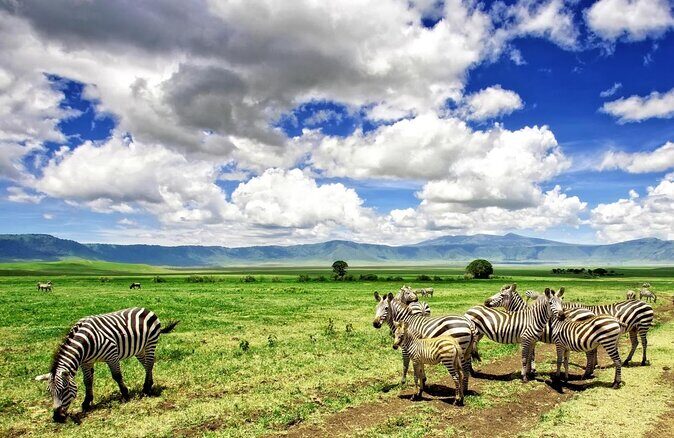
- Serengeti time you can feel: one full day plus another shorter drive day for flexibility.
- Ngorongoro for black rhinos and famous lion sightings from the crater viewpoints.
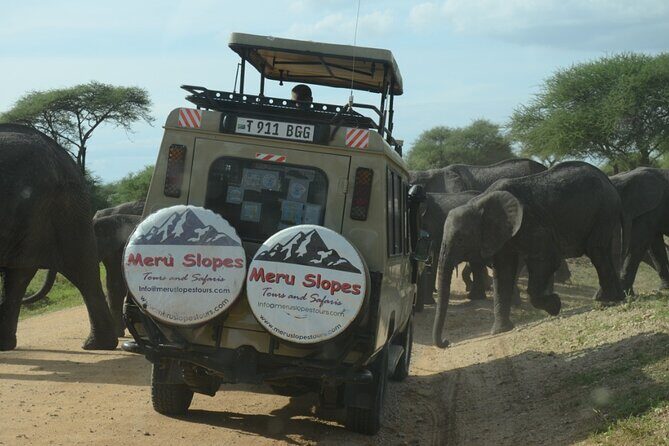
- 4×4 vehicles with viewing roofs make it easier to track animals without fighting for position.
- Full-board camp stays (breakfast, lunch, dinner included) so you can focus on wildlife instead of schedules.
- Culture stops are built in with Maasai Village and Olduvai Gorge included.
Ngorongoro Crater: big-game viewing and rare rhino odds
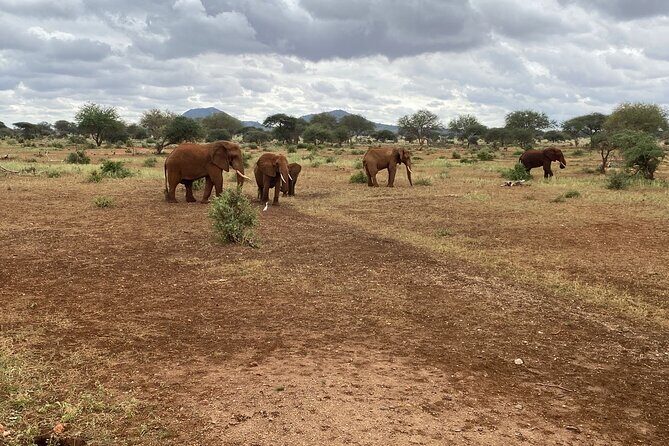
If Tanzania safari had a “greatest hits” stop, Ngorongoro would be on the front page. You start with pickup from Moshi or Arusha and drive into the Ngorongoro Conservation Area, aiming for game drives in the crater. This matters because crater lighting and animal movement can change quickly through the day, so you’re not wasting your first day hanging around camp.
Here’s what you’re specifically geared to look for:
- Black rhinos (not easy anywhere, and a major reason this crater is a target).
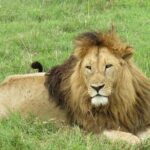
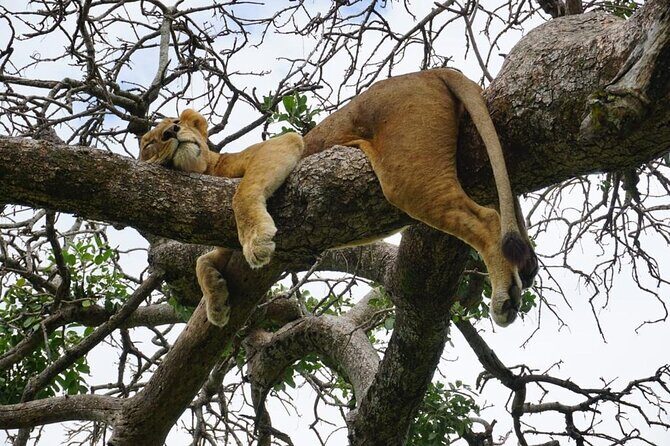
- Lion prides, including black-manned males, which is the kind of detail that helps you know what to scan for.
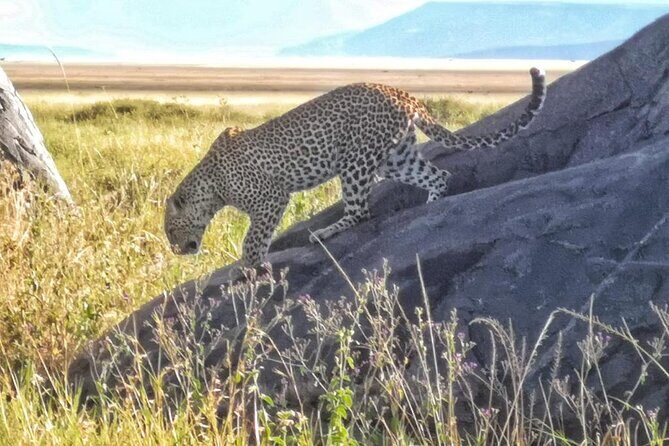
- Lots of bird life: flamingoes and other water birds, plus other mammals like leopard, cheetah, hyena, and antelope species.
Late afternoon is when the vibe shifts. You’ll leave the crater area and head to Ngorongoro Wild Camp (or similar) for the evening. Even if you’re not a camp person, this is a nice rhythm: you’re out driving when animals are active, then you get your downtime before the next park day. And yes, the tour is designed for nights under the stars, which in this part of the world can feel genuinely close and quiet.
One practical note: crater days can mean lots of hours in a vehicle. The included bottled water in the safari vehicle helps, and a viewing-roof 4×4 lets you see comfortably without constantly leaning or fighting for angle.
A few more Arusha tours and experiences worth a look



Serengeti National Park: why you get more than one shot
Serengeti is the headline, but what you’re buying here is time. You don’t just do a quick loop. You get several separate Serengeti driving windows across the trip, which improves your odds of seeing different animal behavior patterns.
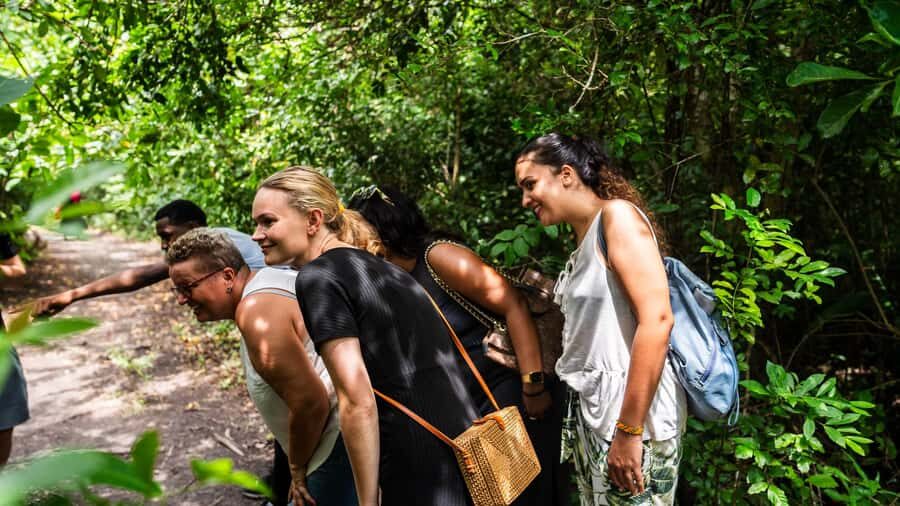
You travel from Ngorongoro toward Serengeti after breakfast on Day 2. En route, you have an option to visit a Maasai village, and that stop is one of the reasons this safari isn’t just about driving and scanning. You get a chance to learn about Maasai culture and, if it fits the day, participate in cultural activities. Whether you love culture stops or you tolerate them, this one is small enough that it doesn’t derail your wildlife focus.
Once you reach Serengeti, you’ll enjoy a game drive and then overnight at Serengeti Wildebeest Camp (or similar) with dinner and rest. The camp setup matters: the “full board” approach means meals are handled, so you don’t spend your evenings negotiating food logistics while you’re already tired from the day’s sightings.
Day 3 is your main Serengeti day. After breakfast, you go out for a full day of game viewing, with a picnic lunch. That detail is more useful than it sounds. A picnic lunch generally means fewer interruptions and less back-and-forth to camp, so you keep rolling through prime viewing hours. You’ll spend the day inside a World Heritage site known for its very high concentration of plain game, meaning you’re not just hoping to find animals—you’re in a place where the odds are naturally strong.
On Day 4, you get a half-day game drive before driving back to Arusha or Moshi in the afternoon. It’s a good final act: not too long to exhaust you right before travel day, but enough time to catch something you missed earlier.
4×4 comfort and timing: the small details that affect your sightings
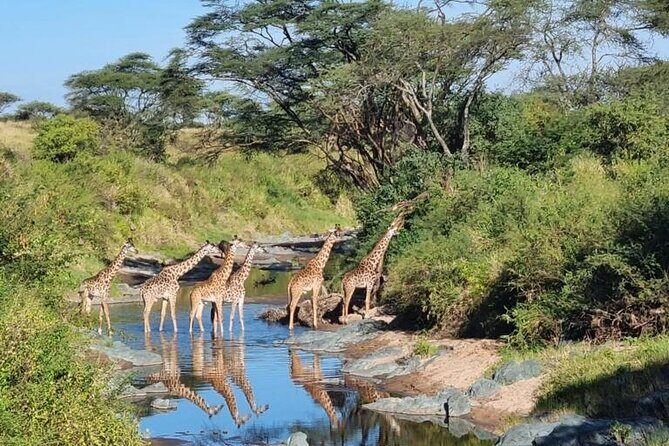
When people say safari is about patience, they usually mean waiting. But in a practical sense, it’s also about position. This tour uses 4×4 vehicles with viewing roofs, which can help you spot animals more easily, especially when the animals are farther out or when people are trying to scan in different directions.
The tour also builds in a sensible start time: the day begins at 7:30 am. Early starts aren’t about glamour; they’re about animal activity and cooler conditions. You’ll feel the benefit on crater and plains drives because the day doesn’t waste its first hours.
Another comfort-related inclusion: bottled water in the safari vehicles. You’ll still want your own habits—snacks, sunscreen, and a hat—but water being provided removes one more friction point in the middle of long drives.
Finally, the group size limit to up to 6 travelers is not just a nice-to-have. Fewer people can mean smoother communication with your guide and less vehicle shuffling. It doesn’t guarantee you’ll be alone in the park (no safari can promise that), but it often improves the feel of the day.
Maasai Village and Olduvai Gorge: culture stops with real context
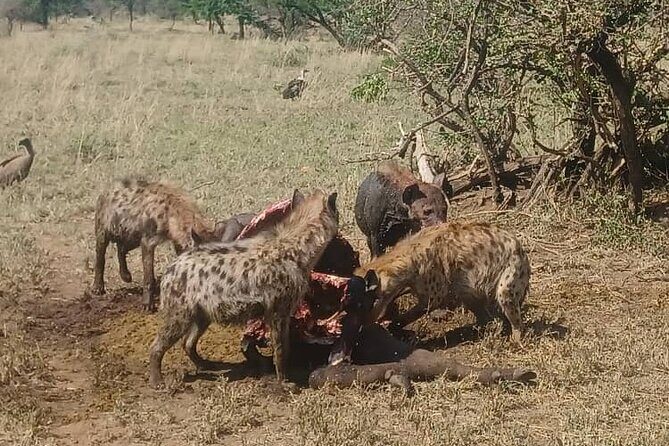
One thing I like about this safari design is that it doesn’t treat culture as an optional detour you squeeze in if there’s time. Maasai Village visit is part of the plan, and Olduvai Gorge is included.
The Maasai portion is positioned early enough to still let you focus on wildlife afterward. You can explore Maasai culture and even take part in cultural activities if you choose to. That choice matters. Some people want interaction; others want a quick look and a few respectful photos. The tour format gives you a way to set that tone.
Olduvai Gorge adds another kind of context. It’s not just “a stop.” It’s a reminder that you’re not only looking at wildlife—you’re in one of the world’s most meaningful places for understanding human history and the development of early life. The key for you is simple: bring curiosity. Even if you’re not a museum person, this kind of stop helps the rest of your trip make sense beyond animals and photos.
If you care about a more responsible encounter style, ask your guide how they manage cultural visits and what kind of participation is appropriate. The data doesn’t specify rules, so you’ll want to confirm expectations directly with your provider.
What the camps get right: full-board and the rhythm of the day
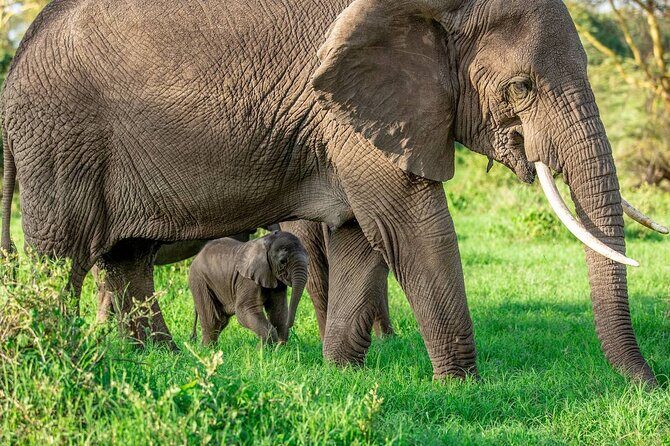
You’re sleeping at Ngorongoro Wild Camp (or similar) on the crater night, then moving to Serengeti Wildebeest Camp (or similar) for two nights. The big practical win is that you’re on full board for these stays, including meals across the days.
That matters because safari days are long. When breakfast, lunch, and dinner are handled, you can spend your mental energy on the wildlife rather than where to eat next. And since you’re often returning late from game drives, a camp that has the schedule worked out is a real quality-of-life upgrade.
Also, the itinerary is clearly built around day-to-night rhythm:
- Late afternoon drive after crater viewing
- Dinner and overnight at camp
- Then early game drives the next morning
This reduces stress. It’s the difference between a trip that feels like a series of checklists and one that feels like a flow.
A few more Arusha tours and experiences worth a look

Guides and wildlife spotting: where the value really shows
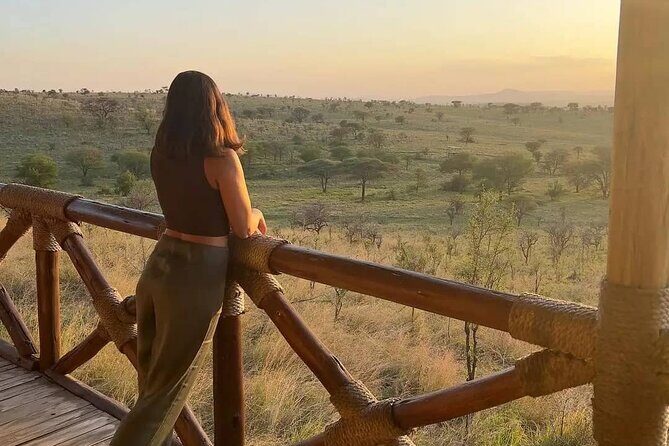
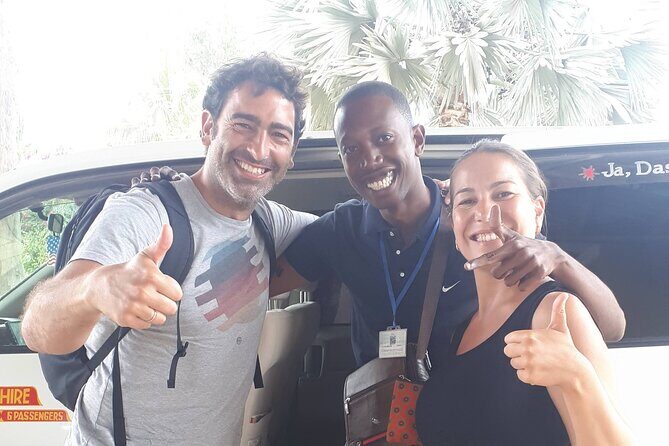
A safari can look similar on paper, but your guide can make it feel totally different. The tour is staffed with a professional English-speaking driver/guide, which is huge. Safari interpretation is not just trivia. Good guidance helps you understand behavior, movement, and what to watch for without burning the whole day in confusion.
You may encounter guides such as Philemon, Julius, Martin, or Patrick. Across those experiences, the standout pattern is strong explanation of animal behavior and a sharp eye for wildlife and birds. In other words, you’re not just riding around hoping. You’re being guided to notice things you might otherwise miss—especially when the sightings are small at first (a bird, a sign, a distant movement) and then grow into something bigger.
If you’re the type who enjoys learning while traveling, this is where you’ll feel it most. If you’d rather keep chatter low, ask your guide to match your pace. A good guide can do both.
Price and what you’re actually getting for $1,500
At $1,500 per person, the big question is whether this is value or a pretty price tag with hidden gaps. Here’s the grounded answer based on what’s included.
This price covers:
- Park fees
- Professional English-speaking guide/driver
- Transport in 4×4 vehicles with viewing roofs
- Maasai Village and Olduvai Gorge visit
- Meals: breakfast, lunch, and dinner listed across the 4 days
- Bottled water in safari vehicles
What’s not included:
- Gratuities to your guide, hotel staff, and porters
- Tanzania entry visa
- International flights
- Travel and health insurance
So where does the value land? It lands in the items that are annoying to budget for separately—park fees and meal planning. Also, the small-group maximum (6 travelers) suggests less “seat filler” energy and more manageable logistics.
Where the cost can surprise you is the usual safari reality: visa, insurance, flights, and gratuities add up. If you’re trying to keep your total trip budget predictable, build those into your math before you pay.
Sustainability note: what you can confirm before you book
The tour is marketed as a sustainable approach, but the details provided here don’t spell out specific sustainability practices (like waste policy, vehicle emissions strategy, or wildlife viewing guidelines). That doesn’t mean it’s not happening. It just means you should treat sustainability as a question you ask, not a checkbox you assume.
A few smart questions to send before booking:
- How do they manage plastic waste on drives and during picnics?
- What rules do they follow around wildlife distance and vehicle behavior?
- How are camps involved in waste and water practices?
You’ll get a clearer picture, and you can feel confident your safari fits your standards.
Who this safari fits best (and who should look elsewhere)
This safari is a strong match if you want:
- A short safari (4 days) that still includes major targets: Ngorongoro plus multiple Serengeti game-drive windows.
- A small group (up to 6 travelers).
- The structure of full-board stays, so your days flow.
It’s also a good fit for families or mixed groups because the trip is organized around guides, meals, and driving time rather than “DIY hopping.” You’ll still want to consider how comfortable you are with early starts and long vehicle time on game drives.
If you want a luxury-only style with guaranteed private vehicle time, this may not be your match due to the group cap and shared vehicle format. If you want the absolute highest chance of a specific animal on a specific day, you’d also need to know that sightings are never scripted.
Should you book Elephant Safari Tanzania 4 Days?
If your dream includes black rhinos in Ngorongoro, meaningful time in Serengeti, and camp nights that don’t turn your trip into an endless planning exercise, this is a solid booking choice. The included park fees and meals make it easier to compare true total cost against “cheap” safari options that nickel-and-dime you later.
I’d book if:
- You like the idea of two Serengeti days plus a crater day (not just one quick stop).
- You want English guidance and a guide who can help you notice wildlife and birds.
- You prefer small-group energy over big tour buses.
I’d hesitate if:
- You already know you might need to change plans, since the experience is non-refundable.
- Your budget is extremely tight once you add visa, insurance, flights, and gratuities.
If you want, tell me your travel month and whether you’re flying in via Kilimanjaro (JRO) or nearby airports. I can help you think through timing and what to pack for long game-drive days.
FAQ
What towns are pickup available from?
Pickup is offered from Moshi or Arusha.
What time does the safari start?
The start time is 7:30 am.
What parks and sites are included in the trip?
You’ll visit Ngorongoro Conservation Area and Serengeti National Park, plus a Maasai Village visit and Olduvai Gorge.
Are meals included?
Yes. Breakfast, lunch, and dinner are included for the safari days, with full-board stays at the listed camps or similar.
Is bottled water provided during the safari?
Yes. Bottled water is provided in the safari vehicles.
Is there a limit on group size?
Yes. The tour has a maximum of 6 travelers.
What is not included in the price?
Not included are gratuities, Tanzania entry visa, international flights, and travel and health insurance.