REVIEW · ARUSHA
3 Day Safari from Arusha: Serengeti and Ngorongoro
Book on Viator →Operated by Bestday Safaris · Bookable on Viator
Seeing animals in two iconic parks is the whole point. This private 3-day safari from Arusha pairs Serengeti game drives with the famous Ngorongoro Crater, where wildlife is packed into one dramatic place. I like that you get both morning and afternoon time in the bush, not just one token drive.
The other big win for me is the logistics: you’re riding in a 4×4 safari jeep with a pop-up roof, and you’re not doing the hard parts yourself. One thing to keep in mind: this schedule is intense, with long drives between ecosystems, plus you’re spending full days chasing wildlife—so it helps to be ready for an on-the-go rhythm.
In This Review
- Key Points You’ll Care About
- Why This 3-Day Arusha Safari Works: Serengeti and Ngorongoro in One Trip
- Getting From Arusha Into Serengeti: Farmland Roads and the Seronera Water Line
- Serengeti Game Drives: Morning vs Afternoon and What You’re Actually Chasing
- Transit to Ngorongoro Conservation Area: Your En Route Wildlife Time
- Ngorongoro Crater Descent: Dense Wildlife and a Picnic on the Floor
- Jeep Style, Guide Communication, and How to Get Better Sightings
- Food, Water, and Staying Comfortable on Safari Days
- Price and Value: Is $1,460.52 a Fair Deal?
- Who Should Book This Safari (and Who Might Want More Days)
- Should You Book This 3-Day Serengeti and Ngorongoro Safari?
- FAQ
- What parks will I visit on this safari?
- How long is the safari?
- What’s included in the tour price?
- Are park entrance fees included?
- Where does the tour start, and when?
- What happens if bad weather cancels the experience?
Key Points You’ll Care About
- Private tour flexibility so your group can set the pace.
- 4×4 jeep with pop-up roof for better views during game drives.
- Two nights included near the crater area, not just a day-trip whiplash.
- Serengeti Seronera focus with strong wildlife potential around the river area.
- Ngorongoro crater wildlife density plus a picnic lunch on the crater floor.
- Meals and drinking water included, so you can stay focused on sightings.
Why This 3-Day Arusha Safari Works: Serengeti and Ngorongoro in One Trip
If you’re trying to see the real Tanzania without hopping around too much, this plan makes sense. You’ll spend time in Serengeti National Park for classic plains wildlife, then shift to the Ngorongoro Crater for one of the most concentrated wildlife viewing areas in Africa.
The value here is the balance. Serengeti gives you wide-open chance—different behaviors, different herds, changing light—while Ngorongoro compresses the action into a single, “everyone gathers here” kind of setting. That combination is why many people choose to book just a few days: you get variety without turning the trip into a logistics project.
One more practical plus: this is a private tour, so you’re not stuck waiting on a big shared group when the day’s sightings are moving fast. If you want a smoother, more tailored experience, that matters.
A few more Arusha tours and experiences worth a look



Getting From Arusha Into Serengeti: Farmland Roads and the Seronera Water Line
Day one starts with a short briefing and then a drive out of Arusha toward the Serengeti. Along the way you pass through high-lying farmland in the Karatu area and move through the Ngorongoro Conservation Area before the terrain opens up into the Serengeti’s long plains.
This is more than scenery. The route is part of how safari timing works in northern Tanzania: you’re traveling between ecosystems, so you’re usually getting your “first wildlife chances” while you’re still fresh and alert. By the time you reach the central Serengeti area—often tied to the Seronera region—you’re moving into one of the park’s more reliable wildlife zones.
Why Seronera? The area is associated with the Seronera River, and consistent water helps concentrate animals. When water is present, predators and prey both stick around more than they would in drier sections. You arrive with time to have lunch, then you head out for an afternoon game drive in the park.
Serengeti Game Drives: Morning vs Afternoon and What You’re Actually Chasing
This safari builds in two Serengeti drive moments. You get an afternoon drive on day one, then a morning game drive on day two after an early breakfast. I like this because the light and animal behavior shift quickly in the Serengeti.
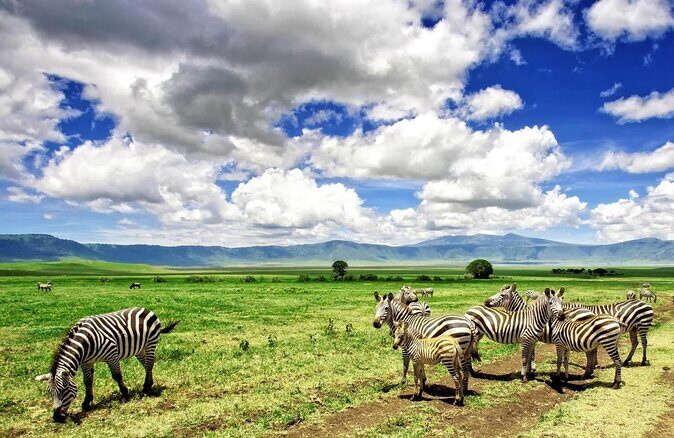
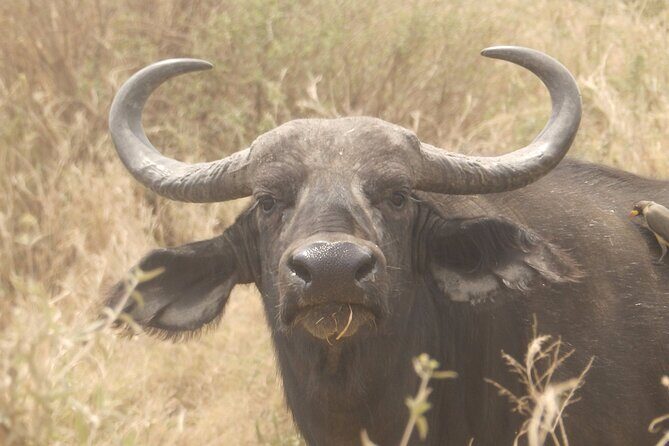
Morning drives often mean more active animals and better chances to see feeding, moving, and vocalizing. Afternoon drives can bring different sightings—sometimes more relaxed herds, sometimes strong predator activity when conditions suit hunting. Either way, you’re in the right place for classic Serengeti moments: zebras, wildebeest, buffalo, and the predators that make those species worth tracking.
You’ll also want to think about what you’re trying to photograph or simply watch. If your goal is big “the moment” sightings, you benefit from multiple drives rather than one long session. If your goal is understanding how herds behave through the day, you also benefit from the morning/afternoon split.
One small realism check: Serengeti is huge. Even when guides do everything right, it’s still a vast park. Your guide’s job is to position you where wildlife is most likely at that moment, and that’s where the guide quality really shows.
Transit to Ngorongoro Conservation Area: Your En Route Wildlife Time
On day two, after breakfast and your morning game drive in Serengeti, you leave the park area for the Ngorongoro Conservation Area. You’ll have time to drive with game viewing en route, which is smart if you hate dead travel stretches.
This part of the trip matters because it sets up the Ngorongoro crater day. You’re not just moving locations—you’re buying more time in the bush during daylight. Even when you’re on the road, the 4×4 jeep and game-viewing focus keep you in safari mode rather than “transfer mode.”
You’ll also spend the night near the crater area, which is a major advantage compared with doing this as a long one-day sprint. The timing helps you start the crater portion in a calmer rhythm instead of arriving exhausted and rushed.
In short, this day’s structure respects the fact that wildlife doesn’t care about your schedule. It gives you more chances and more daylight.
Ngorongoro Crater Descent: Dense Wildlife and a Picnic on the Floor
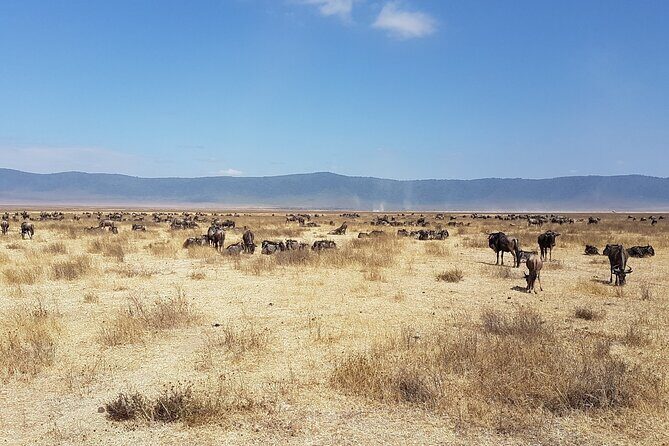
Day three is the big headline: after breakfast, you descend into Ngorongoro Crater for a game drive. The crater is famous for being wildlife-dense, and the numbers in the tour description give you a sense of why it draws so much attention. The crater supports an estimated 30,000 animals, backed by year-round water supply and fodder.
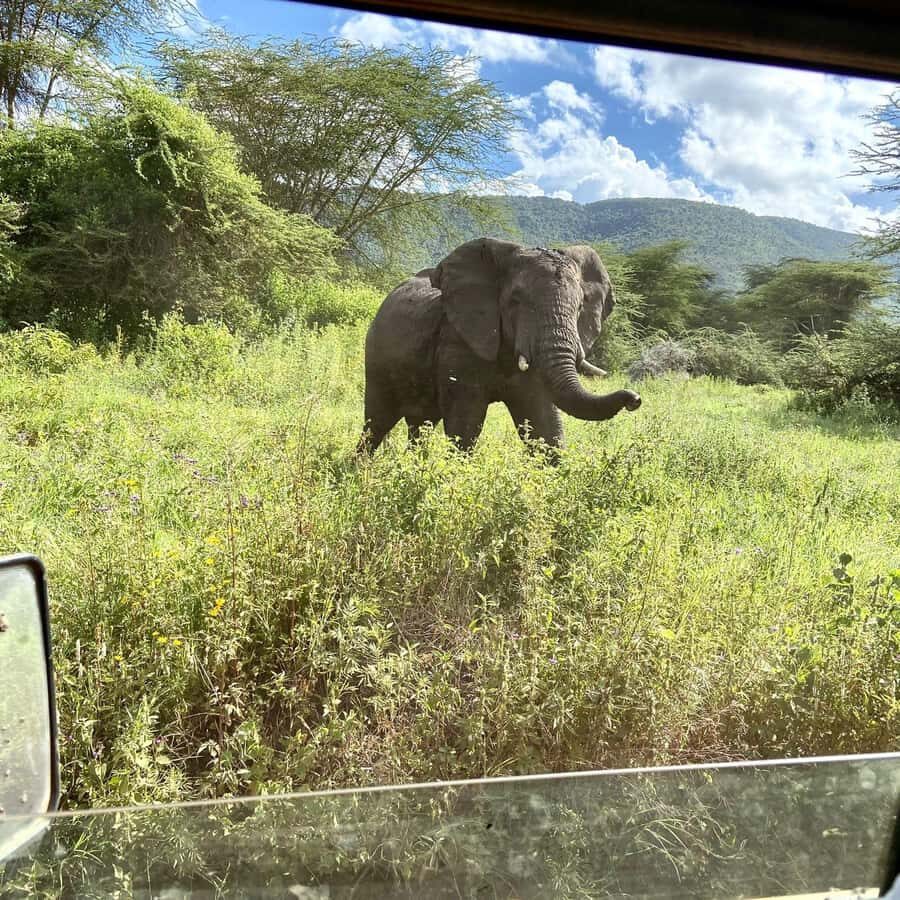
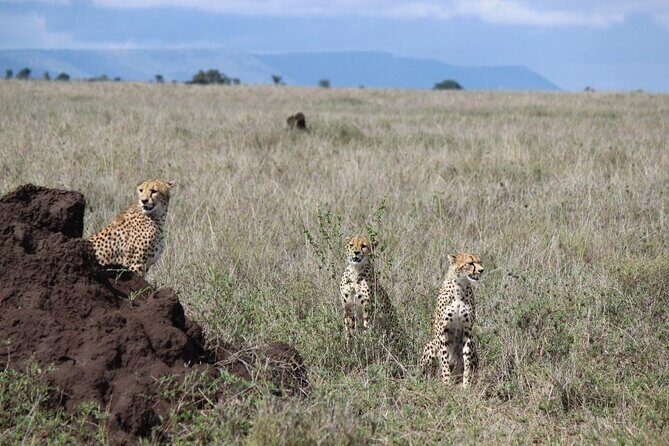
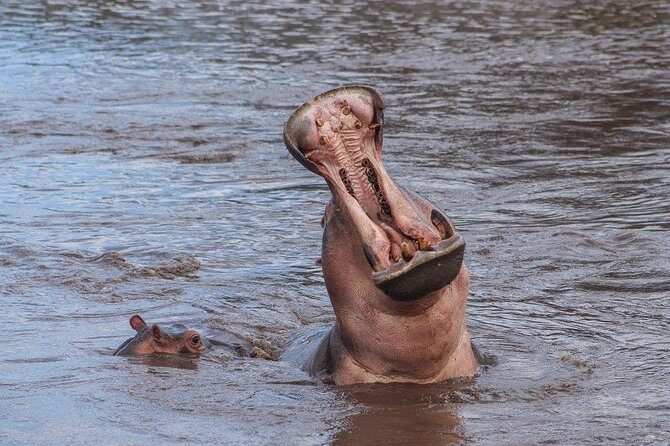
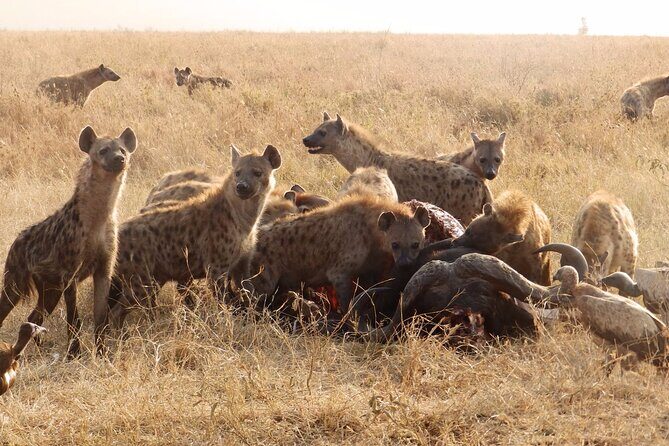
What does that mean for you on safari? It means you’re less likely to feel like you’re constantly searching from scratch. Species the tour mentions include wildebeest, zebra, buffalo, eland, warthog, hippo, and giant African elephants. The crater’s predator variety is also part of the appeal: lions, hyenas, jackals, cheetahs, and the elusive leopard.
You’ll enjoy a picnic lunch on the crater floor, which is one of those practical “you’re where the action is” moments. Eating there saves time and keeps you out of the car when you could otherwise be stuck waiting for logistics.
Afterward, you’ll take a late afternoon drive back to Arusha. That’s the other realism point: the crater day is packed, so your body will feel it. Bring the right mindset—this is a “see a lot” day, not a slow sightseeing stroll.
A few more Arusha tours and experiences worth a look


Jeep Style, Guide Communication, and How to Get Better Sightings
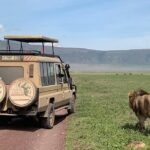
This safari runs in a 4×4 safari jeep with pop-up roof. That matters more than it sounds. Pop-up roofs help you get higher sightlines without contorting your body, and that’s useful when animals are at varying distances or when the best viewing position is just slightly above the surrounding vegetation.
Now, the human side. The most praised aspect of this experience is the guide’s communication and on-the-job familiarity. That’s exactly what you want for a safari: you want clear instructions, good timing, and someone who can keep the experience running smoothly while also positioning you for good sightings.
Because this is a private tour, you’re also more likely to get a “read” on what your group is most interested in—big cats, herbivores, bird life, or just the overall drama of the habitat. If you’re the type who asks questions, a strong guide will turn those questions into better observations rather than just facts.
Quick practical tip: keep your camera settings ready before the drive starts. Wildlife doesn’t wait for you to find the right mode.
Food, Water, and Staying Comfortable on Safari Days
This tour includes meals and drinking water, which is a big quality-of-life upgrade. You’ll have lunch, breakfast, and dinner throughout the three days, plus 1.5 liters of water during safari.
That’s not just about convenience. On safari, you’re outside for long stretches, often starting early and staying active. You’ll feel better—and you’ll make better decisions for your comfort—if you’re not constantly scanning for snacks or trying to budget food on the fly.
Also, you should plan for a mix of conditions. Northern Tanzania can be warm, and crater mornings can feel different from plains afternoons. Your best bet is to dress in layers you can manage easily, and keep your water access simple so you drink steadily.
The picnic lunch at Ngorongoro is a special case. It’s built into the crater timing, so you get sustenance without breaking your flow.
Price and Value: Is $1,460.52 a Fair Deal?
At $1,460.52 per person for a 3-day safari, the price can look steep if you compare it to DIY travel. But this isn’t a DIY day trip. You’re paying for transportation, park access, guiding, and included lodging—plus the time efficiency of not having to arrange separate pieces.
Here’s what your money covers, based on the tour details:
- All fees and taxes
- A driver guide
- A 4×4 safari jeep with pop-up roof
- Two nights of accommodation
- Meals (multiple breakfasts, lunches, dinners) and drinking water
- Admission is free for the Serengeti days, and included on the crater day
That package is where the value sits. If you tried to assemble the same mix—private driving, the right vehicle, multiple drives, and two nights of lodging—you’d likely spend time and money coordinating. Paying a single rate can actually save stress, especially if you want the experience to feel seamless.
One more angle: this is a private tour. Private travel costs more than shared safaris, but it can also be more comfortable and efficient. If your group values flexible timing and fewer hassles, the cost often feels more reasonable.
Who Should Book This Safari (and Who Might Want More Days)
This is a strong fit if you want a classic northern circuit experience without dragging it out to a full week. In three days, you hit Serengeti and Ngorongoro Crater with real game-drive time in both.
It’s also a good match if you care about comfort and clarity. Meals, water, and guiding reduce the uncertainty that can make safari days feel chaotic. If you like the idea of a private tour where your guide can adjust to your pace, you’ll probably enjoy the feel.
Who might prefer something longer? If you’re the kind of wildlife watcher who wants maximum chances—especially for particular big-cat sightings—more days can increase your odds simply because you get more driving hours and more habitats. With this schedule, you’ll cover the essentials, but it’s still a compact trip.
Should You Book This 3-Day Serengeti and Ngorongoro Safari?
I’d book it if your priorities are two major parks, solid game-drive structure, included lodging near the crater, and a private guide who’s focused on communication and getting you positioned well. The combination of Serengeti drives plus a full crater day is a logical “best of” plan.
I’d think twice if you hate early starts or you want a slow pace with zero schedule pressure. This trip is built around maximizing daylight and wildlife chances. Also, the experience requires good weather, and if conditions are poor you may be offered a different date or a full refund—so keep that flexibility in mind.
If that sounds like your style, this is a smart way to spend three days in Tanzania.
FAQ
What parks will I visit on this safari?
You’ll visit Serengeti National Park and Ngorongoro Crater (in the Ngorongoro Conservation Area).
How long is the safari?
It’s approximately 3 days.
What’s included in the tour price?
The tour includes all fees and taxes, a driver guide, a 4×4 safari jeep with pop-up roof, 1.5 liters of water during safari, accommodation for two nights, and meals including breakfasts, lunches, and dinners.
Are park entrance fees included?
Yes. The tour details show admission is free for the Serengeti days, and included for the Ngorongoro Crater day.
Where does the tour start, and when?
It starts at Msumbi CoffeesTFA Shopping Complex on Sokoine Rd, Arusha with a start time of 8:30 am.
What happens if bad weather cancels the experience?
The tour states it requires good weather. If it’s canceled due to poor weather, you’ll be offered a different date or a full refund.