REVIEW · ARUSHA
The World’s Most Affordable 5-day Serengeti Budget Camping Safari
Book on Viator →Operated by AFRICA NATURAL TOURS · Bookable on Viator
Cheap safari days can still feel real. This 5-day Serengeti budget camping safari hits Tarangire, Central Serengeti, and Ngorongoro with camping that includes en-suite bathrooms and solar lighting. I like that the price isn’t just a ticket to a bus; it includes park entrance fees and big safari essentials. One thing to plan for: it’s still a camping safari, so expect long drives and a simpler, outdoor pace than classic lodge-style comfort.
One more plus I’d watch for when you book through AFRICA NATURAL TOURS is the human side. In past trips, names like Godfrey and guides such as Lyimo have been part of the well-organized feel guests describe, including good communication and safe, smooth driving.
In This Review
- Key highlights before you go
- Price and logistics: what you’re really paying for
- Day 1: Arusha to Tarangire—elephants and baobabs first
- Day 2: Central Serengeti transfer—turning a road trip into safari time
- Day 3: Central Serengeti full day—morning and afternoon drives
- Day 4: Early drive into Serengeti, then Ngorongoro drop-off
- Day 5: Ngorongoro Crater—your 5-hour classic day
- Camping accommodations: what “budget” means here (and what it doesn’t)
- Big Five goals: how this itinerary aims at Africa’s icons
- What’s included vs not included: plan your budget without surprises
- Group size and how it affects your safari feel
- Who this safari fits best
- Should you book this Serengeti budget camping safari?
- FAQ
- What time does the safari start and where does it end?
- Which national parks are included in this 5-day safari?
- What kind of camping accommodations are provided?
- Are park entrance fees included in the price?
- Is hotel pickup and drop-off included?
- Is free cancellation available?
Key highlights before you go
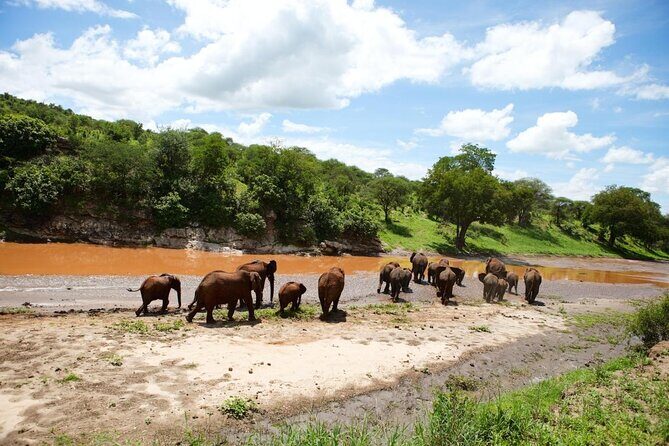
- A tight circuit of 3 top parks in 5 days: Tarangire (1 night), Central Serengeti (2 nights), and Ngorongoro (1 night).
- Camping built for more comfort than you might expect: beds, a proper mattress, duvet, and solar lighting, plus en-suite bathrooms.
- Big safari time in the driver’s seat: 4×4 land cruiser with game drives timed for wildlife chances.
- Entrance fees and park-related basics included: national park fees, purified drinking water, and medical kits.
- Operator track record for organization: staff like Godfrey, plus guides like Lyimo and Nicolas, show up in guest feedback.
Price and logistics: what you’re really paying for
At $1,040 per person for about 5 days and 8 hours of safari time, this is aimed squarely at budget travelers who still want the “real parks” checklist. The value comes from how much is bundled:
- Park entrance fees are included (big deal in Tanzania).
- Purified drinking water is included.
- You get large portions of fresh healthy food, plus a medical kit.
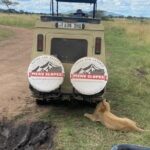
- You’re in a 4×4 safari land cruiser with game drive time.
What’s not included matters too. Your big “extras” are not part of the core package: tips for the crew, personal items, travel/medical insurance, flights, and any hotel stays outside the safari. There’s also no mention of a hot air balloon as included—so if that’s on your bucket list, you’ll want to plan it separately.
One logistics note that often confuses people: the tour summary says pickup is offered, but the listed inclusions say pick up and drop off to your hotel is not included. The safest way to think about it is: you start from Arusha and your meeting point is Arusha, while any hotel-level pickup may depend on what’s arranged with your operator.
A few more Arusha tours and experiences worth a look
Day 1: Arusha to Tarangire—elephants and baobabs first
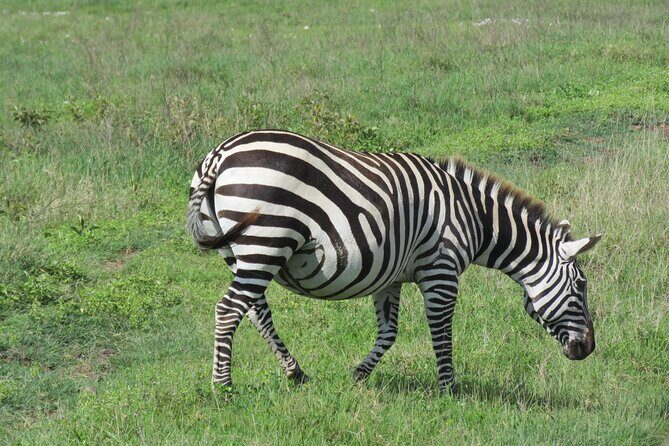
Day one starts early, with departure from Arusha at 6:00 AM. That early start matters in Tanzania safari land because it gives you the best shot at active wildlife before the day heats up and animals tuck into shade.
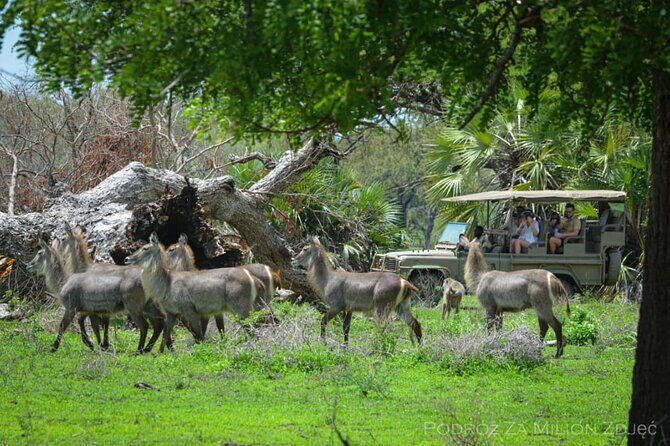
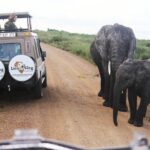
Tarangire National Park is a smart first stop for a first-time safari. You get classic Tarangire vibes—open habitats, elephants, and the iconic baobab trees. The day is paced with a morning game drive, then a packed lunch in nature, and a camping night at Jambo Campsite.
What I like about this setup for you: it front-loads one of the easiest parks to enjoy, even if you don’t want an all-day slog on day one. A morning drive plus lunch in the bush is a gentle way to get used to the safari rhythm.
Possible consideration: day one is still an early rise and a full day. If you hate waking up before sunrise, you might feel it by sunset.
Day 2: Central Serengeti transfer—turning a road trip into safari time
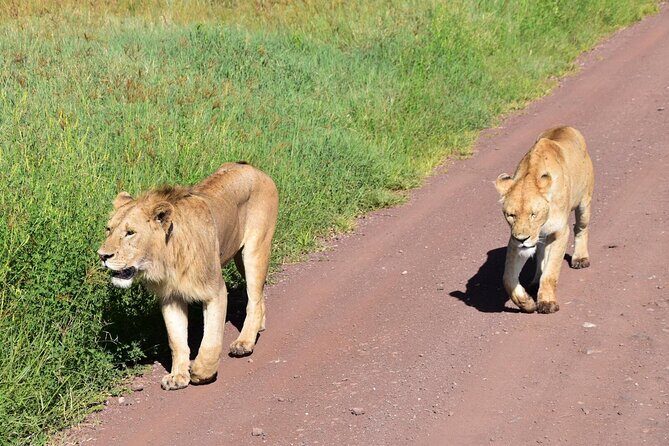
After breakfast, you move from Tarangire toward Central Serengeti. Expect a scenic drive and then an afternoon game drive once you arrive.
This is one of the best “transition days” in a safari itinerary. The long transfer days can feel like filler, but in this case you’re not just traveling—you’re turning the move into an opportunity for sightings and scenery along the way, then rolling right into wildlife time.
You overnight at Seronera Campsite, which is a practical base for Central Serengeti exploration. Day two is usually where your brain starts doing the pattern recognition: where animals tend to appear, how quickly the light changes, and how the driver reads the terrain.
Day 3: Central Serengeti full day—morning and afternoon drives
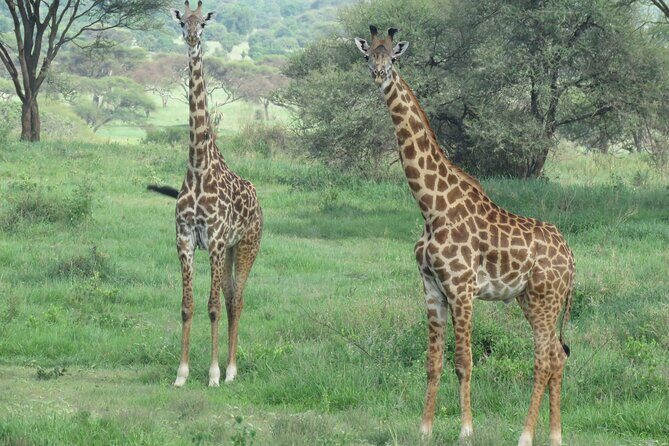
Day three is built for maximum wildlife chances. You get morning and afternoon game drives in Central Serengeti, and the itinerary specifically calls out wildlife such as cheetahs and hippos around the Seronera River area.
That morning/afternoon split is more than schedule fluff. It helps because animals often behave differently across the day. Morning can bring more active feeding and movement, while afternoons can deliver different groups and behavior patterns.
Overnight again at Seronera Campsite. Two nights here give you the feeling of being based rather than constantly moving. That matters for comfort, especially on a camping safari.
A small reality check for you: cheetahs and hippos are not “guaranteed” on demand. But this park time structure is the kind that keeps your odds up without feeling like you’re racing the clock every hour.
Day 4: Early drive into Serengeti, then Ngorongoro drop-off
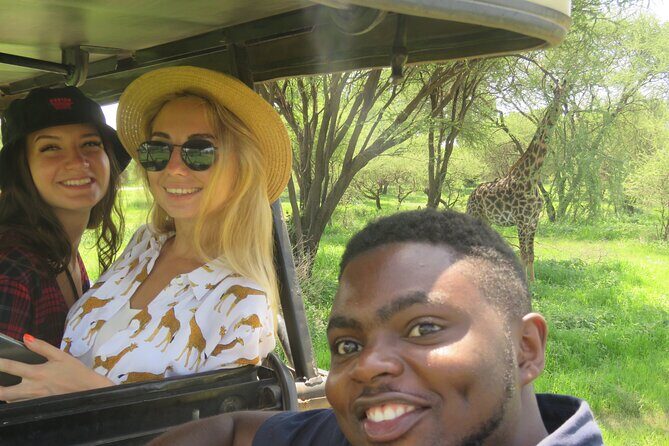
Day four starts with an early morning game drive in Central Serengeti. The goal is that classic early-day energy: cooler temperatures and more active movement. You’re also starting the day with a stronger chance at fresh sightings before breakfast and the next transfer.
Then you transfer to Ngorongoro and settle in for the night at Simba Campsite.
This day is a hinge. You go from day-long Serengeti roaming to crater country, which has its own rules of wildlife and viewing. If you’re the kind of person who likes variety, you’ll appreciate the change. If you prefer only one “type” of safari scenery, day four might feel like a lot of switching.
A few more Arusha tours and experiences worth a look

Day 5: Ngorongoro Crater—your 5-hour classic day
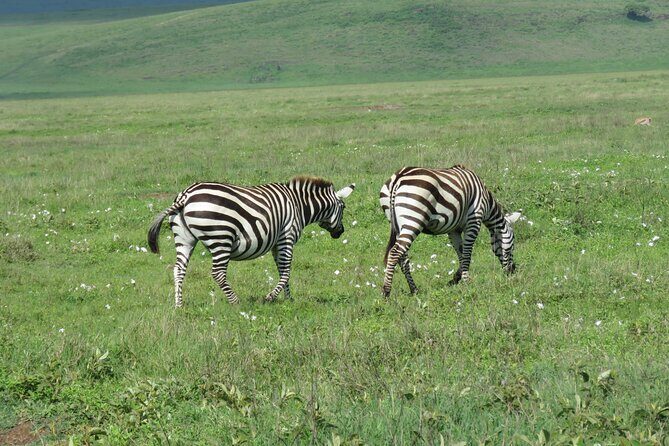
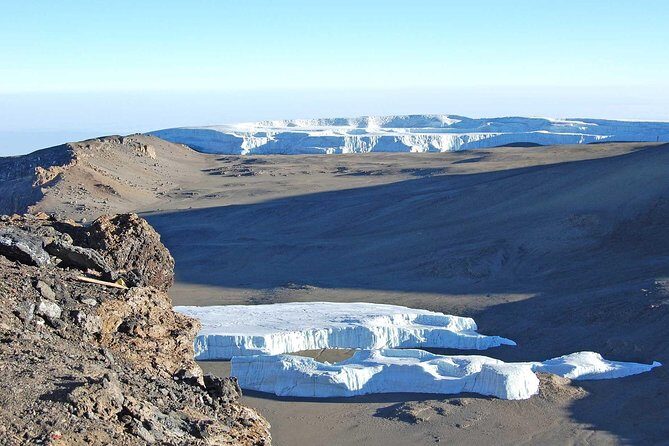
You’ll do a dedicated 5-hour tour of Ngorongoro Crater after breakfast. Ngorongoro is famous for a reason: it’s a dramatic, contained ecosystem where you can often see a lot in a relatively concentrated time.
This final day is also where the safari payoff tends to land emotionally. After a few days of drives and camps, you get that focused crater viewing session—the part people remember when they talk about their Tanzania trip later.
Then you return to Arusha, and the experience ends back at the meeting point.
Camping accommodations: what “budget” means here (and what it doesn’t)
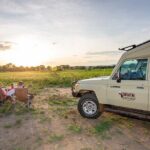
This safari is a camping safari, but not a bare-minimum one. The accommodation notes include:
- Top best bare pitch with tent decks
- Comfortable beds with the latest mattress
- Duvet blanket and pillows
- En-suite bathrooms
- Solar lighting
- Campfire area
- Campsite kitchen, plus chairs and tables
This combination is important for your expectations. “Budget camping” can mean anything from uncomfortable to downright unpleasant. Here, you’re being sold a middle path: outdoor nights, but with real sleep setup and bathroom basics that reduce the daily hassle.
Practical tip for you: bring a headlamp or small flashlight anyway. Solar lighting in camp is great, but outside lights can still be uneven. Also pack for cooler mornings and warm afternoons; safari days swing temperatures fast.
Big Five goals: how this itinerary aims at Africa’s icons
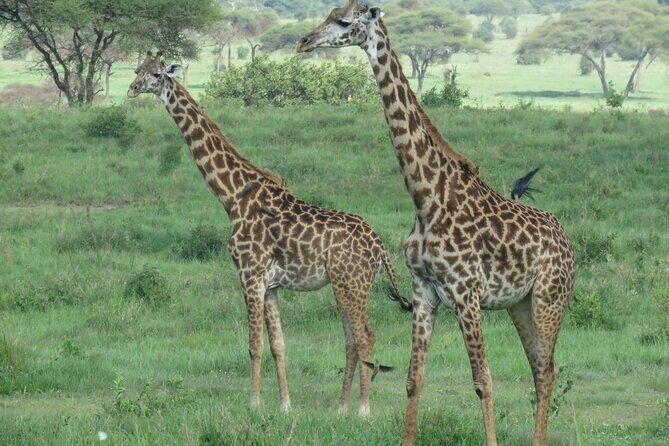
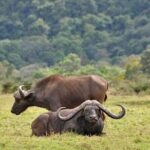
The tour overview says you’ll enjoy all the African Big Five—lion, elephant, leopard, buffalo, and rhino—over the five-day span in the Serengeti area.
Let’s keep it grounded: wildlife is wildlife. Seeing a specific animal on a specific day isn’t something any operator can fully control. But what you can trust is that the route hits some of Tanzania’s most recognized wildlife regions, and it keeps you on the road with regular game drive blocks rather than cutting corners.
If your top priority is maximizing your chance of big sightings, this itinerary is designed for that: multiple drives, two nights in Central Serengeti, and the crater day to finish strong.
What’s included vs not included: plan your budget without surprises
Here’s what’s clearly included:
- Briefing
- Professional, experienced tour guide and licensed safari driver guide
- 4×4 safari land cruiser
- Game drive time
- Tanzania National Park entrance fees
- Clean, purified drinking water
- Large portion of fresh healthy food
- Medical kits
- Safari certificates
What you should budget separately:
- Hotel pickup/drop-off to your lodging
- Personal items
- Travel and medical insurance
- All other hotel accommodations
- Flights (international and domestic)
- Tips for the crew
- Extra activities like hot air ballooning
If you’re trying to make the price work, this is where it becomes a math problem. Your main “add-ons” aren’t hidden fees; they’re choices: insurance, tips, flights, and any optional activities.
Group size and how it affects your safari feel
The tour notes a maximum of 90 travelers. That number can sound huge, but in a safari context, the important thing is how your specific group is handled in vehicles and during game drives.
A high overall cap can still mean you feel fine on the ground if the operator manages vehicle allocations well. In your planning, focus on asking how you’ll be grouped during game drives and how many people share each 4×4.
For you, the sweet spot is simple: fewer people per vehicle usually means more comfort and easier spotting.
Who this safari fits best
This is a good match if you:
- Want a Serengeti-focused safari without paying lodge-level prices
- Like the idea of camping with real comfort upgrades (beds, en-suite bathrooms, solar lighting)
- Are okay with early starts and long days for better wildlife time
- Prefer a route that covers multiple major parks rather than one area only
It may not be ideal if you:
- Need hotel-level comfort every night
- Hate cold mornings and prefer a more relaxed daily rhythm
- Don’t want to manage basic camping realities (packing smart, staying flexible)
Should you book this Serengeti budget camping safari?
I’d say yes if your goal is straightforward: see Tarangire, Central Serengeti, and Ngorongoro in one trip while keeping costs controlled, and still sleep somewhere that’s more than a cot in the dust. The included park fees, purified water, and food help the money feel like it’s going to the safari itself—not just the transportation.
Before you book, I’d do two quick checks:
1) Clarify what pickup means for your hotel in Arusha, since the listings conflict on hotel pickup vs what’s included.
2) Ask how game drive groupings work on the 4x4s, given the overall maximum group size.
If those answers are clear, this is a strong value way to do Tanzania the classic way: lots of time on the road, serious park names, and camping that’s designed to keep you comfortable enough to enjoy the wildlife.
FAQ
What time does the safari start and where does it end?
It starts in Arusha at 6:00 AM and ends back in Arusha at the meeting point after your Ngorongoro Crater experience and return.
Which national parks are included in this 5-day safari?
You’ll cover Tarangire National Park (1 night), Central Serengeti (2 nights), and Ngorongoro Crater (1 night).
What kind of camping accommodations are provided?
The camping includes tent decks and a comfortable bed setup with a mattress, duvet, and pillows. There are en-suite bathrooms and solar lighting, plus a campfire area and a campsite kitchen with chairs and tables.
Are park entrance fees included in the price?
Yes. Tanzania National Park entrance fees are included, along with purified drinking water, meals, and a medical kit.
Is hotel pickup and drop-off included?
No, pick up and drop off to your hotel is listed as not included. The experience starts and ends at the meeting point in Arusha, and pickup may depend on what’s arranged.
Is free cancellation available?
Yes. You can cancel up to 24 hours in advance for a full refund. If you cancel less than 24 hours before the start time, the amount paid is not refunded.