REVIEW · MOSHI
8-Day Grumeti Migration Safari-Luxury Tour May-July
Book on Viator →Operated by Gosheni Safaris (T) Limited · Bookable on Viator
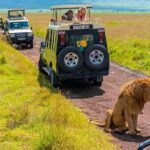
A river crossing, with luxury breathing close. This 8-day Grumeti Migration safari is built for May–July odds of seeing wildebeest river-crossing action, while still covering the Serengeti’s central Seronera wildlife.
I love the way the route chases the crossing without turning your days into a rushed checklist, and I also love the comfort-first touches that make long game drives feel manageable.
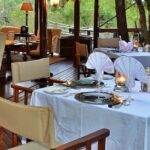
I also like the care in the day-to-day pacing, especially the way lunch and breaks are handled. On safari, you’re not stuck eating in the dust; your driver sets up a proper table for a hot meal (with soup, bread rolls, a main dish, fruit salad, plus tea/coffee and often wine). You’ll notice this kind of planning isn’t about show—it’s about keeping you comfortable so your eyes stay on the wildlife.
One consideration: this tour is weather-dependent (and the price is high at $6,276 per person), so your best migration views aren’t guaranteed. If conditions are poor, you’ll need to be flexible about timing.
In This Review
- Key highlights worth your attention
- Grumeti wildebeest odds in May–July: why this timing matters
- Price and logistics: what $6,276 buys you (and what it doesn’t)
- Arusha to Tarangire: the warm-up safari days you’ll feel most
- Day 1: Arusha dinner and overnight
- Day 2: Tarangire National Park full game drive
- Day 3: Lake Manyara birds and tree-climbing-lion territory
- Serengeti days built around big cats and the migration trail
- Day 4: Serengeti National Park search for big cats, then Ngorongoro area stay
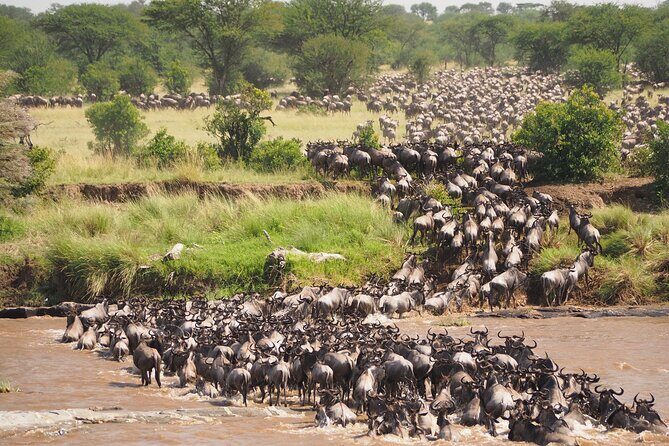
- Day 5: Western Serengeti and the Grumeti river crossing attempt
- Day 6: Seronera (central Serengeti) resident wildlife and big-five searching
- Day 7: Ngorongoro Conservation Area game drives
- Ngorongoro crater on Day 8: the finish that feels like a natural amphitheater
- Day 8: crater game drive, Lake Magadi, then back to the airport
- Lodges, tented camps, and the small comforts that matter more than you think
- Guides with standout spotting skills: who I’d watch for
- Who this safari fits best (and who should think twice)
- Should you book the 8-Day Grumeti Migration Safari-Luxury Tour?
- FAQ
- Where does the safari start and end?
- Is this tour private?
- What’s included for meals?
- Are park fees included?
- Are airport transfers included?
- What’s not included in the price?
- How much should I budget for tips?
- Which areas of the Serengeti are covered for migration chances?
- What happens if weather affects the experience?
- How long is the tour?
Key highlights worth your attention
- Grumeti River crossing focus (May–July timing) with additional Serengeti areas to improve your odds
- Hot meals served by your car (table setup and car-shade breaks) that make long days easier
- A luxury lodge/tented-camp style stay close to nature across multiple ecosystems
- Big cats and big five searching built into several days rather than one single “maybe” drive
- Guides with proven care and spotting skills, including Calvin Kileo, Bariki, Morris, Willam, and Ombeni
Grumeti wildebeest odds in May–July: why this timing matters
The Great Migration is famous for a reason: it’s not a single event you watch on cue. For a wildebeest crossing, timing comes down to where herds are in their seasonal movement, how the river and water levels behave, and what the day’s conditions are like.
This safari is designed specifically for May to July, which is when the migration is normally found along the western corridor and around the Grumeti River area. The itinerary doesn’t bet everything on one moment; it also includes the Seronera region in central Serengeti. That gives you a wider safety net: even if you don’t get the exact crossing moment you hoped for, you’re still in prime habitat where the migration’s presence and the Serengeti’s resident wildlife can overlap.
Practical takeaway: if you book with the right expectations, you’ll enjoy the ride. You’re not just hunting one scene—you’re doing a multi-park safari with migration as the main theme and big cats as your daily reward.
A few more Moshi tours and experiences worth a look
Price and logistics: what $6,276 buys you (and what it doesn’t)
At $6,276 per person, this is definitely a splurge safari. But the value isn’t only in the word luxury. The bigger “value drivers” here are how many quality days you spend in major parks and how much is included so you’re not nickel-and-dimed in the middle of your trip.
Included in your package:
- Professional driver/guide for the whole safari
- Roundtrip airport transfers
- Breakfast (8), lunch (7), dinner (7)
- Park fees for non-residents
- Lodging style is positioned as luxury lodge and tented-camp stays close to nature (based on the tour concept)
Not included:
- International flights to and from home
- Any extra days before and after the tour
- Tips (the guideline is $15 per person per day)
- Personal items, travel insurance, and visa fees
Is it worth it? If you want the migration hunt with a comfort level that doesn’t require you to “rough it,” this pricing can make sense. If you’re the type who doesn’t care about lodge quality and you’d rather keep spending low, you’d probably look at a more basic safari. But for people who want the whole experience to feel smooth—meals set up, good vehicle comfort, and structured wildlife time—this is priced to match that goal.
Arusha to Tarangire: the warm-up safari days you’ll feel most
Day 1: Arusha dinner and overnight
You start with a meet-and-transfer day: guide meets you, then you head to Arusha for dinner and an overnight. This matters more than it sounds. Arusha is the classic Tanzania launch point—at the base of Mount Meru, with Kilimanjaro nearby—so you get a buffer day to settle in before the long park drives.
Day 2: Tarangire National Park full game drive
Tarangire is a smart early choice because it brings variety fast. It’s known for elephants and birding, plus a quieter safari atmosphere compared with some busier routes. You’ll spend a full day on safari with a lunch break in the afternoon and then continue game viewing before heading to camp for dinner and overnight.
What I like about this setup for you: it’s a confidence builder. You’ll likely see major wildlife early, and you won’t feel like the whole trip is “waiting for the migration.” That peace of mind helps when you later hit the Grumeti-area days.
A few more Moshi tours and experiences worth a look

Day 3: Lake Manyara birds and tree-climbing-lion territory
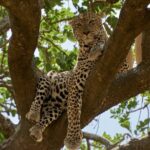
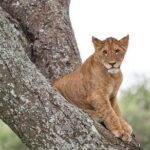
Manyara is Tanzania’s intro lesson in bird life and special lion behavior. The park is known for 400+ recorded bird species, and you also have the chance to spot the famous tree-climbing lions in the acacia woodland belt. Elephants are also part of the picture.
Your day includes morning travel and a full day of game drive time, with lunch handled the same comfort-forward way (your driver sets up a hot meal under car cover). You’ll return to the lodge/camp for dinner and overnight.
A quick reality check: Manyara’s “tree-climbing lion” reputation doesn’t mean it’s guaranteed every drive. Still, the habitat is distinctive, and the birdlife alone can make the day feel full.
Serengeti days built around big cats and the migration trail
Day 4: Serengeti National Park search for big cats, then Ngorongoro area stay
After breakfast, you’re in Serengeti National Park for game drives focused on big cats and the big five. In the afternoon, you travel toward the Ngorongoro direction for your lodge/camp stay.
This day matters because it gets you into Serengeti without putting all your eggs in the Grumeti crossing basket. Think of it as your “Serengeti warm-up.” You’re building recognition: how prey moves, where predators tend to show up, and how quickly conditions can change.
Day 5: Western Serengeti and the Grumeti river crossing attempt
This is the day most people book for. You’ll be in the western Serengeti / Grumeti area, aiming for the river crossing while also keeping an eye on big cats and the big five.
The tour’s whole logic comes down to this: migration viewing is partly luck. What you can control is time on the ground, being in the right area, and having a solid wildlife routine. This day gives you the combination: focused location plus full game drive hours on-site.
If you’re hoping for the crossing “wow” moment, don’t treat that as the only scoreboard. Even when the crossing is not happening at that exact hour, the overall predator-prey drama in the migration zones can be dramatic in its own way.
Day 6: Seronera (central Serengeti) resident wildlife and big-five searching
Day 6 brings you to Seronera, the central Serengeti region. You’ll do game drives there with your lunch break set up by the car, then continue until evening and return to camp.
Why this is a smart design: Seronera is known for healthy resident wildlife. That means you’re not solely dependent on movement patterns of the migratory herds. You’re still in big-cat territory, and it’s a strong choice for adding a second “high chance” wildlife window after the western-area crossing attempt.
Day 7: Ngorongoro Conservation Area game drives
You stay mobile with a move toward the Ngorongoro Conservation Area. The day still includes game drive time with the same big-cats / big-five framing, plus an afternoon travel segment to your camp.
Ngorongoro-area routes often feel different from Serengeti because the scenery, animal behavior, and day rhythm change as you shift habitat. That variety helps keep the safari from feeling repetitive.
Ngorongoro crater on Day 8: the finish that feels like a natural amphitheater
Day 8: crater game drive, Lake Magadi, then back to the airport
Your last day starts early with breakfast and a drive to Ngorongoro Crater for game driving. The crater is described as a deep volcanic caldera: about 20 km across, roughly 600 meters deep, and around 300 square kilometers in area. It’s presented as one of the world’s largest un-flooded, unbroken calderas, and that scale shows up in how you experience the wildlife—more like an enclosed stage than an open plain.
You’ll also visit Lake Magadi (mentioned as part of the crater program), then continue game viewing before driving back toward Arusha for airport drop-off.
If you’re the kind of person who likes your “big finale” to be scenic and not only animal-driven, this crater stop often delivers that balance. It’s also an easy capstone after several days of migration-zone searching.
Lodges, tented camps, and the small comforts that matter more than you think
This safari’s concept is luxury lodge and tented-camp stays close to nature. From a practical point of view, that can mean two things:
1) You get a nicer place to rest after long drives.
2) You still feel connected to the safari environment rather than bouncing to a far-away hotel.
A few details stand out from guide feedback:
- One theme in the reviews is professional, careful driving and a calm pace that helps you see more.
- You get comfort features like air conditioning in the vehicle (mentioned in one review).
- Guides also pay attention to small comfort issues like water availability and whether people are feeling hot or cold.
Another big one: your safari days include structured meal service at breaks. The repeated mention of a driver setting up a table for hot lunch, plus car-shade protection, tells me the operator wants you to keep your focus on sightings instead of suffering through “simple” logistics.
Guides with standout spotting skills: who I’d watch for
This tour’s success is tied to the guide in front of you. I’m going to name the people mentioned in the reviews because it gives you something concrete to look for when you compare dates and guides.
- Calvin Kileo: praised for being conscientious, careful, always having water, and spotting a lot. The big idea here is attention to detail plus good wildlife finding.
- Bariki: credited with captivating explanations and a real love for the animals, plus the ability to find even hidden wildlife.
- Morris and Willam: both praised for spotting skills and animal knowledge, with Willam also noted for patience and driving that handles road conditions well. One review even mentioned the car’s air conditioning.
- Ombeni (also spelled Ombenni in one review): described as conscientious and careful, checking whether people are comfortable and using a driver rhythm that combines driving, explaining, and attention to the group.
What you should take from this: when migration viewing gets unpredictable, a strong guide becomes your “control knob.” They can’t rewrite the herds, but they can put you in better positions more often—and that’s worth real money.
Who this safari fits best (and who should think twice)
This tour fits best if:
- You want a serious migration-focused safari without sacrificing comfort.
- You like structure: breakfast, full game drives, and meal breaks handled well.
- You want both migration scenery and resident wildlife days (Seronera plus Ngorongoro).
You might think twice if:
- You’re purely chasing the crossing as a single guaranteed event. Even with the best timing, the tour itself flags weather dependency for the experience.
- You’re cost-sensitive and don’t care much about luxury lodge/tented camp quality.
In other words: book this when you want both the drama of migration and the comfort of a well-run safari.
Should you book the 8-Day Grumeti Migration Safari-Luxury Tour?
If your top goal is the Grumeti River crossing and you’re traveling in May–July, this is one of the more logical ways to plan. The route is built to improve your odds by pairing western corridor time with central Serengeti (Seronera), then closing with Ngorongoro crater.
I’d especially recommend it if you appreciate the “in-between” details: a guide who keeps you comfortable on long days, vehicle comfort like air conditioning, and a meal setup that lets you recharge without losing safari time. That’s the difference between just watching wildlife and actually enjoying the day.
If you do book, go in with flexible expectations. The crossing is the headline, but the real win is a sequence of high wildlife-density parks plus a final crater day that feels built for photos and awe.
FAQ
Where does the safari start and end?
The tour starts with pickup/transfer associated with Kilimanjaro Airport, and at the end you’re driven back to Arusha for airport drop-off.
Is this tour private?
Yes. It’s listed as a private tour/activity, meaning only your group participates.
What’s included for meals?
Breakfast is included for 8 days, lunch is included for 7 days, and dinner is included for 7 days.
Are park fees included?
Park fees are included for non-residents.
Are airport transfers included?
Yes. Roundtrip airport transfer is included.
What’s not included in the price?
International flights to and from home, additional accommodation before and after the tour, tips, and personal expenses like souvenirs and travel insurance are not included.
How much should I budget for tips?
The tipping guideline provided is US$15.00 per person per day.
Which areas of the Serengeti are covered for migration chances?
You spend time in both the central Seronera area and the western corridor/Grumeti area, where migration viewing is typically focused from May to July.
What happens if weather affects the experience?
The experience requires good weather. If it’s canceled due to poor weather, you’ll be offered a different date or a full refund.
How long is the tour?
It’s an 8-day safari (approx.).