REVIEW · MOSHI
9 Days Kilimanjaro Climb via Lemosho Route
Book on Viator →Operated by Kilimanjaro Heroes Adventures · Bookable on Viator
A quiet moonlit climb on Kilimanjaro changes you. This 9-day Lemosho Route builds in real time to adjust, starting with a far-west approach that moves you through rainforest before you even reach the high zones. I like how the schedule is paced for altitude (not just a long slog), and I also like the practical camp rhythm: you arrive, eat, rest, and repeat instead of constantly scrambling to make up lost time.
I also like the human side of the trip: the on-mountain team energy can feel like a caring family setup, with names like Siza, David, Gasper, and Mwinyi showing up in real-life experiences, plus a porter farewell ceremony to close the loop. The only big consideration is that this is still a serious summit hike: you’ll face cold, late-night starts and you need to bring your own sleeping bag since it’s not included.
In This Review
- Key things to know before you go
- Why the Lemosho Route works (especially in 9 days)
- Moshi arrival: JRO to Keys Hotel, then briefing
- Day 2: Lemosho Gate (2360m) to Big Tree Camp (2780m) through rainforest
- Day 3: Shira 1 Camp and the break from forest to the Shira Plateau
- Day 4: Shira 2 Camp and an easier day that helps altitude
- Day 5: Lava Tower Camp and the alpine desert shift
- Day 6: Karanga Camp and the time for big acclimatization
- Day 7: Barafu Camp, strong winds, and Mawenzi in the distance
- Day 8: Midnight to Stella Point, then Uhuru Peak, then down to Mweka
- Day 9: forest descent to Mweka Gate, porter farewell, and your certificate day
- Price and what you truly get for $3,450
- Who this climb is best for (and what to consider)
- Should you book this 9-day Lemosho climb?
- FAQ
- Where does the tour start, and what time does it begin?
- Do I get picked up when I arrive in Tanzania?
- What route is used to climb Kilimanjaro?
- What are the camp stops during the trek?
- Are meals included?
- Is drinking water provided?
- What safety equipment is included?
- Is a sleeping bag included?
- Are visa fees and health insurance included?
- What is the cancellation window?
Key things to know before you go
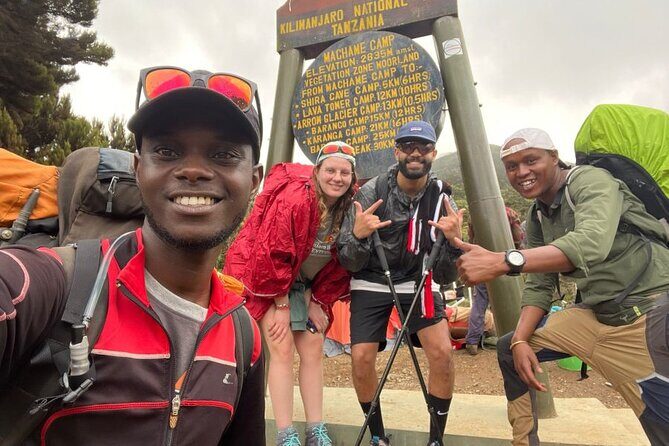
- Slow acclimatization on purpose with Shira Plateau days that give your body time to adapt
- Rainforest start from Lemosho Gate (2360m) with a chance at monkeys and birds along the way
- Camp strategy for altitude safety at Karanga and Barafu, timed to help your summit attempt
- Simple safety tech included like a pulse oximeter plus an emergency oxygen cylinder
- Midnight summit logistics: headlamp climb to Stella Point, then Uhuru Peak in the crater area
Why the Lemosho Route works (especially in 9 days)
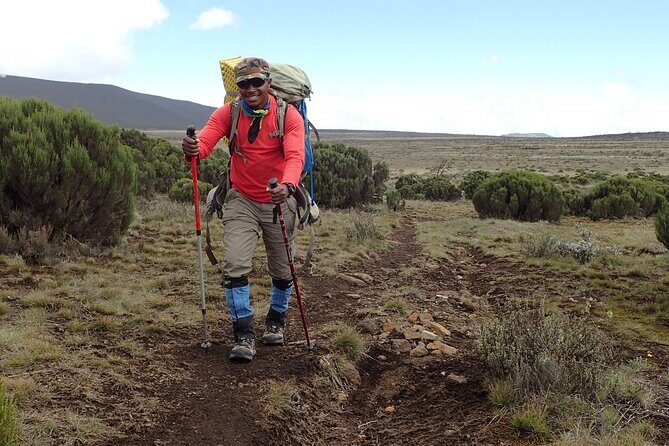
If you want the Kilimanjaro experience to feel like a mountain plan instead of a race, the Lemosho route is built for that. It starts at Lemosho Gate (2360m) and uses a gradual progression through rainforest, then heath, then alpine desert. That matters because altitude doesn’t care about your willpower. You need time for your body to learn the new oxygen levels.
This schedule also gives you repeated “arrive, rest, sleep high” moments rather than just stacking elevation day after day. The route includes a short day at Shira 2 and lets you take an option afternoon walk with your guides. Those are the kinds of small choices that help keep you calm and steady, which is exactly what you want when the mountain gets cold.
The other practical win: you get a mix of environments instead of only one. Rainforest days feel alive and alive-with-sounds; alpine desert days feel stark and quiet; and the summit day is a whole other universe—crater rim to Uhuru Peak to dust-thin air descent.
You can also read our reviews of more tours and experiences in Moshi.
Moshi arrival: JRO to Keys Hotel, then briefing
Your trip begins with a meet and greet at Kilimanjaro International Airport (JRO). A driver takes you to Keys Hotel in Moshi for a briefing and an overnight stay. This is a nice buffer because it turns Day 1 into a reset day, not a rushed start where you’re trying to learn the plan while you’re already tired.
Expect a long travel day to Moshi—especially if you’re coming from farther away—so getting sleep and getting organized matters. A briefing also sets expectations for the pace, what to watch for, and how to handle the early starts ahead.
You’ll also want to note the practical setup: pickup is offered, and you’ll have a mobile ticket. That’s one less thing to worry about when you’re already dealing with passports, cash, and the excitement of the big goal.
Day 2: Lemosho Gate (2360m) to Big Tree Camp (2780m) through rainforest
Day 2 starts with the move to Londorossi Gate and registration with park authorities. Then it’s a drive of about 15 km into dense rainforest before you begin hiking. The first hike is described as moderately steep, and it’s long enough to get your legs working without yet turning the day into a grind.
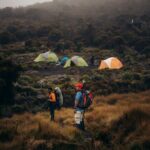
The Big Tree Camp sits at 2780m, and this is where you’ll start learning what your body feels like at higher altitude. You also get the rainforest bonus: look out for monkeys and interesting birds. In practical terms, it’s a mental break too. When the trail is shaded and alive, it’s easier to keep your breathing smooth and your pace controlled.
Logistically, this day sounds genuinely comfortable for Day 2: tents are already set up, and you get hot tea and washing water waiting. After a travel day and a first hike, those small details make a bigger difference than they should.
Day 3: Shira 1 Camp and the break from forest to the Shira Plateau
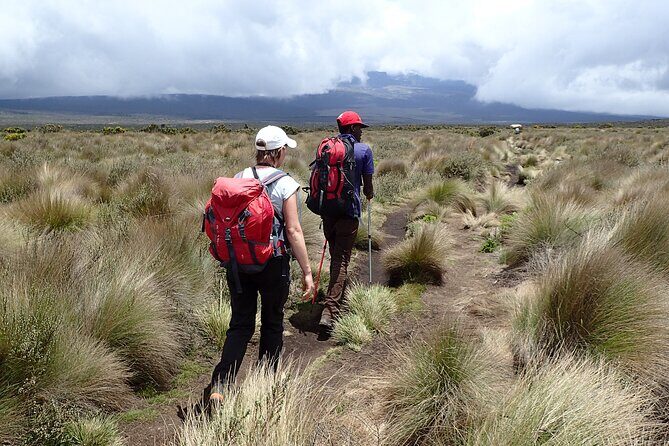
From Lemosho’s forested slopes, Day 3 climbs through Podocarpus and Juniper forest before you break out into the heath zone and the Shira Plateau. That transition is more than scenery. Forest cover changes how you feel the sun, the wind, and the temperature swing. When you leave the trees, exposure ramps up—so slow and steady becomes even more important.
This is a 6-hour hiking day in the plan, with lunch taken on trail and arrival at Shira 1 Camp in mid-afternoon. Mid-afternoon arrival gives you time to settle, snack, hydrate, and keep your energy for tomorrow’s adaptation-focused day.
If you like a calm approach, this day is a good example of why the Lemosho route often feels more “complete.” You’re not just trying to reach the next camp—you’re moving through zones in a way that helps you understand what’s coming.
Day 4: Shira 2 Camp and an easier day that helps altitude
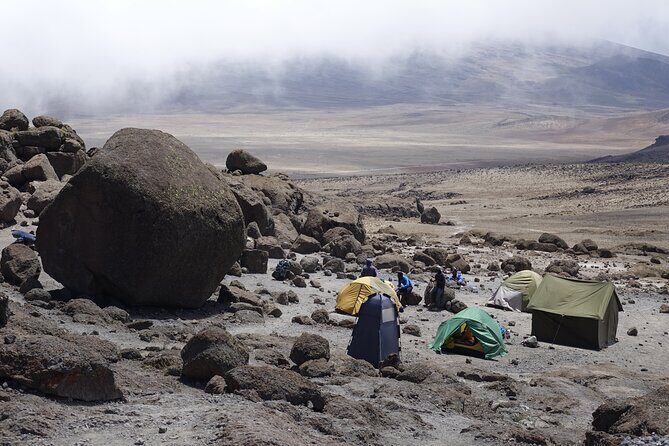
Day 4 is intentionally shorter: after a long hike and significant altitude gain, you arrive at Shira 2 Camp in time for lunch. It’s described as a good acclimatization day, with the option of an afternoon walk depending on how you’re feeling.
This is a key advantage for your odds and your sanity. A short day doesn’t mean a lazy day. It means you can move enough to stay loose, without forcing your body into a high-stress grind that increases fatigue and makes breathing feel harder.
If you’re prone to overdoing it when you feel okay, this is one day where you’ll likely do best by sticking to the plan. Let the mountain give you time, and don’t treat the altitude as a personal challenge.
Day 5: Lava Tower Camp and the alpine desert shift
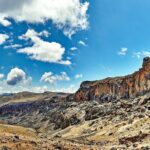
Day 5 takes you toward Lava Tower, moving out of the heath zone and into the alpine desert zone. This is the phase where conditions become extreme in temperature swings, and there’s less plant life surviving the harsher environment. Translation: it can feel exposed, and you need to keep your effort controlled.
You’re on trail for about 6 hours, with lunch in camp. In the afternoon, there’s an option—depending on weather—to scramble to the top of the nearby Lava Tower. That’s a fun add-on if conditions are good, but it’s also the kind of thing you don’t want to force when you’re already feeling the altitude.
What I like about this day is the balance. You get time and rest built in, and you get a meaningful objective (Lava Tower) without turning the whole day into a technical marathon.
Day 6: Karanga Camp and the time for big acclimatization
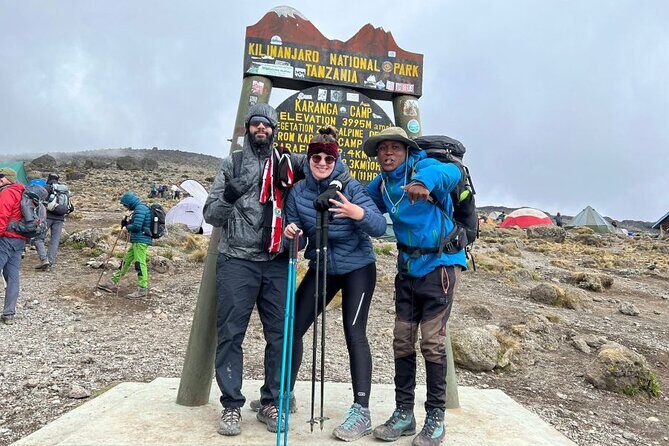
After two half days, Day 6 is a longer one at Karanga Camp. The plan calls this a strategic camp stop because your time at altitude is essential for safe acclimatization. You arrive in camp late afternoon, giving you time to settle before evening.
What makes Karanga special in the description is the view timing: sunsets here are highlighted, with southern glacial valleys and ice fields towering about 1000 meters (over 3000 feet) above you. Even if clouds roll in, you’ll still feel like you’re in the high-arctic mood of Kilimanjaro’s upper zones.
Day 6 is also a good checkpoint for your pacing. By now you can tell if your breathing strategy is working, if you’re hydrating enough, and if your body is adapting as expected. If you’ve been steady, this day tends to feel like progress.
Day 7: Barafu Camp, strong winds, and Mawenzi in the distance
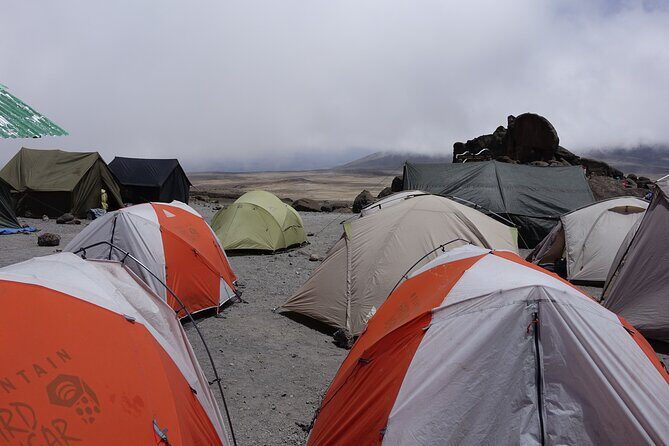
Day 7 is another half day: you ascend to Barafu Camp, with lunch taken in camp and plenty of time to relax before the summit attempt. The altitude is clearly changing your comfort level—described as desolate alpine desert, with sometimes strong winds ripping over the camp.
Even if the wind makes you want to huddle, you’ll still get something memorable: splendid views of Mawenzi volcano in the evening. That contrast—harsh wind but dramatic sights—is part of what makes Kilimanjaro feel so cinematic.
This day matters because it’s not about conquering terrain. It’s about setting yourself up mentally and physically for the night climb. Keep it simple: eat what you can, hydrate, and get as much sleep as the cold allows.
Day 8: Midnight to Stella Point, then Uhuru Peak, then down to Mweka
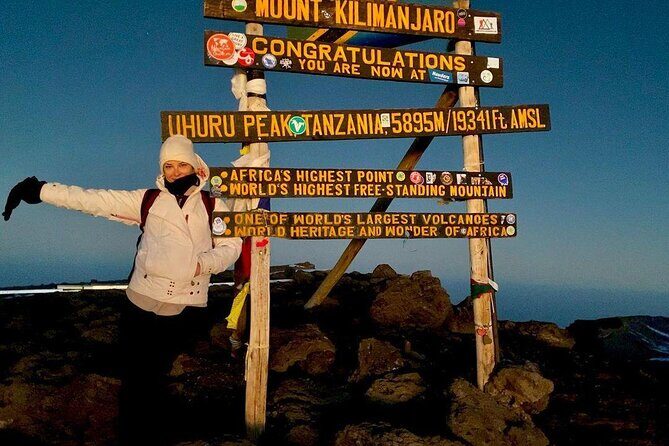
Day 8 is the big one. You set off just after midnight, and the climb starts in the dark and cold with a headlamp. You climb the frozen volcanic dust toward Stella Point on the crater rim—about a six-hour push. Then the sun should rise when you arrive there.
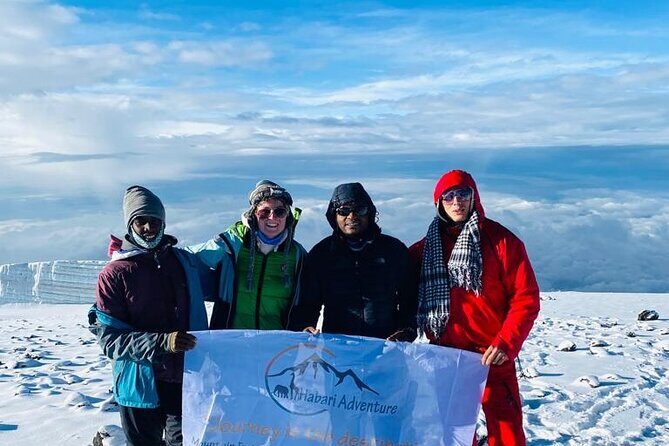
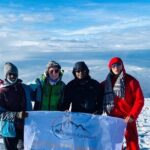
After Stella Point, you go about one or two more hours to reach Uhuru Peak, the highest point on Kilimanjaro. The moment is exactly what you think it is: pause for pictures, hugs, and a short break before you start the descent. The mountain shifts fast from celebration mode to survival mode.
Then comes the descent: you take a short tea break at Barafu, and continue downhill for about three hours to Mweka Camp (3080m). By then, the volcanic ash has thawed, which makes the ground feel different underfoot than it did hours earlier.
The plan also emphasizes refueling. Drink lots of fluids, then eat supper. This is smart because your body is recovering from a huge effort, and dehydration can sneak up fast after summit adrenaline fades.
Day 9: forest descent to Mweka Gate, porter farewell, and your certificate day
Day 9 starts with a traditional farewell ceremony from the porters. That’s a meaningful close because it reminds you how much of your success depends on the team carrying food, gear, and support on your behalf.
After about three hours of comfortable descent through the greenness of the forest, you reach Mweka Gate. From there, the driver waits to take you back to Keys Hotel in Moshi for a hot shower, cold drink, debrief, and your certificate of achievement.
This day is where the emotional payoff hits. You’re not thinking about ascent anymore. You’re just moving downhill and getting your body back to normal—by degrees, not all at once.
Price and what you truly get for $3,450
At $3,450 per person, this isn’t the cheapest way to climb Kilimanjaro. But the value isn’t just about “getting a guide.” It’s about what the plan includes and how it supports your acclimatization and safety.
Here’s what stands out as real value:
- Private tour format: it says only your group will participate, which usually means less waiting and more control.
- Park access covered: admission ticket inclusion is noted for the trek days where registration and entry apply.
- Safety basics: you get a first aid kit and a pulse oximeter, plus an oxygen cylinder for emergencies only.
- Meals: breakfast, dinners, and lunches are included across the trek days listed.
- Water support: 3 litres of bottled drinking water are provided on the first day of your hike.
- Pickup offered and a return to Moshi with shower time—so your trip doesn’t end with a long scramble.
What’s not included matters too. You must plan for your own sleeping bag, plus health insurance and visa fees aren’t included. Also, if you want laundry, it’s available at the hotel for $1 per cloth—handy for that post-trek reset.
For me, the best way to judge the price is this: the Lemosho route’s pacing costs time, and time is what buys acclimatization. If you can afford it, paying for a plan that gives your body a chance is money well spent.
Who this climb is best for (and what to consider)
This trip is aimed at people with moderate physical fitness who want a structured path up Kilimanjaro with enough time for acclimatization. It’s also private, so it can fit well if you want a more personalized experience rather than merging into a large mixed group.
It may be a tough match if:
- You’re not ready for a midnight start and cold crater-area conditions.
- You don’t have your own sleeping bag sorted.
- You expect a casual hike with minimal altitude challenge.
On the plus side, the team tone sounds like a big part of why people feel good about the whole journey. Multiple experiences mention guides like Siza and Mwinyi, plus a strong team vibe described as caring, motivating, and humorous—like jokes and daily morale boosts (including the very on-brand Hakuna Matata spirit). That doesn’t replace fitness, but it can absolutely improve how you handle the hard hours.
Should you book this 9-day Lemosho climb?
If you want the Kilimanjaro experience in a format that respects acclimatization and gives you time to breathe, I’d say yes—book it. The Lemosho route’s pace, the strategic camp timing, and the inclusion of safety essentials like a pulse oximeter and emergency oxygen are the kinds of details that keep your focus where it should be.
I’d hesitate only if the summit day’s cold and late-night effort will be a dealbreaker for you, or if you’d rather pay less and go with a different style of trek that changes pacing. For most people ready for a real mountaineering effort, this one looks like a solid match.
FAQ
Where does the tour start, and what time does it begin?
The start is at Kilimanjaro Airport with a start time of 8:00 am.
Do I get picked up when I arrive in Tanzania?
Yes. You’ll have a meet and greet upon arrival at Kilimanjaro International Airport (JRO), then you’ll be taken to Keys Hotel in Moshi for briefing and overnight stay.
What route is used to climb Kilimanjaro?
This climb goes via the Lemosho Route, starting at Lemosho Gate (2360m).
What are the camp stops during the trek?
You stay at Big Tree Camp, Shira 1 Camp, Shira 2 Camp, Lava Tower Camp, Karanga Camp, Barafu Camp, and Mweka Camp (3080m). The trek ends at Mweka Gate.
Are meals included?
Yes. Breakfast, lunch, and dinner are included during the trek days listed.
Is drinking water provided?
You get 3 litres of bottled drinking water provided on the first day of your hike.
What safety equipment is included?
The tour includes a first aid kit and a pulse oximeter, and it also includes an oxygen cylinder only for emergencies.
Is a sleeping bag included?
No. Sleeping bags are not included, so you’ll need to arrange your own.
Are visa fees and health insurance included?
No. Visa fees and health insurance are not included.
What is the cancellation window?
You can cancel for a full refund up to 24 hours in advance of the experience’s start time. If you cancel less than 24 hours before, the amount paid is not refunded.