REVIEW · ARUSHA
4 Days Tarangire, Serengeti & Ngorongoro Crater Joining Group
Book on Viator →Operated by Safari G.O.A.T.S · Bookable on Viator
Three parks in four days means serious wildlife time. This short safari loop links Tarangire, Serengeti, and Ngorongoro without wasting days on logistics, and you start early enough to catch animals in their morning mood. I like the way the small group size keeps the vibe friendly and the game drives focused, not chaotic.
I also really love two things you get for free with the flow of the itinerary: the elephant density and baobab scenery in Tarangire, and the big-cat + sunrise payoff that comes with early crater access at Ngorongoro. It’s a fast route, but it still hits the headline moments, including the chance to see black rhino in the crater ecosystem.
One consideration: this plan runs on early wake-ups and long drive days, and that can be a lot if you hate being on the move. Also, tipping isn’t included, so factor that into your budget so you are not scrambling at the end.
In This Review
- Key things to know before you go
- Four Days, Three Parks: What This Safari Gets Right
- Tarangire National Park: Elephants, Baobabs, and Classic Safari Odds
- Serengeti National Park: The Endless Plains Feeling (Even on a Schedule)
- Ngorongoro: The Crater Morning That Changes Everything
- Day 4 in Ngorongoro Conservation Area: One More Drive Before Arusha
- Safari Goats Setup: Pickup, Group Size, and Meals That Keep You Going
- Price and Value: What Your $1,030 Actually Covers
- Who This Safari Fits Best (and Who Might Be Happier Elsewhere)
- Practical Tips That Make a Safari Like This Feel Easier
- Should You Book This 4-Day Tarangire–Serengeti–Ngorongoro Safari?
- FAQ
- What parks are included in this 4-day safari?
- What time does the tour start?
- Is pickup included?
- What meals and gear are included?
- Are park fees included?
- What should I know about cancellation and tipping?
- One last decision check
Key things to know before you go
- Max 7 travelers keeps the experience calmer and easier to manage on game drives
- Park fees and entrance are covered, so you avoid extra surprises at the gates
- Early mornings are built in for better animal activity and strong viewing light
- Tarangire’s elephants and baobabs make your first park day feel distinctly different
- Ngorongoro crater wildlife includes the chance to spot black rhino in the right conditions
- Camping equipment included means you travel lighter than you might expect
Four Days, Three Parks: What This Safari Gets Right
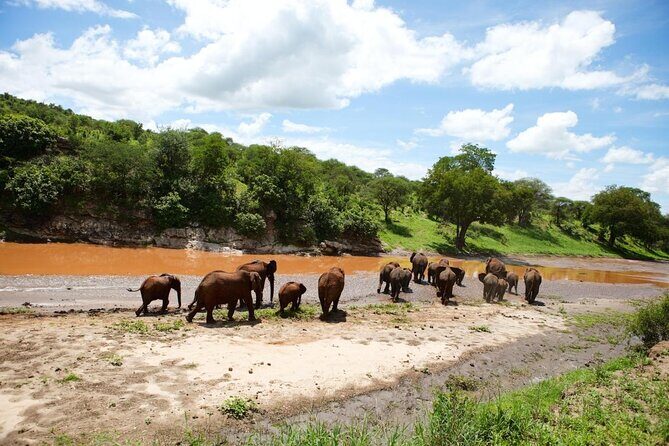
If your Tanzania trip has limited days but still needs the big icons, this 4-day circuit is built for you. You’re not picking just one park and hoping for the best. You’re moving from Tarangire to Serengeti to Ngorongoro, which is exactly how you compress a bucket-list safari into a schedule that still feels like a safari and not a series of transfers.
I like the logic of it: you start in Tarangire for its elephant concentration and signature baobabs, then you switch to Serengeti’s open plains for that huge-scale feeling, and finish with Ngorongoro’s crater bowl where wildlife can feel packed into a smaller area. Even though it’s a tight plan, the day-to-day “geography shift” helps keep it from feeling repetitive.
There’s also a practical win. Pickup is included in Arusha, and park fees and entrance are covered. When you’re paying attention to every detail in a safari trip, those are the kind of things that quietly make the whole experience smoother.
Value note: $1,030 per person is not cheap, but in this price range you’re paying for access, transport time inside the parks, and the guided structure. You’re not just buying a bus tour. You’re buying a system that tries to put you in the right places at the right hours—especially with early drives.
A few more Arusha tours and experiences worth a look

Tarangire National Park: Elephants, Baobabs, and Classic Safari Odds

Tarangire has a different personality than Serengeti. It feels more “alive in the details.” The park is famous for its high density of elephants, and it also has that unmistakable baobab look that makes photos feel like they belong in Tanzania, not generic Africa stock images.
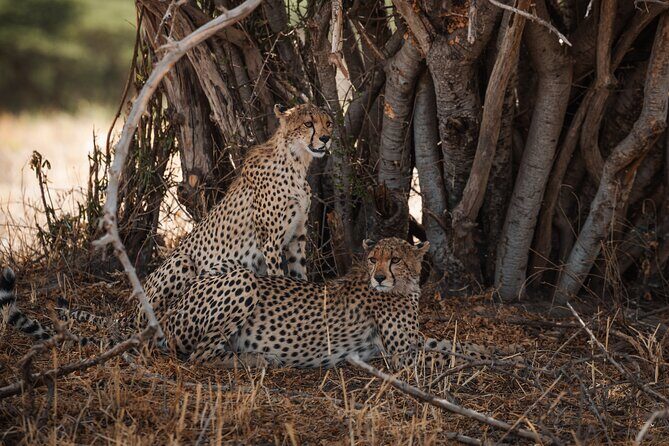
On this day, you’re looking at serious odds for a first big wildlife hit. The route is framed around the classic species people come for—elephants and big cats—plus other animals you might spot while you’re searching. You should expect a lot of time spent scanning water holes and open areas, because elephant sighting success in Tarangire often comes down to where the animals are choosing to be at that moment.
What I like about starting with Tarangire is that it sets your safari brain in motion. After arrival and pickup logistics, you get a park that rewards patience. Also, you get the baobabs and elephants early, so if you’re the kind of traveler who worries about whether you’ll see enough wildlife, you’ll feel less anxious once the day starts delivering.
The only drawback is timing. A first day is often when you’re most alert—and also when you’re most likely to feel the day is moving quickly. If you’re someone who wants slow mornings and long lunch breaks, you’ll need to adjust your expectations. That said, the payoff is that you’re not waiting days to begin.
Serengeti National Park: The Endless Plains Feeling (Even on a Schedule)
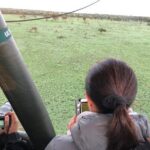
Then comes Serengeti, and it’s the park that turns even first-time safari-goers into quiet believers. The Serengeti name fits what you experience: “endless plains.” The scale matters. You’ll be driving into space that seems too large for your brain to measure, with grassland stretching far beyond what you think a “view” is supposed to look like.
This park is also where you get the Great Migration context in a very real way. The tour plan references the area as the home of millions of wildebeest, with hundreds of thousands of zebras and plenty of antelope species. Even when migration timing varies by season, Serengeti’s grasslands are always the stage where those stories unfold.
A practical tip: when you’re in Serengeti, your best “wildlife time” is usually when the animals are most active, which is why the schedule builds in an early start. If you wake up groggy, do not panic. Once you’re out on the road at the right hour, the light and animal behavior change quickly. You start seeing movement where you only saw distance a short while earlier.
One more Serengeti reality check: because it’s huge, you can’t expect every drive to feel like you’re in the middle of a wildlife documentary every minute. You’re paying for smart searching over time. The good news is that moving through the Serengeti with enough hours gives you a better shot at the full range—plain grazers, predators at work, and surprise sightings that make you re-check your binoculars.
Ngorongoro: The Crater Morning That Changes Everything
Ngorongoro is where the trip often becomes emotional for people who love wildlife. The crater floor is its own world: walls around the rim create a bowl effect, and the concentration of habitats is part of the magic. The plan calls it an 8th wonder of the natural world, and it’s easy to see why the crater gets talked about like a must-see.
Here’s the key detail that matters for your day: you descend early for a morning game drive. Animals are typically more active earlier, and the viewing conditions tend to be better before the heat settles in. You’re also doing something special after that drive—brunch at camp—before moving on.
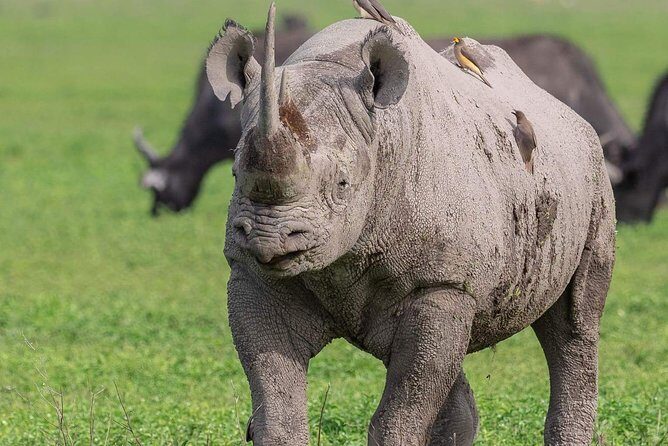
Wildlife-wise, the crater is described as supporting almost every species of wildlife indigenous to East Africa, and there’s one big headline: the crater is one of the rare places where you can witness black rhino. Of course, wildlife is never guaranteed. But the point is that your schedule places you where that chance exists, rather than just passing by.
Also watch for hippos. After the crater morning, the plan includes a picnic lunch near hippo lake. Even if you only catch a quick glimpse, it’s one of those moments where you suddenly understand why Ngorongoro lives in people’s memories.
If you’re wondering whether crater drives feel crowded or stressful: a small group helps. With a maximum of 7 travelers, your movement and attention are easier for the guide to manage during road changes and animal stops.
Day 4 in Ngorongoro Conservation Area: One More Drive Before Arusha
On the final day, you stay in the Ngorongoro Conservation Area for another early start and crater-floor experience. Then after your main game drive, you do a picnic lunch near hippo lake, and there’s time for a short game drive before you ascend and head back to Arusha.
That “short game drive” piece matters more than it sounds. On many safaris, the last hours feel rushed. Here, you get a calmer buffer where you can still squeeze in additional sightings without turning the day into a mad dash.
You’re also given a realistic end-time target: you should be back in Arusha around 5pm, with flexibility depending on flights or other situations. That flexibility is useful if your Tanzania schedule includes onward travel.
Practical reality: by day four, you’ll likely be tired in a good way. Your legs remember long drives. Your eyes feel like they’ve been scanning for hours. If you’ve packed snacks and water properly (more on that below), this day is often when the trip clicks into place as the total experience, not just separate drives.
Safari Goats Setup: Pickup, Group Size, and Meals That Keep You Going

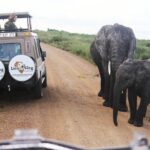
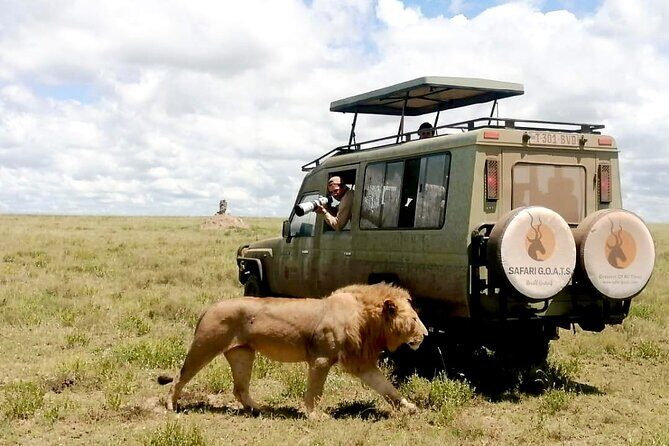
The operation is run by Safari G.O.A.T.S, and the structure is designed for short-trip efficiency: hotel pickup in Arusha is included, park fees and entrance are covered, and you travel with camping equipment included.
Meals are also part of the value equation here. You get breakfast each day (4 breakfasts), lunch is provided throughout (4 lunches), and dinners are included for 3 nights. That reduces the “hidden costs” feeling that can hit safari budgets, because you’re not constantly hunting for food during long drive windows.
Group size is capped at 7. That’s a big deal. In a wildlife setting, smaller groups mean less confusion at sightings and more straightforward communication. You also tend to get better viewing opportunities because stops are handled in a less frenetic way.
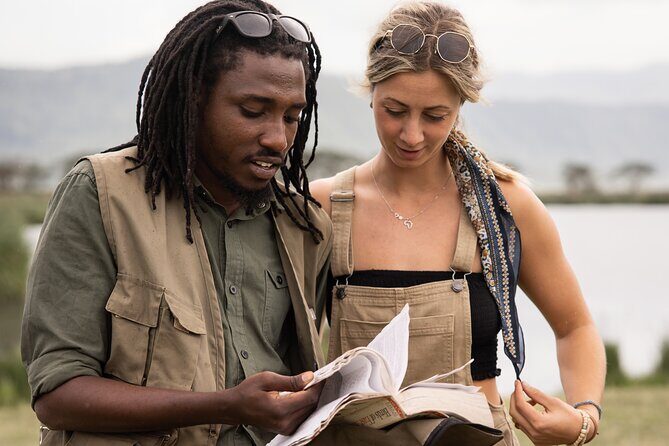
One detail from feedback that I think you’ll feel in practice: guidance quality matters a lot. I’ve seen the name Eddy connected with strong planning and helpful, calm direction. If you end up with him or a similarly strong guide, you’ll likely feel more confident about what you’re looking for and why you’re going to a certain area at a certain time.
Price and Value: What Your $1,030 Actually Covers
Let’s talk money like adults. At $1,030 per person, you’re paying for:
- Hotel pickup in Arusha
- Park fees and entrance
- Camping equipment
- Meals (4 breakfasts, 4 lunches, 3 dinners)
- Transportation between parks across four days
- A guided group experience for up to 7 travelers
What isn’t included:
- Tipping
- Visas
This is why I call it decent value for a short, multi-park hit. A lot of safari costs can hide in the extras: entrances, meals, and the logistical work of making sure you actually arrive at the right places. Here, the basics are bundled, which helps you budget calmly.
Timing also affects value. The tour is commonly booked about 14 days in advance on average. If you’re leaving Tanzania soon and you’re waiting until the last minute, you might find fewer options in your preferred dates. If you can, locking in earlier tends to reduce stress.
Who This Safari Fits Best (and Who Might Be Happier Elsewhere)
This safari fits best if you:
- Want the headline parks Tarangire, Serengeti, and Ngorongoro in just four days
- Don’t mind early mornings
- Prefer a small group rather than a large crowd on drives
- Appreciate guided structure that reduces decision-making
It may not fit as well if you:
- Want a slow vacation pace with minimal driving
- Get cranky when your day starts early and changes often
- Hate camping-style travel (though camping equipment is included, you still need to handle the realities of outdoor lodging)
If your goal is maximum comfort only, you might prefer a longer safari with fewer drive hours. If your goal is maximum wildlife highlights in minimal days, this is one of the more straightforward ways to do it.
Practical Tips That Make a Safari Like This Feel Easier
You’ll enjoy this trip more if you plan for how safari days actually work.
Start-day readiness beats perfection. You begin at 7:30am, and you should expect the day to run with purpose. Bring whatever keeps you comfortable at dawn—light layers, sunglasses, and a hat you trust in sun and breeze.
Pack for vehicle time. Even with game drives, you’ll be in the vehicle a lot. Binoculars help (if you have them), and a small camera strap setup can save you from fumbling when animals appear close.
Hydration and snacks help. Lunch is provided, but you’re still likely to feel the long-drive rhythm. Small snacks and water are a smart move.
Decide on tipping early. Since tipping isn’t included, you’ll want to plan a budget so the end of the trip is relaxed rather than awkward.
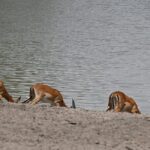
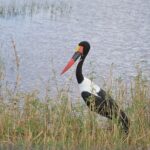
Set expectations for wildlife sightings. You’re looking at big game—elephants, lions, giraffes, hippos, leopards, zebras—plus the black rhino chance in Ngorongoro. Still, wildlife is never a menu you order from. Your odds improve when you show up early, stay patient, and let the guide do the searching.
Should You Book This 4-Day Tarangire–Serengeti–Ngorongoro Safari?
If you want three of Tanzania’s biggest wildlife names in one compact plan, this tour is a smart choice. The biggest strengths are the small group size, the way park access and meals are handled, and the schedule logic that focuses on early wildlife viewing—especially for Serengeti and the Ngorongoro crater morning.
I would book it if your dates work and you’re comfortable with early starts and a packed rhythm. I’d reconsider if you need a slow pace, or if camping-style travel is a hard no for you.
FAQ
What parks are included in this 4-day safari?
The itinerary covers Tarangire National Park, Serengeti National Park, and the Ngorongoro Crater/Ngorongoro Conservation Area.
What time does the tour start?
The start time is 7:30am.
Is pickup included?
Yes. The tour includes picking up travelers from their hotel in Arusha, Tanzania.
What meals and gear are included?
Camping equipment is included. The tour includes 4 breakfasts, 4 lunches, and 3 dinners.
Are park fees included?
Yes. Park fees and entrance are included.
What should I know about cancellation and tipping?
Tipping is not included. The tour offers free cancellation up to 24 hours before the experience’s start time for a full refund.
One last decision check
If you want a “best-of Tanzania” sampler that still gives you real time in the parks, this itinerary makes practical sense. Just be ready for mornings that start early, and you’ll likely find the short format works in your favor.