REVIEW · MOSHI
4 Day Serengeti Luxury Tented Camps Safari
Book on Viator →Operated by Africa Joy Tours - Day Tours / Mult Day Tours · Bookable on Viator
One of Africa’s best safari combos is here. In just 4 days you get Serengeti game viewing plus a full Ngorongoro Crater day, with comfortable 4×4 transport and proper camp-style time to rest.
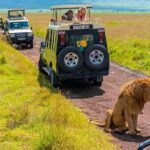
What I really like is the practical safari setup: roomy Land Cruiser seating, window access for everyone, and on-the-road comforts like fridge space and power charging.
My second favorite part is how the trip is paced around real wildlife moments—early Serengeti starts, hippos at the pool, lions when the guides find them, and then the crater’s packed ecosystem. One thing to consider: this itinerary is weather-dependent, and tips are not included, so factor that into your total budget.
In This Review
- Key Things That Make This Safari Worth Your Time
- A Luxury Serengeti Safari That Starts Smoothly in Moshi
- Your 4×4 Vehicle Comfort: Why It Changes the Safari Feeling
- Day 1: Arusha Arrival, Arusha Village Experience, and Camp-Style Setup
- Day 2: Serengeti National Park Plus Olduvai Gorge (The Human Origins Detour)
- Day 3: Early Serengeti Starts, Hippo Pool Moments, and Big Pride Chances
- Day 4: Ngorongoro Crater Descent for Big Five Odds and a Packed Ecosystem
- Price and Value: Is $2,620 Per Person Reasonable?
- Who This Safari Fits Best (And Who Might Want a Different One)
- What to Expect Day-to-Day (So You’re Not Surprised)
- Should You Book This 4 Day Serengeti Luxury Tented Camps Safari?
- FAQ
- Where does the safari start, and what time?
- Is pickup from the airport included?
- What ticket format do I receive?
- What meals are included in the price?
- What areas does the safari cover for wildlife?
- Is Olduvai Gorge included?
- Does this safari aim for Big Five animals?
- What is not included in the total price?
- What’s the cancellation policy?
- Is this tour private?
Key Things That Make This Safari Worth Your Time
- Window-seat safari vehicles where everyone can see out (not just the front row)
- Comfort features on the Land Cruiser: shaded roof design, fridges, power sockets, and VHF radio
- Olduvai Gorge en route with a small museum tied to discoveries dating back about 2.5 million years
- Serengeti timing choices that match the season, from migration chances to hippo and lion sightings
- Ngorongoro Crater game density and a realistic shot at Big Five animals, including rare black rhino
- Meals and camp stay included, which makes the price feel more predictable
A Luxury Serengeti Safari That Starts Smoothly in Moshi
This is the kind of safari that starts doing the heavy lifting right away. You meet at Kilimanjaro International Airport (your names on a signboard), then you’re transferred into Arusha, where you get a pre-safari briefing and equipment check. That early prep matters. On safari, the day goes fast—so you want clarity on safety, what to bring, and how the vehicle works.
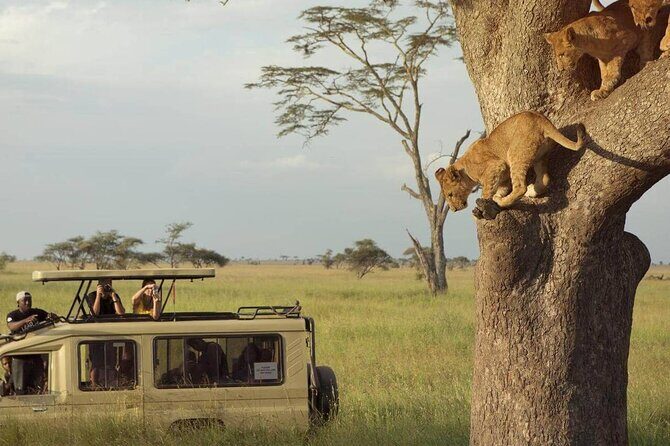
Even the transport is designed for sanity. The Land Cruiser setup is meant for long hours: an extended-body layout with lots of legroom, everyone able to access a window seat, plus a hatched roof for shade when the sun is doing its thing. Add a VHF radio for fast communication with the base office and you’re not just riding around hoping for the best. You’re coordinating.
One more practical point: it’s described as a private tour, meaning it’s only your group. That usually means you spend less time stuck waiting for other people and more time where your guide wants you to be.
A few more Moshi tours and experiences worth a look
Your 4×4 Vehicle Comfort: Why It Changes the Safari Feeling
Safari photos are nice. But the real difference between a good trip and a tiring one is comfort, especially on drives that can run long.
Here’s what this safari’s vehicle setup is telling you:
- Extended body + roomy seats: you can stretch your legs during game drive stops.
- Window seat access for all guests: you don’t have to crane your neck to see.
- Fridges + power charge sockets: you can keep water and devices more manageable over multiple days.
- Hatched roof for shade: it’s a small detail that helps your skin and mood.
For you, that means fewer grumpy moments. Safari is exciting, but it can also be dusty, hot, and long. This kind of transport makes the whole day feel more controlled.
Day 1: Arusha Arrival, Arusha Village Experience, and Camp-Style Setup
Day 1 is about getting oriented without rushing. After landing at Kilimanjaro International Airport, you’re met at the arrival point, then you’re taken to Arusha Safari Lodge. You’ll gather there for a pre-safari briefing and an equipment check. They also confirm you have the right medical coverage and travel insurance, which is a smart move. Safari is not a place to wing it on paperwork.
Then there’s time for dinner and an overnight at Arusha Safari Lodge on a half-board basis.
There’s also an Arusha Village Experience stop listed for about 1 hour, with an admission ticket included. That’s the best kind of first day activity: short, cultural, and not so time-consuming that you’re exhausted before the wildlife part begins.
What to watch for on Day 1: if you’re arriving from a long international flight, you’ll likely want to keep the evening low-key. A good lodge dinner and a real night’s sleep sets you up for the early starts later.
Day 2: Serengeti National Park Plus Olduvai Gorge (The Human Origins Detour)
On Day 2 you head toward Serengeti National Park. The drive isn’t just travel time—it’s built around opportunities.
First, there’s an Olduvai Gorge stop en route. This is described as a steep-sided ravine tied to major archaeological discoveries by Louis and Mary Leakey in the 1950s, with evidence dated back about 2.5 million years. You also have a small museum there. Even if you’re not a “museum person,” it’s a meaningful contrast: you’re going from the deep past of human origins into one of the planet’s great wildlife systems.
After lunch, you enter Serengeti and spend the afternoon on game viewing across the plains—acacia trees, open grass, and those famous kopjes (rocky outcrops) that act like wildlife magnets.
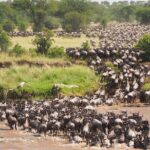
The wildlife story here depends on when you travel. The itinerary notes that in December, January, and February, you’ll normally have a chance to see the migration with large herds of wildebeest. That seasonal note matters because Serengeti isn’t one single scene. It’s a moving timeline of animals and rain.
Possible drawback to consider: Day 2 is the start of long days. You’ll likely be excited and focused, but you’ll also want to hydrate and manage energy—especially if you’re prone to motion discomfort.
Day 3: Early Serengeti Starts, Hippo Pool Moments, and Big Pride Chances
Day 3 is a second full day in Serengeti, and the schedule is built around doing the day early—so you don’t waste the best light and the most active animal hours.
You rise early, and your guide chooses spotting locations based on the time of year. That flexibility is important in Serengeti because visibility and animal behavior shift with seasons.
The itinerary’s highlights are the kinds of things people remember for years:
- Watching hippos at the hippo pool, with crocodiles nearby
- Taking time with a big pride of lions when the area holds them
- Spending time in the migration mix, when wildebeest and zebras move through
- Working through plains and kopjes, where the volcanic rocky outcrops provide shelter for different kinds of animals
On top of that, your guide’s job is to put you in the right place at the right time. In the feedback tied to this safari, guests have specifically credited guides and drivers by name—like Bachiri and Haj—and a driver named James for making the experience feel smooth and memorable. While you can’t assume a specific person will be with you on your dates, the repeated emphasis on guide skill is a good sign.
What you’ll want to do on Day 3: treat it like a long day, not a sprint. If you try to chase every photo angle, you’ll miss the subtle things—like how animals use shade around kopjes or how predatory behavior changes when herds are close by.
A few more Moshi tours and experiences worth a look
Day 4: Ngorongoro Crater Descent for Big Five Odds and a Packed Ecosystem
Day 4 is where the safari becomes dramatic.
After breakfast, you drive toward Ngorongoro Crater, passing through forested slopes of the Crater Highlands before arriving at the rim. Then comes the signature moment: descending into the crater.
The itinerary describes the crater as one of the most densely crowded game areas in the world, home to nearly 40,000 animals. That density is the big deal for you, because it increases the odds of seeing multiple species in a single day without constant guesswork.
Game viewing focuses on the Big Five list—lion, leopard, rare black rhino, buffalo, and elephants—though sightings are always at the mercy of animals and conditions. You’re also looking for wildebeest, zebra, and Thomson’s gazelle.
A picnic lunch is included in the crater, then you continue the game drive and depart.
Practical consideration: you’ll likely be descending and spending time at different elevations and temperatures. Dress in layers so you’re not stuck either too hot or too cold.
Price and Value: Is $2,620 Per Person Reasonable?
At $2,620 per person for a 4-day safari, this sits in the “serious safari” category. The key question isn’t whether it’s expensive—it’s what’s included and how that changes what you’d have to arrange on your own.
Here’s what you get that helps justify the cost:
- All fees and taxes
- All accommodation
- Game driving
- A safari vehicle designed for long days (with window access for all guests)
- Mineral water
- Professional guides
- Meals included: breakfast (4), lunch (3), dinner (4)
- 4×4 transport (Land Cruiser)
And it’s not trying to nickle-and-dime you with add-ons for the basics. The two major exclusions are:
- Tips
- International flights
So for you, the value logic is: you’re paying for a guided, fully supported wildlife circuit with transport, park access, and meals handled. If you were to DIY parts of this—vehicle, park logistics, lodging, and timing—the hassle cost would climb fast.
Who This Safari Fits Best (And Who Might Want a Different One)
This safari is a strong match if you:
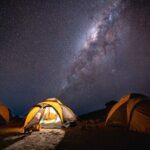
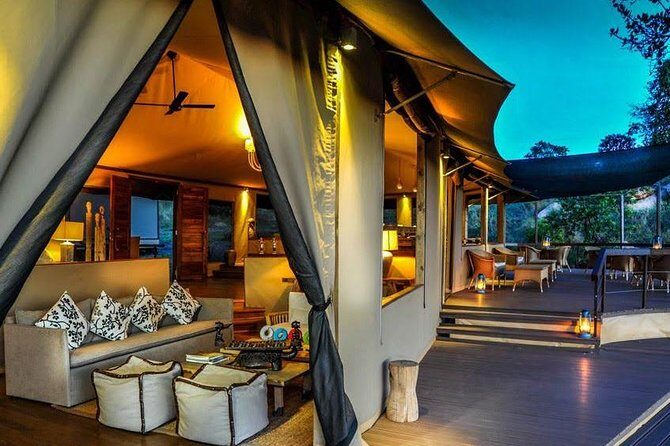
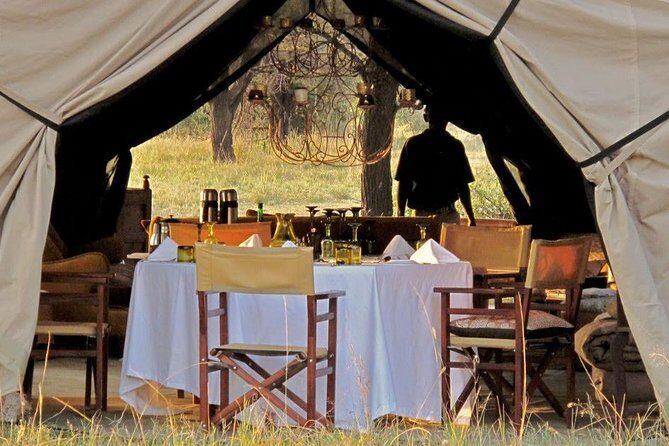
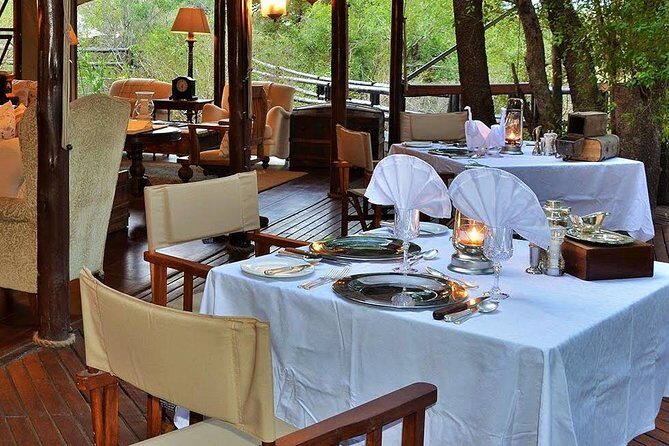
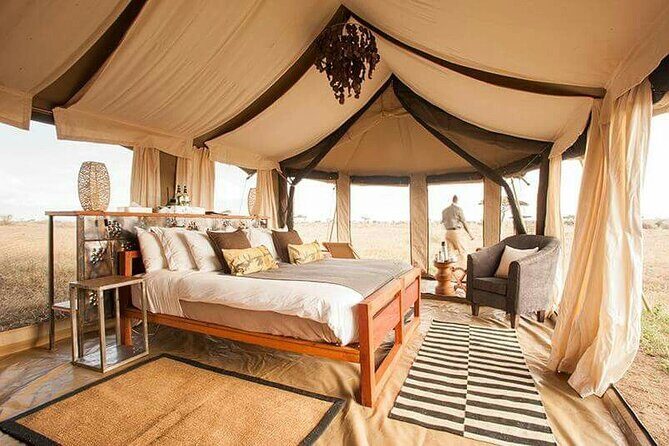
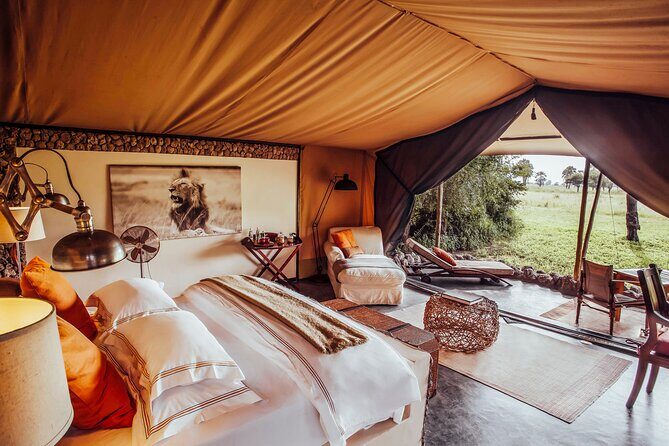
- Want luxury tented camp style comfort while still doing real wildlife days
- Prefer a structured plan with Serengeti + Ngorongoro in one tight trip
- Like the idea of cultural context with Olduvai Gorge and the Arusha Village Experience
- Enjoy having a guide choose the best spots rather than second-guessing everything
It may be less ideal if:
- You’re aiming for a slow travel pace with lots of buffer time. This itinerary is built to pack wildlife days into a 4-day window.
- You dislike weather uncertainty. The experience notes it requires good weather, and poor conditions can trigger a reschedule or refund.
What to Expect Day-to-Day (So You’re Not Surprised)
Across the trip, you’ll do a mix of:
- Driving with stops to look and listen for animals
- Game drives timed to the day’s best activity windows
- Camp-based downtime that’s important after long hours in the vehicle
Also note the included mineral water and vehicle power charging. That’s the kind of “small” service that keeps the day practical, not just exciting.
And because it’s described as private, your group’s rhythm matters more than crowds. If your group is into lots of wildlife stops and photo time, you’ll likely get a better experience than if you need constant breaks.
Should You Book This 4 Day Serengeti Luxury Tented Camps Safari?
I’d book it if you want a classic high-impact safari mix without turning your trip into logistics work. The combination of Serengeti game viewing (including hippos, lions, and migration chances depending on season) plus a full Ngorongoro Crater day is the core draw, and the included meals and accommodations help keep the whole thing feeling well-run.
Before you click confirm, double-check two things:
- Your dates fit the season you want for migration chances (the plan specifically calls out Dec–Feb).
- Your budget includes tips since they’re not included.
If you want, tell me your travel month and the number of people in your group, and I’ll help you judge whether this timing is strong for the wildlife you care about most.
FAQ
Where does the safari start, and what time?
The meeting point is Kilimanjaro Airport, and the listed start time is 7:30 pm.
Is pickup from the airport included?
Yes. Pickup transfer is offered from Kilimanjaro International Airport to Arusha Safari Lodge.
What ticket format do I receive?
You receive a mobile ticket.
What meals are included in the price?
Breakfast is included 4 times, lunch is included 3 times, and dinner is included 4 times.
What areas does the safari cover for wildlife?
You’ll spend time in Serengeti National Park and Ngorongoro Crater.
Is Olduvai Gorge included?
Yes. There’s an opportunity to visit Olduvai Gorge on the way to Serengeti, with a small museum stop described.
Does this safari aim for Big Five animals?
Yes. The Ngorongoro Crater day includes a good chance to see the Big Five, including rare black rhino, as well as buffalo, elephants, lions, and leopard.
What is not included in the total price?
Tips and international flights are not included.
What’s the cancellation policy?
Cancellation is free up to 24 hours in advance for a full refund. If you cancel less than 24 hours before the start time, the amount paid is not refunded.
Is this tour private?
Yes. It’s listed as private, so only your group participates.