REVIEW · MOSHI
7 Days Machame Route Kilimanjaro Hiking | Climbing Tour
Book on Viator →Operated by KILIMANJARO CLIMBING TOURS · Bookable on Viator
A climb toward Uhuru Peak is serious business. This 7-day Machame Route trek works you up through rainforest, moorland, high camps, and rocky ridges, with big milestone views like the Western Breach and the crater rim. If you like your hiking with real logistics handled, this one is designed around guides, scheduled meals, and camp setup when you arrive.
I particularly like the pacing choices here. You get a classic “climb-high, sleep-low” feel with an acclimatization day at Karanga, plus a summit night plan that starts long before dawn. I also like that the itinerary explicitly talks about the conditions you’ll hit, from mud in the jungle to freezing camps on the plateau.
One consideration: it’s a cold, technical-in-places route, and your body has to handle altitude. Even with a good plan, some people feel altitude early and may choose not to summit, so you’ll want a clear mindset before you go.
In This Review
- Key highlights you’ll actually feel on the mountain
- Why the Machame Route fits a “7-day, real challenge” Kilimanjaro plan
- Logistics in Moshi: start time, transfers, and where you meet
- Day 1: Machame Village jungle start to Machame Camp
- Day 2: Shira Plateau moorland and Shira Cave freezing-night experience
- Day 3: Lava Tower pass-under moment to Barranco Camp at Great Barranco Walls
- Day 4: Great Barranco Wall up to Karanga Camp for acclimatization
- Day 5: Barafu Hut and finishing the South Circuit before summit night
- Day 6: Midnight start, Stella Point sunrise, then Uhuru Peak
- Day 7: Back down to Mweka Gate, certificates, hot lunch, and a final reset
- Price and value: what $866 covers (and what you’ll still need)
- Who should book this Machame climb (and who should reconsider)
- FAQ
- Where does the 7-day Machame climb start?
- How long is the Machame route itinerary?
- Is pickup or transfer included?
- What meals are included?
- Do I need my own hiking gear?
- What are the main milestones during the climb?
- Are guides and tickets included?
- What happens if the climb can’t run due to weather?
- Should you book this Machame Route Kilimanjaro tour?
Key highlights you’ll actually feel on the mountain
- Tropical jungle to moorland to high desert in one week, so your days don’t feel repetitive
- Western Breach views from the Shira area, including the icy faces of Kili’s western slope
- Barranco Wall day: a steep but non-technical climb that’s famous for testing your legs
- Stella Point timing: sunrise on the crater rim, but with limited time to stop and cool down
- Mweka Gate certificates: a formal finish moment, with different colors for Stella Point vs Uhuru Peak
Why the Machame Route fits a “7-day, real challenge” Kilimanjaro plan
Machame is one of Kilimanjaro’s most scenic routes because it changes character often. Your first day pulls you through the rainforest zone, then you shift into moorland and open high terrain, and by the time you’re on the plateau and around the Western Breach, the air feels thinner and the walking looks more “volcanic” than “trail.” That mix matters because it gives you more than one kind of physical challenge.
I like how the plan is structured around acclimatization, not just ambition. Day 4 into Karanga is shorter on paper, but the purpose is big: it gives your body time to adjust before the final push. Then Day 5 at Barafu Hut is your setup day for summit night, when timing and energy management matter more than moving fast.
Also, guides and camp support are part of the experience. The schedule includes camp arrivals, hot meals, and camp setup on your arrival at sites like Machame Camp. When you’re doing long days at altitude, those small comforts can be the difference between feeling grim and feeling focused.
You can also read our reviews of more hiking tours in Moshi
Logistics in Moshi: start time, transfers, and where you meet
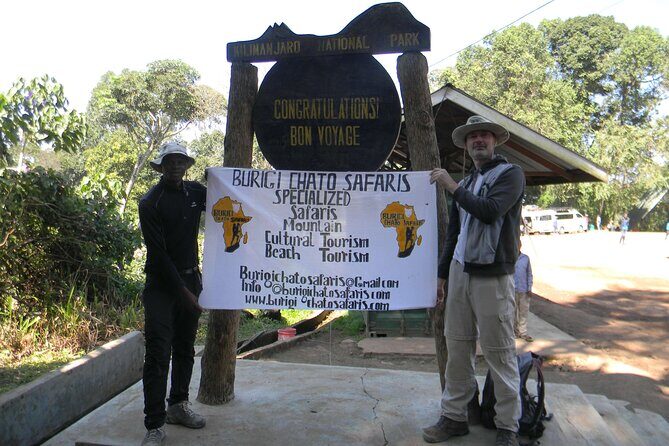
The tour starts at 8:30 am from a Moshi meeting point: BURIGI CHATO SAFARIS CO LTD on Mkwawa Street. From there, you’re set up with a private transfer to the area of activities, which helps because you don’t waste energy tracking vans, navigating pickup points, or guessing where your driver will be.
Your day-to-day isn’t just “walk until you stop.” Meal counts are part of the structure: breakfasts are provided on six days, and you’ll have multiple lunches and dinners across the trek. You’ll still need your own personal hiking gear, though, so plan to pack for cold nights and wet, muddy sections.
One more practical note: the tour lists a maximum of 500 travelers. That number alone won’t tell you how crowded your hiking group will feel, but it does signal that this is a high-demand operation. The good news is that the route itself is usually more about your personal pacing than staring at other hikers all day—especially once you’re above the main rainforest paths.
Day 1: Machame Village jungle start to Machame Camp
Day 1 begins with preparation, breakfast, then a drive from Arusha or Moshi to Machame Village at about 1,490 meters. After you register through the recreation area authority process, you get a hot lunch before the walking really starts.
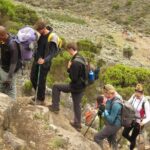
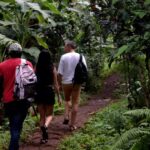
The first walking is into tropical jungle, and it’s not a postcard stroll. The route notes that heavy rains often turn parts of the trail to mud. That’s why the guidance here emphasizes good footgear and gaiters, plus hiking poles. If you’ve ever reached the end of a day with wet boots and numb toes, you already know this isn’t a minor detail—it affects everything from comfort to safety.
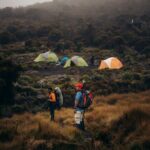
By late evening you reach Machame Camp, and the camp setup is handled so you’re not spending your energy wrestling tents after a full day. You sleep inside your tent with staff preparing it before you arrive, which is exactly what you want on a first day when your body is still calibrating to altitude.
Value check for Day 1: this is about getting your rhythm and learning how your feet and breathing respond. If you go out too fast, you’ll feel it later in the week.
Day 2: Shira Plateau moorland and Shira Cave freezing-night experience
After breakfast, the plan moves you up toward the highest forest zone and then transitions into delicate moorland. You walk about two hours through moorland before reaching Shira Plateau. This day is a shift from lush greens to wide-open terrain, and the views start arriving early—especially of the Western Breach with its icy masses.
There’s also a geography “aha” moment built in. You’re on the opposite side of the mountain compared with the Marangu route and west of Kibo. You’ll feel like you’re changing worlds rather than just climbing higher.
At Shira Cave camping area, the schedule includes warm lunch and a recreation evening. You also visit Shira Cave at night for a short history and environment talk. That’s a smart inclusion because high camps can make your mind go flat; short, guided storytelling gives you something to focus on besides the cold and the next steps.
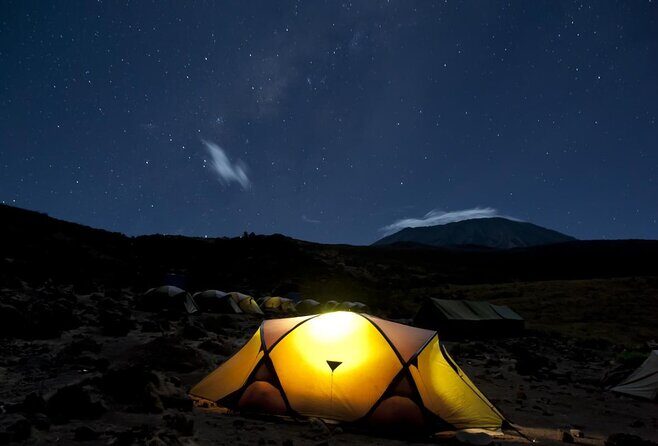
Then comes the sleep reality. The trek notes that nights here are colder and can drop below freezing. That means warm layers aren’t optional, even if you start the day in mild conditions. If you’re the kind of traveler who runs warm at home, altitude will still cool you down. Plan for it.
Value check for Day 2: this is your view day and your “cold management” day. Get your breathing steady here and your later climbs feel less chaotic.
Day 3: Lava Tower pass-under moment to Barranco Camp at Great Barranco Walls
Day 3 starts with a climb east, then becomes steeper as you move through the highest vegetation zones. After a few hours, the trail turns rough and volcanic, leading you to Lava Tower at about 4,630 meters.
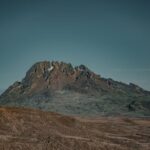
The Lava Tower detail matters because it’s not just a scenic stop. The path passes right underneath it, so you’ll be walking into a more dramatic, rock-formed section of the mountain. That kind of terrain changes your pace and focus—you’re not just sightseeing; you’re moving through a real geological feature.
After lunch at Lava Tower, you descend for about two hours under the lower bluff of the Western Breach, to Breach Wall and onward to Barranco Camp at about 3,950 meters. Barranco Camp sits in a valley beneath the breach and the Great Barranco Walls. The schedule specifically calls out the dusk: you’ll have a grand evening view while you wait for dinner.
This day can also be where altitude starts to show up for some people. The plan notes you might encounter signs of elevation illness. The best move is to trust your guide’s pace advice and avoid trying to “prove something” early in the trek.
Value check for Day 3: you get big scenery and a real descent, which can be harder than it sounds. Take downhill seriously for your knees.
A few more Moshi tours and experiences worth a look
Day 4: Great Barranco Wall up to Karanga Camp for acclimatization
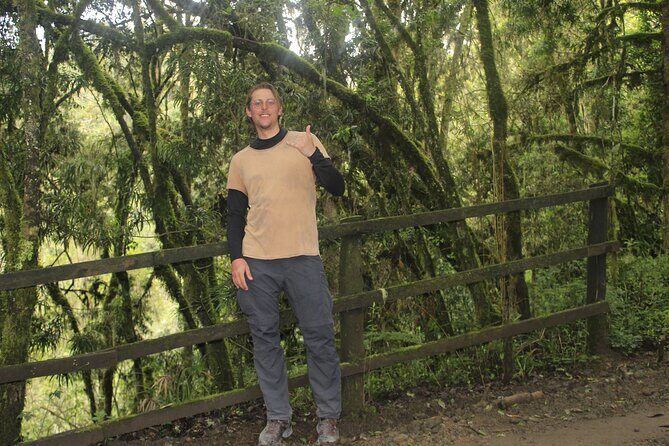
Day 4 begins at the foundation of the Great Barranco Wall. You’ll start by dropping into a gorge and then climb a steep section that the plan describes as non-specialized but steep, nearly 900 feet of precipice-like wall. That combination is common on Kili: not complicated scrambling, but still physically demanding.
Once you reach the top of Barranco Wall, the walking changes again. You cross slopes and valleys, then you plunge into Karanga Valley and continue on to camp. The day includes another push upward, but the purpose is clear: this is a shorter, acclimatization-focused day before the bigger summit setup.
Even if your legs feel good, this is the day to stay disciplined. A “fast day” here can make you pay for it later, especially once you’re sleeping higher and waking with colder air. The best strategy is steady effort, not hero effort.
Value check for Day 4: you’re training your legs for the week’s hardest days while giving your body a buffer. Treat it like an investment, not a cooldown.
Day 5: Barafu Hut and finishing the South Circuit before summit night
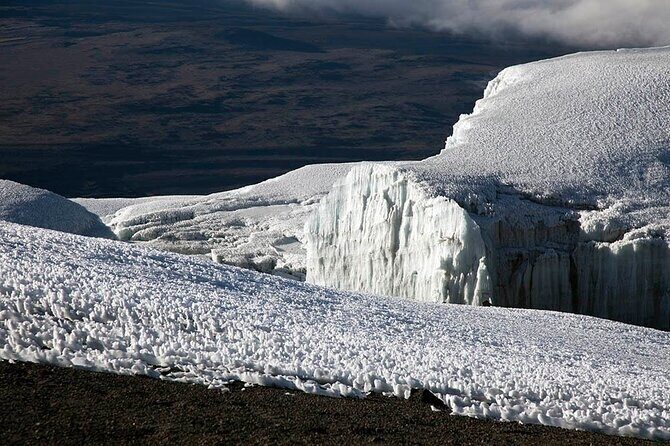
After breakfast you leave Karanga and take the intersection that connects with the Mweka trail, then continue up toward Barafu Hut. The schedule frames this as finishing the South Circuit, with perspectives of the summit from a wide range of points.
This is one of the most important days mentally. You’re not just hiking anymore—you’re getting ready. Your work becomes pacing, staying warm, eating what you can, and conserving energy for the midnight start.
At Barafu Hut, you rest and have dinner, then prep for the culmination day. The plan also notes that from here you can see Mawenzi and Kibo, which gives you a visual map of what’s ahead. That kind of “I can actually see it” reference can reduce anxiety on summit night, because the goal stops feeling abstract.
Value check for Day 5: the summit is coming soon, so listen closely to your guide about timing and how you’ll handle cold, fatigue, and slow climbing.
Day 6: Midnight start, Stella Point sunrise, then Uhuru Peak
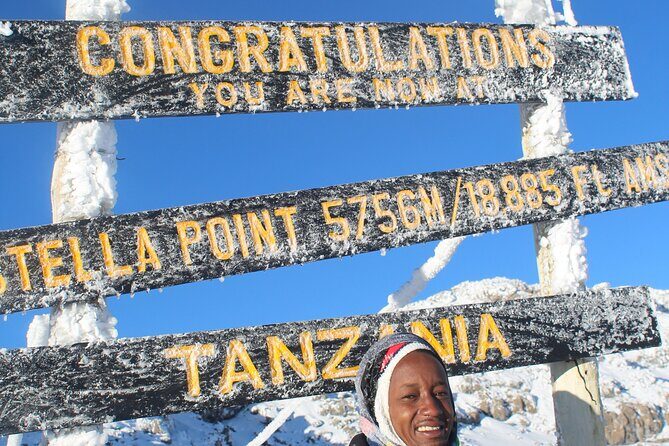
Day 6 is the summit push, and it’s organized like you’ll need your energy later in the night. At 11:30 pm, you wake for tea and rolls, then you start your climb into the dark.
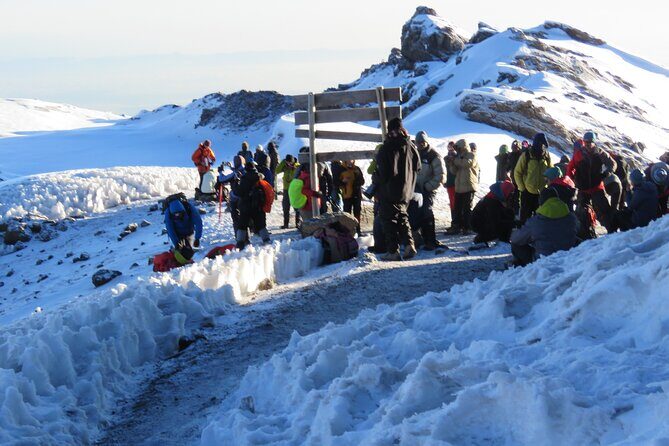
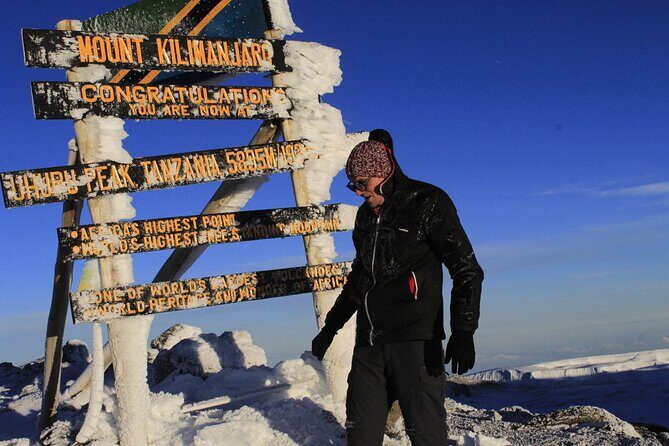
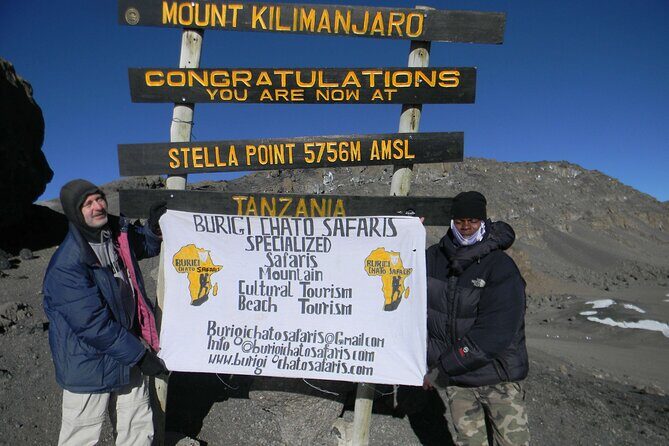
The itinerary describes a roughly six-hour climb northwest through heavy scree between the Rebmann and Ratzel glacial masses to Stella Point at about 5,685 meters. It also calls this section the most difficult for most climbers. Scree slows you down and taxes your balance; it can feel like you’re constantly catching your footing.
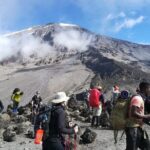
At Stella Point, you stop for a brief rest and the chance to watch a remarkable dawn. But the plan warns you can’t stop for long because it will be hard to restart in the cold. That’s a real consideration on Kilimanjaro. Your body cools, your muscles stiffen, and your fingers feel it first. Keep your time tight: warm up while moving, not while standing still.
The schedule also notes that depending on season and late weather, you might see snow along the final part of the climb near the Uhuru Peak edge. When conditions are harsh, your best “gear” becomes discipline: slow steps, consistent breathing, and staying emotionally calm when it feels endless.
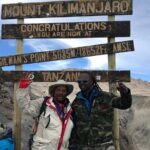
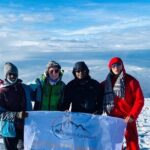
And then there’s the moment: at the top, you get to celebrate your achievement—knowing you made it through a day that you’ll remember for life.
Value check for Day 6: summit success isn’t about speed. It’s about rhythm, warmth, and not letting cold panic or exhaustion steal your focus.
Day 7: Back down to Mweka Gate, certificates, hot lunch, and a final reset
After breakfast, you walk about three hours to return to the recreation area door at Mweka Gate. This part is scenic but still part of the effort, so don’t treat it as a casual walk.
At Mweka Gate, you sign in and add candies to a register. It’s a small tradition, but I like it because it turns the finish into something tangible and ceremonial, not just “you’re done, get in the car.”
The plan also describes summit documentation. People who reached Stella Point receive green certificates, and those who reached Uhuru Peak get gold certificates. That means the experience recognizes different outcomes without pretending everyone will have the same day.
From Mweka Gate, you descend to Mweka Village for hot lunch with your Mountain Crew, plus a small festival. Then you drive to your lodging for a warm shower and rest.
If your schedule allows, there’s an additional bonus: the plan says they may drive back to their Arusha base for a quick shower and break, then transfer you toward your outbound or inbound flight. It’s described as free.
Value check for Day 7: you’re tired. The best thing you can do is keep hydration and warmth in mind during the descent, then let the shower and rest actually work.
Price and value: what $866 covers (and what you’ll still need)
The listed price is $866 per person for a roughly 7-day Kilimanjaro climb on the Machame Route. For a trek like this, that number usually has two buckets of value:
1) Mountain operations you don’t want to manage yourself
You’re paying for professional guide support, the transfer to the trail area, and the full set of meals listed across the days. You’re also getting camp structure so you don’t arrive at camps and immediately start setting up gear in the cold.
2) Risk reduction through planning
Acclimatization days, scheduled meal rhythm, and summit-night timing all reduce the odds of chaos. You still have to be physically ready, but the experience is built to make the climb manageable.
What’s not included is just as important:
- flights, visas, and travel/medical insurance
- personal hiking gear
- tipping the crew
- hotel accommodation cost
- airport pickup and transfer
So, when you evaluate value, make sure you budget for the stuff that still comes out of pocket. If you show up without proper cold-weather and rain-ready hiking gear, you’ll end up spending more than the trip price difference elsewhere.
Also, you should note the tour requires good weather. If weather shuts things down, you’re offered an alternative date or a full refund. That’s fair, and it’s the kind of reality you should plan around in Tanzania.
Who should book this Machame climb (and who should reconsider)
This tour suits you if:
- you want the Machame Route experience with strong scenic payoff and a clear summit-night plan
- you’re okay with cold nights, steep days, and the possibility of slow trekking
- you like structured guidance more than DIY logistics
- you want a route that includes an acclimatization day rather than rushing upward
I’d reconsider if:
- you’re not ready for below-freezing sleep and a midnight summit attempt
- you know you struggle at altitude and you don’t want to risk the summit day
- you’re hoping for a relaxed hike with no serious sections (this is not that)
And here’s a practical mindset: some climbers decide not to summit when altitude hits hard. This itinerary doesn’t read like a “summit at all costs” route. If you listen to your body, you still get a real achievement at Stella Point.
FAQ
Where does the 7-day Machame climb start?
You start at BURIGI CHATO SAFARIS CO LTD – Tanzania Serengeti Safaris / Kilimanjaro Climbing & Zanzibar Tour Operators in Moshi (Mkwawa Street). The start time listed is 8:30 am.
How long is the Machame route itinerary?
The trek is scheduled for 7 days (approximately).
Is pickup or transfer included?
A private transfer to the area of activities is included. Airport pickup and transfer are not included, based on the details provided.
What meals are included?
The package includes breakfast on 6 days, lunch on 7 days, and dinner on 6 days.
Do I need my own hiking gear?
Personal hiking gear is not included, so you’ll need to bring your own.
What are the main milestones during the climb?
Key moments include Shira Plateau views (including the Western Breach), Lava Tower, Barranco Wall, Karanga acclimatization, Barafu Hut preparation, and the summit push to Stella Point and Uhuru Peak. The finish includes certificate recognition at Mweka Gate.
Are guides and tickets included?
A professional experienced guide is included, and admission ticket coverage is listed as included for the trek segments.
What happens if the climb can’t run due to weather?
The experience requires good weather. If it’s canceled due to poor weather, you’ll be offered a different date or a full refund.
Should you book this Machame Route Kilimanjaro tour?
If you want a well-paced, guide-led Kilimanjaro climb with real camp support and a clear summit-night structure, this Machame Route plan is a strong match. The itinerary takes acclimatization seriously, and it sets expectations for cold nights, muddy jungle sections, and the hard scree climb toward Stella Point.
Book it if you’re prepared to:
- train for long days and altitude
- pack for freezing temperatures and wet trails
- accept that summit success depends on conditions and how your body responds
Skip it, or at least discuss alternatives, if you’re looking for comfort-first hiking or you know altitude hits you hard. On this mountain, preparation and pacing matter more than bravado—and this route rewards the calm, steady approach.